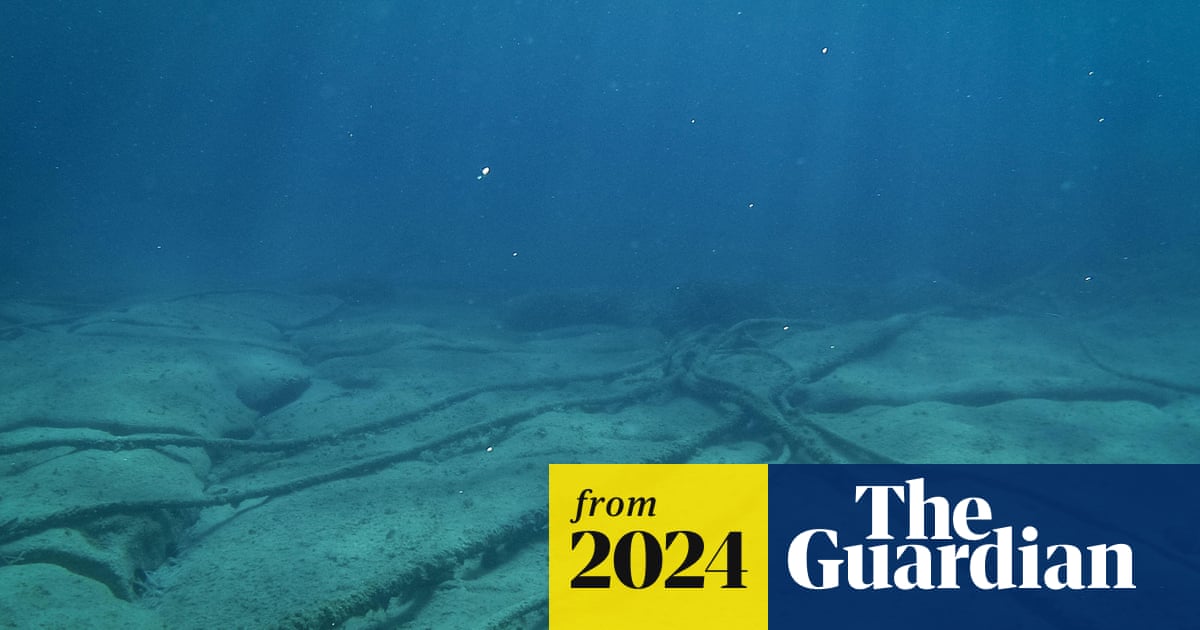
The global data ecosystem rests on a remarkably fragile foundation: 99% of international telecommunications flow through undersea cables, and that concentration of value has become a concentration of risk. The recent damage to two Baltic Sea cables, which Germany's defence minister has called probable sabotage, is not an isolated event but a symptom of a structural vulnerability that demands a calibrated, empirical response. As we have noted in our coverage of Undersea cable competition tests global data collaboration, the geopolitics of these corridors are becoming as important as their engineering.
What does this mean in practical terms? For researchers, policymakers, and ocean intelligence professionals, the threat is no longer hypothetical. A single cable cut can disrupt financial transactions worth trillions of dollars per day, degrade government communications, and sever the internet connections that entire regions depend on. The Baltic incident, while limited in scope, sent a potent diplomatic signal precisely because of the plausible deniability it afforded the perpetrators. Dr Sidharth Kaushal of the Royal United Services Institute notes that sustained damage would have significant economic ramifications, but even one-off attacks serve as strategic messaging. The west's own history, revealed by Edward Snowden's leaks showing GCHQ access to cable traffic, demonstrates that these lines are not merely passive infrastructure; they are intelligence assets and geopolitical pressure points.
The response cannot be reactive. Validated digital identity strengthens maritime security against fraud offers a parallel: just as identity verification reduces fraud in seafarer credentials, a similar integrated approach to cable monitoring could reduce the ambiguity that enables sabotage. Recorded Future has documented that Russia has increased its mapping of submarine cable systems, and Chinese state-owned entities are seeking greater stakes in the global network. These are not abstract concerns. The Taiwan audit office reported 36 cable damage incidents by foreign vessels since 2019, with two cables to the Matsu Islands severed within days by a Chinese fishing boat and cargo vessel, an event analysts describe as a dry run for an invisible blockade. The Houthi denial of Red Sea cable targeting only adds to the fog.
The concrete takeaway is this: the majority of the more than 100 annual cable faults remain accidental, caused by trawler nets and dragging anchors, but the line between accident and sabotage is deliberately blurred. As Howard Kidorf of Pioneer Consulting points out, a rogue actor can sever a cable with the same anchor or grapple that causes an accidental break. Repairing a single cable at 4,000 metres depth can cost tens of millions of dollars and take weeks. The open question for our readers is whether the international community will invest in real-time monitoring and integrated data ecosystems that can distinguish a fishing accident from a targeted attack before the next severed cable becomes a cascading crisis.