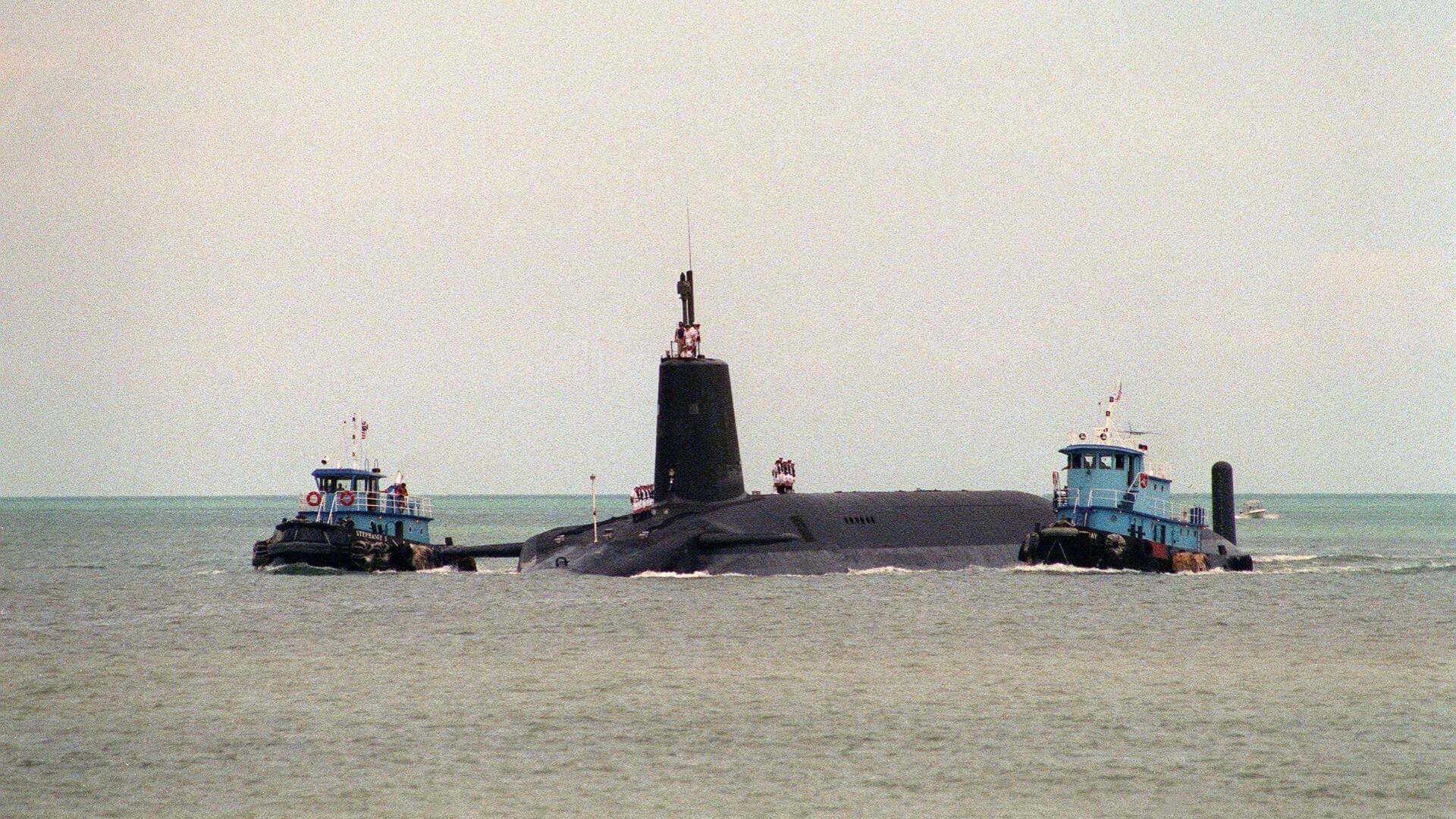
The new record of 217 days underwater set by HMS Vengeance is not a cause for celebration; it is a measured warning about the fragility of strategic infrastructure under sustained pressure. The Royal Navy's ability to keep a ballistic missile submarine continuously at sea since 1969, Operation Relentless, is a staggering demonstration of operational endurance. But the fact that patrols have stretched from three months to over seven months, that crews share bunks nine to a cabin on six-hour shifts, and that a technical fault delayed the homecoming by a week, points to a system running on borrowed time. For readers tracking ocean intelligence and maritime monitoring, this story is a concrete example of how aging platforms force human and mechanical systems to absorb risk that engineering alone should manage.
The comparison with developments in India's naval modernisation is instructive. While the UK is stretching 1990s-era Vanguard-class boats to a 40-year service life, India is delivering INS Amini Delivers Fifth Indigenous Shallow-Water Warship to Indian Navy and contracting eight new-generation corvettes to strengthen its ocean intelligence capabilities. These are not equivalent missions, a deterrent patrol and a shallow-water anti-submarine craft serve different strategic ends, but the contrast in fleet renewal is stark. One navy is building, the other is patching. The UK's Dreadnought-class replacements are not expected until the early 2030s, meaning the current boats will have to hold the line for nearly another decade. The Ministry of Defence does not disclose patrol durations, but open-source sightings now serve as a de facto public audit of that line's tension.
For the submariners themselves, the human cost is measurable in weeks of radio silence and a single 120-word message from home that cannot be answered. The Defence Secretary acknowledged that asking crews to serve beyond planned time "weighs on him," but the structural question remains: what happens when the next technical fault occurs on a boat that is already the only available option? The First Sea Lord's public admission that the UK "must do better at maintaining the fleet" is a rare moment of candour from the top, yet it arrives after Victorious entered a £560 million deep maintenance period in 2023 that has already taken it out of service for years. The mathematics of a four-boat fleet where only three are available, and one of those is setting endurance records, does not add up to sustainability. It adds up to a single point of failure in a domain where failure is not an option.
The concrete point to watch is the condition of Vengeance's hull. Marine growth and missing sound-absorbing tiles are visible signs of wear that affect stealth, the very attribute that makes a deterrent boat credible. If a patrol record is achieved at the cost of degraded signature control, the operational value of the record is diminished. The question for readers who follow climate indicators and integrated data ecosystems is whether naval endurance metrics should be recalibrated to include maintenance health as a variable, not just days submerged. A 217-day patrol is a benchmark, but it is also a data point that deserves closer, peer-reviewed scrutiny.