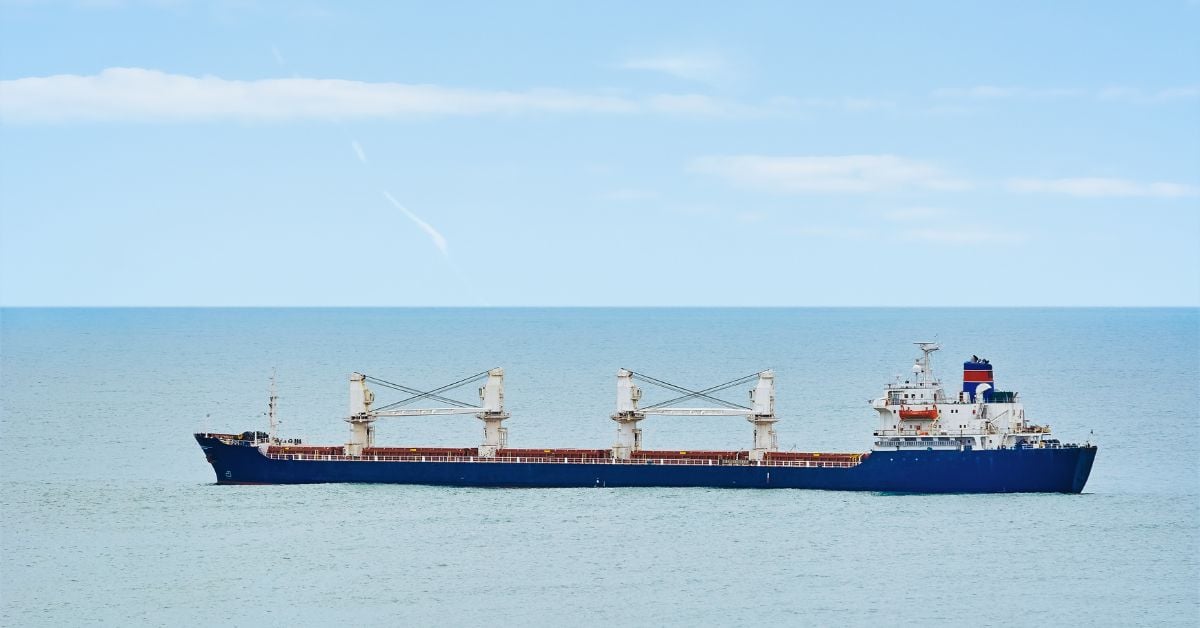
The first ship-to-ship transfer of 1,000 metric tons of green ammonia at Zhoushan Port is a calibrated validation that zero-emission marine fuel is moving from pilot projects to operational reality. This is not a distant promise; it is a measurable milestone that reshapes what the maritime industry must now plan for. The Shenghang Yongle's bunkering of a bulk carrier bound for Australia proves that the complete green ammonia supply chain, from production at CEEC's Qingqing No. 1 facility in Jilin to storage, transport, and shipboard use, can be integrated and scaled. For our readers at the intersection of Floating data centers anchor ocean intelligence to existing port infrastructure and the electrification of port networks, this event signals a concrete shift: ports like Zhoushan are now operational nodes in a new energy logistics grid, not just infrastructure for conventional fuel.
The practical implications for global shipping are immediate. Green ammonia is energy-dense, liquefies efficiently, and can leverage existing storage and transport networks. That compatibility accelerates the timeline for IMO net-zero targets far more than theoretical fuel studies ever could. China's ability to offer this fuel at competitive prices, backed by additional storage at Panjin Port and a developing logistics network, creates real-world pressure on other shipping nations to match the pace. This mirrors the kind of infrastructure integration we saw when Belgium's First Artificial Energy Island Begins Calibrating Offshore Wind Integration began synchronizing offshore power with onshore grids. In both cases, the challenge is no longer whether the technology exists, but how quickly we can normalize the operational protocols.
The bulk carrier's planned Pacific crossing after bunkering will generate empirical data on combustion performance, storage stability, and engine calibration that no lab simulation can replicate. This real-time feedback loop is exactly the kind of ocean intelligence our sector needs to refine models and reduce uncertainty for fleet operators. We should watch not only the technical outcomes but the signal this sends about commercial viability: a single ship-to-ship transfer does not decarbonize an industry, but it does establish a measurable benchmark for cost, safety, and efficiency that competing fuels must now meet. The open question is how rapidly this supply chain can scale to match the 300 million metric tons of bunker fuel the global fleet consumes annually. The Zhoushan operation has given us our first validated data point for that calculation.