World Data Ocean

A Global Hub for Ocean Intelligence 4 World Data Ocean is a centralized digital platform where researchers, scientists, and ocean enthusiasts converge to explore, analyze, and share the latest data… Read more

Page 68

Scientists warn climate models are missing a key ocean player
Oceanography News -- ScienceDaily

Scientists warn climate models are missing a key ocean player

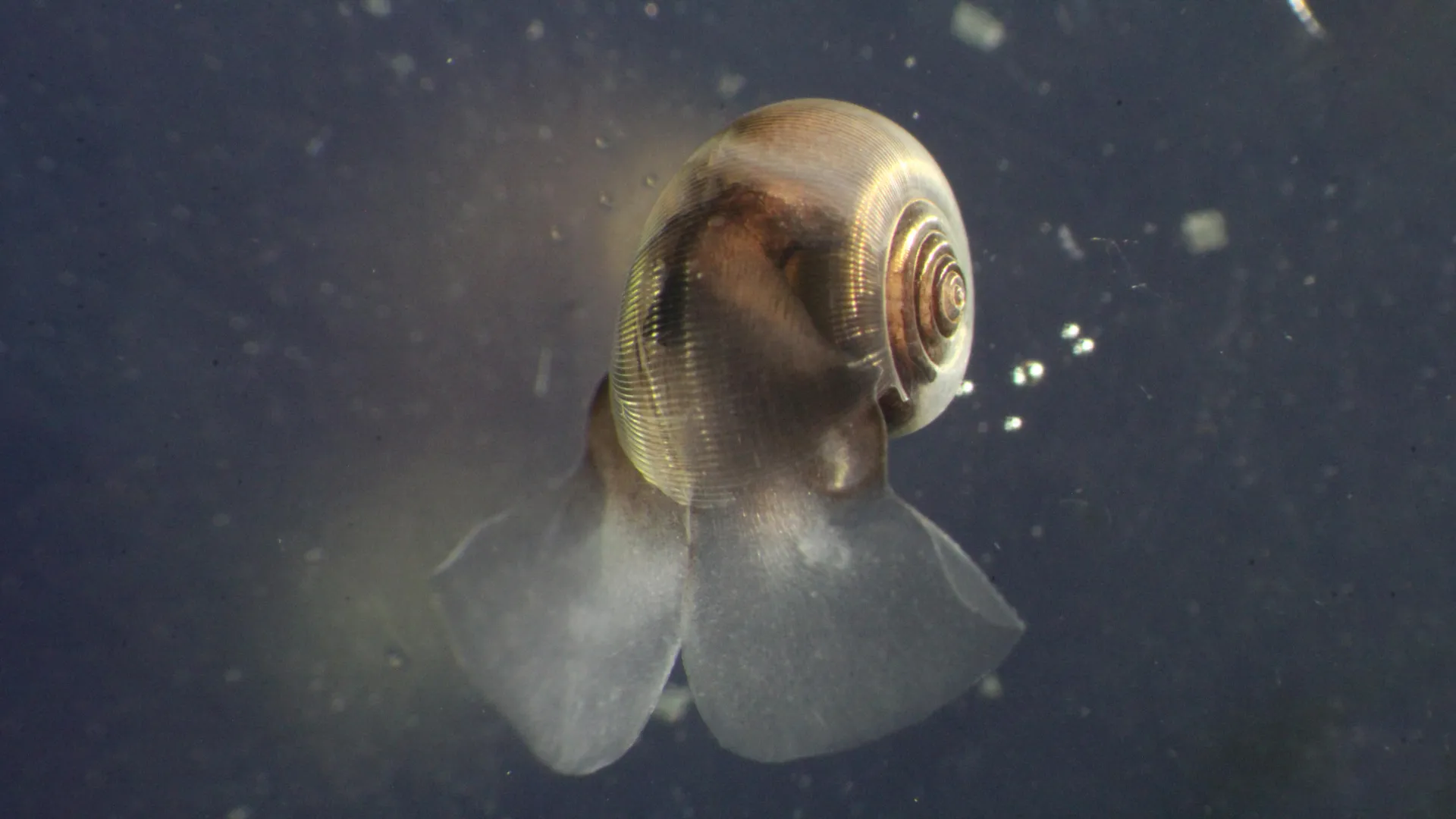
Recent research highlights a critical gap in climate models: the overlooked role of tiny marine plankton that construct calcium carbonate shells. These microscopic organisms play a significant part in regulating Earth's climate by sequestering carbon from the atmosphere and facilitating its storage in the deep ocean. Their absence from existing climate forecasts suggests that scientists may be underestimating the ocean's response to climate change. Addressing this oversight is essential for accurately predicting future climate scenarios and enhancing our understanding of oceanic processes.
Snowball Earth was not completely frozen, new study reveals
Oceanography News -- ScienceDaily

Snowball Earth was not completely frozen, new study reveals

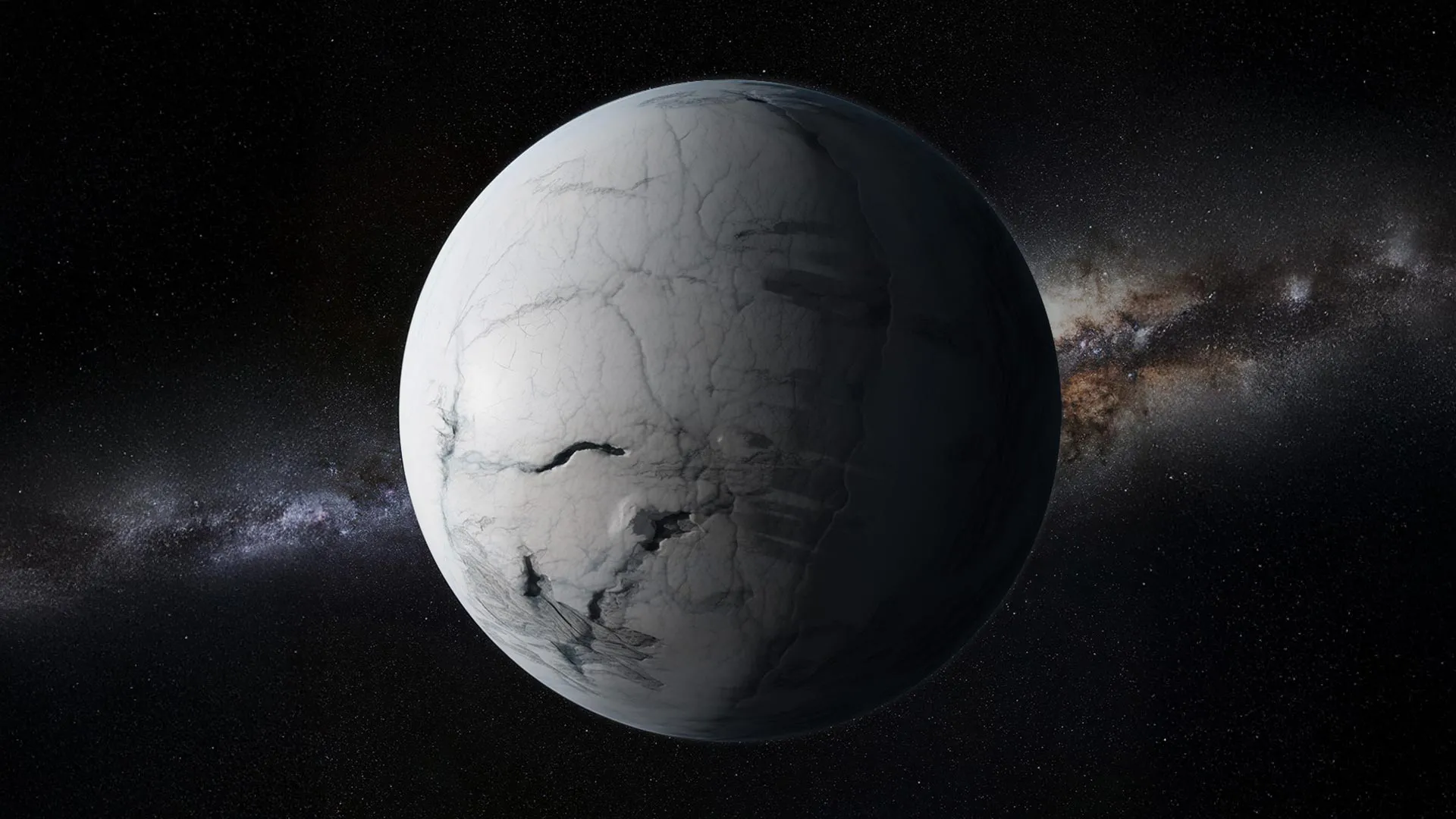
A groundbreaking study reveals that Earth’s Snowball period was not a complete freeze as previously thought. Research conducted on ancient Scottish rocks indicates that even during this extreme climate event—when ice sheets extended to the tropics and the planet appeared as a massive snowball from space—climate rhythms persisted. These included seasonal changes, solar cycles, and patterns akin to today’s El Niño, suggesting that dynamic climate processes continued beneath the ice.
A hidden force beneath the Atlantic ripped open a 500 kilometer canyon
Oceanography News -- ScienceDaily

A hidden force beneath the Atlantic ripped open a 500 kilometer canyon

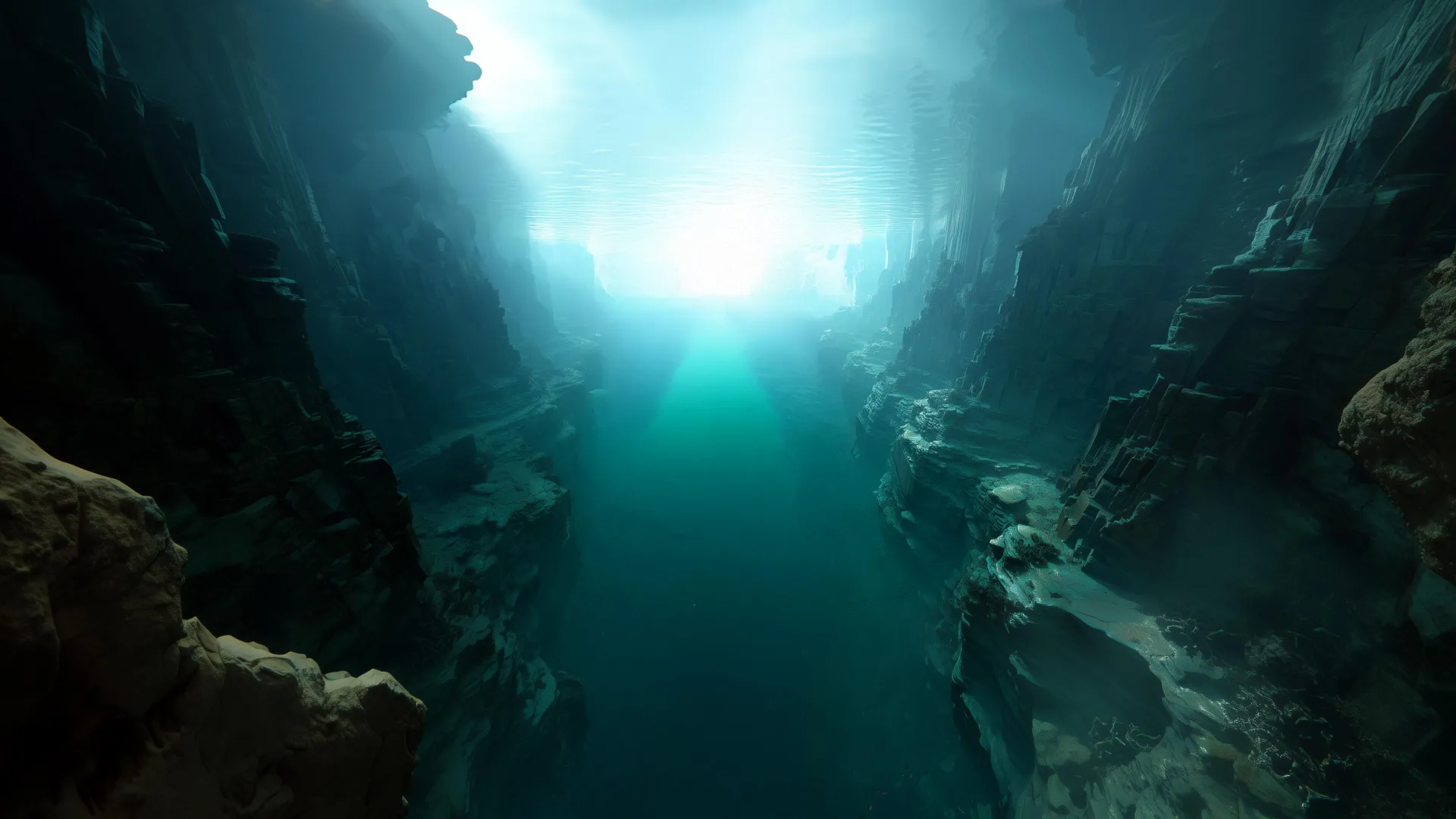
Beneath the Atlantic Ocean, approximately 1,000 kilometers off the coast of Portugal, lies the King’s Trough Complex, a colossal underwater canyon system that spans an impressive 500 kilometers. This remarkable structure, which dwarfs the Grand Canyon, was not shaped by the forces of water, but rather by powerful tectonic movements that dramatically fractured the seafloor. Understanding the formation of this hidden geological marvel highlights the intricate dynamics of our planet and emphasizes the importance of continued exploration and research in ocean science.
Lost fossils reveal sea monsters that took over after Earth’s greatest extinction
Oceanography News -- ScienceDaily

Lost fossils reveal sea monsters that took over after Earth’s greatest extinction

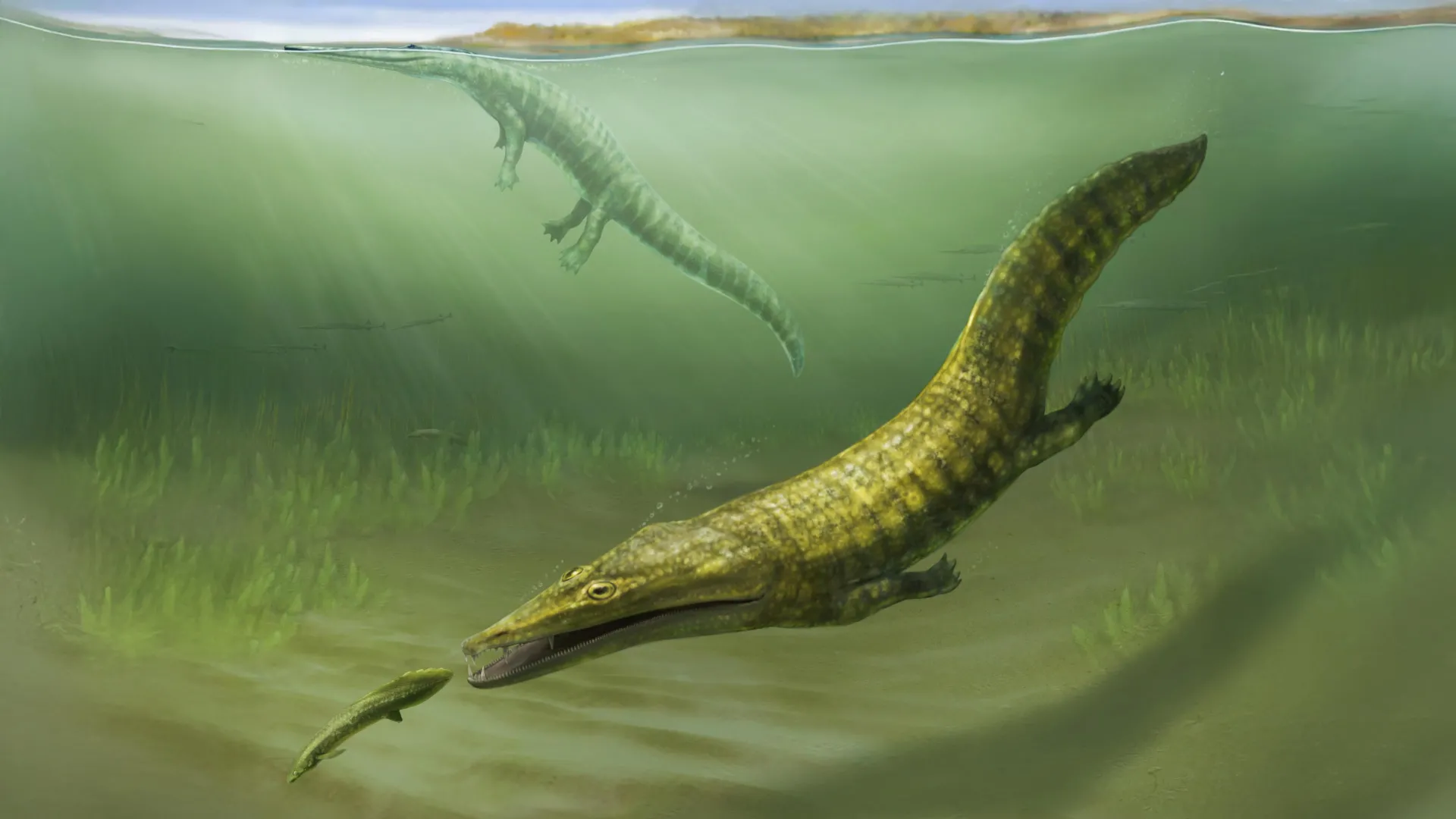
A recently uncovered collection of 250-million-year-old fossils from Australia has significantly altered our understanding of life following Earth's most catastrophic mass extinction. Rather than a singular marine amphibian species dominating the seas, researchers have revealed a vibrant and diverse community of early ocean predators. Among these newly identified creatures, one lineage boasted relatives that spanned from the Arctic to Madagascar, indicating that some of the earliest sea-going tetrapods dispersed across the planet with remarkable speed.
A giant weak spot in Earth’s magnetic field is now half the size of Europe
Oceanography News -- ScienceDaily

A giant weak spot in Earth’s magnetic field is now half the size of Europe

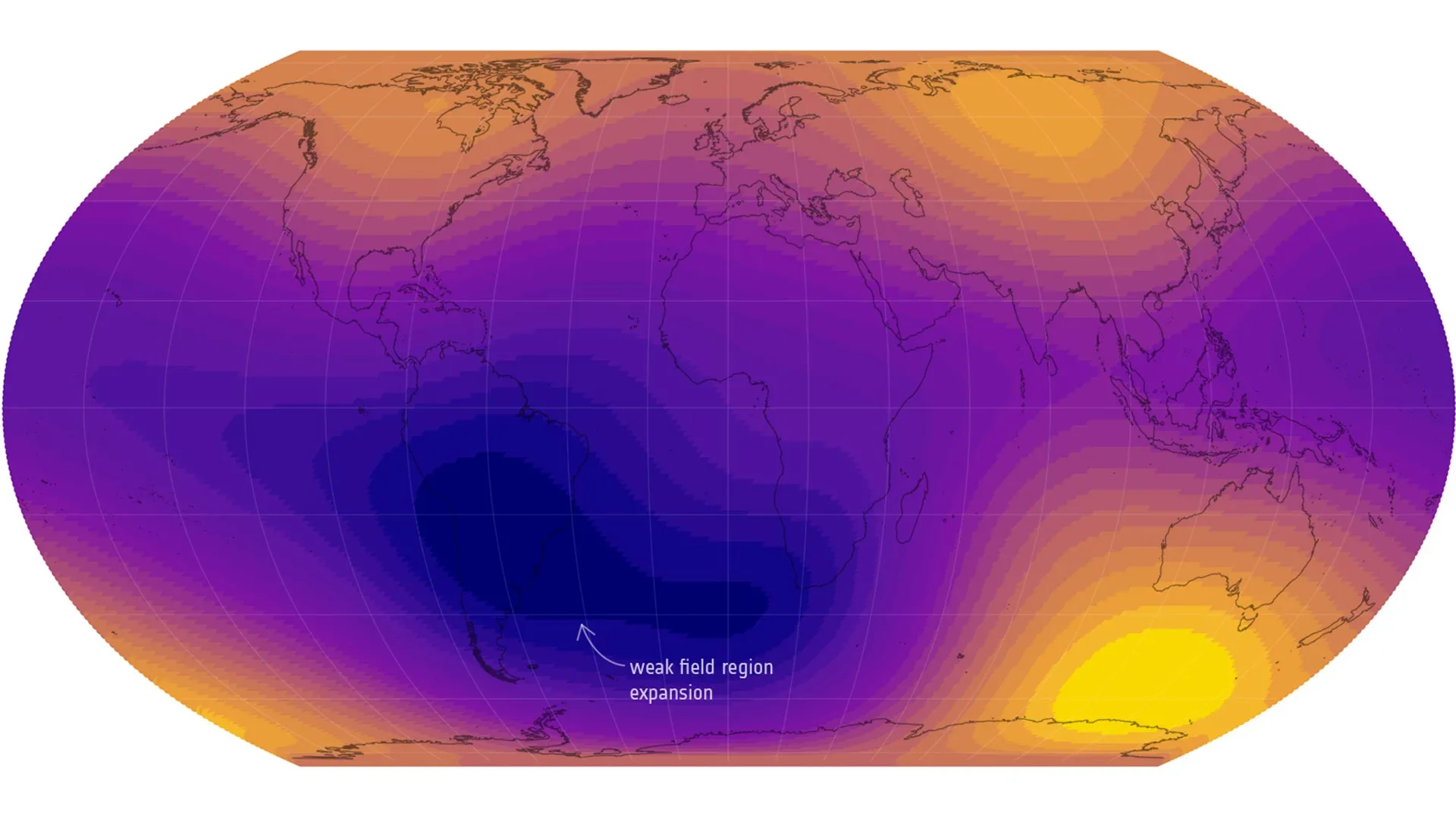
Recent data from the European Space Agency's Swarm satellites reveal significant changes in Earth's magnetic field, particularly highlighting the South Atlantic Anomaly. This vast weak spot has expanded to nearly half the size of continental Europe since 2014. Additionally, a region southwest of Africa is experiencing accelerated weakening, suggesting unusual activity in Earth's molten outer core. These findings underscore the dynamic nature of our planet's magnetic shield and emphasize the need for ongoing research to understand the implications for both Earth and its inhabitants.
Antarctica just saw the fastest glacier collapse ever recorded
Oceanography News -- ScienceDaily

Antarctica just saw the fastest glacier collapse ever recorded

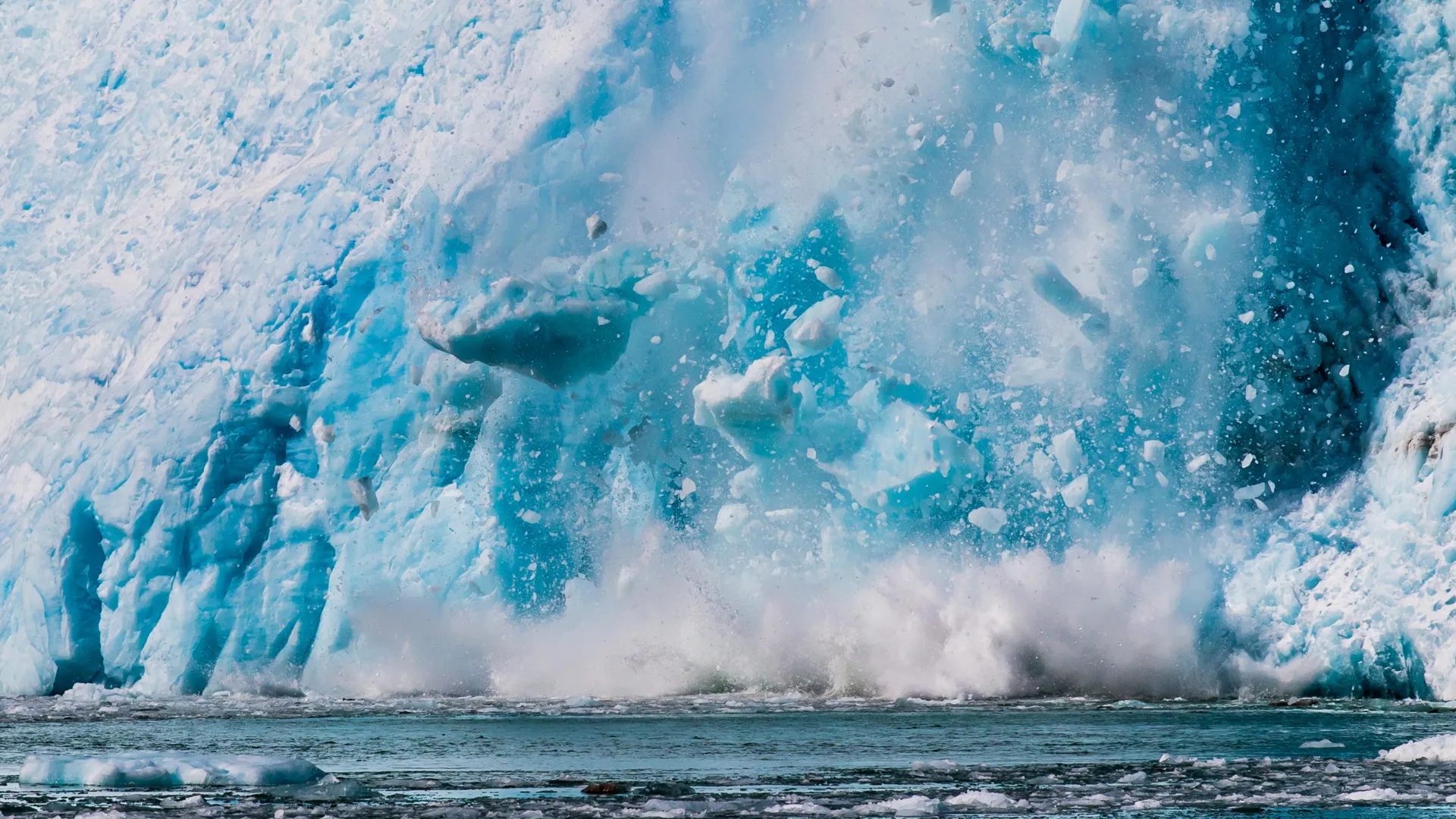
Antarctica's Hektoria Glacier has experienced the fastest recorded collapse of any glacier, retreating an astonishing eight kilometers in just two months. This rapid breakup, nearly half of the glacier's mass, is attributed to a unique underwater bedrock configuration that enabled the glacier to float and fracture from beneath. Utilizing advanced satellite and seismic data, scientists were able to monitor this dramatic event in near real time. These findings raise significant concerns regarding the potential for larger glaciers to undergo similar rapid collapses in the future.
A major climate hope in Antarctica just melted away
Oceanography News -- ScienceDaily

A major climate hope in Antarctica just melted away

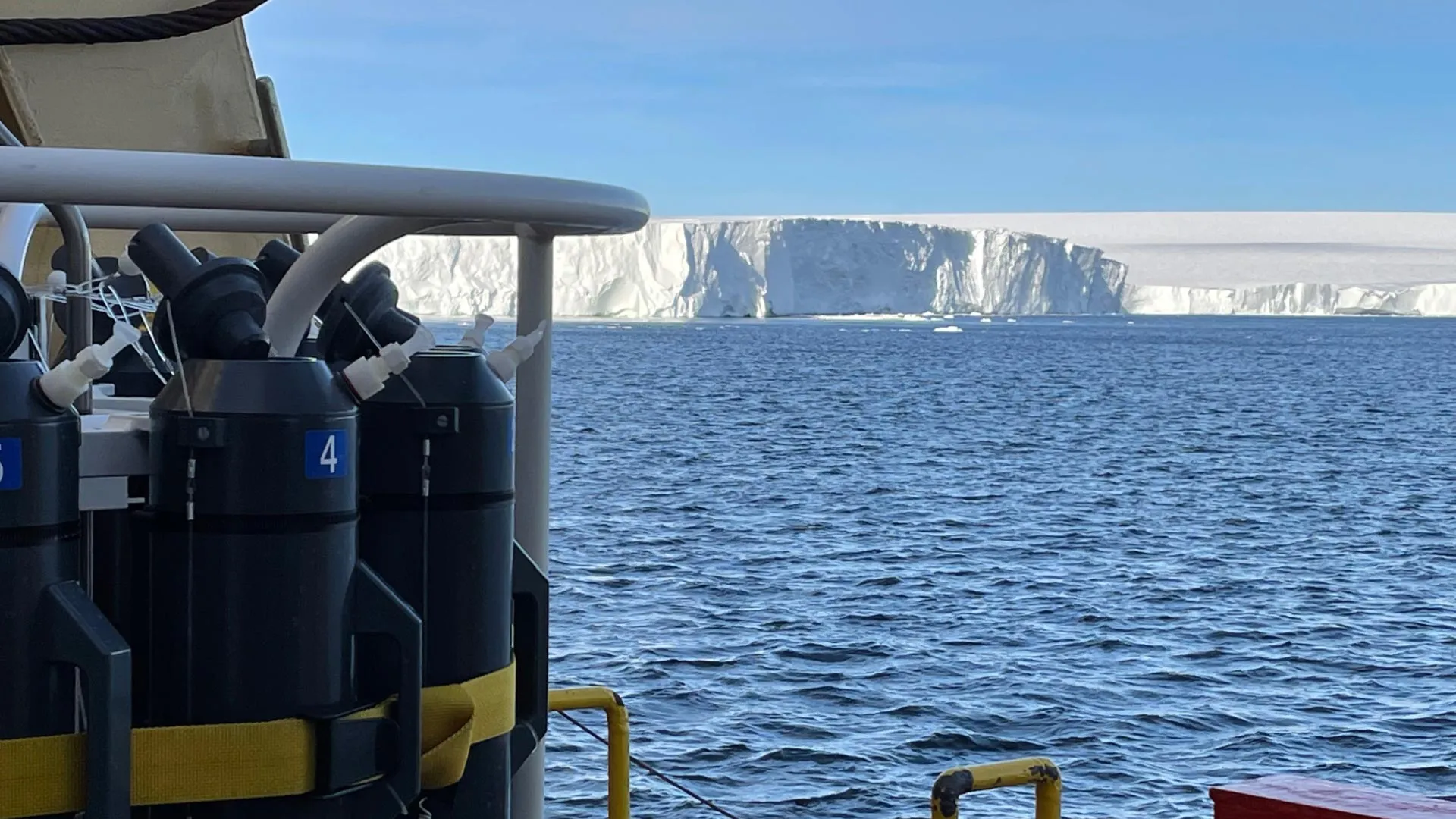
Recent research from West Antarctica has challenged a widely held climate theory regarding the melting of glaciers. Previously, it was believed that this meltwater would release iron into the ocean, promoting algae blooms capable of sequestering atmospheric carbon dioxide. However, new field data indicates that the meltwater contributes significantly less iron than anticipated, with most of the iron sourced from deep ocean water and sediments.
💪Marine Science
Marine Science

Going from MFA in Visual Development to Marine Biology! Career advice?

Transitioning from a career in visual development to marine biology is both exciting and achievable. Your background in the arts, coupled with your passion for marine life, provides a unique perspective that can enrich the field. Start by leveraging your volunteer experience at the aquarium to gain insight and connections. Consider entry-level positions that value diverse skill sets, even if they don't require a science degree. If pursuing further education, research programs that recognize your existing qualifications.
💪Marine Science
Marine Science

Petition to protect Rice's whales: please SIGN and SHARE

Join the movement to protect the critically endangered Rice's whale, a unique species that inhabits U.S. waters, specifically the Gulf of Mexico. With only about 50 individuals remaining, this 40-foot giant is on the brink of extinction due to insufficient protective legislation amid increasing oil drilling and shipping activities. Raising awareness is essential, as many are unaware of this remarkable species. Please sign and share the petition to advocate for stronger protections and ensure that the U.S.
💪Marine Science
Marine Science

A Marine Biology presentation I’m working on for a passion project of mine.

Hello! My name is Maier, and I am a 13-year-old IGCSE student with a deep passion for marine biology. In this presentation, I aim to share my journey and progress as I develop a future marine biology channel dedicated to exploring the wonders of our oceans. I believe that understanding marine ecosystems is vital for their preservation, and I am eager to contribute to this important field. I would greatly appreciate your feedback and insights as I continue to grow and learn.
💪Marine Science
Marine Science

Where should I look to apply for a Master's Degree in Marine Biology, Europe?

Navigating the search for a Master's Degree in Marine Biology can be daunting, especially when considering options within Europe. As you approach the conclusion of your undergraduate studies in Bioinformatics/Biology, focusing on programs in Italy and Spain is a strategic choice. These countries offer reputable institutions with strong marine biology programs. The University of Padua, which you've discovered, is a promising option. This forum can serve as a valuable resource for advice on universities with excellent marine biology programs or websites that facilitate your search.
💪Marine Science
Marine Science

Petition to protect Rice's whales with a NOAA-designated critical habitat: please SIGN and SHARE. Only 50 individuals are left.

The Rice’s whale (Balaenoptera ricei) is critically endangered, with fewer than 50 individuals remaining in the Gulf of Mexico, making it America's only native whale. Urgent action is needed to protect this unique species, as no Critical Habitat has been designated, leaving them vulnerable to threats like ship strikes and pollution. We urge NOAA to take immediate steps to secure their future by designating a Critical Habitat under the Endangered Species Act.
💪Marine Science
Marine Science

Future Shark Scientist Promoting Conservation!

Introducing "Shark and Awe," a podcast dedicated to sharks, the ocean, and the vital importance of conservation. Created by a recent summa cum laude graduate in Marine Resources & Management, this engaging series aims to raise awareness about shark conservation while providing insightful research. Each episode lasts around 10 minutes, making it accessible and informative for all listeners. The latest installment begins a two-part exploration of great white sharks, with the second part releasing soon.
💪Marine Science
Marine Science

Petition to protect Rice's whales with a NOAA-designated critical habitat: please SIGN and SHARE. Only 50 individuals are left.

The Rice’s whale (Balaenoptera ricei), one of the most endangered marine mammals, is on the brink of extinction, with fewer than 50 individuals remaining in the Gulf of Mexico. Urgent action is needed to protect these whales by designating a NOAA-critical habitat, which would implement measures like speed limits for ships and restrictions on offshore drilling. By signing and sharing this petition, you can help safeguard America’s only native whale and contribute to the preservation of our marine ecosystems. Act now to protect Rice’s whales!
💪Marine Science
Marine Science

I'm building a mini glider, and I'd like to know what kind of research you could do with something like this.

With the development of a mini subsea glider, you open up numerous opportunities for innovative ocean research. This accessible, cost-effective tool can facilitate real-time data collection on marine ecosystems, track climate indicators, and monitor water quality. You could explore underwater habitats, study the effects of ocean currents on wildlife migration, or gather longitudinal data on temperature and salinity changes. Engaging with educational institutions or citizen scientists could further enhance data collection efforts, fostering collaboration and expanding the reach of your research initiatives.
💪Marine Science
Marine Science

Measuring sharks in water?

Measuring the length and volume of sharks in their natural habitat presents unique challenges, particularly when using underwater photogrammetry or stereo-video techniques. As an in-house researcher conducting shark snorkeling tours, you are currently utilizing dual GoPro Hero 3 cameras calibrated with checkerboards. While familiar with photogrammetry, you seek more effective software solutions to streamline your process. Both SteroMorph and XMA Lab have posed difficulties, and traditional drone methods are impractical in this context.
💪Marine Science
Marine Science

How bad is the market for marine science right now? I am looking at going back to college for it.

As you contemplate returning to college for marine science, specifically in biological oceanography, it's essential to understand the current job market in this field. Marine science offers exciting opportunities, but it faces challenges, including competition and funding constraints. Many positions require advanced degrees, such as a PhD, particularly in research. Your background in digital communications and your renewed commitment to math can enhance your skill set. It’s crucial to weigh potential financial investments against your passion, ensuring a balance between personal fulfillment and employability post-graduation.
💪Marine Science
Marine Science

Early-stage research collaboration

Early-stage research collaboration is essential for advancing our understanding of ocean ecosystems and addressing the pressing challenges they face. By fostering partnerships among scientists, policymakers, and stakeholders, we can leverage diverse expertise and innovative technologies to generate impactful solutions. This collaborative approach encourages the sharing of empirical data and insights, facilitating a more integrated response to climate change and marine conservation. Join us in exploring the opportunities that arise from these partnerships, as we work together to enhance ocean intelligence and stewardship for future generations.
💪Marine Science
Marine Science

I might be able to help you, researcher!

Hello researchers! I am reaching out to share an opportunity for collaboration in marine biology. I will be conducting monthly gauge maintenance work in the Bahamas and can deploy an underwater camera during my visits. This setup allows for the collection of valuable imagery and data. All I ask in return is to receive any interesting findings you may come across. Please note that I cannot accommodate physical or chemical sensors due to my work restrictions. If you're interested, let’s connect!
💪Marine Science
Marine Science

College suggestions?

If you’re currently studying marine science at Jacksonville University but are considering more affordable options like Coastal Carolina University (CCU), you’re not alone. Many students explore this transition due to financial concerns. Sharing experiences from those who have attended CCU can provide valuable insights into the program's quality and its alignment with your academic goals. It’s essential to weigh the benefits and challenges of each institution to determine if CCU is the right fit for your marine science education.
💪Marine Science
Marine Science

career advice

Navigating career decisions in the marine biology field can be challenging, especially for first-year undergraduates. While a passion for conservation research and marine life is commendable, it's essential to consider job satisfaction and financial stability. Many graduates report dissatisfaction with their roles, even after pursuing advanced degrees. Exploring alternative paths, such as veterinary medicine, may offer fulfilling opportunities to work with animals while keeping your passion for marine biology alive.
💪Marine Science
Marine Science

Marine professionals: short survey on ship hull inspection & cleaning challenges

Marine professionals are invited to participate in a brief survey addressing the challenges associated with ship hull inspection and cleaning. This initiative aims to gather valuable insights that will enhance our understanding of current practices and obstacles faced in the industry. By contributing your expertise, you will help inform future strategies and innovations that promote more effective and sustainable hull maintenance. Your input is crucial in shaping solutions that benefit both marine operations and ocean health.
💪Marine Science
Marine Science

Shark Conservation podcast!

Introducing "Shark and Awe," a podcast dedicated to promoting shark conservation through insightful discussions and research. Each episode explores individual shark species, current events, legislative updates, and research summaries, making complex topics accessible to all listeners. Stream the show on Spotify, iHeartRadio, Apple Podcasts, Amazon Music, and Audible, where it has been recognized as the #7 best shark podcast of 2026 by FeedSpot.
💪Mid-Atlantic Ocean Data Portal
Mid-Atlantic Ocean Data Portal

2. Coastal Storm Debris: Preparing for & Responding to Marine Debris

Coastal storm debris presents significant challenges to marine ecosystems, coastal communities, and public safety. Effective preparation and response strategies are crucial for mitigating the impacts of marine debris generated by storms. This guide explores the best practices for addressing coastal storm debris, emphasizing the importance of collaboration among stakeholders, including government agencies, local organizations, and citizens. By leveraging real-time data and validated methodologies, we can enhance our resilience to storms and protect our oceans. Together, we can foster a sustainable future for our coastal environments.
💪Mid-Atlantic Ocean Data Portal
Mid-Atlantic Ocean Data Portal

3. Community Engagement for Marine Debris Reduction & Education

Community engagement is essential for effective marine debris reduction and education. By fostering collaboration among local stakeholders, organizations can raise awareness about the impact of marine litter on ecosystems and human health. Engaging communities through workshops, clean-up events, and educational programs empowers individuals to take action and inspires collective responsibility. This initiative not only enhances public understanding of marine issues but also cultivates a culture of stewardship, encouraging proactive measures to protect our oceans.
💪Mid-Atlantic Ocean Data Portal
Mid-Atlantic Ocean Data Portal

4. Marine Debris Reduction: Large Scale Removal

Marine debris poses a significant threat to ocean health and biodiversity. Large-scale removal initiatives are essential for mitigating this impact and restoring vital ecosystems. Through innovative technologies and collaborative efforts, we can effectively target and eliminate waste from our oceans. These initiatives not only enhance marine environments but also contribute to a cleaner, safer habitat for marine life and human communities alike. By prioritizing marine debris reduction, we foster a sustainable future and emphasize our collective responsibility in ocean stewardship.
💪Mid-Atlantic Ocean Data Portal
Mid-Atlantic Ocean Data Portal

5. Marine Debris Prevention Campaigns & Marine Debris CaptureTechnology

Marine debris poses a significant threat to ocean health, impacting ecosystems and wildlife. To combat this issue, effective prevention campaigns are essential, promoting awareness and responsible behavior among communities. Complementing these efforts, innovative marine debris capture technology offers practical solutions for removing waste from our oceans. By integrating these strategies, we can protect marine environments and foster a culture of stewardship. Together, these initiatives not only address the immediate challenges of debris but also empower individuals and organizations to contribute to sustainable ocean management.
💪Mid-Atlantic Ocean Data Portal
Mid-Atlantic Ocean Data Portal

6. Marine Debris Policy

Marine debris poses a significant threat to ocean health, impacting ecosystems, wildlife, and human activities. Effective marine debris policy is crucial for mitigating these risks through comprehensive strategies that promote prevention, reduction, and sustainable management. By fostering collaboration among governments, organizations, and communities, we can enhance public awareness and implement innovative solutions. This policy framework emphasizes the importance of scientific research and data-driven approaches to address the challenges of marine debris, ensuring the preservation of our oceans for future generations.
💪Mid-Atlantic Ocean Data Portal
Mid-Atlantic Ocean Data Portal

How Tuesday Webinar: Fishing Data

Join us for our upcoming Tuesday Webinar: Fishing Data, where we will explore the vital role of data in sustainable fishing practices. This session will highlight innovative methodologies and integrated data ecosystems that enhance ocean intelligence. Participants will gain insights into validated metrics that support effective fisheries management and promote the health of marine ecosystems. Whether you are a researcher, policymaker, or ocean enthusiast, this webinar will provide valuable knowledge to foster collaborative efforts in ocean stewardship.
💪Mid-Atlantic Ocean Data Portal
Mid-Atlantic Ocean Data Portal

How Tuesday: Northeast Regional Marine Fish Habitat Assessment Data

The "How Tuesday: Northeast Regional Marine Fish Habitat Assessment Data" session provides a comprehensive overview of critical marine habitat assessments in the Northeast. This initiative harnesses validated and empirical data to enhance our understanding of fish habitats, ensuring informed decision-making for conservation efforts. By integrating real-time insights and longitudinal studies, the session emphasizes the importance of collaborative approaches in ocean stewardship. Participants will gain valuable knowledge about habitat dynamics, contributing to the overarching goal of fostering sustainable marine ecosystems in the face of climate change.
💪Mid-Atlantic Ocean Data Portal
Mid-Atlantic Ocean Data Portal

How Tuesday Webinar: Coastal and Ocean Acidification Data

Join us for the upcoming Tuesday Webinar on Coastal and Ocean Acidification Data, where we will explore the latest empirical findings and innovative methods in ocean science. This session aims to provide valuable insights into the impacts of acidification on marine ecosystems, emphasizing the importance of real-time data collection and analysis. Our expert speakers will share longitudinal studies and peer-reviewed research, fostering a collaborative dialogue among researchers, policymakers, and ocean enthusiasts. Together, we can enhance our understanding and drive effective ocean stewardship.
💪Ocean Data Network
Ocean Data Network

Ocean Data Network: Who We Are

The Ocean Data Network is a collaborative initiative dedicated to advancing ocean intelligence through validated scientific data and technological innovation. We unite researchers, policymakers, and ocean enthusiasts to foster a shared understanding of our oceans and the critical role they play in global climate health. By integrating real-time data and peer-reviewed research, we empower stakeholders to make informed decisions that support ocean stewardship. Our commitment to transparency and collaboration underscores the urgency of addressing ocean challenges and promoting sustainable practices for future generations.
💪Ocean Data Network
Ocean Data Network

Fishing for data: How it works and why it matters

"Fishing for Data: How It Works and Why It Matters" explores the vital role that data collection plays in understanding and preserving ocean ecosystems. This process involves sophisticated methodologies to gather empirical information on marine life, environmental changes, and climate indicators. By integrating real-time data into a comprehensive ocean intelligence framework, stakeholders can make informed decisions that support sustainable fishing practices and effective conservation efforts. Ultimately, this work underscores the interconnectedness of ocean health and global well-being, emphasizing our shared responsibility in safeguarding marine resources.
💪Ocean Data Factory Sweden
Ocean Data Factory Sweden

Ocean Data Factory Webinar - Law as Facilitator (or Obstacle) for Science-based Marine Governance

Join us for the Ocean Data Factory Webinar, "Law as Facilitator (or Obstacle) for Science-based Marine Governance." This session will explore the vital interplay between legal frameworks and marine science, addressing how laws can both enhance and hinder effective ocean governance. Experts will share insights on integrating scientific data into policy-making, emphasizing the need for collaboration across disciplines. By understanding these dynamics, we can better navigate the challenges of marine stewardship and foster a sustainable future for our oceans.
💪Ocean Data Factory Sweden
Ocean Data Factory Sweden

Ocean Data Factory Webinar Series - Survey of Oysters along the Swedish West Coast Using Towed Video

Join us for the Ocean Data Factory Webinar Series, featuring a compelling presentation on the survey of oysters along the Swedish West Coast using towed video technology. This innovative approach provides real-time, high-resolution insights into oyster habitats, enhancing our understanding of marine ecosystems. By integrating empirical data with collaborative research efforts, we aim to foster effective ocean stewardship. Engage with leading experts as they share findings and discuss the implications for sustainable management of these vital resources.
💪Ocean Data Factory Sweden
Ocean Data Factory Sweden

Ocean Data Factory Webinar - PELADRONE:transforming Portuguese SME fisheries and coastal communities

Join us for the Ocean Data Factory Webinar, featuring PELADRONE, a groundbreaking initiative aimed at transforming Portuguese small and medium-sized enterprise (SME) fisheries and coastal communities. This session will explore how integrated ocean intelligence and innovative technologies can enhance sustainable practices, support local economies, and foster resilience in the face of climate change. Our expert speakers will share insights on empirical data and real-time solutions that empower stakeholders to make informed decisions for the future of our oceans. Together, we can drive meaningful change.
💪Ocean Data Factory Sweden
Ocean Data Factory Sweden

Ocean Data Factory Webinar - Wildlife.ai: Using AI to accelerate wildlife conservation

Join us for the Ocean Data Factory Webinar, where we explore "Wildlife.ai: Using AI to Accelerate Wildlife Conservation." This session will delve into how advanced artificial intelligence technologies can enhance our understanding of wildlife dynamics and support conservation efforts. By integrating real-time data and empirical research, we aim to foster innovative solutions that bolster wildlife protection. Engage with experts in the field, and discover how collaborative efforts can drive impactful change for our oceans and the diverse species that inhabit them.
💪Ocean Data Factory Sweden
Ocean Data Factory Sweden

Ocean Data Factory Webinar - Opening up marine science

Join us for the Ocean Data Factory Webinar, where we will explore the transformative potential of open marine science. This session aims to enhance collaboration and innovation by providing access to validated ocean intelligence and integrated data ecosystems. Experts will share insights on how empirical methodologies and real-time data can drive informed decision-making and foster global stewardship of our oceans. Together, we can unravel complex challenges, ensuring a sustainable future for marine environments. Your participation is vital to advancing our collective understanding and responsibility.
💪Ocean Data Factory Sweden
Ocean Data Factory Sweden

Ocean Data Factory Webinar - Swedish Biodiversity Data Infrastructure

Join us for the Ocean Data Factory Webinar, where we will explore the Swedish Biodiversity Data Infrastructure's vital role in advancing ocean intelligence. This session will highlight innovative approaches to integrating biodiversity data, promoting collaboration among researchers, policymakers, and conservationists. Participants will gain insights into validated methodologies that enhance understanding of marine ecosystems and their responses to climate change. Together, we can foster a shared commitment to ocean stewardship and drive impactful solutions for a sustainable future.
💪Ocean Data Factory Sweden
Ocean Data Factory Sweden

Ocean Data Factory Webinar - C2B2 Co-Creating Better Blue

Join us for the Ocean Data Factory Webinar, titled "C2B2: Co-Creating Better Blue," where we explore innovative strategies for ocean stewardship through collaborative data solutions. This engaging session will highlight how integrated data ecosystems can empower stakeholders to make informed decisions for sustainable ocean management. With insights from leading experts, participants will learn about the latest advancements in ocean intelligence and the vital role of collective action in addressing pressing marine challenges. Together, we can shape a healthier future for our oceans.
💪Ocean Data Factory Sweden
Ocean Data Factory Sweden

Ocean Data Factory Webinar - Combining citizen science and AI to predict Harmful Algal Blooms (HABs)

Join us for the Ocean Data Factory Webinar, where we explore the innovative intersection of citizen science and artificial intelligence in predicting Harmful Algal Blooms (HABs). This session will highlight empirical approaches and integrated data ecosystems that empower communities to contribute to ocean health. By leveraging real-time data and collective knowledge, we aim to enhance our understanding of HAB dynamics and foster proactive stewardship of marine environments. Engage with experts and discover how collaborative efforts can drive impactful solutions for our oceans.
💪Ocean Data Factory Sweden
Ocean Data Factory Sweden

Ocean Data Factory Webinar - Filling Coastal Data Gaps – Let’s Do It Ourselves!

Join us for the Ocean Data Factory Webinar, "Filling Coastal Data Gaps – Let’s Do It Ourselves!" This session will empower participants to take an active role in addressing critical data shortages in coastal regions. Through innovative techniques and collaborative efforts, we will explore practical strategies for collecting and analyzing ocean data. By leveraging community-driven solutions, we can enhance our understanding of coastal ecosystems and foster effective stewardship. Together, we can bridge the data gaps and drive impactful change for ocean health.
💪Ocean Data Factory Sweden
Ocean Data Factory Sweden

Ocean Data Factory Webinar - Improving Aquaculture Practices and Sustainability

Join us for the Ocean Data Factory Webinar, where we will explore innovative strategies to enhance aquaculture practices and sustainability. This session will showcase cutting-edge research and data-driven insights that highlight the importance of responsible ocean stewardship. Experts will discuss empirical findings and collaborative approaches aimed at improving aquaculture efficiency while minimizing environmental impacts. Together, we can foster a more sustainable future for our oceans and ensure the health of marine ecosystems. Don’t miss this opportunity to engage with leaders in ocean intelligence and sustainability.
💪Ocean Data Factory Sweden
Ocean Data Factory Sweden

Filling the coastal data gap part 1

Filling the coastal data gap is essential for informed decision-making in ocean stewardship. This initiative seeks to enhance our understanding of coastal ecosystems by integrating real-time, validated data into a comprehensive framework. By leveraging innovative technologies and fostering global collaboration, we can bridge existing knowledge disparities. Part 1 of this series will explore the significance of coastal data, highlight key challenges, and outline the steps needed to create an integrated data ecosystem. Together, we can ensure the health and sustainability of our vital coastal environments.
💪Ocean Data Factory Sweden
Ocean Data Factory Sweden

Filling the coastal data gap part 4

In "Filling the Coastal Data Gap: Part 4," we explore advanced methodologies and technologies aimed at enhancing our understanding of coastal ecosystems. This installment emphasizes the importance of integrating diverse data sources, from satellite observations to in-situ measurements, to create a comprehensive picture of coastal health. By leveraging validated, real-time ocean intelligence, we can inform effective stewardship strategies and foster global collaboration. Join us as we delve into the critical role of empirical data in addressing the pressing challenges faced by our coastlines.
💪Ocean Data Factory Sweden
Ocean Data Factory Sweden

Filling the coastal data gap part 3

In "Filling the Coastal Data Gap: Part 3," we delve into the critical need for enhanced coastal data to inform decision-making and drive ocean stewardship. This installment highlights innovative methodologies and collaborative efforts aimed at bridging existing data deficiencies. By leveraging real-time ocean intelligence and integrated data ecosystems, we can better understand climate indicators and their impact on coastal communities. Join us in exploring how these advancements can empower stakeholders to make informed, measurable progress in protecting our oceans and fostering a sustainable future.
💪Ocean Data Factory Sweden
Ocean Data Factory Sweden

Filling the coastal data gap part 2

In "Filling the Coastal Data Gap: Part 2," we delve deeper into the critical need for comprehensive coastal data to inform ocean stewardship and climate resilience. This installment highlights innovative methodologies and collaborative efforts aimed at enhancing our understanding of coastal ecosystems. By integrating real-time observations and validated research, we strive to empower stakeholders with the tools necessary for informed decision-making. Join us as we explore the transformative potential of data in safeguarding our oceans and promoting sustainable practices for future generations.
💪Ocean Data Factory Sweden
Ocean Data Factory Sweden

Ocean Data Factory Webinar - Linking empirical data to theoretical modelling

Join us for the Ocean Data Factory Webinar, where we explore the critical connection between empirical data and theoretical modeling in ocean science. This session will highlight how validated, real-time data can enhance our understanding of ocean dynamics and inform effective stewardship strategies. By integrating diverse data sources, we can develop calibrated models that provide valuable insights into climate indicators and marine ecosystems. Engage with leading experts and discover innovative approaches to harness ocean intelligence for a sustainable future.
💪Ocean 215: Python Methods for Oceanography
Ocean 215: Python Methods for Oceanography

Lesson 9, Part 4: xarray - working with higher-dimensional data

In Lesson 9, Part 4, we will explore xarray, a powerful Python library designed for working with higher-dimensional data. This session will provide insight into how xarray facilitates the manipulation and analysis of complex datasets, enabling users to leverage its capabilities for efficient data handling. By integrating labeled dimensions and coordinates, xarray enhances clarity and accessibility in data operations. Join us as we uncover practical applications and techniques that empower researchers and ocean enthusiasts to harness the full potential of multidimensional data.
💪Ocean 215: Python Methods for Oceanography
Ocean 215: Python Methods for Oceanography

Lesson 12, Part 2: Plotting in 2 dimensions

In Lesson 12, Part 2, we delve into the essential techniques of plotting in two dimensions, a fundamental skill for visualizing data effectively. This segment emphasizes the importance of clear representation, enabling audiences to interpret complex information intuitively. We will explore various plotting methods, including scatter plots, line graphs, and bar charts, while highlighting best practices for clarity and accuracy. By mastering these techniques, participants will enhance their analytical capabilities and foster a deeper understanding of data relationships in scientific research and ocean intelligence.
Page 68 | World Data Ocean