trade
trade at World Data Ocean is a file of 23 stories. The newest of them: “Explosions Reported Near Tanker Transiting Regional Waters, Crew Unharmed”, “Measuring the longevity of a booming ocean economy through integrated climate indicators”, and “A 2,100-Year-Old Shipwreck Yields Roman Luxury Cargo in the Eastern Mediterranean”. A crew witnessed explosions while their tanker transited regional waters today. The ocean economy is booming, but its longevity depends on what we can measure. A Global Hub for Ocean Intelligence 4 World Data Ocean is a centralized digital platform where researchers, scientists, and ocean enthusiasts converge to… The list below is every trade story on World Data Ocean, newest first.
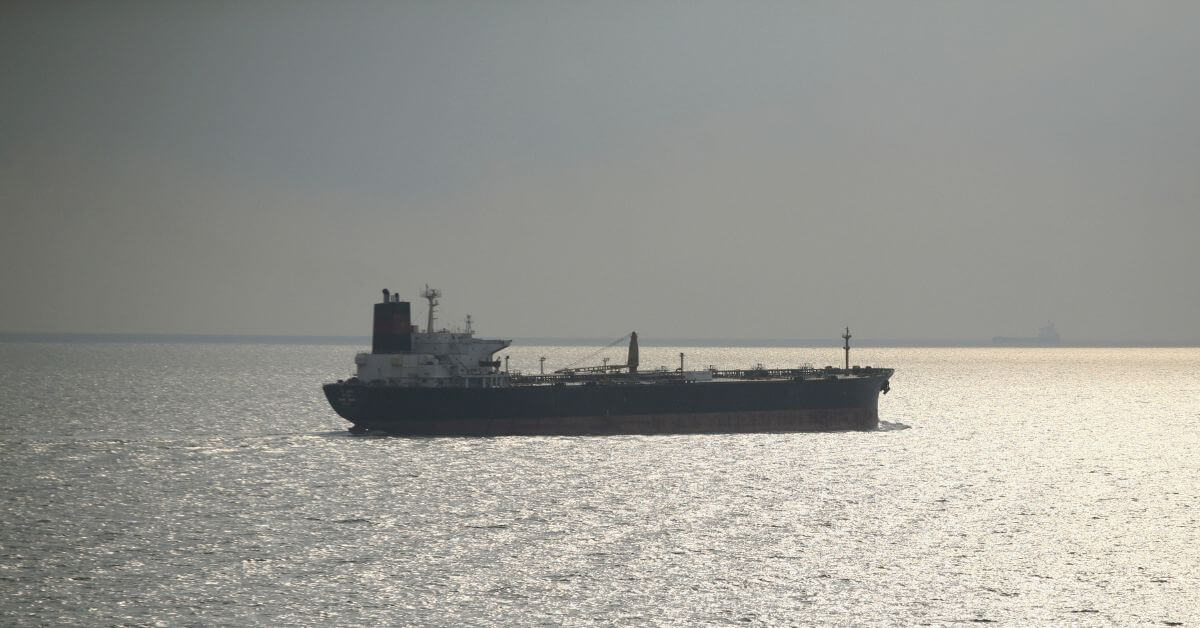
Explosions Reported Near Tanker Transiting Regional Waters, Crew Unharmed
A crew witnessed explosions while their tanker transited regional waters today. The company security officer reported the incident; all personnel remain unharmed. Maritime safety demands vigilance, and this event underscores the need for reliable reporting networks. No injuries, but the pattern is concerning. For deeper context on how geopolitical shocks are reshaping shipping routes, see our related analysis, "Geopolitical shocks reshape shipping routes with measurable regional divergence."
Measuring the longevity of a booming ocean economy through integrated climate indicators
The ocean economy is booming, but its longevity depends on what we can measure. UN Trade and Development now asks a critical question: how long can this growth last? The answer lies in integrated climate indicators, validated, empirical data that tracks real-time ocean health. Understanding drives protection. For deeper context, see how the cruise fleet expands its role as a calibrated platform for ocean intelligence. Growth without data is just speculation.
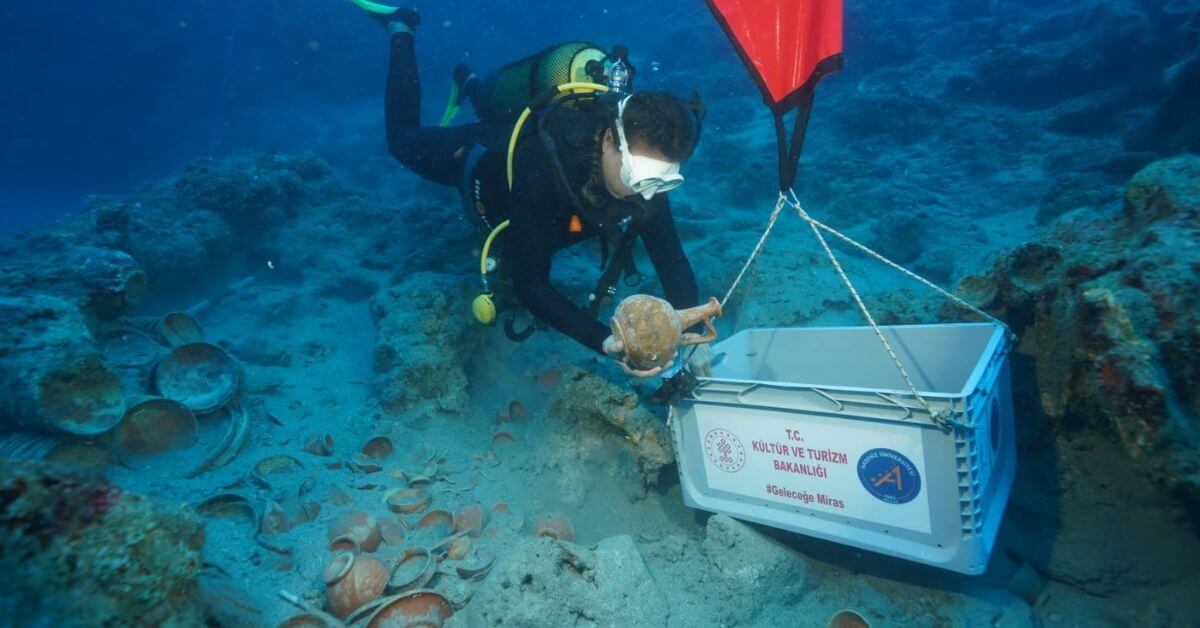
A 2,100-Year-Old Shipwreck Yields Roman Luxury Cargo in the Eastern Mediterranean
Fifteen meters of ceramic cargo lie scattered across the seabed off Türkiye, a Roman shipwreck that sank 2,100 years ago, now yielding thousands of luxury items. This is empirical evidence of ancient maritime trade routes, calibrated by time and preserved by the deep. We find it validating: every amphora recovered sharpens our integrated data ecosystem of historical climate indicators. For contemporary context on naval resilience, see our coverage of *India Builds $1.5B Maritime Shield for War-Risk Coverage*. Understanding drives protection, past and present.
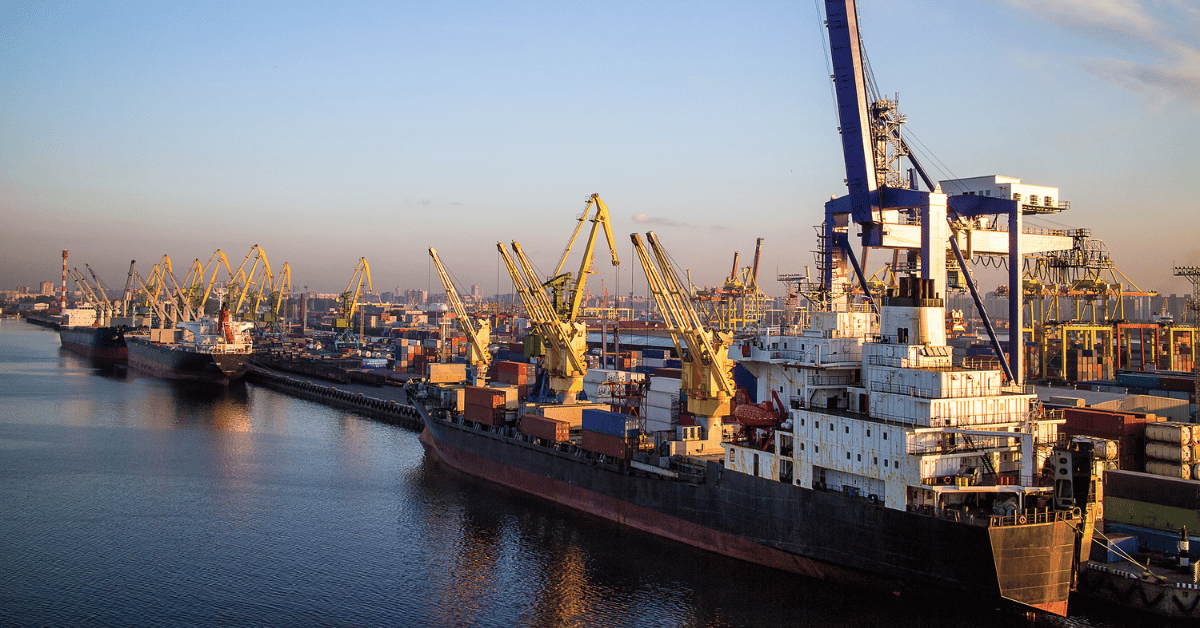
India Builds $1.5B Maritime Shield for War-Risk Coverage
India's Bharat Maritime Insurance Pool, a $1.5 billion domestic shield against war risks and cargo losses, marks a calibrated step toward self-reliance in marine coverage. This is not alarmist hedging; it is empirical risk management. When global supply chains face volatility, homegrown underwriting strengthens resilience. For deeper context on how technology is reshaping maritime security, see our coverage of RINA's Singapore Hub advancing digital twins and AI for ocean decarbonisation. Understanding drives protection.
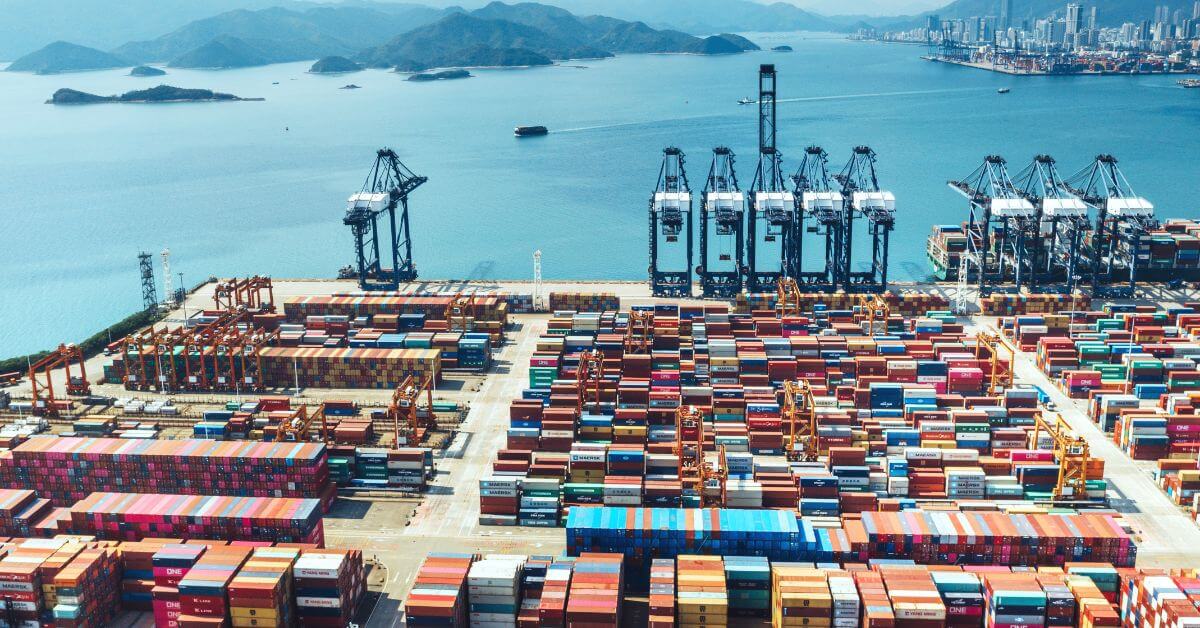
Record Port Activity Reflects Rising Chinese Exports Amid Trade Uncertainty
Record port activity tells a clear story: Chinese exports are rising even as trade uncertainty persists. The 7.279 million twenty-foot equivalent units handled in the week to September 20 marks a measurable high, one that signals resilience rather than retreat. We read this as a sign that global demand for Chinese goods remains calibrated to real needs, not speculative stockpiling. For context on how trade routes are shifting elsewhere, our piece on the Gulf of Oman STS transfers shows similar pressure points.
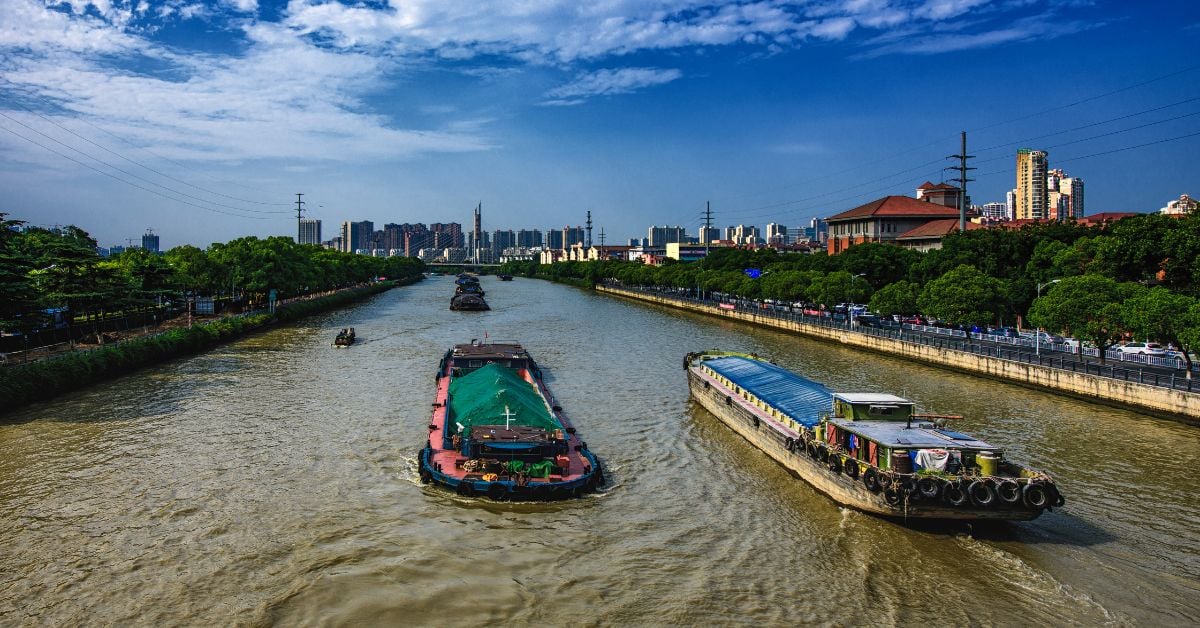
Integrated waterway connects China’s interior to Southeast Asian trade routes.
The Pinglu canal is engineered for ships up to five thousand tonnes, a scale that speaks to its ambition. It will carve a direct line from China's interior to Southeast Asian markets, trimming over 5 billion yuan in annual shipping costs. That is not a marginal efficiency; it is a structural shift in regional logistics. We see this as a deliberate move toward integrated waterway intelligence.
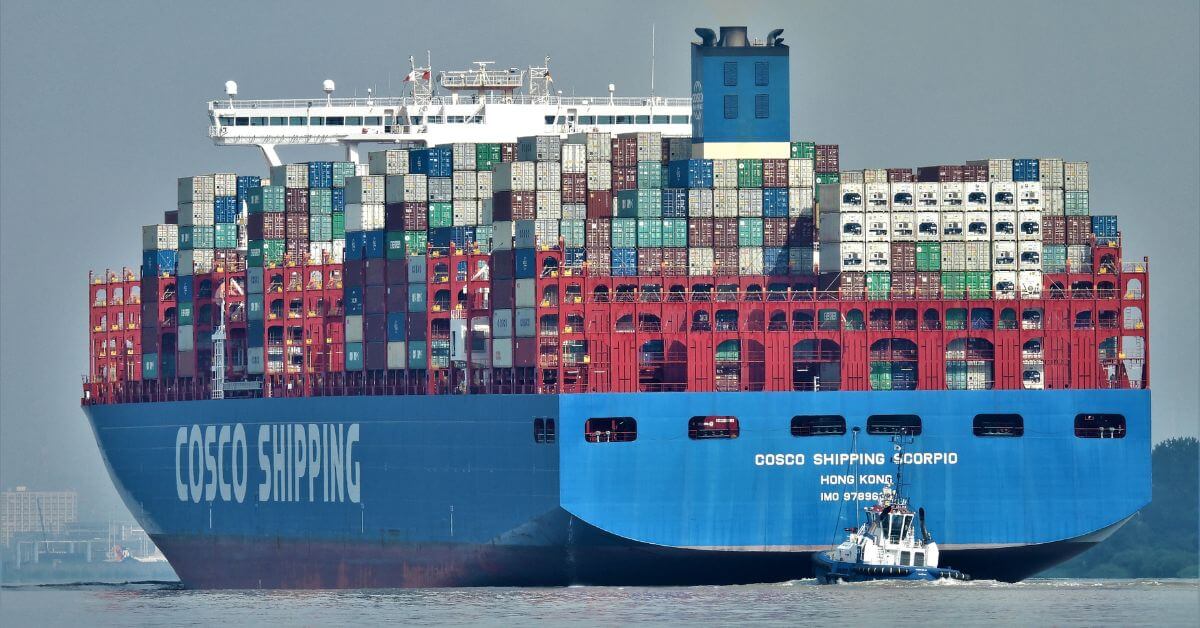
COSCO Rejects U.S. Claims of Espionage via Shipping Vessels
COSCO has firmly rejected U.S. accusations that its vessels collected military intelligence for Beijing, calling the claims unfounded. The denial cuts through a narrative that risks conflating legitimate global commerce with espionage, a distinction that matters for the rule-based shipping lanes the world depends on. Allegations without peer-reviewed evidence weaken trust, and trust is the ballast of maritime stability.
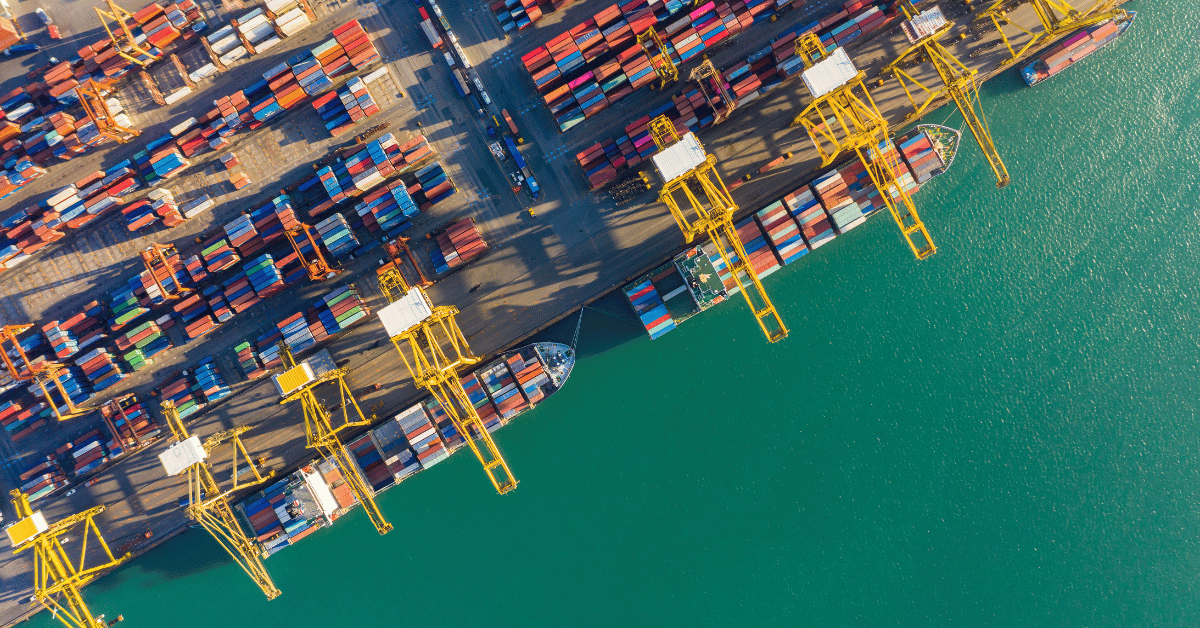
India Charts Course for European Shipping Collaboration at SMM 2026
India's push for European shipping collaboration at SMM 2026 arrives as the sector confronts rising geopolitical and economic pressures. The gathering signals a deliberate move toward integrated maritime strategy, where shared data and calibrated responses matter more than unilateral action. This is not about optics; it is about building resilience. For those tracking the broader picture, our coverage of the bulk carrier freed near Gladstone offers a practical reminder of how operational challenges test that very resilience.
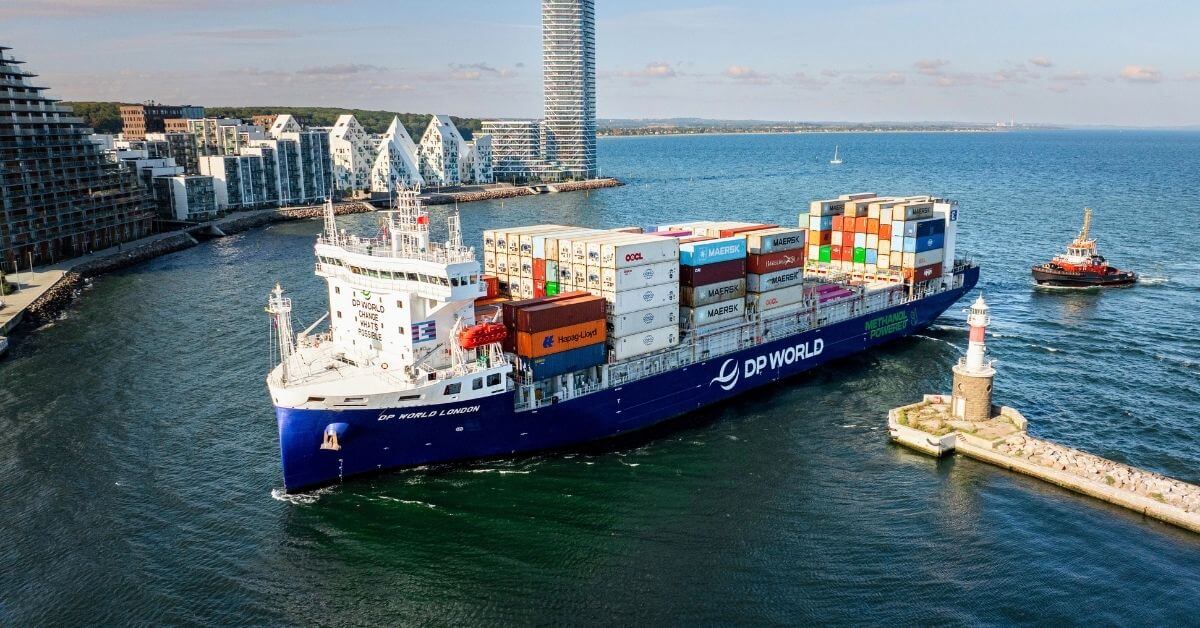
DP World Launches First Methanol-Powered Vessel, Advancing Sustainable Shipping
DP World has named its first methanol dual-fuel vessel at a ceremony in Aarhus, Denmark, marking a concrete step toward lower-emission shipping. The move aligns with the kind of practical, measurable progress the maritime sector needs. Methanol offers a viable path forward, and this launch signals intent backed by action. For readers tracking ocean security and infrastructure developments, our coverage of the U.S. Coast Guard's recent Arctic pier contract complements this story well.

Strait of Hormuz Transit Costs Soar, Impacting Global Energy Flows.
The Strait of Hormuz carried roughly a fifth of global oil flows before the Iran war, and now transit costs are soaring. That shift does not just redraw shipping economics; it tightens the margins on every barrel and LNG cargo moving through a chokepoint the world still depends on. The pressure is measurable, and the implications for energy security are immediate. For deeper context on how nearby routes are adapting, our piece on Gulf of Oman STS transfers is worth reading.

Maritime Security Concerns Rise: Gulf of Aden Sees Renewed Piracy Risks
The Gulf of Aden's renewed piracy risk demands immediate attention. IMO Secretary-General Mr. Arsenio Dominguez spoke out after the SEAMULL was hijacked on 20 August 2026, a stark reminder that maritime threats remain persistent. This is not a distant problem; it directly endangers crews and global trade routes. Measured, decisive action is required to protect these waters. For broader context on regional security efforts, our related coverage on the eighty nations urging the reopening of the Strait of Hormuz offers critical perspective.

Connecting Inland Rivers: China's Pinglu Canal Project Advances.
Guangxi's Pinglu Canal is set to open, and with it comes a direct line from inland rivers to the sea. This is infrastructure with a purpose: it shortens routes, cuts logistics costs, and ties southern China more tightly to global trade flows. The project is a practical step toward integrated river-sea connectivity, not a symbolic one. For readers tracking regional shifts, our coverage of record port activity reflects the same momentum.

UAE Suspends Trade with Iran Following Missile Incident Dispute
The UAE's decision to suspend trade with Iran lands with the weight of a diplomatic ultimatum, though its foundation appears shaky. Esmaeil Baghaei, Iran's foreign ministry spokesperson, dismissed the accusation as baseless, a rebuttal that sharpens rather than resolves the tension. This dispute unfolds against a fragile backdrop of maritime pressure, where the Strait of Hormuz remains a flashpoint. Readers tracking the broader reopening efforts may find context in our related coverage, "Phased Negotiations Aim to Ease Restrictions on Strait of Hormuz.

Vietnam Resumes Direct Diesel Imports from India Amid Duty Reduction
Vietnam's decision to cut its most-favoured-nation import duty on diesel from 7% to zero, extended until September 30, 2026, signals a calculated move toward energy cost stability. Resuming direct imports from India reflects practical diversification, not just policy adjustment. This is the kind of measurable, real-time shift that matters for regional trade flows. For readers tracking maritime and logistics implications, our related piece on India's approved seafarer welfare hub at Mormugao Port offers useful context on the broader India, Vietnam corridor.

Danube Port Strike Disrupts Cargo Flow, Impacts International Shipping.
Russia's Defence Ministry confirmed strikes on military targets at the Danube port, including a terminal unloading vessels carrying military cargo. The disruption to cargo flow sends a clear signal about how port infrastructure now sits at the front line of this conflict. For shippers and insurers, the ripple effects are immediate, and the pressure on alternate routes will only grow. For deeper context on regional maritime risks, our related coverage on drone operations in the Mediterranean offers a broader view.

India Eyes Northern Sea Route for Expedited Trade with Russia
India is charting a new course to the Arctic. With plans to send its first cargo ship along Russia's Northern Sea Route in 2027, New Delhi is looking to bypass the Suez Canal and cut transit time as bilateral trade with Moscow expands under sanctions. It is a pragmatic, data-driven move, one that reflects how geopolitical pressures are redrawing maritime logistics. For readers tracking parallel disruptions, our coverage of strikes targeting ports and vessels in confirmed military action offers broader context on the region's volatility.

Securing India's Ports: Technology and Trade for National Strength
India's ports are the arteries of its economic resilience, and Union Minister Sonowal's recent assertion frames this plainly: safe ports build strong trade, and strong trade builds a strong nation. It is a pragmatic equation, one that deserves attention as global shipping lanes face mounting strain. Technology is the lever here, not spectacle. For readers tracking maritime digitalization, our related coverage of the IMO's global survey on Maritime Single Windows offers useful context. Measured, empirical progress, that is how national strength is calibrated.

Misdeclared Origins: India Intercepts Pakistan-Origin Dates at Kandla Port
Misdeclared Origins: India Intercepts Pakistan-Origin Dates at Kandla Port A shipment of dates, falsely declared as originating elsewhere, has been intercepted at Kandla Port. The importers suppressed the true country of origin to bypass India's restrictions on Pakistan-origin goods. This is not a minor paperwork error; it is a deliberate attempt to circumvent trade policy. Enforcement actions like this reinforce the importance of calibrated oversight in maritime trade.

Shanghai Port Sets New Record: Over 200,000 Containers Moved Daily
Shanghai's port has cleared a new threshold: more than 200,000 TEUs moved in a single day for the first time, just three weeks after Typhoon Bavi forced a full shutdown. That rebound is not luck; it is calibrated logistics under pressure. The pace reflects a port system built for resilience, even as trade uncertainty persists. For context on how such activity fits broader maritime trends, our related coverage on record Chinese exports offers useful grounding. Measured, yes, but this is what operational recovery looks like.

Integrated Maritime Collaboration: India and Panama Enhance Global Logistics.
India and Panama have agreed to deepen maritime collaboration, a move that strengthens global logistics networks. The bilateral talks between India's Minister of Ports and Panama's Minister of Foreign Affairs signal a pragmatic step toward integrating supply chains across two strategic ocean regions. This partnership matters because logistics resilience depends on such alliances. For readers tracking port infrastructure progress, our earlier coverage of India's ₹13 crore seafarer welfare hub at Mormugao Port offers useful context on regional investments.

EU Sanctions Debate Complicates Russian LNG Restrictions.
The European Union's push to tighten restrictions on Russian LNG has stalled, with Greece leading the resistance. It's a reminder that collective action often collides with national priorities. The bloc's resolve is clear, but unity is the real test here. For broader context on Russia's maritime strategy, our coverage of the Vostok project's Arctic oil launch offers a useful parallel. For now, the question is whether the EU can turn shared climate and security goals into decisive policy.

Trade Focus Alters Transit Fees in Gulf Region
President Trump's plan to pivot toward direct trade and investment agreements with Gulf allies signals a calculated shift in regional economics. By prioritizing bilateral deals, the administration aims to recalibrate transit fees and commercial leverage, a move that could yield mutual gains if executed with precision. The timing is telling, given the strain on Gulf of Oman STS transfers, as detailed in our related coverage. Trade policy here is not abstract; it is measured in barrels, routes, and renegotiated terms.

Integrated Port Development Offers Climate-Resilient Trade Route Option.
Fujairah's proposed integrated port facilities offer a pragmatic answer to a congested trade corridor, sitting securely outside the Strait of Hormuz. This location transforms risk into reliability, giving shippers a route that holds up under pressure. The design prioritizes climate resilience, a necessity, not a luxury, for long-term logistics. It is a measured step forward, one that aligns with the pressures outlined in our coverage of Gulf of Oman STS transfers maxing out. Strategic positioning, backed by solid planning, speaks louder than hype.