Taiwan
World Data Ocean keeps Taiwan in one place: 15 stories so far. The section currently leads with “Verifiable outcomes transform aquarium conservation from rescue to real-world impact”, “Orderly chaos: mapping Taiwan's fragmented ocean data governance”, and “99% of global data flows through targeted undersea cables”. Release alone does not demonstrate population-level benefit. Taiwan's oceanographic data management is an orderly chaos, fragmented by multiple databanks operating under their own rules, yet unified in recognizing open data as a public good. A Global Hub for Ocean Intelligence 4 World Data Ocean is a centralized digital platform where researchers, scientists, and ocean enthusiasts converge to… The list below is every Taiwan story on World Data Ocean, newest first.

Verifiable outcomes transform aquarium conservation from rescue to real-world impact
Release alone does not demonstrate population-level benefit. That is the central challenge facing aquarium-based sea turtle rehabilitation, and it deserves sharper scrutiny. Rescue and clinical care remain essential frontline commitments, but verifiable outcomes, transparent dispositions, post-release monitoring, health surveillance, peer-reviewed research, transform conservation from rescue to real-world impact. Taiwan's published work shows how rehabilitation-derived data can support this broader role. An evidence-based framework strengthens institutional accountability. For deeper context on regional data coordination, our related coverage on Taiwan's fragmented ocean data governance offers valuable perspective.
Orderly chaos: mapping Taiwan's fragmented ocean data governance
Taiwan's oceanographic data management is an orderly chaos, fragmented by multiple databanks operating under their own rules, yet unified in recognizing open data as a public good. The UN Ocean Decade now provides momentum, but the question remains whether integrating everything into a single National Ocean Database under the Ocean Affairs Council is economically efficient. Without reward-and-punishment mechanisms, data submission remains voluntary. For deeper context on measurable climate indicators, see our coverage of 2025 Global Surface Temperature Data.
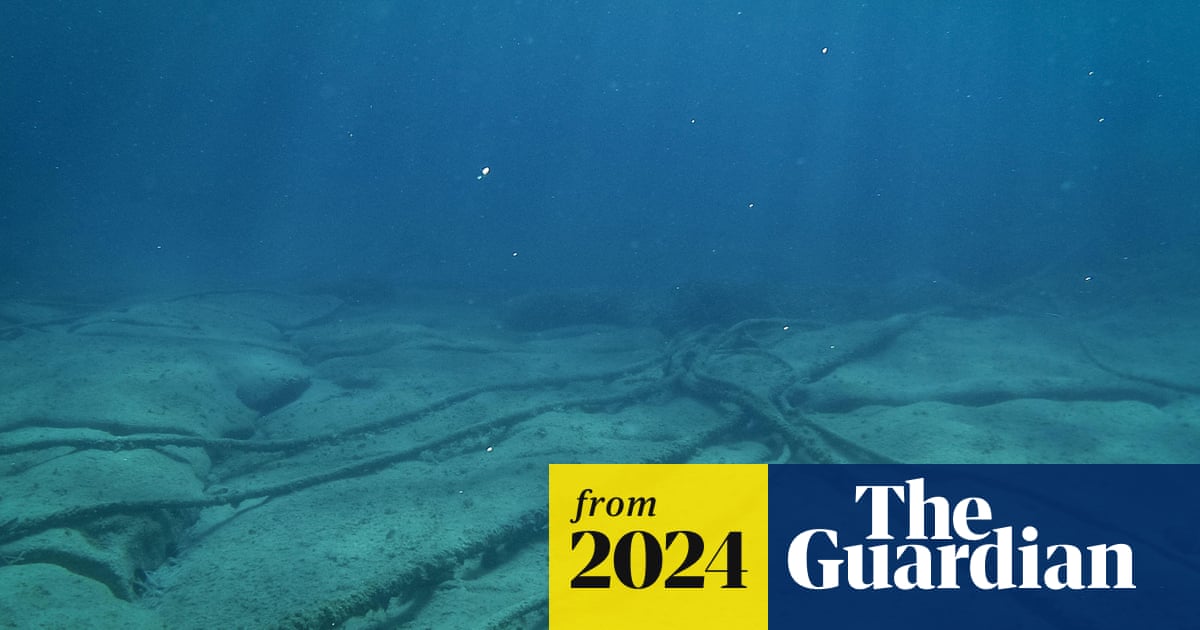
99% of global data flows through targeted undersea cables
Ninety-nine percent of global data flows through a thin web of undersea cables, carrying the world's international telecommunications. These vulnerable lines are drawing nefarious interest. This is not a future risk, it is a present vulnerability. Protecting this infrastructure demands the same rigor we apply to ocean science: validated, real-time monitoring and global collaboration. Our piece on undersea cable competition explores how this challenge tests international data cooperation. Understanding drives protection.
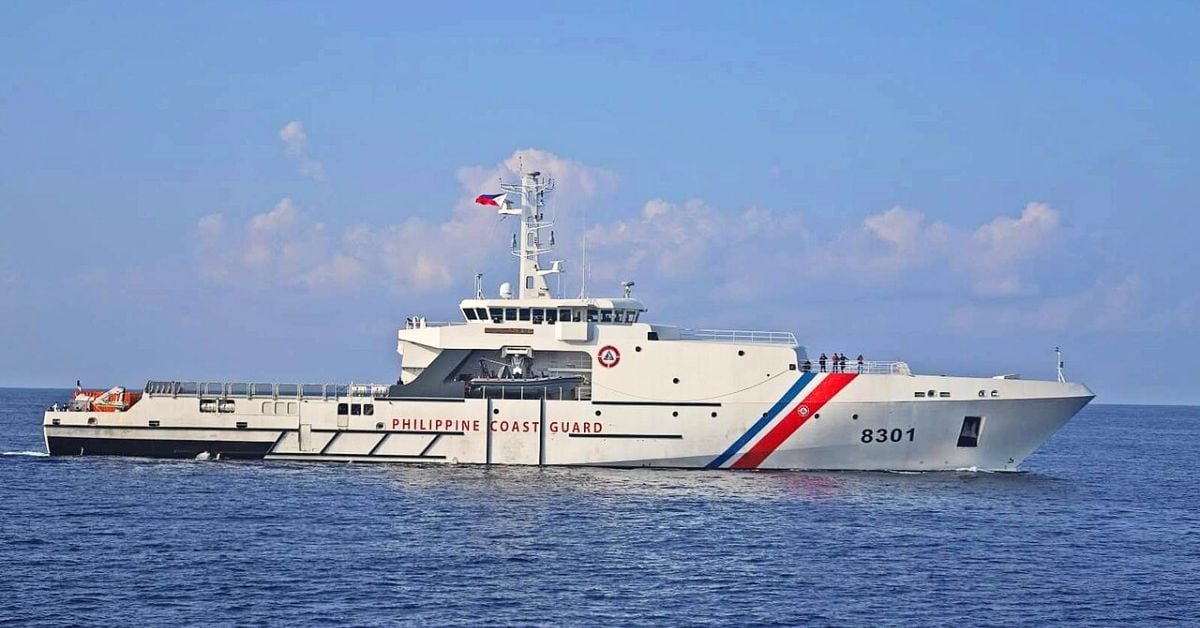
Undersea cable security drives Manila to explore Taipei collaboration
The Philippines is pursuing undersea cable security talks with Taipei, even as Manila maintains its one-China policy. This is pragmatic geopolitics: data infrastructure demands collaboration that sovereignty alone cannot secure. When the physical backbone of global communications reveals its vulnerabilities, as our coverage on that subject details, nations must navigate political constraints to protect shared digital arteries. Validated, measurable threats to ocean intelligence demand equally clear responses, and this Manila-Taipei exploration signals a necessary recalibration.
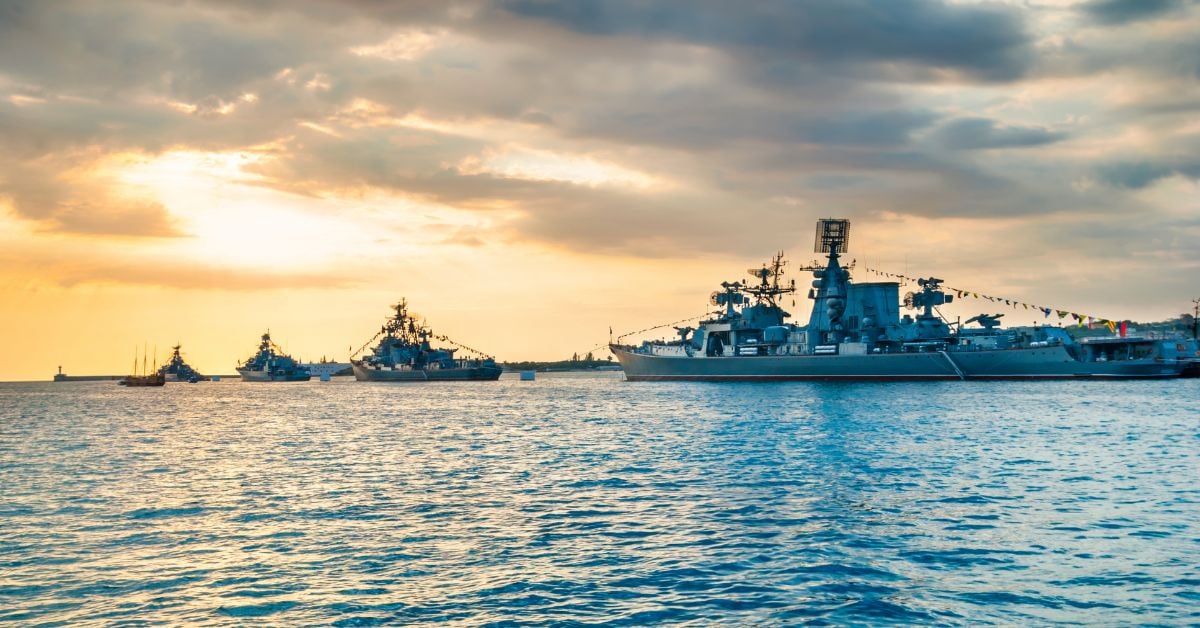
Monitoring Naval Activity in the South China Sea to Ensure Regional Stability
The USS *Charleston*'s presence near Sabina Shoal was met with an immediate Chinese naval response, a calibrated show of monitoring that underscores the fragile balance in the South China Sea. Such real-time tracking is not merely tactical; it reflects a broader pattern of measured deterrence. For context on how naval capabilities are evolving, our coverage of the U.S. Navy's integration of nuclear-capable cruise missiles into Virginia-class submarines offers deeper insight into the strategic stakes beneath these surface-level encounters.
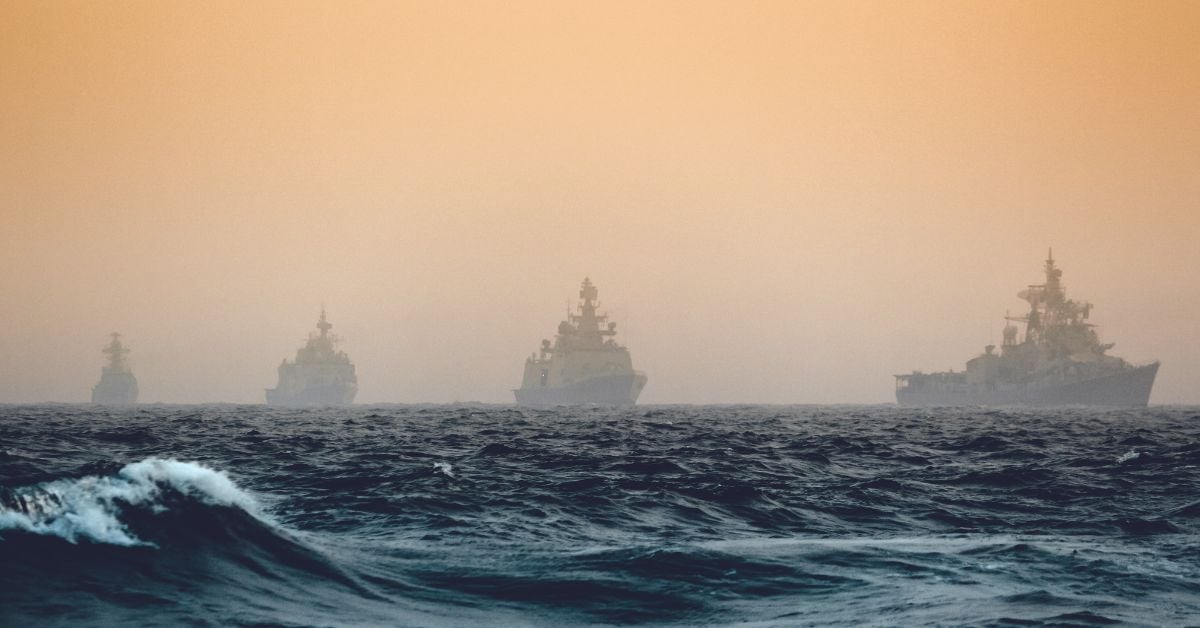
Taiwan's Coast Guard Repels 16 Vessels in Coordinated Maritime Response
Taiwan's Coast Guard intercepted and drove away 16 Chinese vessels engaged in coordinated maritime harassment, a calibrated response that underscores the value of validated, real-time surveillance. Understanding drives protection. For deeper context on Taiwan's evolving maritime capabilities, see our coverage of the V-BAT drone deployment for maritime surveillance. These events together reflect an integrated data ecosystem where empirical monitoring supports purposeful action.
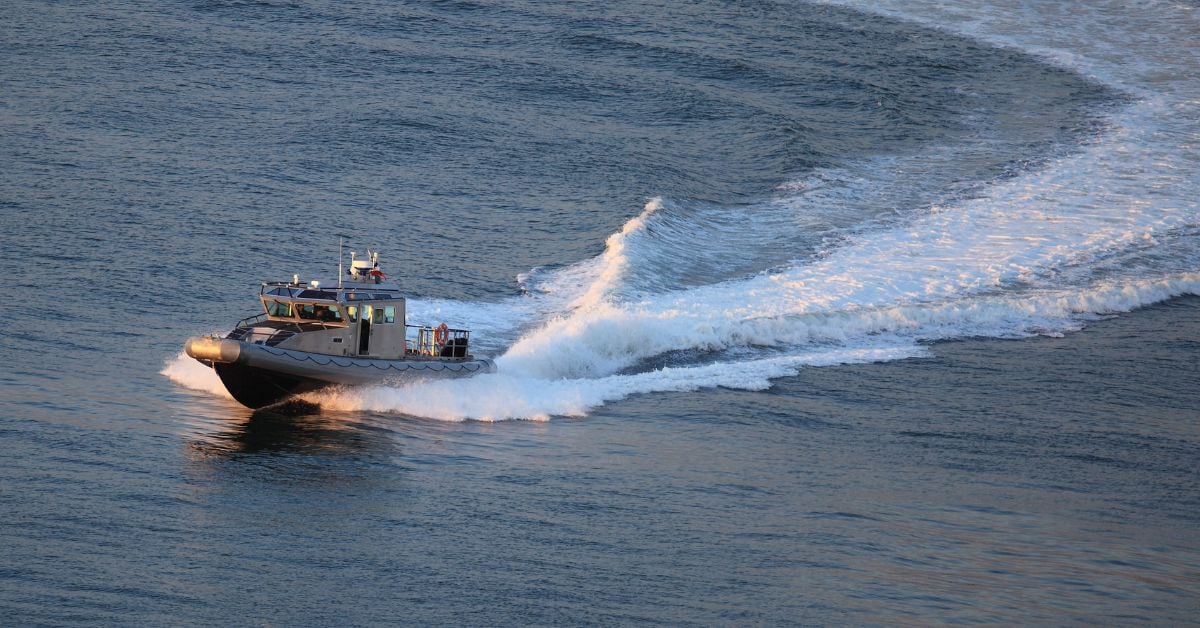
First Sightings of Chinese Militia Vessel Near Taiwan's Eastern Coast
A Chinese militia vessel has been sighted off Taiwan's eastern coast for the first time, accompanied by two other boats. This is a measurable development in a region where empirical data on maritime activity matters. The sighting demands calibrated observation, not alarm. For deeper context on evolving naval capabilities, see our related coverage: "A mothership for underwater drones signals a new era in ocean intelligence." Understanding these movements is essential for integrated ocean security.
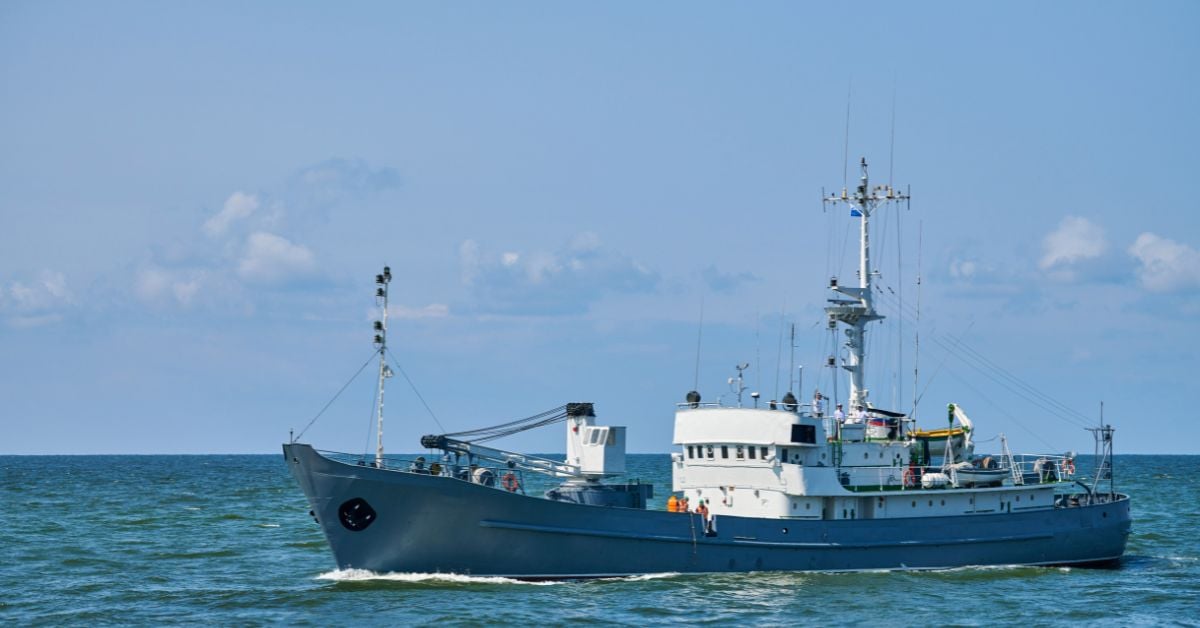
Undersea Cable Integrity Questioned After Reported Location Falsification Incident
A Chinese vessel reportedly falsified its location while operating near undersea cables in Philippine waters. That is not a technical glitch, it is a breach of maritime trust. When vessel identity data becomes unreliable, the integrity of critical infrastructure like undersea cables faces real risk. This incident demands empirical accountability. For further insight into how precise positioning shapes ocean industries, see our related coverage of "Precision at sea advances Asia-Pacific offshore wind by 2029."
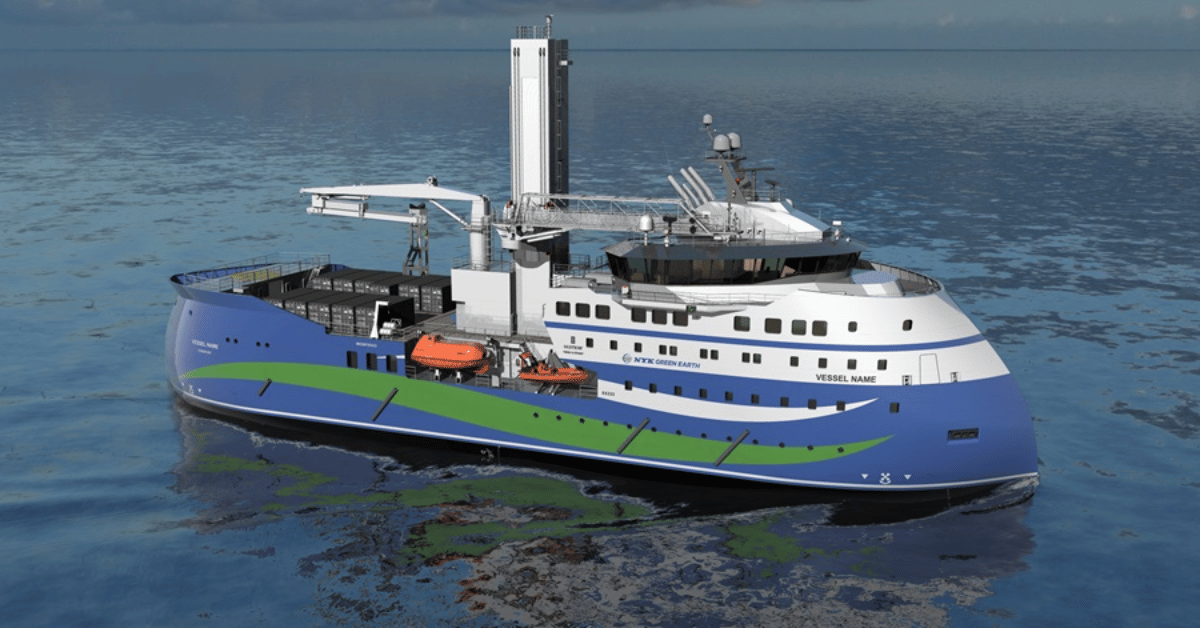
Precision at sea advances Asia-Pacific offshore wind by 2029
A new Service Operation Vessel ordered by NYK will bring precision to Asia-Pacific offshore wind by 2029, supporting projects off Taiwan. This is measured progress, calibrated investment in the vessels and data systems needed to build reliable ocean energy infrastructure. Understanding drives protection, and real-time operational intelligence at sea validates that commitment. For deeper context on regional maritime stakes, see our coverage of the recent Taiwanese supersonic missile exercise.
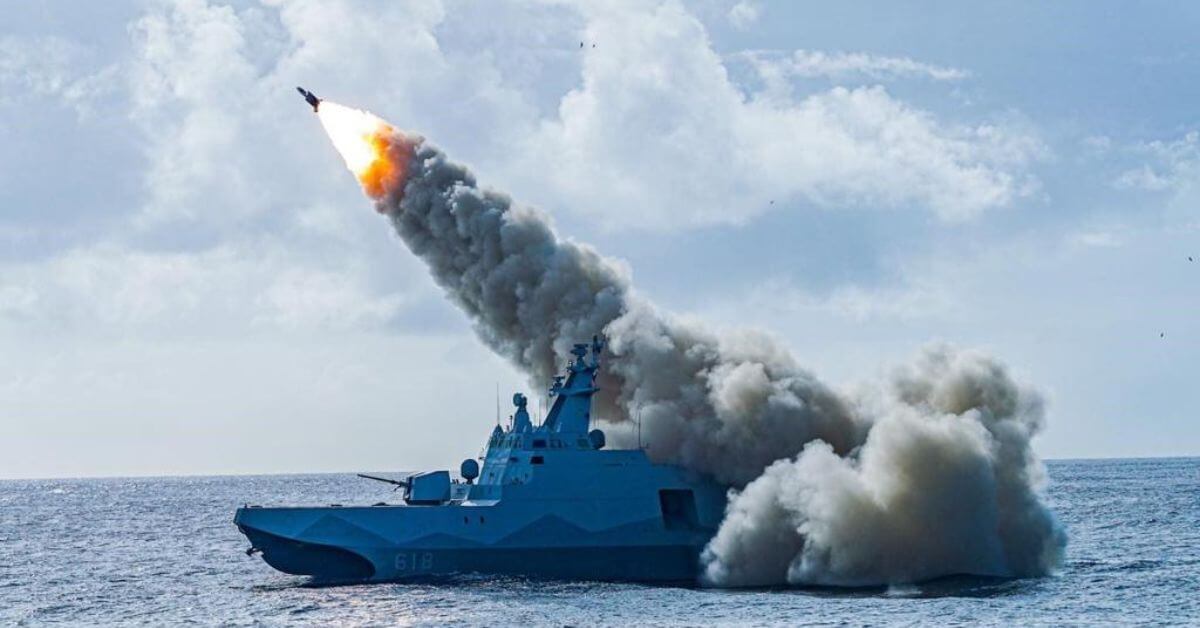
Taiwanian Exercise Validates Supersonic Missile Capability Against Naval Target
On September 18, Taiwan sank a decommissioned navy frigate with anti-ship missiles during a three-day exercise in Pingtung, validating supersonic missile capability against naval targets. The precision speaks to measurable progress in defense readiness, a point worth watching closely. Regional maritime activity remains a live thread, as seen in our coverage of New Zealand vessels transiting the Taiwan Strait en route to a Philippines exercise. These events underscore a shared focus on security, though each story stands on its own facts.
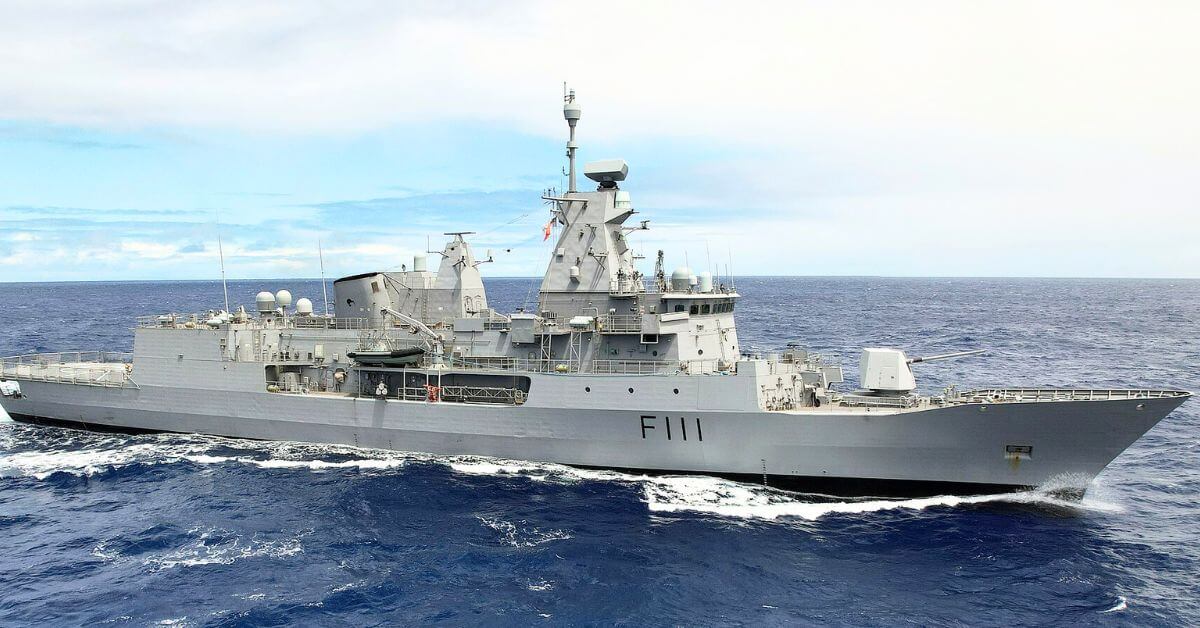
New Zealand Vessels Traverse Taiwan Strait En Route to Philippines Exercise
Two New Zealand naval vessels transited the Taiwan Strait on Sept. 18, bound for a joint exercise with the Philippines. The move signals a quiet but deliberate expansion of maritime collaboration across the Indo-Pacific, one that prioritizes operational presence over provocation. For those tracking the region's shifting security architecture, this passage is a measured data point, not a headline. It complements our coverage of integrated subsea infrastructure shifting toward the Indian Ocean, where strategic connections are being redrawn.

Taiwan Wind Farm Turbine Incident Highlights Offshore Reliability Challenges
A 14 MW turbine at Orsted's Greater Changhua 4 wind farm halted operations before catching fire, a sequence that underscores the unforgiving nature of offshore maintenance. Reliability, not just capacity, defines progress in this sector. When a machine fails in a marine environment, the response time and root-cause analysis become as critical as the initial engineering. This incident is a measured reminder that operational resilience lags behind turbine size.

Hypersonic Advances: China's Missile Capabilities and Taiwan Strait Implications
Beijing's latest test of the YJ-20 hypersonic anti-ship missile from a Type 052D destroyer's vertical launch system signals a calibrated step in maritime strike capability. The platform's integration into a surface combatant extends reach into the Taiwan Strait's contested waters, where measured escalation carries weight. This is not alarmism; it is empirical observation of force modernization. For broader context on regional logistics and connectivity shifts, our piece on record port activity reflects the economic currents running parallel to these military developments.

Naval Drills Near Taiwan Prompt Condemnation from Taipei
Taipei has condemned China's plan to stage naval drills with an Indonesian warship off the island's east coast, a move that sharpens an already tense maritime posture. The exercises signal Beijing's willingness to project force in contested waters, and that warrants a measured, empirical response from regional partners. For readers tracking how such maneuvers intersect with broader logistics, our related piece on Gulf of Oman STS transfers offers useful context on parallel pressures.
MPA Governance: Balancing Conservation and Blue Economies in Island Nations
Marine protected areas in island nations often promise more than they deliver. Fiji, Palau, and Taiwan's marine governance system each show that designating ocean space is not the same as governing it effectively. The real variable is institutional coherence: whether fisheries, maritime industries, and conservation speak to each other across agencies and levels. Coverage alone falls short. Governance alignment, not area size, determines whether MPAs support climate-resilient blue economies. For those tracking enforcement and monitoring gaps, the lessons here are practical.