ship design
11 stories filed under ship design on World Data Ocean. The newest of them: “Predicting maritime ammonia leaks through a validated digital twin system”, “Steel cut for first unified dry cargo vessel in Russia's new fleet platform”, and “Cochin Shipyard Expands Design Capabilities with Conoship Equity Stake”. A validated digital twin now targets ammonia leaks at sea. Steel has been cut for the lead KSD1 dry cargo vessel at the Krasnoye Sormovo shipyard, marking the first unified hull in Russia's new fleet platform. A Global Hub for Ocean Intelligence 4 World Data Ocean is a centralized digital platform where researchers, scientists, and ocean enthusiasts converge to… The list below is every ship design story on World Data Ocean, newest first.
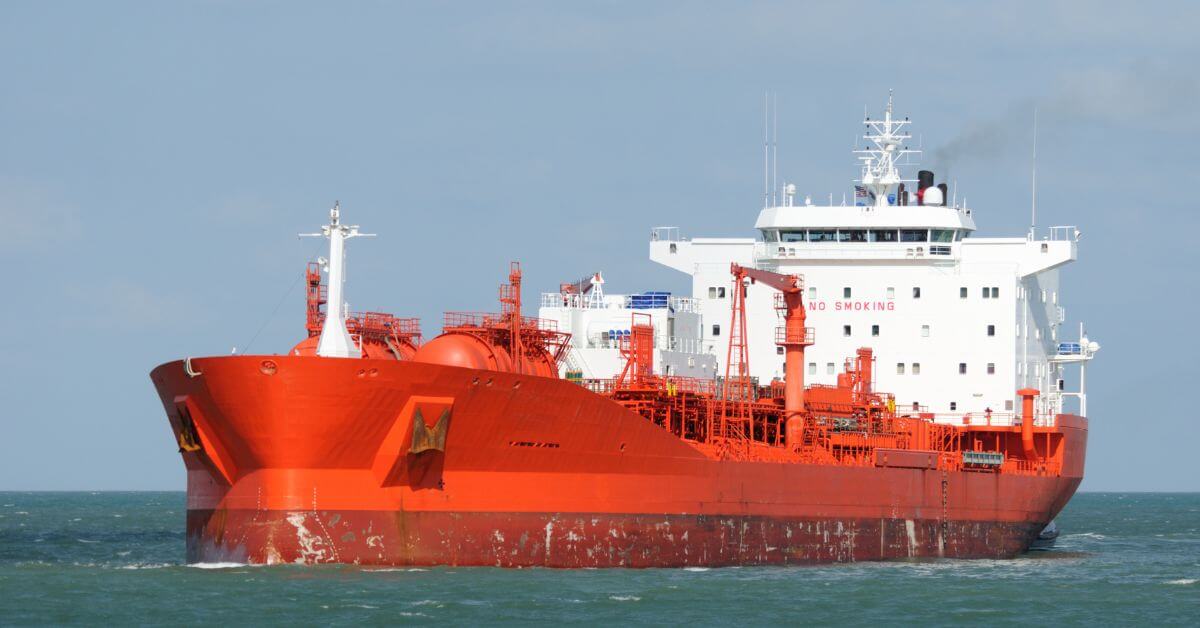
Predicting maritime ammonia leaks through a validated digital twin system
A validated digital twin now targets ammonia leaks at sea. The American Bureau of Shipping, HD Korea Shipbuilding & Offshore Engineering and Siemens are building a system that turns predictive modeling into a measurable safety layer for maritime operations. This is not theoretical. Empirical, real-time validation is what makes a digital twin useful. For related context on how vessels already gather ocean intelligence, see "Cruise fleet expands its role as a calibrated platform for ocean intelligence."
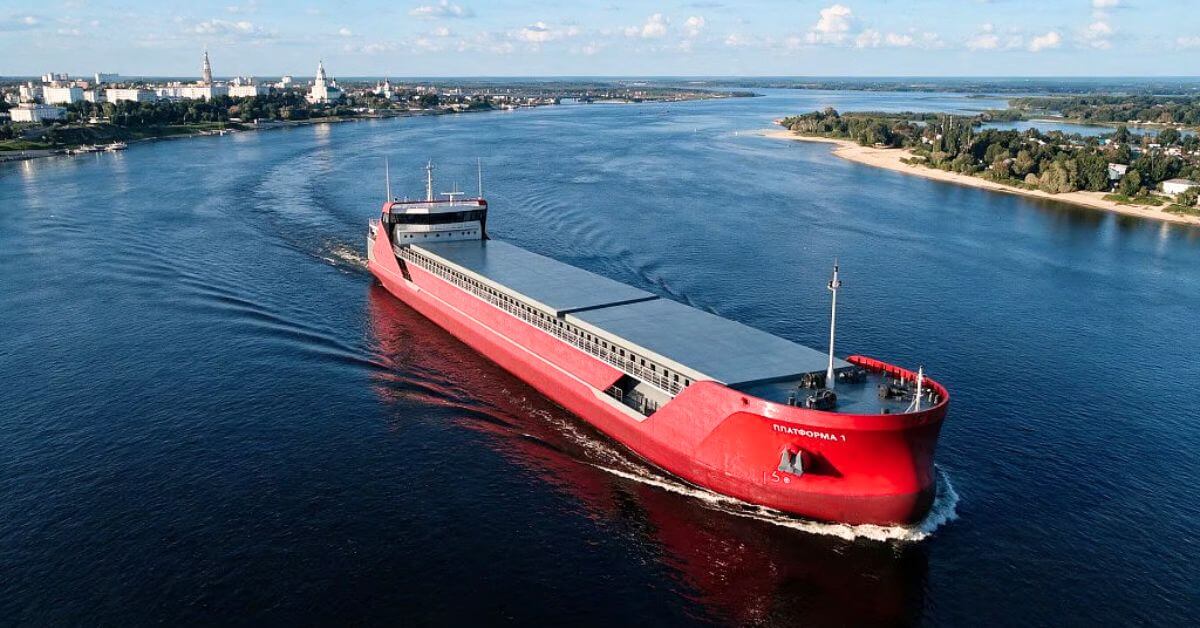
Steel cut for first unified dry cargo vessel in Russia's new fleet platform
Steel has been cut for the lead KSD1 dry cargo vessel at the Krasnoye Sormovo shipyard, marking the first unified hull in Russia's new fleet platform. This is a measured step in industrial continuity, not a headline grabber. The vessel's construction proceeds alongside broader maritime tensions. Readers tracking disruption in the Black Sea may find our coverage of the captain charged over Ukrainian grain instructive, the two stories belong to the same complex seascape. Understanding drives protection.
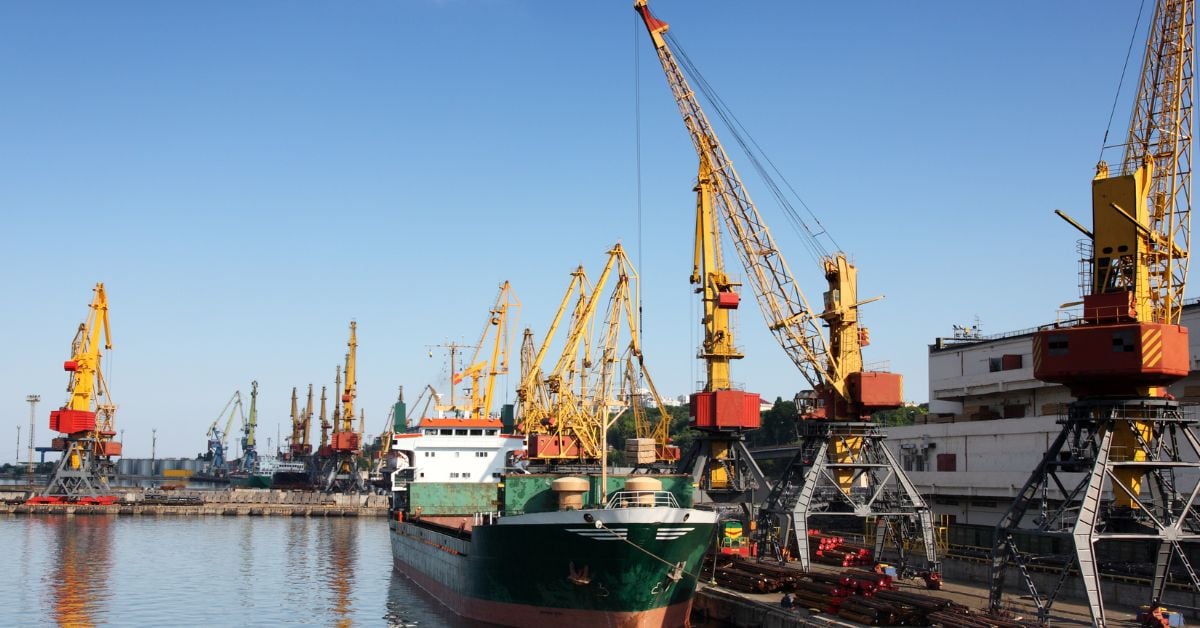
Cochin Shipyard Expands Design Capabilities with Conoship Equity Stake
Cochin Shipyard Limited is acquiring a 23% stake in Conoship International Holding BV, a Dutch ship design and engineering firm. The move signals a deliberate step toward strengthening in-house design capabilities rather than relying solely on external expertise. It is a measured, strategic investment, one that aligns with the yard's long-term ambitions in a competitive global market. Such integration of Dutch engineering knowledge could yield tangible gains in vessel innovation.
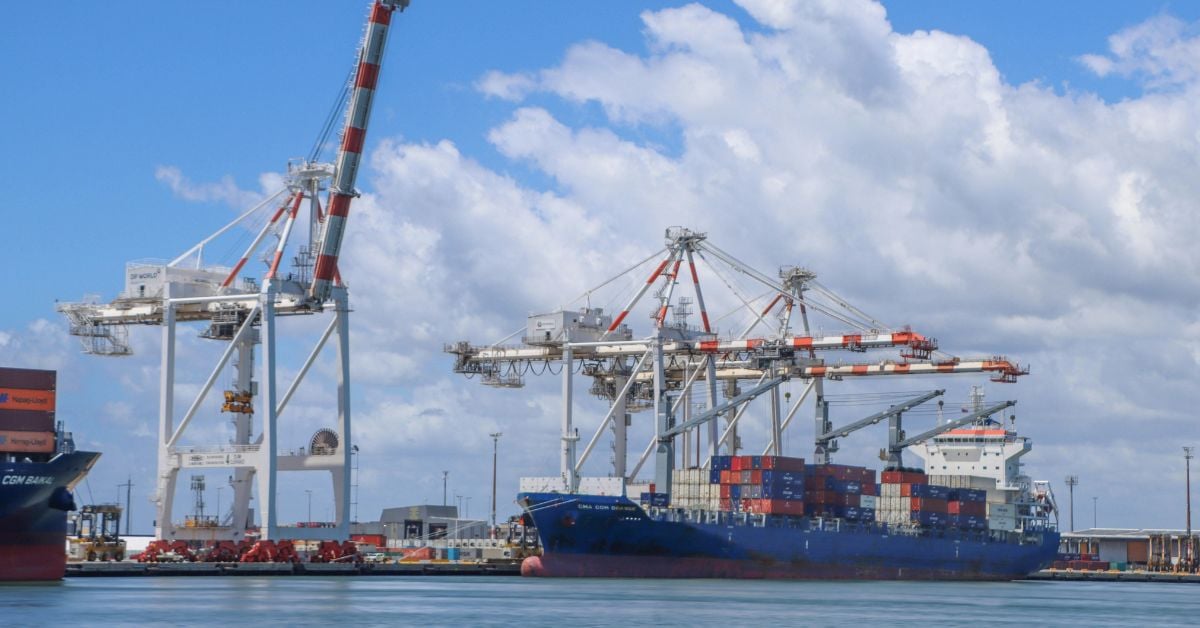
Collaborative Shipbuilding: India and Germany Advance Ocean Research Capabilities
India's Buoyancy Consultants has signed a maritime pact with Germany's Neptune Ship Design GmbH to deliver specialised container, passenger, and research vessels. This collaboration pairs Indian shipbuilding capability with German engineering precision, a combination that speaks directly to the need for measurable progress in ocean research infrastructure. It is a practical step forward, not a symbolic one. For those tracking how national capabilities expand, this is worth watching.
AI-Powered Vessel Design Integrates Ocean Data for Enhanced Efficiency
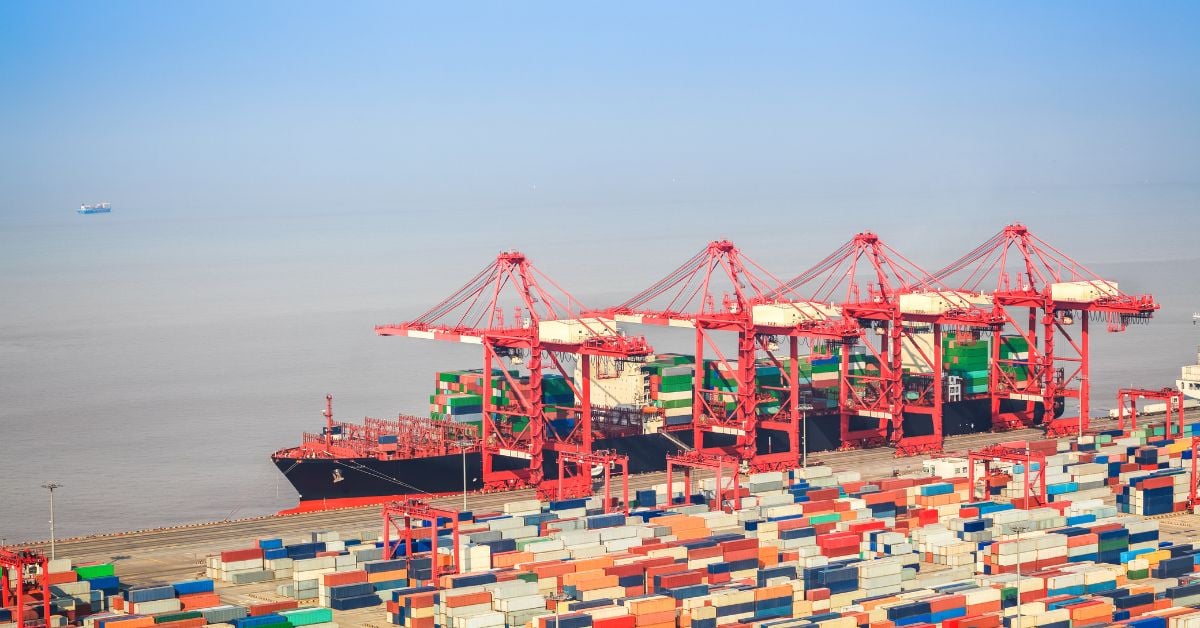
At SMM 2026 in Hamburg, Shanghai Merchant Ship Design, CMA CGM, and Bureau Veritas signed a contract to integrate ocean data directly into vessel design. This is not a small step; it is a calibrated move toward measurable efficiency. Pairing validated, real-time climate indicators with empirical engineering gives the industry a clearer path forward. For readers tracking maritime logistics, our coverage of the Strait of Hormuz shipping lane dispute offers useful context on why such efficiency matters now.
Optimized Ship Design: Numerical Tools Accelerate Sustainable Vessel Development
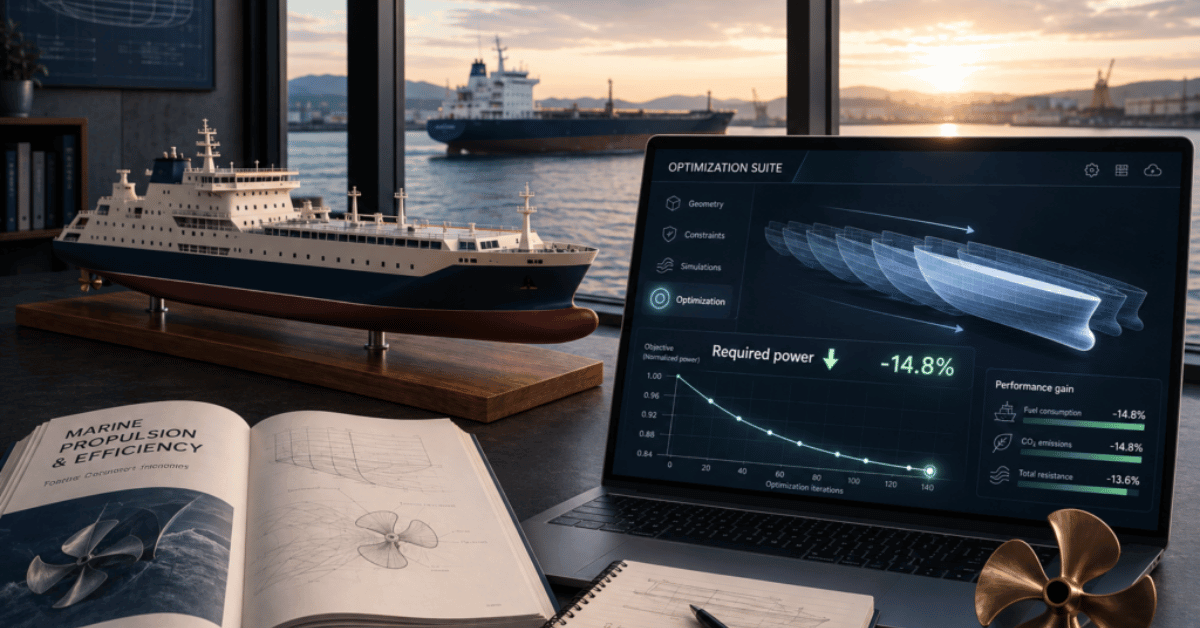
Numerical optimisation is reshaping how vessels are designed, and Deltamarin's expanded toolbox reflects that shift. By integrating simulation-driven methods into early-stage development, the company is targeting measurable efficiency gains rather than relying on incremental tweaks. It is a practical step toward lower emissions, grounded in engineering rigour. For broader context on how shipyards are strengthening design capabilities, our recent piece on Cochin Shipyard's stake in Conoship offers a useful parallel. The push for sustainable shipping is becoming a design discipline, not just a regulatory one.

Battery-Powered Cargo Ship Charts Course for Zero-Emission Shortsea Routes
Battery-powered cargo ships are no longer a concept for the distant future. Conoship has charted a practical course toward zero-emission shortsea routes, citing Scandinavian fjord conditions and designated emission-control areas as prime starting points. This is the kind of applied innovation that moves the industry forward: measurable, route-specific, and grounded in real operational constraints. It is a focused step toward cleaner seas, and we are watching closely. For more on Conoship's expanding influence in maritime design, see our piece on Cochin Shipyard's recent equity stake.

India Prioritizes Domestic Yards in $720 Million Shipbuilding Initiative
India's $720 million shipbuilding initiative puts domestic yards first through a Right of First Refusal process, a practical move toward self-reliance. We see this as a calibrated step that strengthens local industrial capacity while keeping procurement transparent. It pairs well with our earlier coverage of Synergy Marine Group and Cochin Shipyard's collaborative shipbuilding MoU, which signals momentum in India's maritime sector. Prioritizing homegrown capability is measurable progress, and we'll be watching how this shapes regional shipbuilding resilience.

Forging Ahead: Korean Shipbuilders Strengthen US Partnerships Through New Projects
The opening of the Korea-U.S. Shipbuilding Partnership Center brings with it a clear signal: Hanwha Ocean, HD Hyundai, and SHI are formalizing their transatlantic commitments through new projects. This is practical diplomacy, measured in keels laid and contracts signed. The move reinforces a shared industrial base, one built on validated capability rather than promise. For readers tracking maritime security and supply chain resilience, this is a development worth watching closely.

AI-Driven Design: CSSC Advances Ship Engineering with Integrated Models
Ship engineers spend far too much time chasing documents across design systems. CSSC's new AI-driven approach changes that calculus, integrating models to bring technical data and design information into a single, coherent workflow. It is a practical step toward efficiency, not a flashy promise. For readers tracking how engineering and digital tools converge, our piece on Cochin Shipyard's recent design expansion offers a useful parallel. This is how shipbuilding gets smarter, one validated process at a time.

Hydrogen Propulsion Advances Inland Shipping on China’s Rivers
China's inland shipping is entering a cleaner chapter with the launch of Yun Tao No. 1, the nation's largest hydrogen-powered cargo vessel. At 2,000 tons with a 760 km range, this ship is built for the Yangtze and Pearl River corridors, where practical decarbonization matters most. Hydrogen propulsion at this scale signals measurable progress, not just promise. For readers tracking parallel advances, our coverage of ammonia bunkering milestones offers useful context on how alternative fuels are reshaping maritime logistics.