security
13 stories filed under security on World Data Ocean. The newest of them: “Mapping the global nuclear arsenal: validated data on sovereign stockpiles”, “Projectiles Strike Two Tankers Near Strait of Hormuz, UKMTO Reports”, and “6,000-nautical-mile delivery signals a new chapter for ocean-going vessel”. Nine countries hold nearly all the world's nuclear weapons, and the validated data on sovereign stockpiles reveals a stark concentration of power. Projectiles striking two tankers near the Strait of Hormuz, as reported by UKMTO, underscore the persistent volatility in this critical maritime corridor. A Global Hub for Ocean Intelligence 4 World Data Ocean is a centralized digital platform where researchers, scientists, and ocean enthusiasts converge to… The list below is every security story on World Data Ocean, newest first.
Mapping the global nuclear arsenal: validated data on sovereign stockpiles
Nine countries hold nearly all the world's nuclear weapons, and the validated data on sovereign stockpiles reveals a stark concentration of power. These arsenals are measurable, empirical facts of global security, not abstract threats. Understanding the precise numbers is a form of ocean intelligence for the geopolitical realm. For a parallel in how validated data reshapes our understanding of long-term human behavior, see our related piece on the "Centuries of empirical data reveal a measurable decline in global homicide rates."
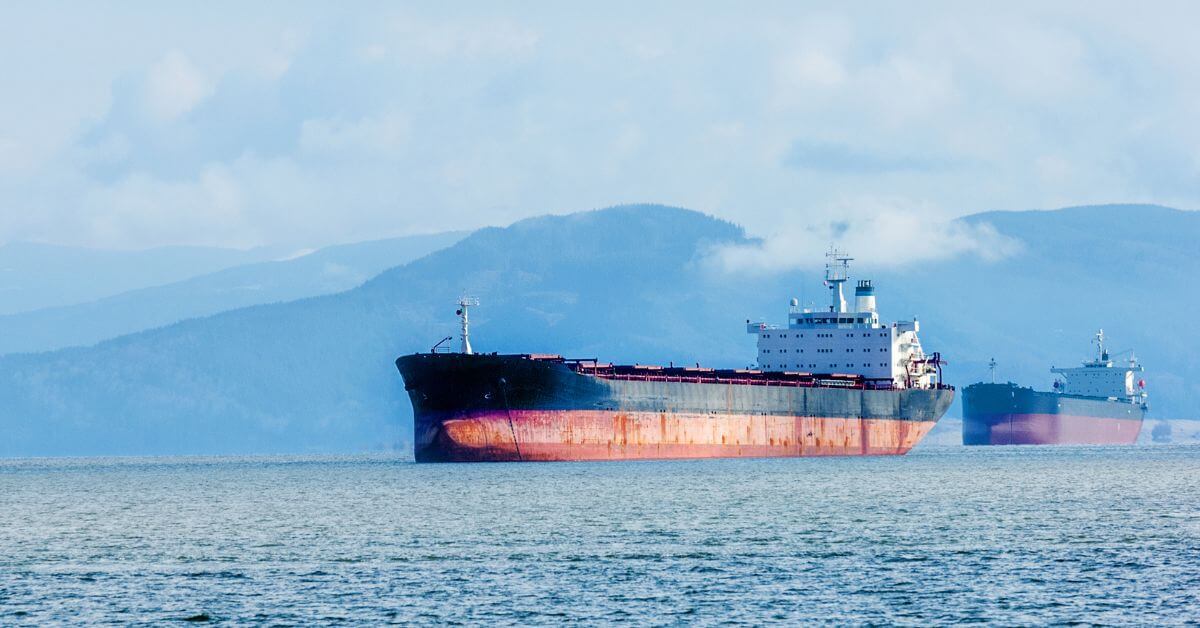
Projectiles Strike Two Tankers Near Strait of Hormuz, UKMTO Reports
Projectiles striking two tankers near the Strait of Hormuz, as reported by UKMTO, underscore the persistent volatility in this critical maritime corridor. Such direct threats to commercial vessels demand rigorous, real-time monitoring and collaborative security frameworks. The incident follows a similar disruption at Yanbu Port, where an unidentified projectile ignited a fire, highlighting a troubling pattern. Understanding these empirical threats is the first step toward developing calibrated responses that protect global shipping and ocean intelligence.

6,000-nautical-mile delivery signals a new chapter for ocean-going vessel
A 6,000-nautical-mile delivery is not merely a transit; it is a statement of capability. Azurine's completion of this voyage with a 909 GT catamaran from Thailand to Turkey, now entering a major transformation, validates the growing reach of efficient ocean transport. This measured achievement aligns with the urgent need for safer global shipping, readers may find our coverage of the *New Coalition Charts Measurable Course for Safer Global Shipping* a timely companion to this story.
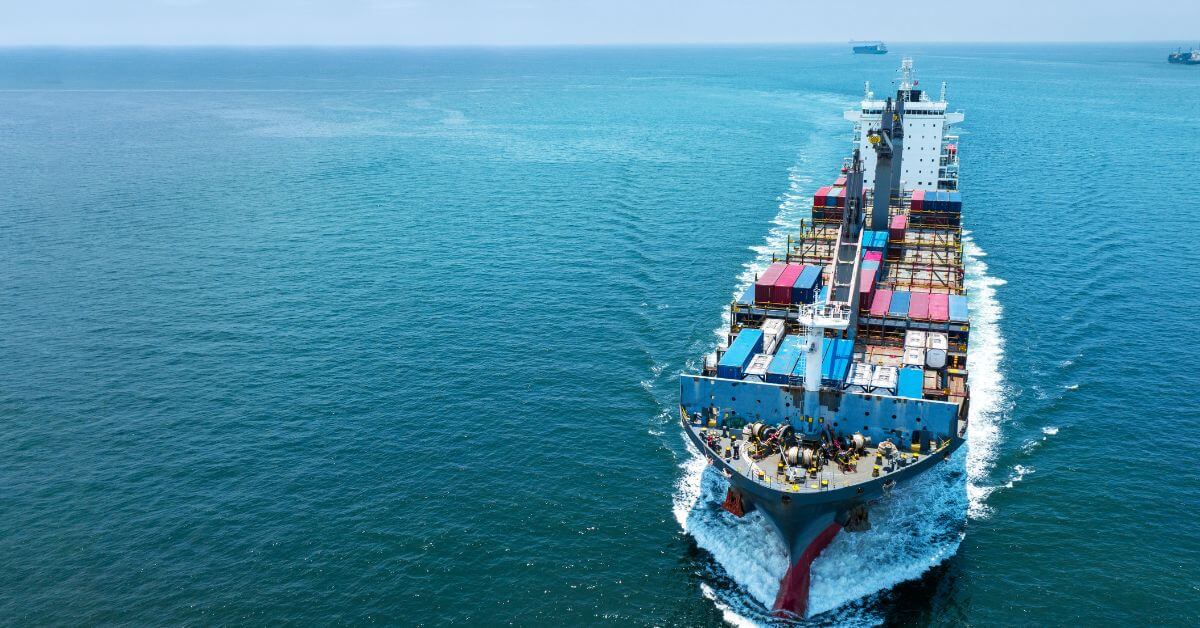
New Coalition Charts Measurable Course for Safer Global Shipping
At the UN headquarters in New York, a new coalition of nations, the Group of Friends on Safety and Security of Shipping and Seafarers, has launched. This is not abstract diplomacy. It is a coordinated, measurable effort to protect the people and routes that move 90% of global trade. We track climate indicators rigorously; we should apply the same empirical standard to maritime safety. For deeper context on how ocean transit intersects with emissions, see our related piece on measured food transport data.
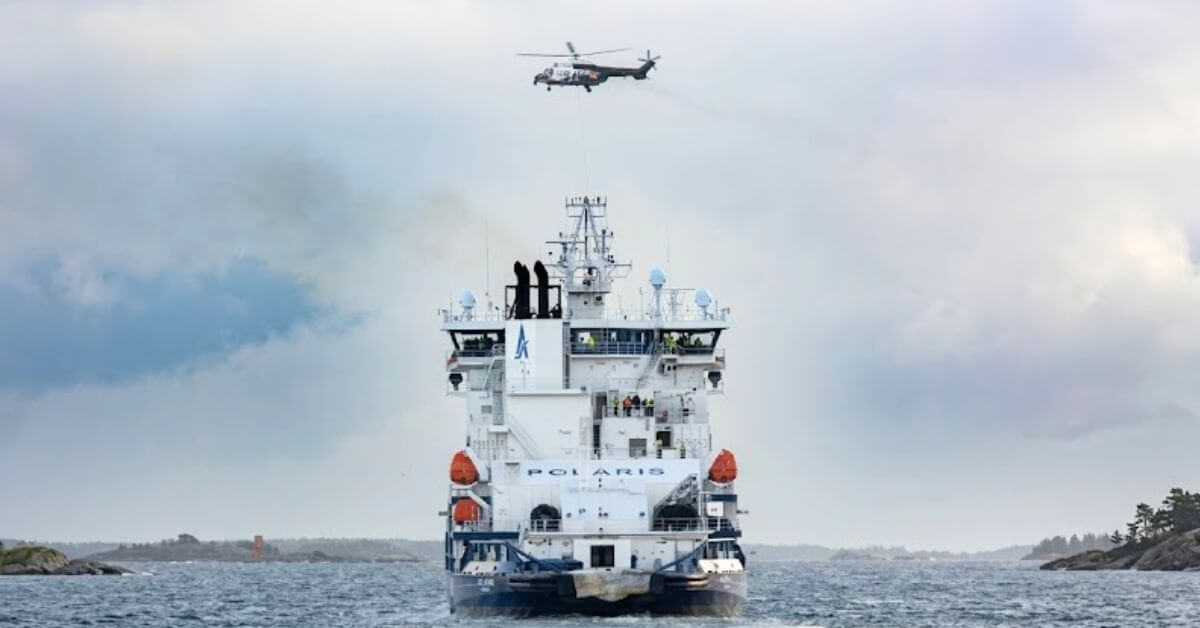
Protecting Baltic Cables: Finland Enhances Response to Underwater Infrastructure Threats
Finland's response to suspected underwater infrastructure damage is tightening, and rightly so. The incidents involving Baltic cables have pushed officials to sharpen their procedures for assessing vessels that may pose a threat. This is measured, practical progress. Protecting the data routes that carry nearly all transoceanic traffic is not optional. For readers tracking related risks, our coverage of the bulk carrier grounding near Gladstone offers another reminder of how vulnerable maritime chokepoints remain.
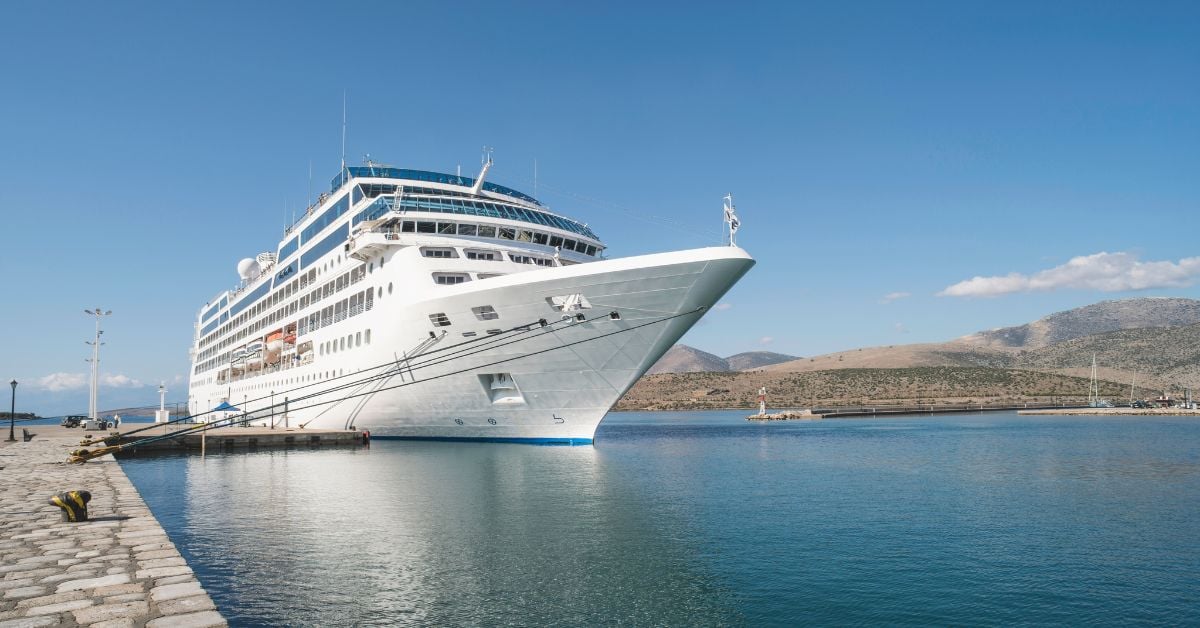
Nagoya 2026 Asian Games: Cruise Ship to Host Athlete Village
Japan has selected a cruise ship to house athletes for the 2026 Asian Games, opening in Nagoya on September 19. The decision reflects a practical, forward-looking approach to large-scale event logistics, one that prioritizes adaptability without sacrificing comfort. It is a measured solution, and we respect the operational clarity behind it. For more on maritime challenges, see our coverage of the cargo ship fire near Mykonos. Understanding these systems, from port to open water, is essential to building resilient infrastructure.
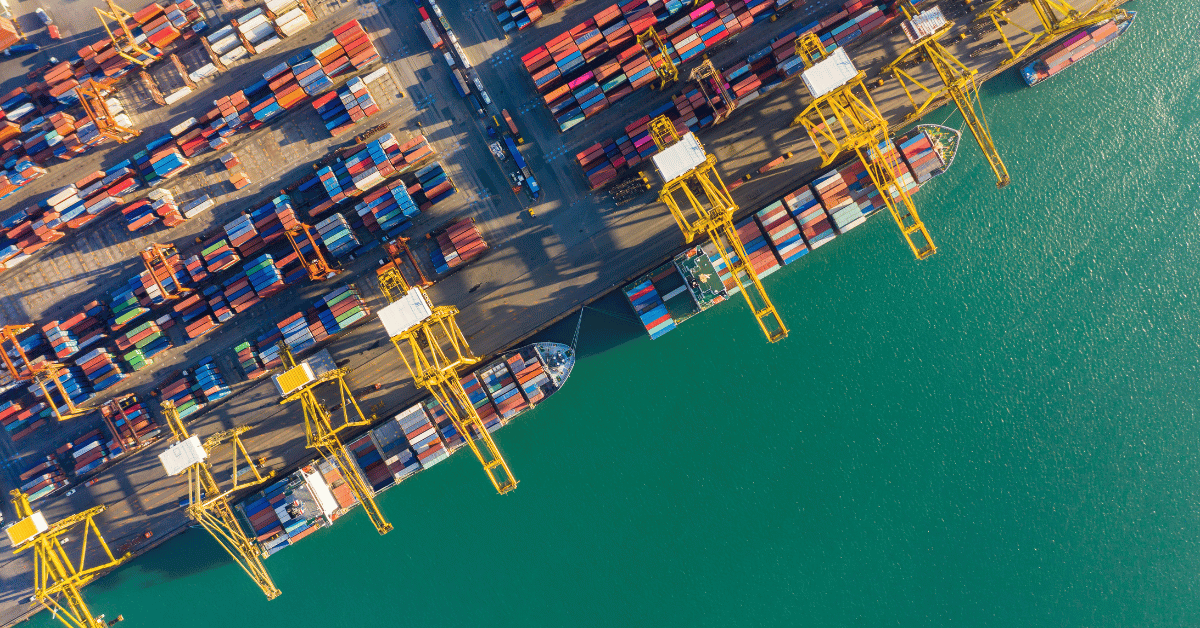
India Charts Course for European Shipping Collaboration at SMM 2026
India's push for European shipping collaboration at SMM 2026 arrives as the sector confronts rising geopolitical and economic pressures. The gathering signals a deliberate move toward integrated maritime strategy, where shared data and calibrated responses matter more than unilateral action. This is not about optics; it is about building resilience. For those tracking the broader picture, our coverage of the bulk carrier freed near Gladstone offers a practical reminder of how operational challenges test that very resilience.
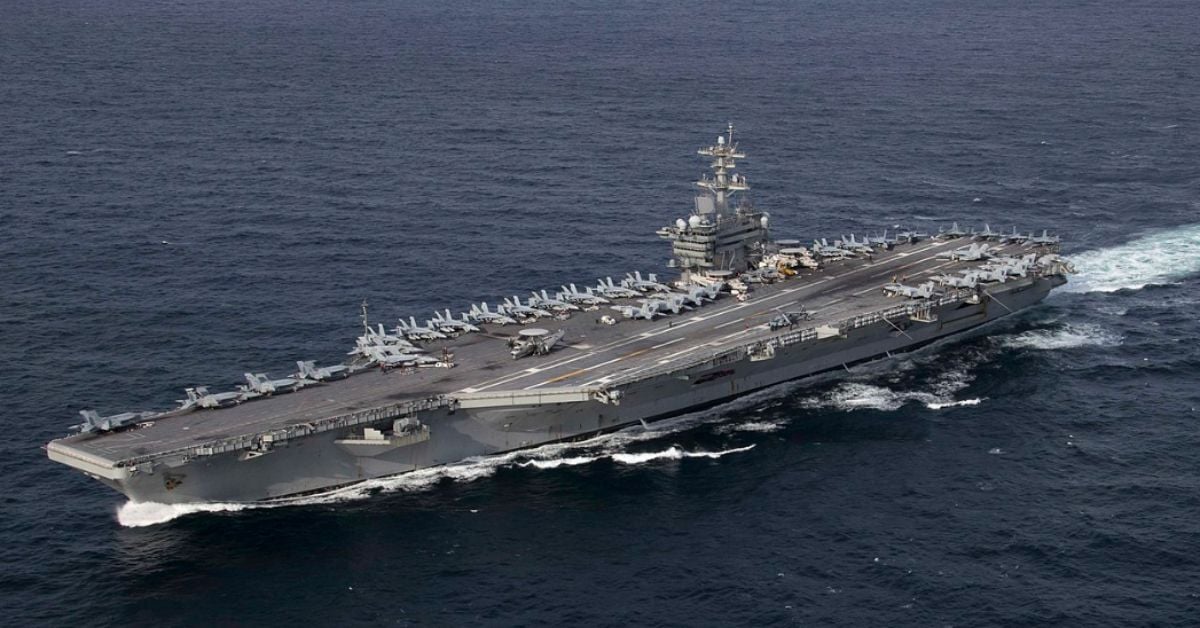
Abraham Lincoln Carrier Completes Middle East Deployment, Heads to Thailand.
The USS Abraham Lincoln will dock in Thailand after a lengthy Middle East deployment, a measured conclusion to months of forward presence. The carrier's transit home marks a routine yet significant operational milestone, reflecting sustained naval readiness across the region. While this return is standard, it underscores the quiet endurance required for global security. For broader context on maritime activity, our piece on Gulf of Oman STS transfers offers timely perspective.

Extended Deployment: Abraham Lincoln Carrier Highlights Naval Endurance at Sea
The Abraham Lincoln's extended deployment underscores the US Navy's capacity for endurance when strategic demands require it. While six to nine months is the standard, conflict-driven extensions are a calculated reality, not a failure of planning. This is maritime persistence measured in readiness, not rhetoric. For broader context on regional pressure points, our related piece on Gulf of Oman STS transfers outlines how operational tempo shifts elsewhere. The carrier's longevity at sea remains a practical demonstration of sustained naval power.

UAE Suspends Trade with Iran Following Missile Incident Dispute
The UAE's decision to suspend trade with Iran lands with the weight of a diplomatic ultimatum, though its foundation appears shaky. Esmaeil Baghaei, Iran's foreign ministry spokesperson, dismissed the accusation as baseless, a rebuttal that sharpens rather than resolves the tension. This dispute unfolds against a fragile backdrop of maritime pressure, where the Strait of Hormuz remains a flashpoint. Readers tracking the broader reopening efforts may find context in our related coverage, "Phased Negotiations Aim to Ease Restrictions on Strait of Hormuz.

Red Sea Attack Highlights Risks to Maritime Trade and Seafarer Safety
The latest attack in the Red Sea and Gulf of Aden is a pointed reminder that maritime trade routes remain dangerously exposed. As Mr. Arsenio Dominguez noted, the location is particularly troubling, and we agree. These waters are not abstract lines on a chart; they are arteries for global commerce, and each incident endangers lives and supply chains. This follows the Gulf of Oman STS transfers maxing out, a clear signal of mounting pressure. The pattern is measurable, and it demands calibrated, not reactive, responses.

Women's Participation in India's Maritime Workforce Soars.
The maritime workforce is changing, and India is leading that charge. Union Minister Sonowal highlighted that initiatives like "Sagar Mein Samman" are driving a measurable rise in women's participation across the sector. This is not symbolic progress; it is practical, structural advancement. When policy targets inclusion directly, the industry strengthens. For those tracking this momentum, our related coverage on the new Seafarers' Welfare Centre at Mormugao Port shows how infrastructure and opportunity are being built in tandem.

Maritime Security Imperative: IMO Condemns Attacks on Shipping Lanes
The IMO's condemnation of attacks on shipping lanes is a measured, necessary response to a crisis that threatens the very framework of global trade. The Secretary-General's call for an end to unwarranted strikes is not just diplomatic language; it is a demand for the rules that keep our integrated data ecosystem moving to hold firm. Geopolitical friction cannot be allowed to destabilize the maritime routes we all depend on.