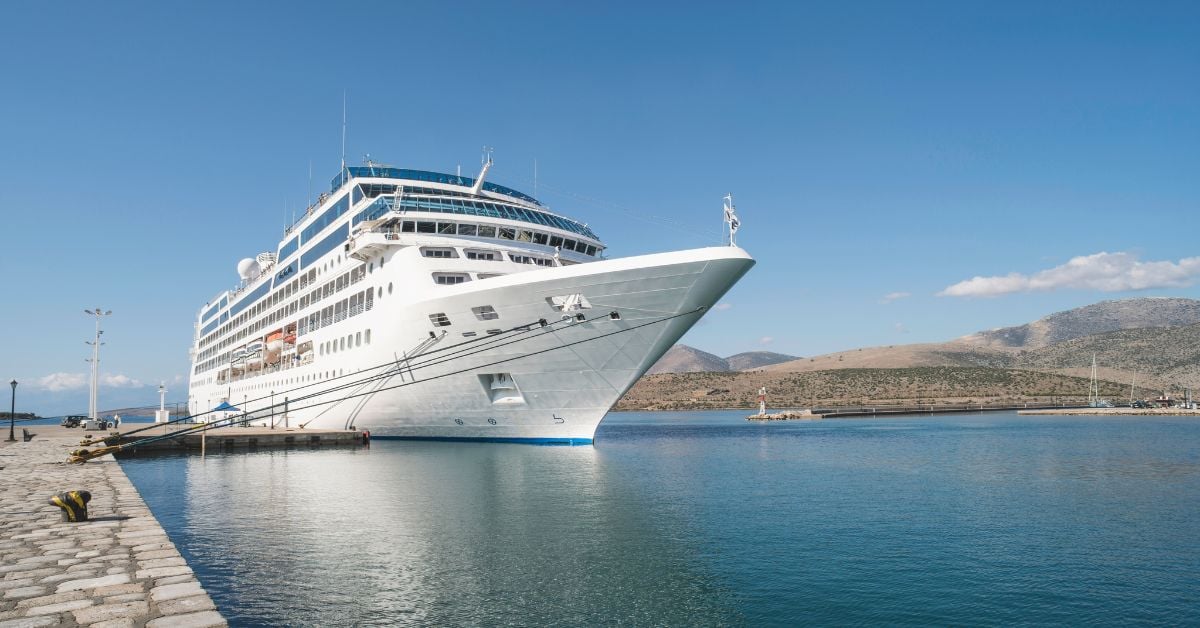
The decision to house the 2028 Asian Games athletes aboard a cruise ship in Nagoya is a pragmatic response to a logistical challenge, but it also places a floating asset at the center of a global sporting event. Japan is leveraging its maritime infrastructure to solve a real urban problem: a shortage of available hotel space in the host city. For the athletes, this means their accommodation will come with the ocean as a constant backdrop, a detail that changes the texture of the Games in ways a traditional village complex would not.
This is not a gimmick, though it could easily be dismissed as one. For our readers, this is a case study in how the maritime industry can be repurposed for mass temporary housing. It also raises operational questions that go beyond the initial novelty. A cruise ship is a self-contained environment, which is both its strength and its vulnerability. It brings its own power, water, and waste management, reducing strain on Nagoya's municipal systems. But it also requires a permanent berth, shore-side logistics, and a plan for medical emergencies, security, and the simple act of moving hundreds of people on and off the vessel efficiently. These are not trivial details. They are the same kinds of variables that determine whether a Cargo Ship Fire Prompts Evacuation Near Mykonos; Incident Under Investigation becomes a headline or remains a footnote. That incident, which forced all 29 crew members to abandon a Greek-flagged vessel, is a reminder that maritime operations carry inherent risk, irrespective of whether the ship is carrying grain or athletes. The same scrutiny that follows a commercial vessel in distress will apply here, and the world will be watching.
There is also a broader point about the integration of civilian maritime assets into major public events. This is not the first time a ship has been used for housing, but it is a high-profile test of whether a cruise liner can function as a temporary city. The Gate Delays Expose Critical Link in National Trade Flow article highlighted how a single point of failure in a port's operations can ripple outward, affecting everything from cargo schedules to national supply chains. The same logic applies here. If the cruise ship's berth is delayed, or if a storm forces it to leave port, the entire athlete village becomes a logistical problem. The margin for error is thin, and the stakes are high.
From a practical standpoint, this decision signals that the maritime industry is being viewed as a flexible partner in urban planning, not just a means of moving goods or people across oceans. It is a step toward normalizing the use of ships for purposes beyond their traditional roles. For our readers, the takeaway is clear: watch how Nagoya manages the integration of this vessel into its transportation and emergency response networks. The success of this experiment will not be measured by the opening ceremony or the medal tally. It will be measured by whether the ship can deliver a stable, secure, and comfortable environment for thousands of people under the pressure of a global event. The real test is in the details, and the details are where maritime operations are either won or lost.