researchers
8 stories filed under researchers on World Data Ocean. The newest of them: “A renewed research platform, charting a broader course for marine science”, “Cascadia and San Andreas: Evidence Suggests Sequential Earthquake Risk”, and “Cognitive Resilience: Smarter Chickadees Thrive Through Winter and Age.”. A renewed research platform charting a broader course for marine science deserves more than a dormant community. Beneath the Pacific, 3,100 years of ocean sediments tell a story of linked rupture: the Cascadia subduction zone and northern San Andreas fault may occasionally fail in near-tandem, unleashing earthquakes minutes to… A Global Hub for Ocean Intelligence 4 World Data Ocean is a centralized digital platform where researchers, scientists, and ocean enthusiasts converge to… The list below is every researchers story on World Data Ocean, newest first.
A renewed research platform, charting a broader course for marine science
A renewed research platform charting a broader course for marine science deserves more than a dormant community. This captain-turned-moderator understands that rigorous conversations about monitoring technology, coastal policy, and Earth systems matter as much as the charismatic megafauna. The rules hold. The subject demands better. We see the same commitment in "Validated data and selective gear drive sustainable crab harvesting", empirical approaches that make fisheries work. Drop anchor here. The tide is turning.
Cascadia and San Andreas: Evidence Suggests Sequential Earthquake Risk
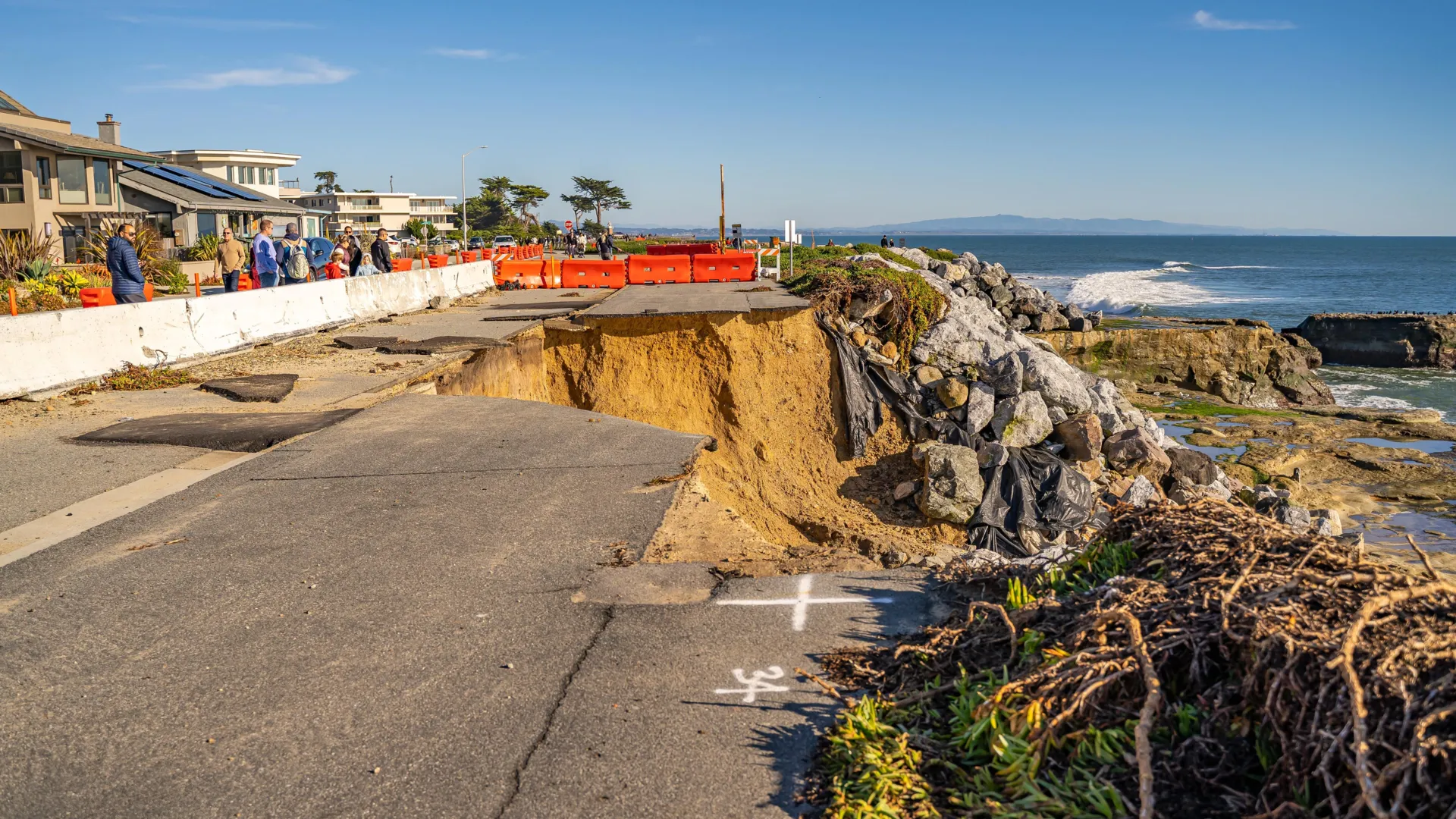
Beneath the Pacific, 3,100 years of ocean sediments tell a story of linked rupture: the Cascadia subduction zone and northern San Andreas fault may occasionally fail in near-tandem, unleashing earthquakes minutes to hours apart. The 1700 event looms large in this record, and the implication is sobering. If synchronization recurs, West Coast cities could face simultaneous emergencies. This is the kind of integrated hazard that demands our attention.

Cognitive Resilience: Smarter Chickadees Thrive Through Winter and Age.
A chickadee's cognitive edge persists into old age, and that resilience translates directly to survival and reproductive success. Wild birds with sharper problem-solving skills maintained their mental acuity through senescence, produced more offspring, and hosted healthier gut microbiomes. This is empirical evidence that intelligence is not merely a youthful advantage but a measurable, lifelong asset. Understanding drives protection. For deeper coverage on environmental intelligence, see our related report on "Cascadia and San Andreas: Evidence Suggests Sequential Earthquake Risk."
Unexpected Snowfall Drives Record Ice Gain in East Antarctica
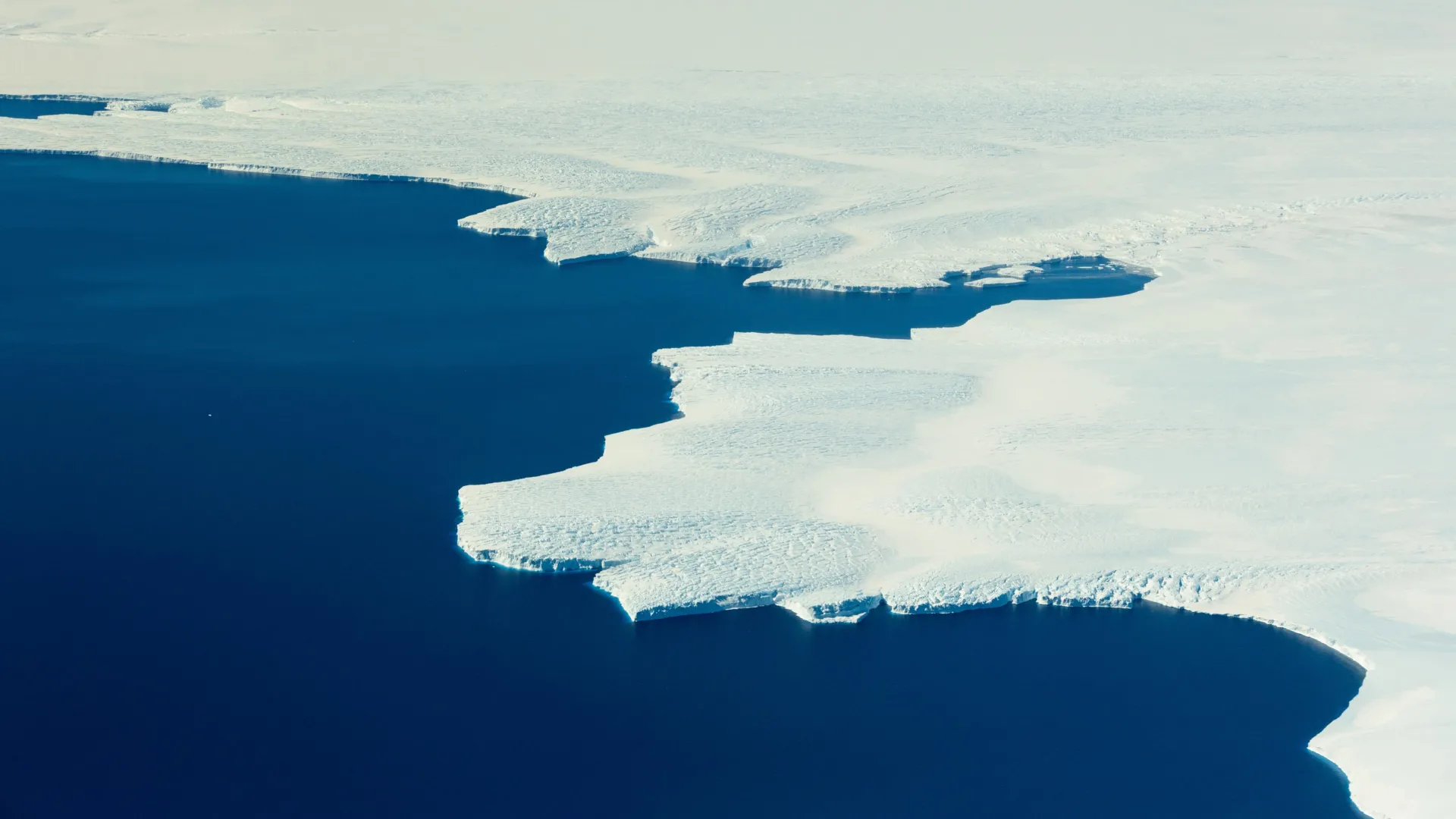
Between 2021 and 2023, East Antarctica gained 695 billion tons of ice, a measurable, empirical anomaly driven by tropical ocean warming thousands of miles away. This record snowfall temporarily slowed Antarctica's long-term decline, but it does not reverse the larger trend. Understanding these atmospheric feedback loops is essential for calibrating our climate models. For deeper context on how warming reshapes global systems, see our coverage of "Atlantic Circulation Weakens: Global Climate Reshaping Predicted."

Unraveling the Mystery: Scientists Investigate the Origins of Static Electricity
Static electricity is everywhere, yet science cannot fully explain it. A quirky group of researchers is determined to change that. Their investigation matters, not only for curiosity's sake, but because understanding this everyday phenomenon could unlock deeper principles of charge and matter. The work is methodical, playful, and long overdue. For those drawn to foundational puzzles, this pairs well with our coverage of how magma and microbial activity may rewrite a 2-billion-year-old carbon signal.
Rehabilitated Elephants Show Remarkable Behavioral Convergence with Wild Populations
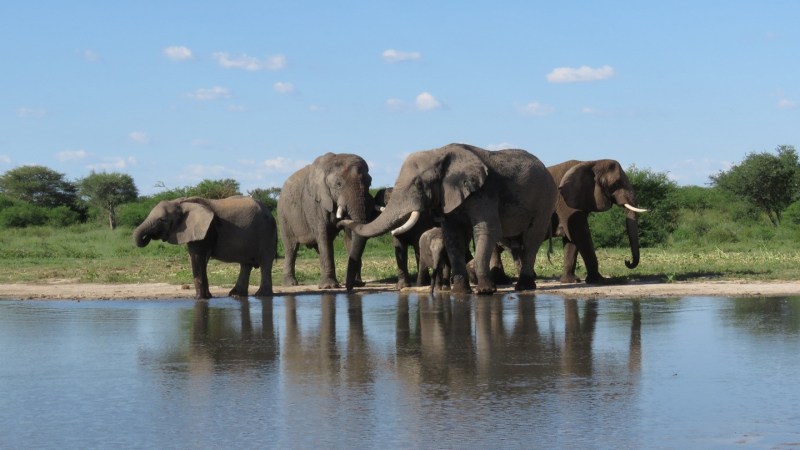
Eleven rehabilitated elephants now move, forage, and socialize in patterns strikingly similar to their wild counterparts, according to new research. The findings suggest that structured care and gradual reintegration can preserve natural behaviors, a hopeful signal for conservation programs worldwide. This empirical alignment strengthens the case for science-led rewilding. For context on how environmental systems respond to pressure, readers may explore our related piece on Cascadia and San Andreas, which examines sequential earthquake risk. Understanding drives protection, and these elephants offer measurable proof of resilience.

Scaling Seagrass Restoration: The Critical Role of Governance
Seagrass restoration in Northern Ireland has been sustained by civil society, not by government direction. During a decade of political suspension, NGOs, researchers, and community stakeholders generated evidence, advocated for action, and piloted interventions. These efforts built essential foundations, yet they never scaled into a coordinated programme. The missing element was state capacity: long-term funding, strategic coordination, and regulatory support. This case clarifies a broader truth. Community-led work can preserve momentum, but it cannot substitute for government enablement.

Ancient DNA Reveals Prehistoric Koala Population Bottleneck
A population collapse that predates human arrival has quietly shaped every koala alive today. By calculating the koala's mutation rate for the first time and sequencing hundreds of genomes, researchers traced the species back to a small group that endured extreme climate shifts roughly 100,000 years ago. That survival story is a measurable lesson in resilience. For more on how environmental pressures echo through time, see our related piece on fossilized dinosaur feathers and survival traits.