pilot
World Data Ocean keeps pilot in one place: 7 stories so far. The section currently leads with “Bulk Carrier Freed After Prolonged Grounding Near Gladstone, Australia”, “Smuggling Pilot Sentenced After Fatal Boat Incident Near Imperial Beach”, and “Navigation Error: Tug Misidentification Leads to Pier Collision.”. Six days on the sandbar near Gladstone is a stark reminder of how unforgiving the Queensland coast can be, and the successful refloat of this bulk carrier speaks to the skill of the response teams involved. A Global Hub for Ocean Intelligence 4 World Data Ocean is a centralized digital platform where researchers, scientists, and ocean enthusiasts converge to… The list below is every pilot story on World Data Ocean, newest first.
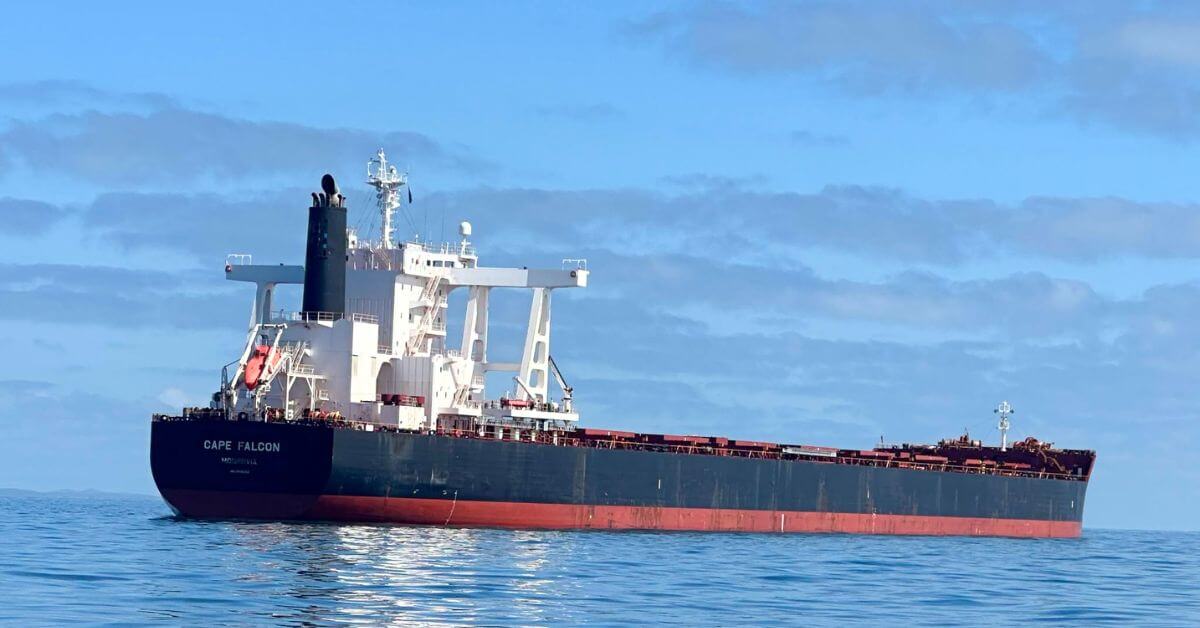
Bulk Carrier Freed After Prolonged Grounding Near Gladstone, Australia
Six days on the sandbar near Gladstone is a stark reminder of how unforgiving the Queensland coast can be, and the successful refloat of this bulk carrier speaks to the skill of the response teams involved. A prolonged grounding disrupts schedules and tests operational limits, but the vessel is now free, which is the outcome that matters most.
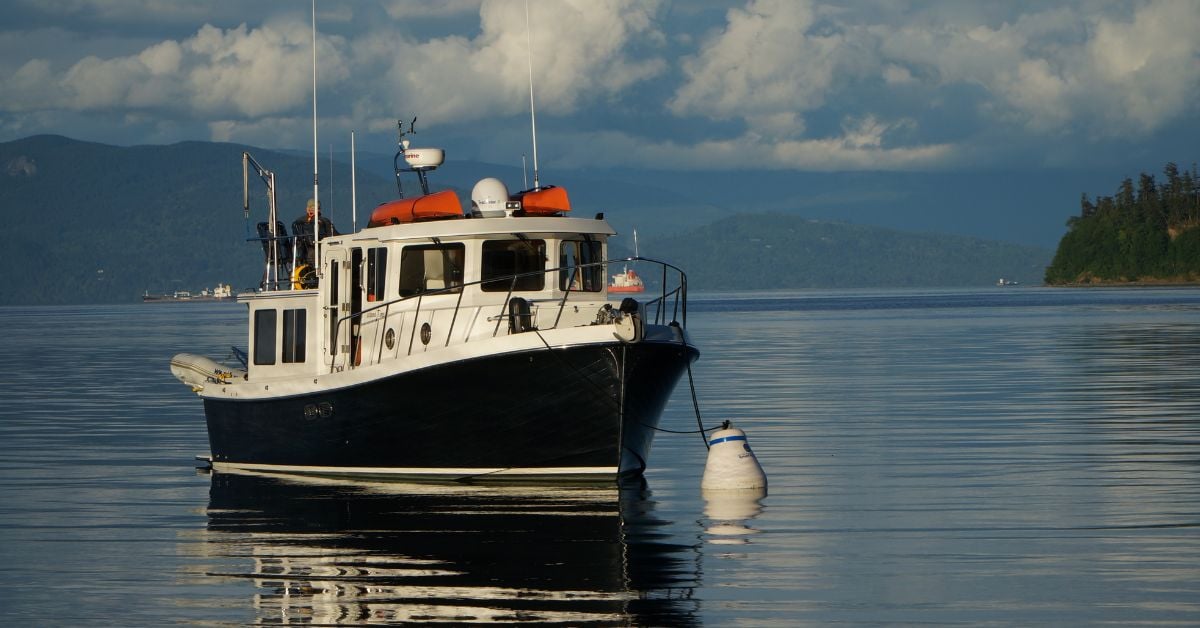
Smuggling Pilot Sentenced After Fatal Boat Incident Near Imperial Beach
A 57-month sentence brings a measure of accountability to a tragedy that never should have occurred. The pilot of the smuggling boat that capsized off Imperial Beach last year, killing five immigrants, now faces the consequences of steering a vessel so recklessly that lives were lost in the surf. This was not an accident; it was a chain of decisions with lethal outcomes. For those considering such crossings, the stakes are now clearer.
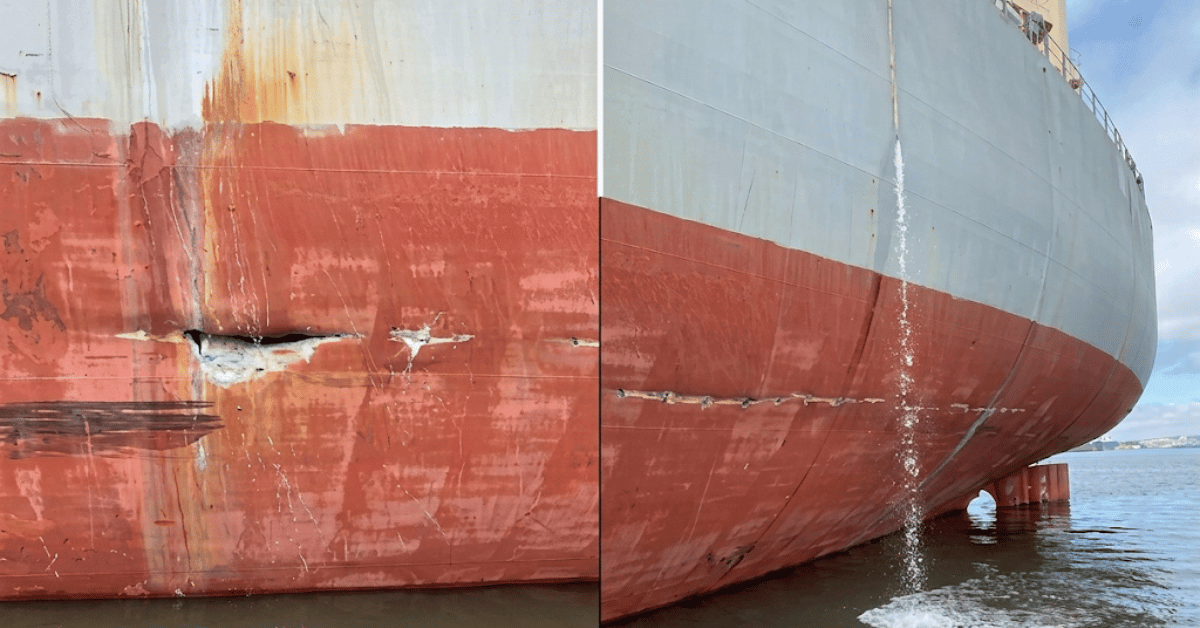
Navigation Error: Tug Misidentification Leads to Pier Collision.
A tug-name mix-up is a small error with outsized consequences. During a night-time departure, the misidentification led a tanker straight into the pier, a collision that was entirely avoidable. It is a sharp reminder that precision in communication is not a luxury but a necessity in maritime operations. This incident joins a growing list of navigation challenges we have covered, including the cargo ship fire near Mykonos, showing that vigilance remains the industry's most critical instrument.
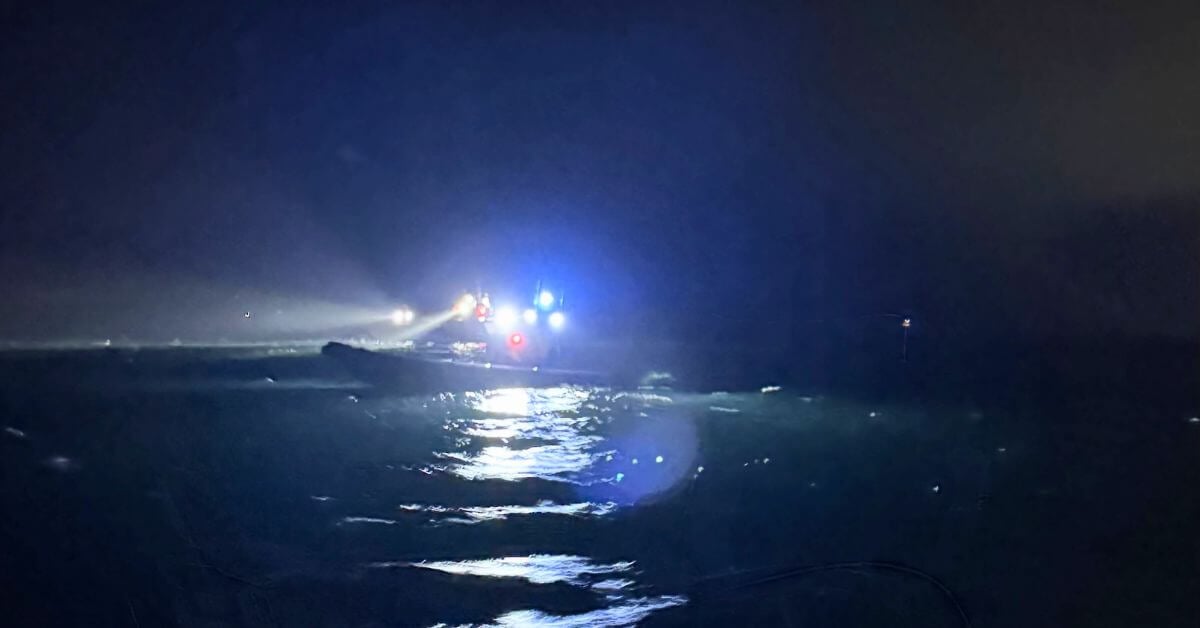
Collision in Hakefjord: Investigation Follows Fatal Loss of Life
The collision in Hakefjord, where a cargo ship overtook and struck a small pleasure boat, killing a mother and her daughter, demands more than a routine inquiry. This is a devastating reminder that maritime safety depends on vigilance in every encounter, regardless of a vessel's size. The investigation must be rigorous and transparent, as the waters we share leave no room for error. For broader context on recent incidents, our coverage of the bulk carrier grounding near Gladstone offers a parallel look at operational risks.

Collision on Houston Ship Channel: Distraction a Factor in Fatal Incident
A fatal collision on the Houston Ship Channel has placed a harsh spotlight on human error, with distraction emerging as a likely factor. Four crew members were pulled to safety by the tugboat George M, yet the fifth was discovered dead within the wreckage. This loss is a sobering reminder that vigilance is non-negotiable at sea. While investigations will determine the precise sequence of events, the incident underscores how a single lapse can cascade into tragedy.
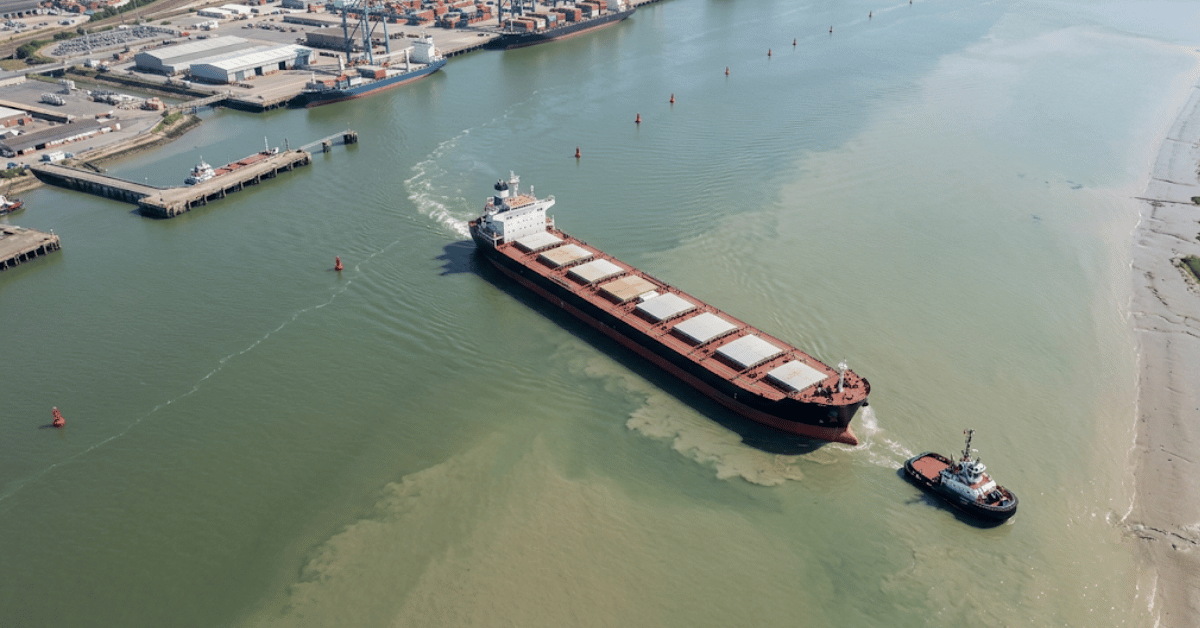
Navigation Error Highlights Risk of Expectation Bias at Sea
A pilot's error outside the dredged channel grounded a bulk carrier twice, a stark reminder that expectation bias can override even the most familiar waterway. We often trust what we think we see at sea, yet this incident shows how quickly assumption undermines navigational safety. The lesson is not new, but it bears repeating: verify every fix, question every turn. For those tracking similar risks, our coverage of the bulk carrier freed after prolonged grounding near Gladstone offers further context worth reviewing.
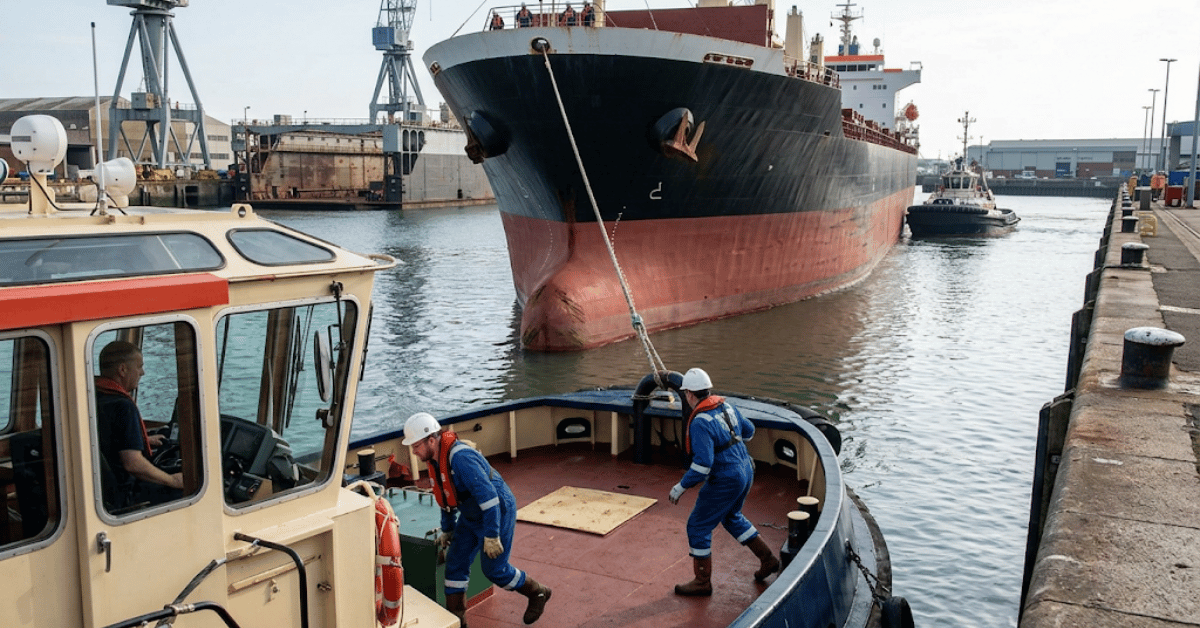
Enhanced Visibility: A Critical Lesson from Recent Tug Operations.
A fatal tug accident during a shipyard berthing operation has renewed urgent attention on line-handling safety. The loss underscores a hard truth: visibility alone does not prevent tragedy when procedures are not rigorously calibrated to real-world conditions. Recent coverage, including the drone strike on an LPG tanker near the Strait of Hormuz, reminds us that maritime risks demand integrated, measurable responses. This incident is not isolated; it is a call to validate every operational step. Understanding drives protection, and that understanding must begin now.