maritime patrol aircraft
6 stories filed under maritime patrol aircraft on World Data Ocean. The newest of them: “France Extends Black Sea Patrols as Maritime Drones Challenge Detection Capabilities”, “France Deploys Maritime Patrol Aircraft to Black Sea Amid Escalating Ship Attacks”, and “INS Mangrol joins India's shallow-water fleet with 80% indigenous design”. France extends its Black Sea patrols, yet the Atlantique 2's commander admits the aircraft can detect maritime drones but cannot stop them. France has deployed maritime patrol aircraft to the Black Sea, reinforcing surveillance after drone attacks struck ships near Romania and Bulgaria. A Global Hub for Ocean Intelligence 4 World Data Ocean is a centralized digital platform where researchers, scientists, and ocean enthusiasts converge to… The list below is every maritime patrol aircraft story on World Data Ocean, newest first.
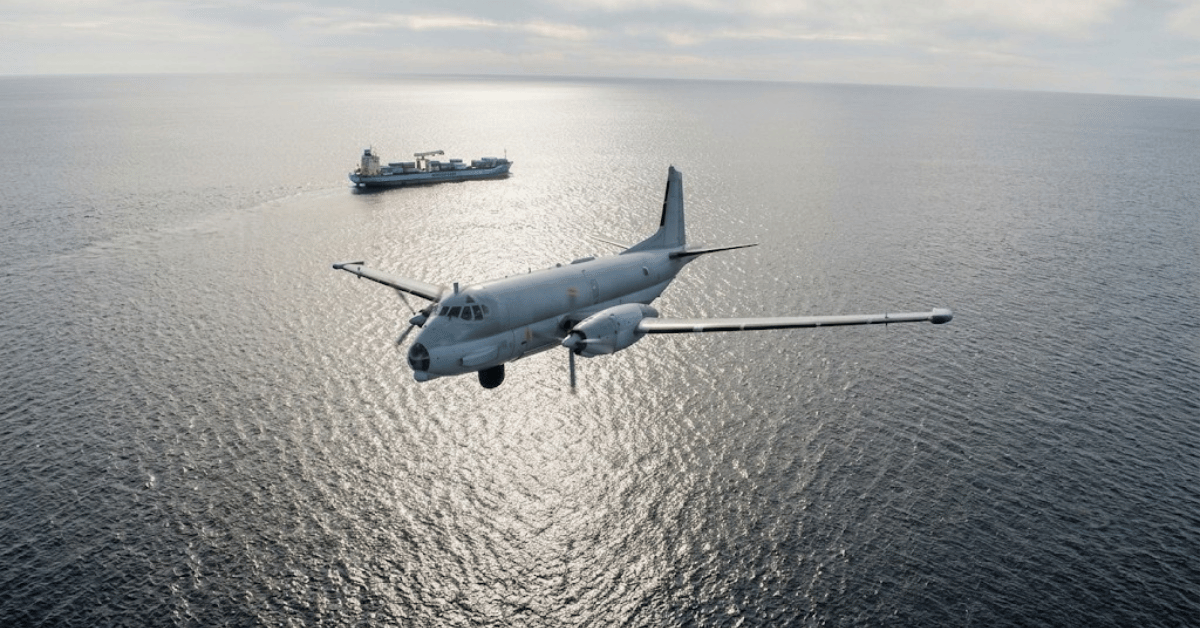
France Extends Black Sea Patrols as Maritime Drones Challenge Detection Capabilities
France extends its Black Sea patrols, yet the Atlantique 2's commander admits the aircraft can detect maritime drones but cannot stop them. This reveals a critical gap in naval defense, surveillance without interdiction is incomplete. The *Drifting Tanker With 11,000 Tonnes of Sunflower Oil Prompts Measured Response* incident underscores the region's volatility. Measured capability must now match measured awareness. Detection alone is not enough; actionable response defines true ocean intelligence.
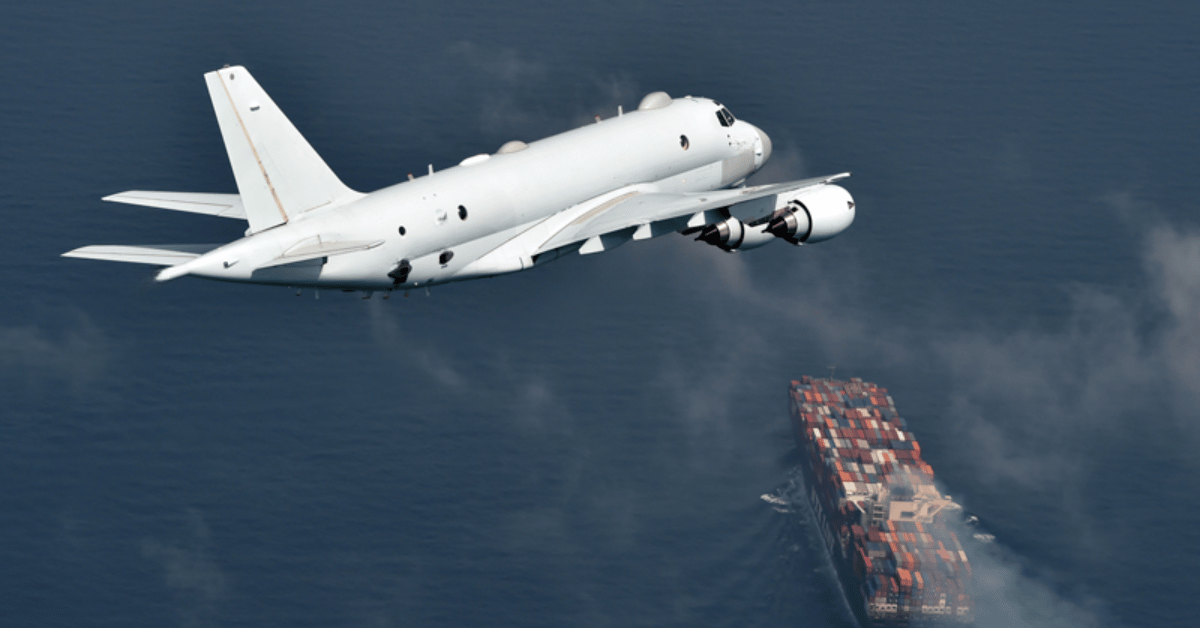
France Deploys Maritime Patrol Aircraft to Black Sea Amid Escalating Ship Attacks
France has deployed maritime patrol aircraft to the Black Sea, reinforcing surveillance after drone attacks struck ships near Romania and Bulgaria. This measured response reflects a growing need for empirical monitoring in a region where seafarer casualties are climbing, our recent report, "Measured in Lives: Black Sea and Hormuz Log 40 Seafarer Casualties," documents the human toll. Understanding drives protection. From orbit to ocean floor, integrated data ecosystems must guide these operations.
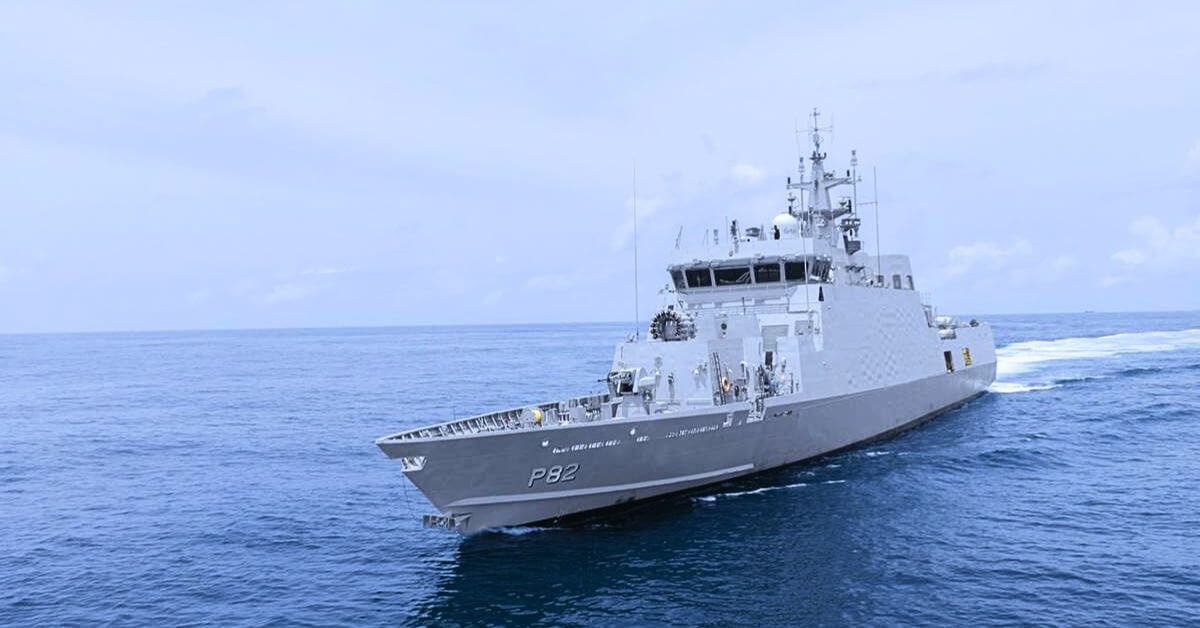
INS Mangrol joins India's shallow-water fleet with 80% indigenous design
INS Mangrol enters service as a warship built for the shallows, 80 percent indigenous design, purpose-calibrated for waters where larger vessels cannot operate. This is not merely a vessel addition; it is a measurable step toward self-reliant coastal defence. India's naval strategy increasingly demands integrated, real-time capabilities in near-shore environments. For deeper context on India's expanding maritime reach, read our coverage of the new support ship Surya.
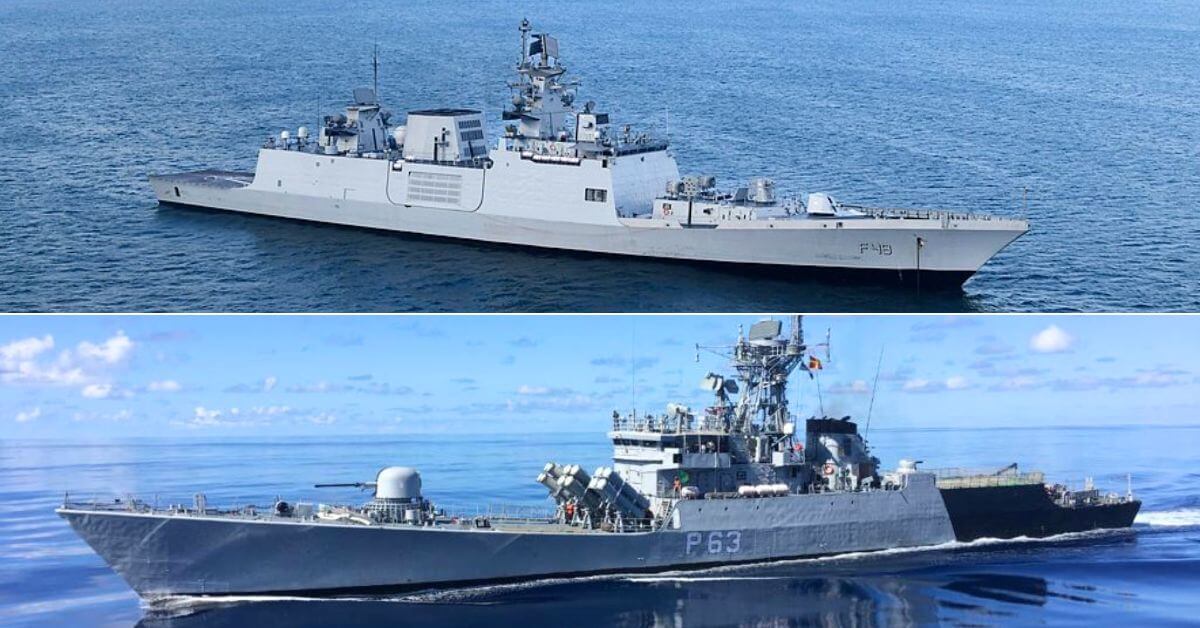
Integrated Maritime Data Collection Underway in Philippine Exercise
The INS Sahyadri and INS Kulish have arrived at Subic Bay, marking the start of integrated maritime data collection during a Philippine exercise. This is a practical demonstration of how naval assets can work together to gather empirical, real-time ocean intelligence. The mission underscores the value of measured, collaborative operations in a region where climate indicators and security concerns increasingly overlap. For broader context on how such efforts align with future fleet ambitions, readers may explore our related coverage on India's expanded naval projections.
Quantum Sensors on Drones Enhance Underwater Surveillance Capabilities
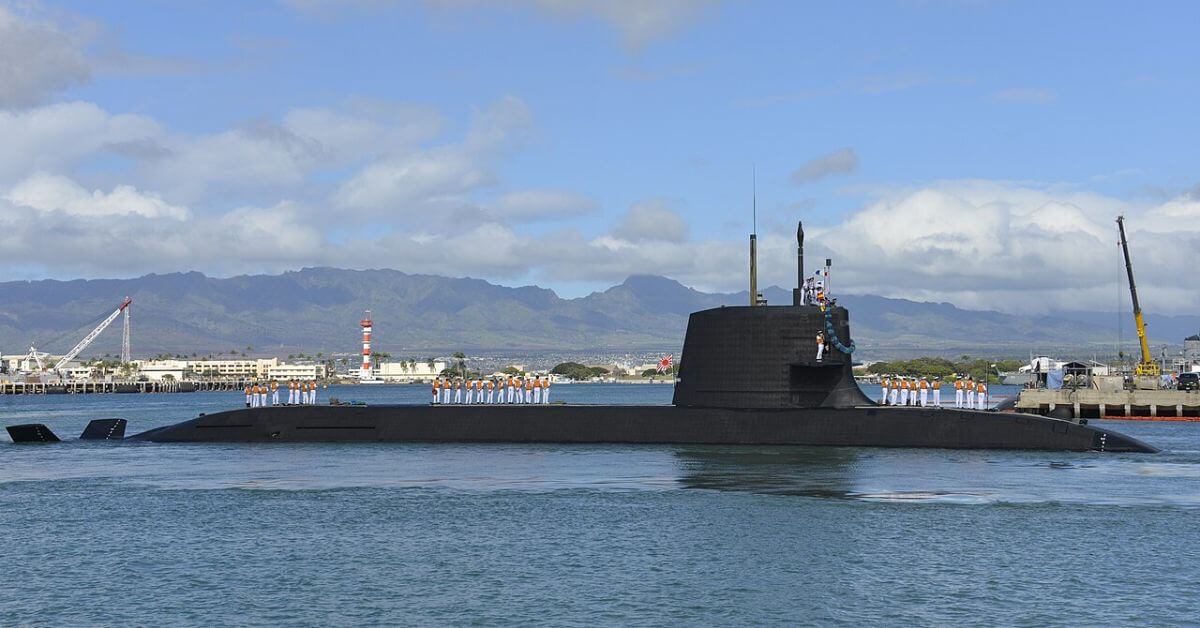
Quantum sensors mounted on low-cost drones could bring a new layer of precision to underwater surveillance, operating directly from warships near the sea surface. This is practical innovation with measurable impact. The approach pairs validated technology with operational simplicity, strengthening maritime awareness where it matters most. For broader context on regional maritime pressures, our coverage of Gulf of Oman STS transfers offers useful perspective. Understanding drives protection, and this capability moves that principle closer to real-world deployment.

Sanctions Enforced: Italian Navy Intercepts Tanker in Mediterranean Operation
The Italian Navy's interception of the sanctioned tanker *Toa Payoh* west of Pantelleria is a decisive enforcement of EU measures, and it sends a clear signal about maritime accountability. This operation demonstrates that sanctions are not abstract policy; they are backed by tangible, calibrated action in strategic waters. The Mediterranean remains a focal point for geopolitical tension, and this interdiction underscores the necessity of persistent naval vigilance.