liquefied natural gas
World Data Ocean keeps liquefied natural gas in one place: 15 stories so far. The section currently leads with “Diplomatic Talks Test Conditions for Reopening the Strait of Hormuz”, “Hong Kong launches first ship-to-ship LNG bunkering for vehicle carrier”, and “LNG-Ready Makua Christened, Advancing Measurable Fleet Modernisation”. Diplomatic talks on reopening the Strait of Hormuz remain stalled, with Washington and Tehran locked over sanctions, regional hostilities, and Iran's nuclear programme. Hong Kong's first ship-to-ship LNG bunkering for a vehicle carrier is now operational, completed by CLPe in partnership with CNOOC. A Global Hub for Ocean Intelligence 4 World Data Ocean is a centralized digital platform where researchers, scientists, and ocean enthusiasts converge to… The list below is every liquefied natural gas story on World Data Ocean, newest first.
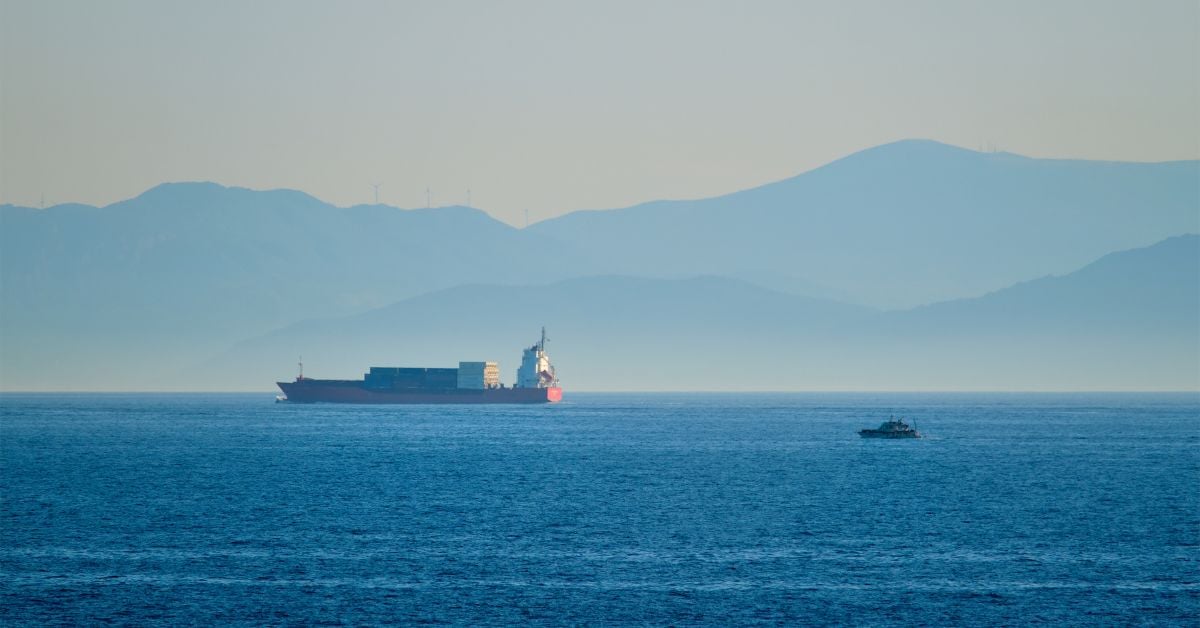
Diplomatic Talks Test Conditions for Reopening the Strait of Hormuz
Diplomatic talks on reopening the Strait of Hormuz remain stalled, with Washington and Tehran locked over sanctions, regional hostilities, and Iran's nuclear programme. These test conditions demand calibrated, empirically grounded negotiation, not alarmist posturing. Measurable progress on security guarantees and validated compliance mechanisms could unlock a pathway. For context on maritime security dynamics, see our coverage of the French frigate Languedoc neutralizing an airborne threat in the Bab el-Mandeb Strait. Understanding drives protection, and shared ocean intelligence is essential here.
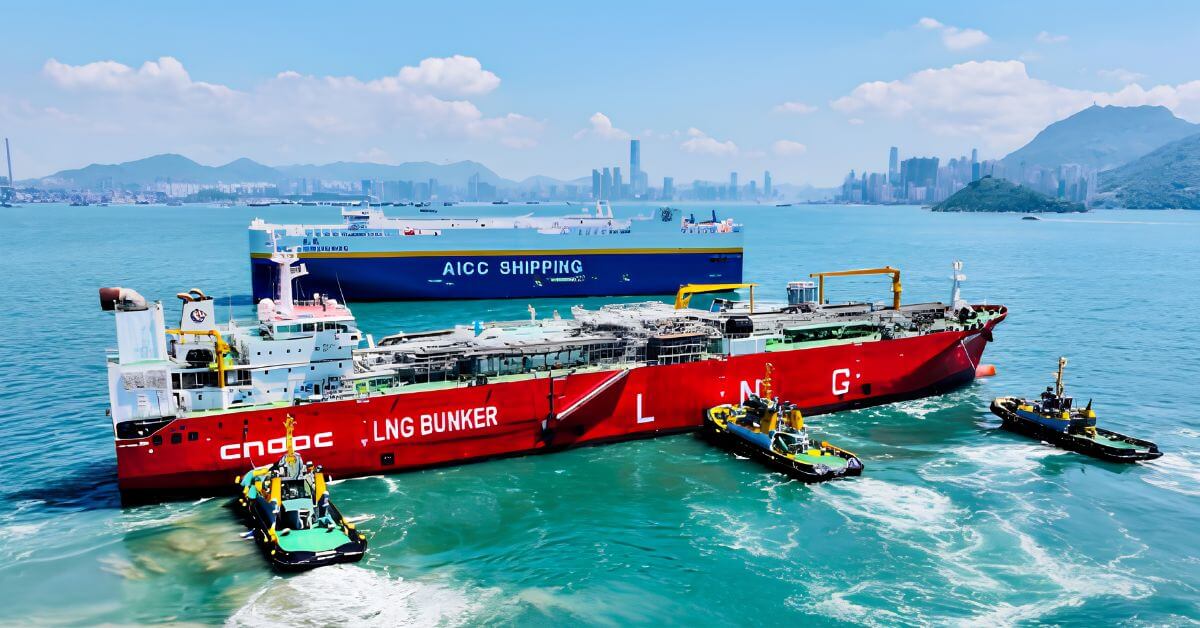
Hong Kong launches first ship-to-ship LNG bunkering for vehicle carrier
Hong Kong's first ship-to-ship LNG bunkering for a vehicle carrier is now operational, completed by CLPe in partnership with CNOOC. This is a calibrated step forward for maritime decarbonization in a major port, measurable progress built on real-world infrastructure, not promises. It reinforces that clean fuel logistics are not theoretical. For deeper context on fleet modernization, see our coverage of Matson's LNG-ready Makua christening.
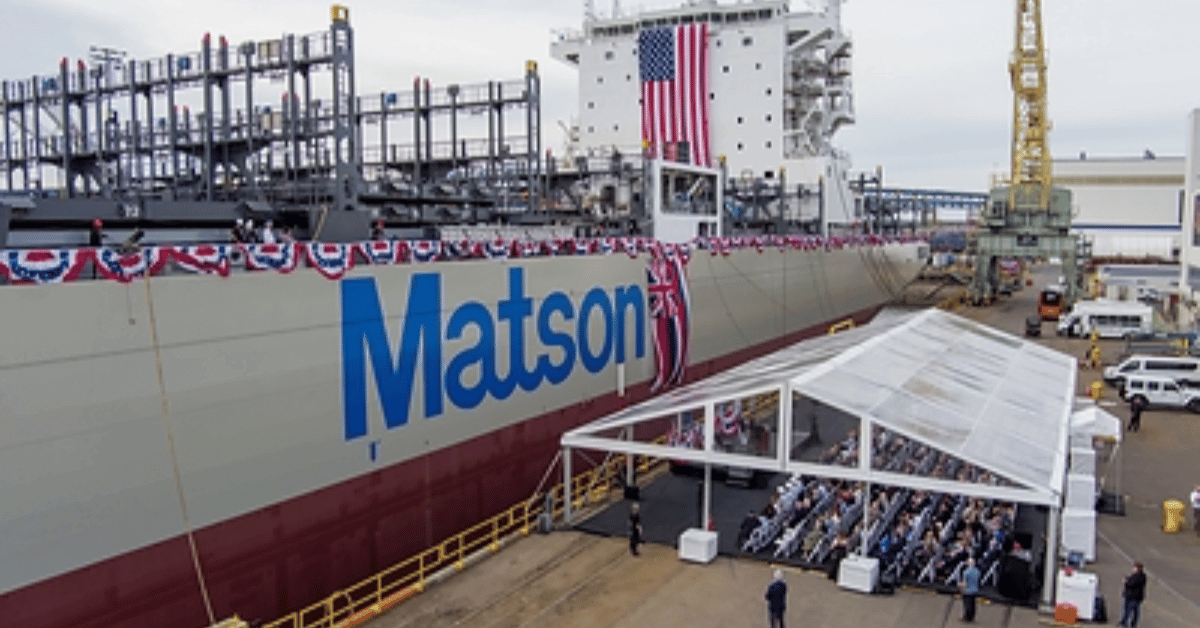
LNG-Ready Makua Christened, Advancing Measurable Fleet Modernisation
Matson's christening of the *Makua* marks a measurable step forward in fleet modernisation. This first LNG-ready containership, built under a $1 billion programme, integrates validated technology that supports decarbonisation without sacrificing operational integrity. For readers tracking parallel innovations, our coverage of Fincantieri's nearly €100 million investment in robotic shipyard intelligence offers another calibrated example of how empirical progress is reshaping maritime infrastructure. Understanding drives protection, and these investments are built on data, not hype.
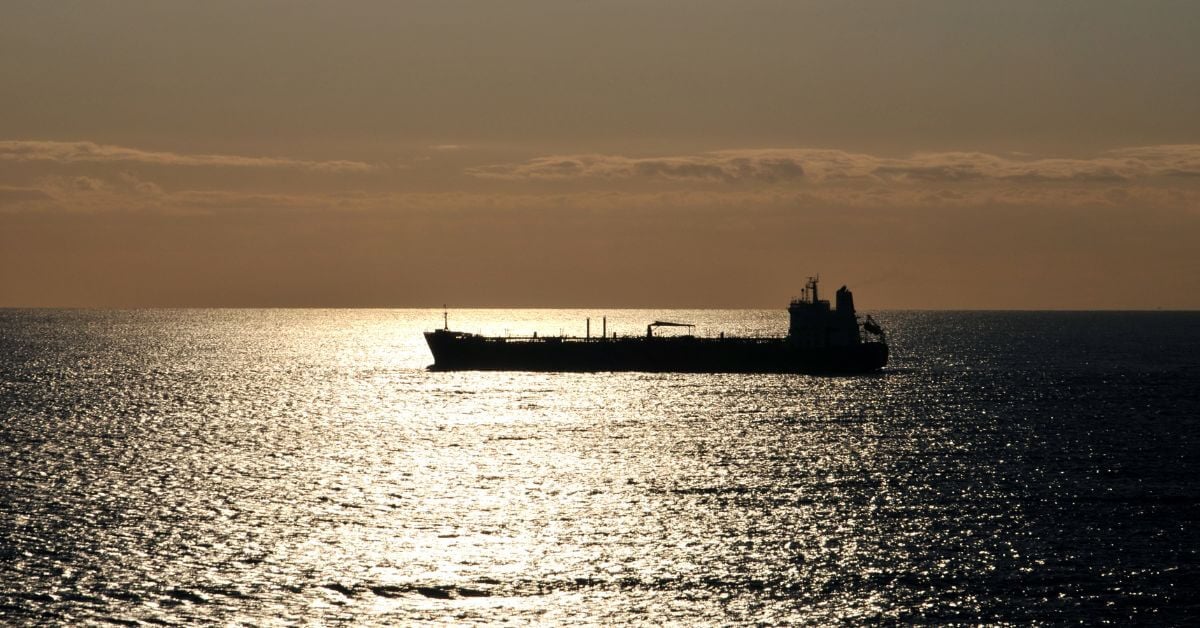
Projectile Strike on Tanker Off Qatar Coast Yields Reported Casualties
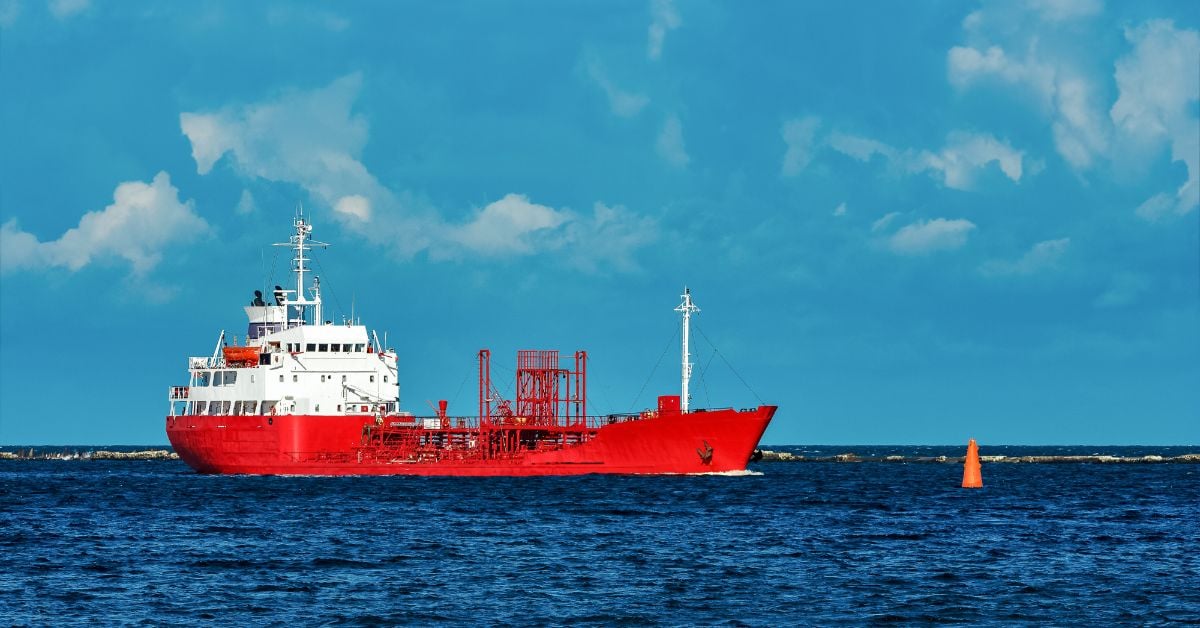
Multiple projectiles struck an oil tanker off Qatar's northern coast, with casualties now reported among the crew. This attack adds a dangerous new dimension to maritime insecurity in a region already strained by rising tensions. Understanding these threats requires calibrated, real-time observation of shipping lanes and geopolitical shifts. For deeper context on regional instability, read our coverage of rising Strait of Hormuz tensions and Iran's new maritime restrictions.
Attack in the Strait of Hormuz Injures 11 Indian Crew on Panama-Flagged Tanker
Eleven Indian crew members were injured in an attack on the Panama-flagged tanker MT On Peace in the Strait of Hormuz. This is not an isolated incident. Our reporting on delayed UKMTO reports confirms five separate IRGC vessel incidents in the same waterway on a single day. Measurable data on these attacks is essential for maritime safety. Understanding these patterns drives protection for the crews who keep global trade moving.
Vessel Struck by Unknown Projectile in Strait of Hormuz, Fire Reported
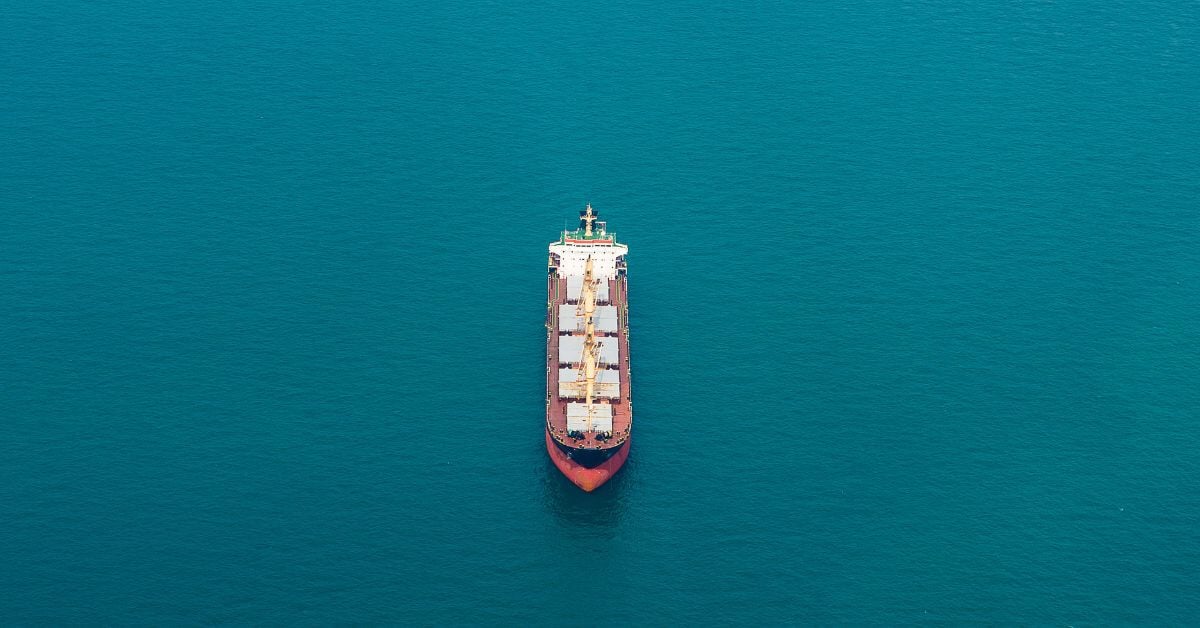
A vessel struck by an "unknown projectile" in the Strait of Hormuz on Monday evening has ignited a fire onboard, marking another dangerous incident in one of the world's most critical maritime chokepoints. We cannot afford to treat these attacks as isolated events. As we saw in the tragic *June Aster* ferry fire, where 77 lives were lost, the ocean demands rigorous safety protocols and transparent accountability.
LNG Truck Refueling Marks Tenerife Port’s Sustainable Shipping Advance
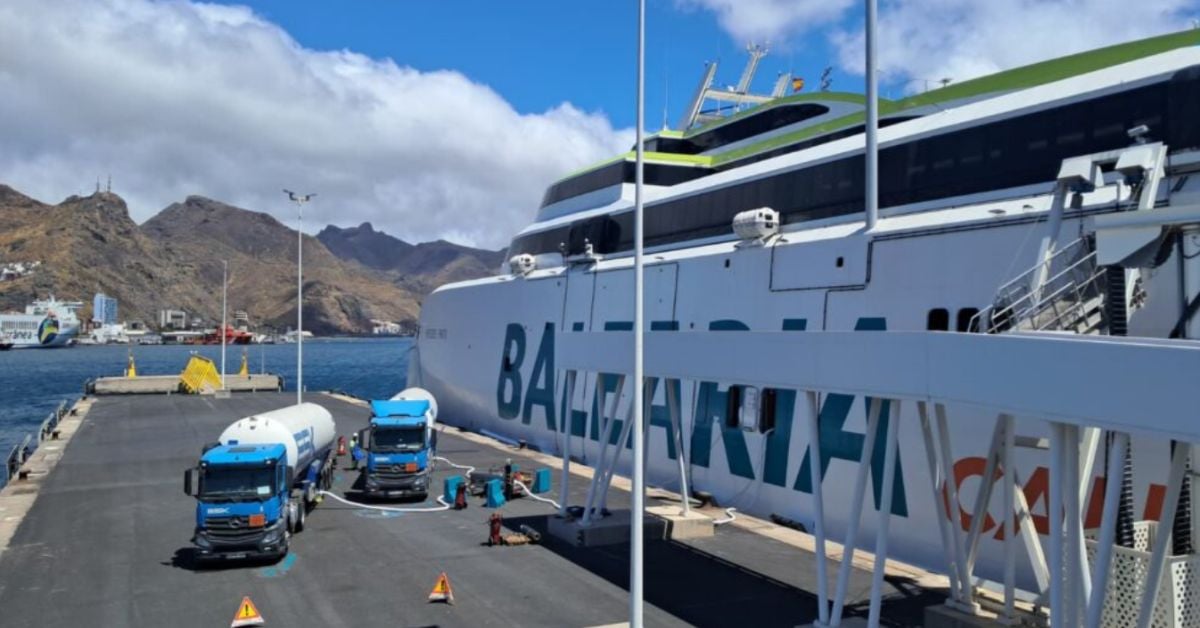
Santa Cruz de Tenerife has completed its first ship refueling using liquefied natural gas delivered by tanker trucks, a measured step toward lower-emission port operations. This method integrates existing infrastructure with cleaner fuel logistics, demonstrating that incremental innovation matters. For readers tracking similar infrastructure milestones, our coverage of Paradip Port's designation as a Mega Port explores how ports worldwide are recalibrating for sustainable growth. Validated, real-world operations like this build the integrated data ecosystem we need to measure progress.

Escorted LNG Transit Highlights Arctic Shipping and Geopolitical Shifts
The Northern Sea Route is no longer a theoretical exercise in Arctic logistics. The Russian frigate Admiral Kasatonov's escort of the LNG carrier Portovyy, fresh from Gazprom's Portovaya plant, is a concrete demonstration of how energy transit and naval power now move in lockstep. This is not alarmism; it is the calibrated reality of a changing map. The escort signals that Arctic shipping lanes are becoming strategic chokepoints, not just weather-dependent shortcuts.

Strait of Hormuz Incident: Vessel Damaged, Crew Member Injured
A vessel was struck while making an outbound transit of the Strait of Hormuz, leaving a crew member injured, according to the Company Security Officer. The incident underscores how quickly risk can escalate in a waterway where geopolitical tension already runs high. Such disruptions are not isolated events; they are part of a broader pattern affecting regional energy flows. For deeper context on these dynamics, our coverage of phased negotiations aimed at easing restrictions on the Strait offers useful perspective.

Iran Asserting Control Over Vital Strait of Hormuz Passage
Iran's assertion that it manages and controls the Strait of Hormuz is a statement of strategic fact, not posturing. For a nation whose economy and security are tied to the waterway, claiming this position is both logical and consequential. The strait's role as a global energy artery makes such declarations inherently significant, and we should treat them with the gravity they demand. For broader context on regional shipping pressures, our coverage of Gulf of Oman STS transfers offers a useful parallel.

Iran Links Strait Passage to U.S. Actions, Raising Geopolitical Tensions
Iran's top military official, Rezaei, has tied the Strait of Hormuz's fate directly to U.S. policy, demanding an end to the war and blockade, the release of frozen assets, and a broader regional ceasefire. The linkage sharpens an already volatile maritime standoff, where every action carries measurable consequence. For those tracking the Gulf's pressure points, this is a clear escalation in rhetoric, not just posturing.

Accountability Demanded: Trump Links Iran's Actions to Compensation Claims.
President Trump's demand that Iran shoulder compensation for damages and deaths across Lebanon, Syria, Yemen, and Gaza is a direct assertion of accountability, posted plainly on Truth Social. The claim is stark, yet it raises a measured question: can state responsibility be calibrated when conflicts blur the line between direct action and influence? This is not alarmism; it is a demand for legal and financial reckoning.

Charting New Maritime Pathways: Iran and Oman Negotiate Hormuz Route.
Iranian Foreign Minister Abbas Araqchi confirmed that a deal with Oman would establish new shipping routes through the Strait of Hormuz once conditions are met. The negotiation signals a practical step toward stabilizing a waterway critical to global energy flows. Diplomatic progress here matters, though implementation will test both sides. For context on how pressure is building in nearby waters, our piece on Gulf of Oman STS transfers offers useful background. Measured agreements are welcome, but the real measure lies in execution.

Solar-Powered Car Carrier Embarks on Global Shipping Routes
A solar-powered car carrier is set to enter global trade routes, leased to Hyundai Glovis for service connecting Asia, Southeast Asia, North America, and Europe. The move aligns with broader efforts to integrate cleaner propulsion into commercial shipping. For context on how vessel design is evolving alongside fuel efficiency, our piece on optimal LNG carrier design offers useful comparison. This deployment signals measurable progress in applying renewable energy to high-traffic ocean corridors.

Shipping Activity in Strait of Hormuz Declines Amid Rising Tensions
Shipping activity in the Strait of Hormuz has slowed markedly as regional tensions rise, with liquefied natural gas traffic particularly hard hit. No LNG carriers have transited the strait since Thursday, a telling sign of how quickly commercial risk reshapes movement through a critical maritime corridor. The data is measurable, and the trend is clear. For those tracking broader patterns, our coverage of Gulf of Oman STS transfers maxing out amid rising Saudi oil exports offers useful context.