Liberia-flagged
World Data Ocean keeps Liberia-flagged in one place: 6 stories so far. The section currently leads with “Empirical data confirms crew safety after projectile strike on crude tanker off UAE”, “Projectile Strike on VLCC in Persian Gulf Injures Four Crew Members”, and “Drone damage and severe weather ground two vessels near Istanbul”. On November 11, 2026, a projectile struck a Liberia-flagged crude oil tanker carrying 22 seafarers off the UAE port of Mina Saqr. A projectile strike on the VLCC MT Fujairah Energy in the Persian Gulf on November 10 injured four crew members, including one of the six Indian seafarers aboard. A Global Hub for Ocean Intelligence 4 World Data Ocean is a centralized digital platform where researchers, scientists, and ocean enthusiasts converge to… The list below is every Liberia-flagged story on World Data Ocean, newest first.
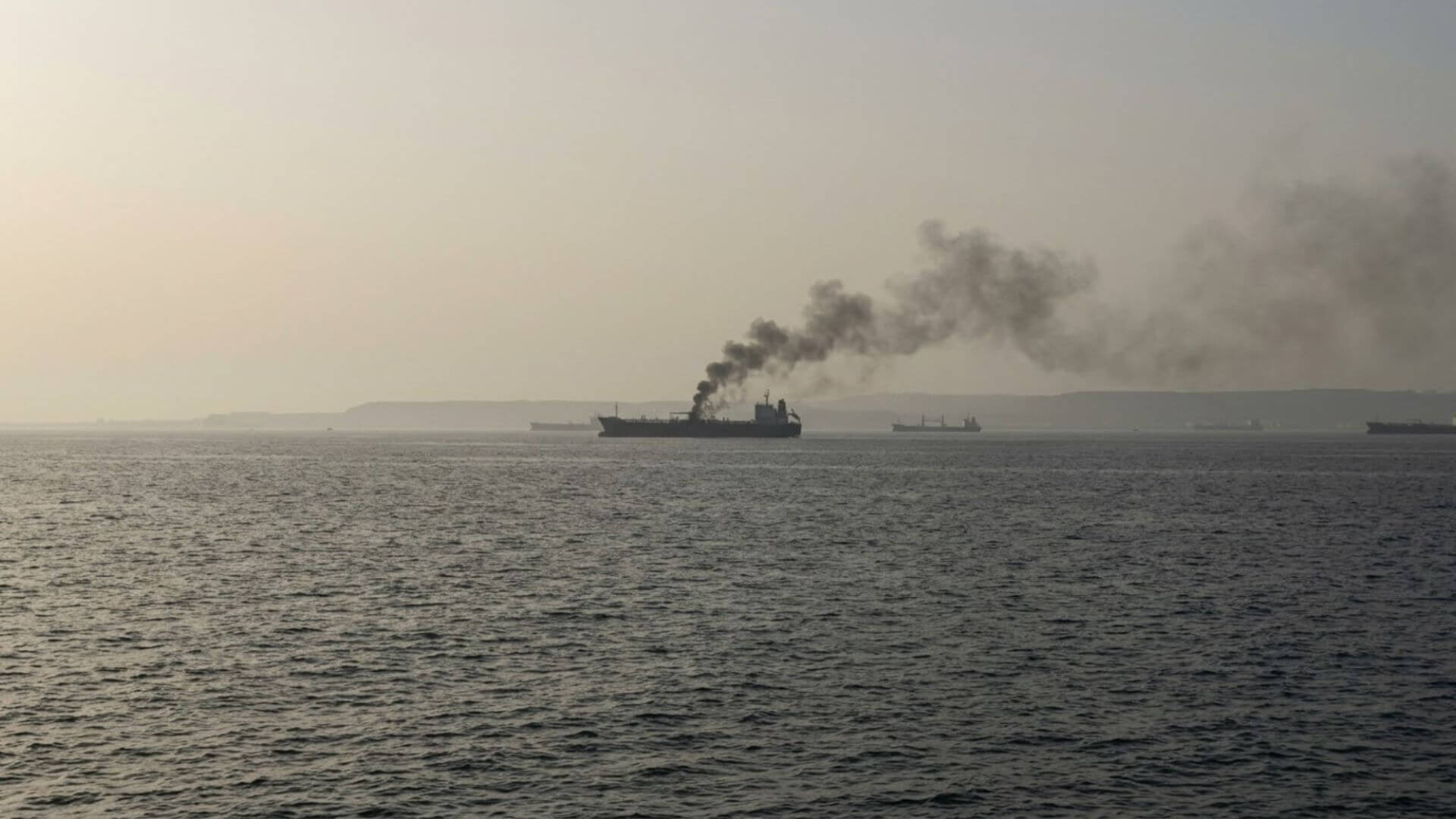
Empirical data confirms crew safety after projectile strike on crude tanker off UAE
On November 11, 2026, a projectile struck a Liberia-flagged crude oil tanker carrying 22 seafarers off the UAE port of Mina Saqr. Empirical data now confirms that all crew members are safe, a measurable outcome that underscores the critical importance of validated maritime safety protocols. This incident follows recent regional hazards; our coverage of "Enforcing maritime safety in the Strait of Hormuz saves lives and ensures data integrity" explores the systemic safeguards needed to protect seafarers and preserve ocean intelligence.

Projectile Strike on VLCC in Persian Gulf Injures Four Crew Members
A projectile strike on the VLCC MT Fujairah Energy in the Persian Gulf on November 10 injured four crew members, including one of the six Indian seafarers aboard. This attack on a Liberia-flagged vessel underscores the fragile security in a waterway critical to global energy supply and maritime safety. For deeper analysis on regional stability, see our related coverage on Strait of Hormuz stability challenged by confirmed strike on Oman's Didamar Island.
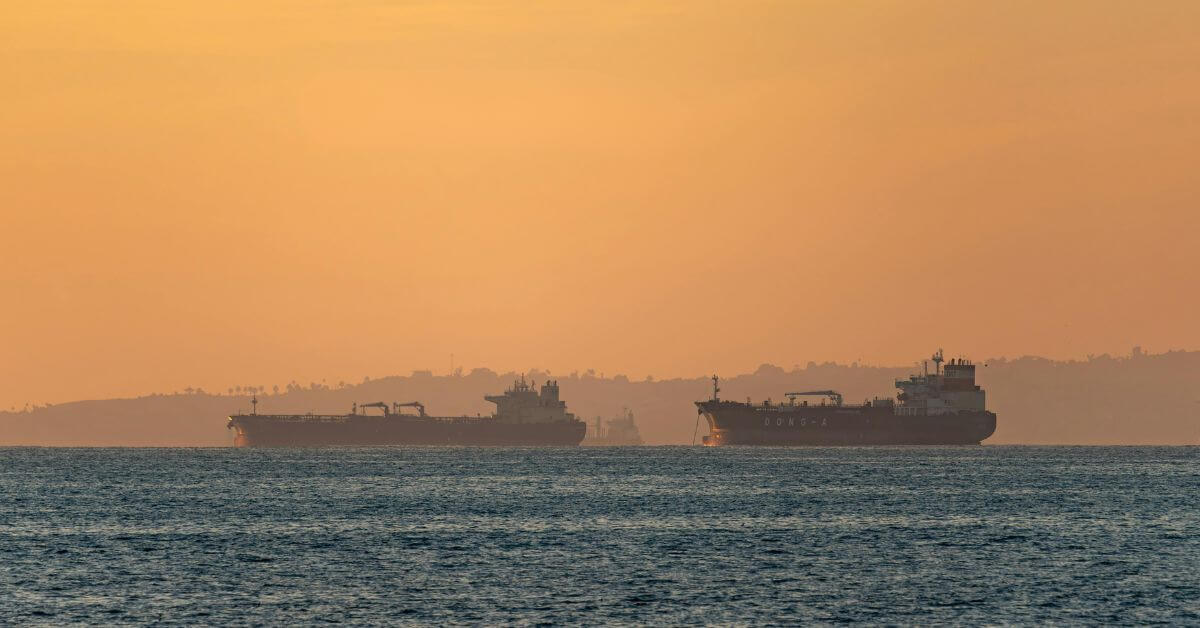
Drone damage and severe weather ground two vessels near Istanbul
Two commercial vessels have grounded near Istanbul, one after drone damage and another following severe weather. These incidents follow multiple reported drone attacks on commercial shipping in the Black Sea throughout October. The convergence of conflict-driven threats and natural hazards in a single maritime corridor is a measurable risk that demands integrated monitoring. For deeper context on regional drone escalation, see our coverage of the Black Sea tanker attacks off Romania.
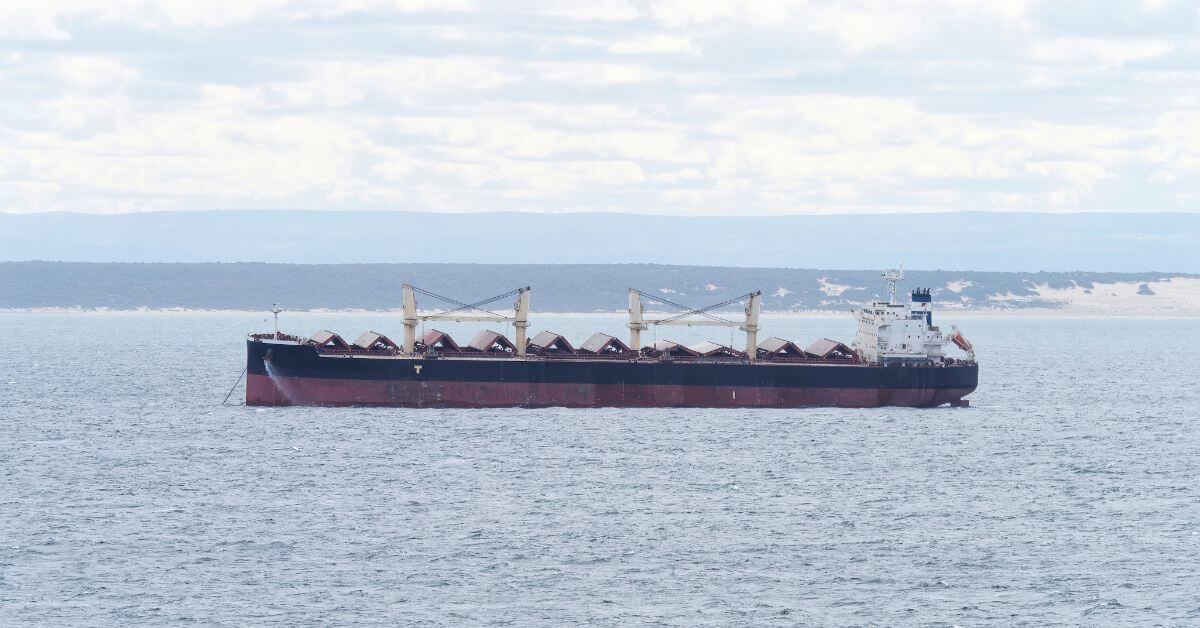
Two vessels collide at Chittagong anchorage as maritime incident data emerges
Two vessels collided at Chittagong anchorage, with the first incident recorded at Kutubdia anchorage involving Panama-flagged MV APJ Shirin and Liberia-flagged MV HG Sydney. These incidents emerge as maritime data becomes more measurable and integrated, a reminder that empirical tracking is essential for safety. Understanding drives protection. For deeper context on maritime accountability, read our coverage of the captain charged over Ukrainian grain transport.
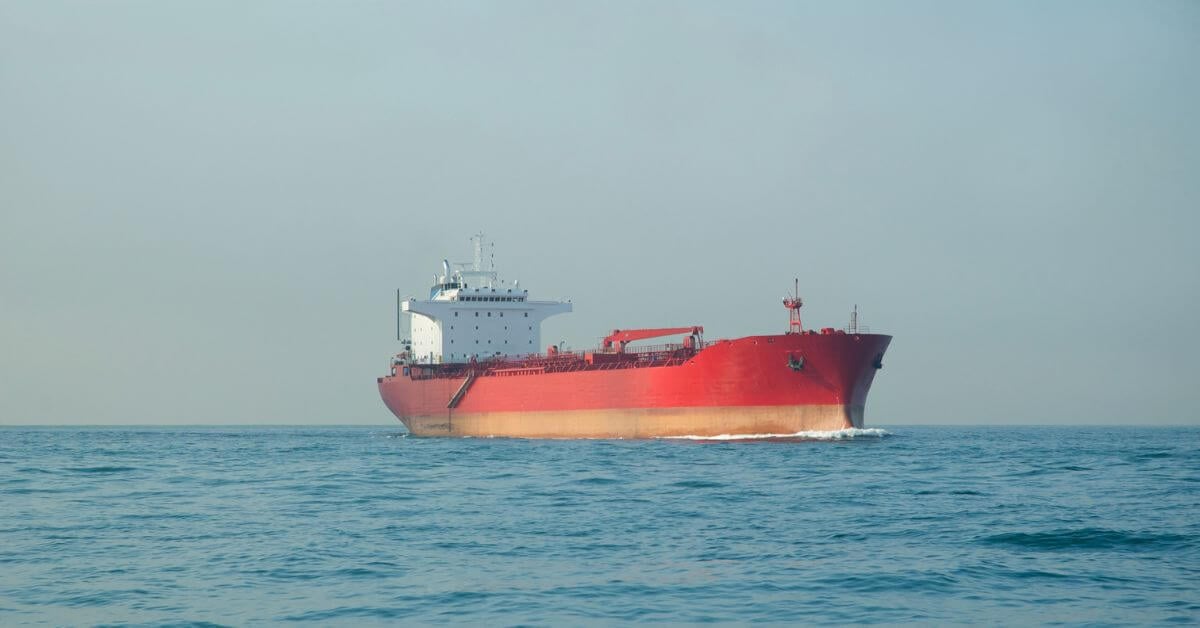
Drone Strike Impacts LPG Tanker Near Strait of Hormuz.
A Liberia-flagged LPG tanker carrying nine Indian seafarers was struck by a drone while sailing eastbound outside the Strait of Hormuz. The incident underscores how vulnerable commercial shipping remains in a waterway that carries a third of the world's liquefied gas. Precision matters here: every attack raises the cost of transit, and the ripple effects are measurable. For context on the region's mounting pressure, our related coverage in "Phased Negotiations Aim to Ease Restrictions on Strait of Hormuz" outlines the diplomatic stakes.

Tanker Stopped Near Strait of Hormuz; AIS Data Under Review.
AIS tracking data placed the Liberia-flagged tanker *Amara* in a sudden stop south of Qeshm Island during its inbound transit of the Strait of Hormuz. A halt of this kind, in such a critical maritime corridor, warrants close observation rather than speculation. The review of the vessel's movement data will be the measure of what happens next. For broader context on the region's shifting oil flows, our piece on Gulf of Oman STS transfers offers useful perspective.