inflation
inflation at World Data Ocean is a file of 8 stories. The newest of them: “HMS Dragon's return narrows Royal Navy presence in the Gulf to one vessel”, “Longitudinal deployment of USS Abraham Lincoln concludes, validating extended naval readiness”, and “Reduced Canal Crossings: Climate Impacts Threaten Global Trade Flows”. HMS Dragon's return to Portsmouth after seven months in the Gulf leaves just one Royal Navy vessel in the region, a narrow presence that demands scrutiny. Three hundred twenty-two days at sea. A Global Hub for Ocean Intelligence 4 World Data Ocean is a centralized digital platform where researchers, scientists, and ocean enthusiasts converge to… The list below is every inflation story on World Data Ocean, newest first.
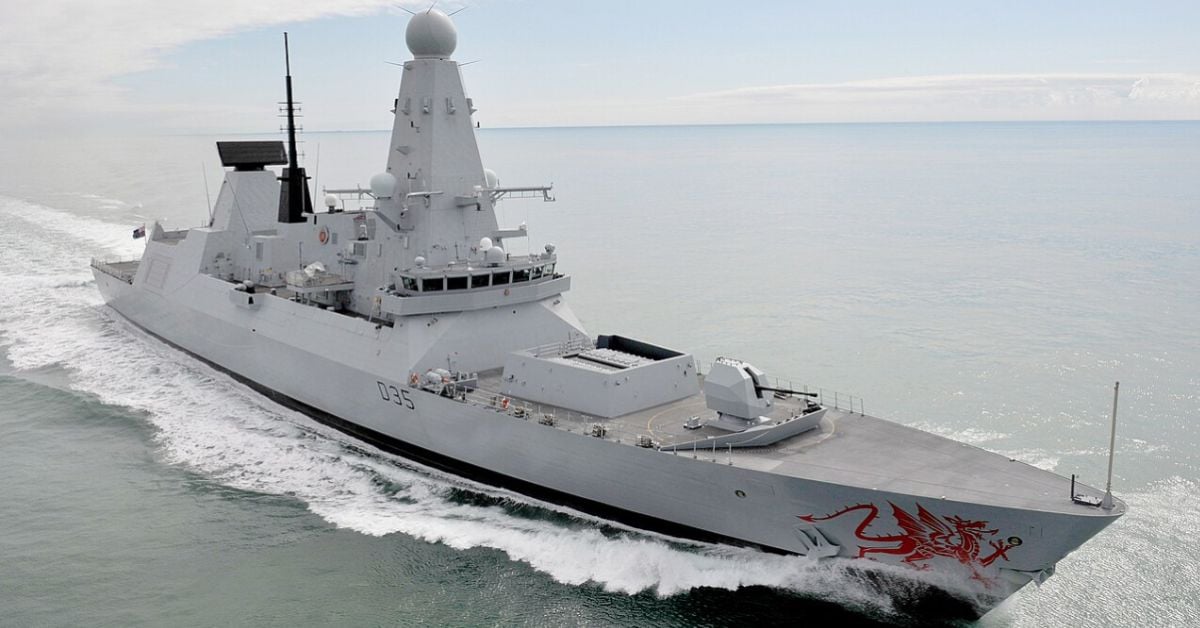
HMS Dragon's return narrows Royal Navy presence in the Gulf to one vessel
HMS Dragon's return to Portsmouth after seven months in the Gulf leaves just one Royal Navy vessel in the region, a narrow presence that demands scrutiny. This reduction comes as maritime threats persist, evidenced by recent drone and fire attacks targeting tankers near the Strait of Hormuz. For deeper context on those escalating risks, see our coverage of the strikes on three tankers. Measured vigilance, not alarm, is the appropriate response.
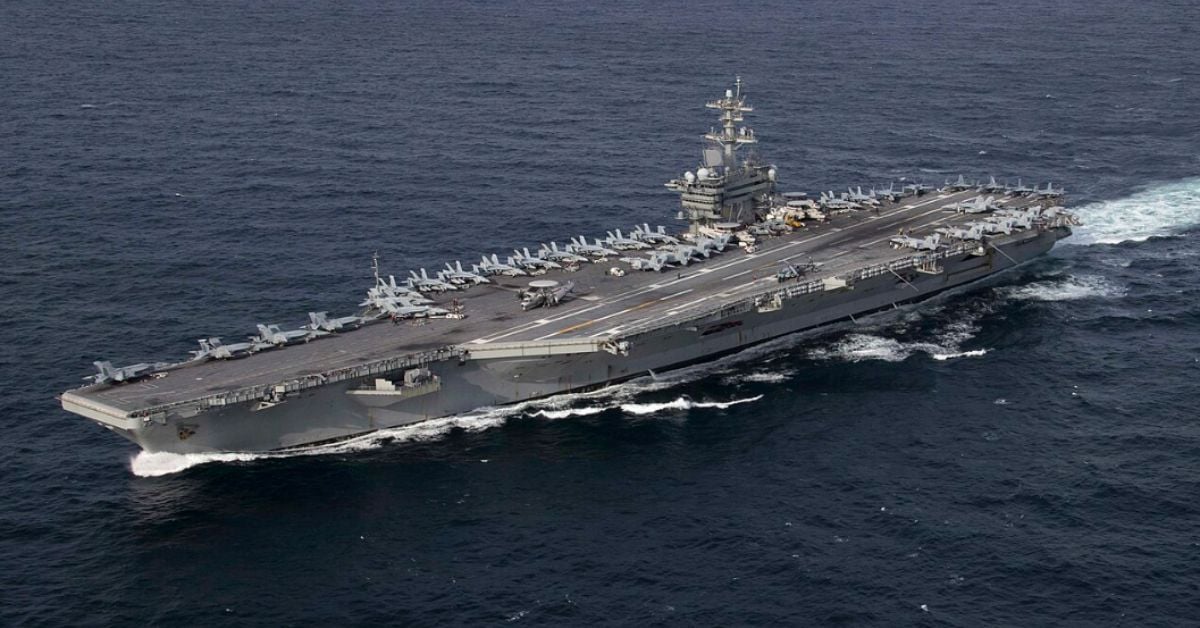
Longitudinal deployment of USS Abraham Lincoln concludes, validating extended naval readiness
Three hundred twenty-two days at sea. The USS Abraham Lincoln has returned home, concluding a longitudinal deployment that validates extended naval readiness. This isn't just a homecoming; it's a measured, empirical proof point for sustained maritime operations under real-world pressure. The data from this record deployment strengthens our understanding of long-duration readiness. For deeper analysis of the operational metrics, see our related piece on "265 days at sea: validated data from a record naval deployment."
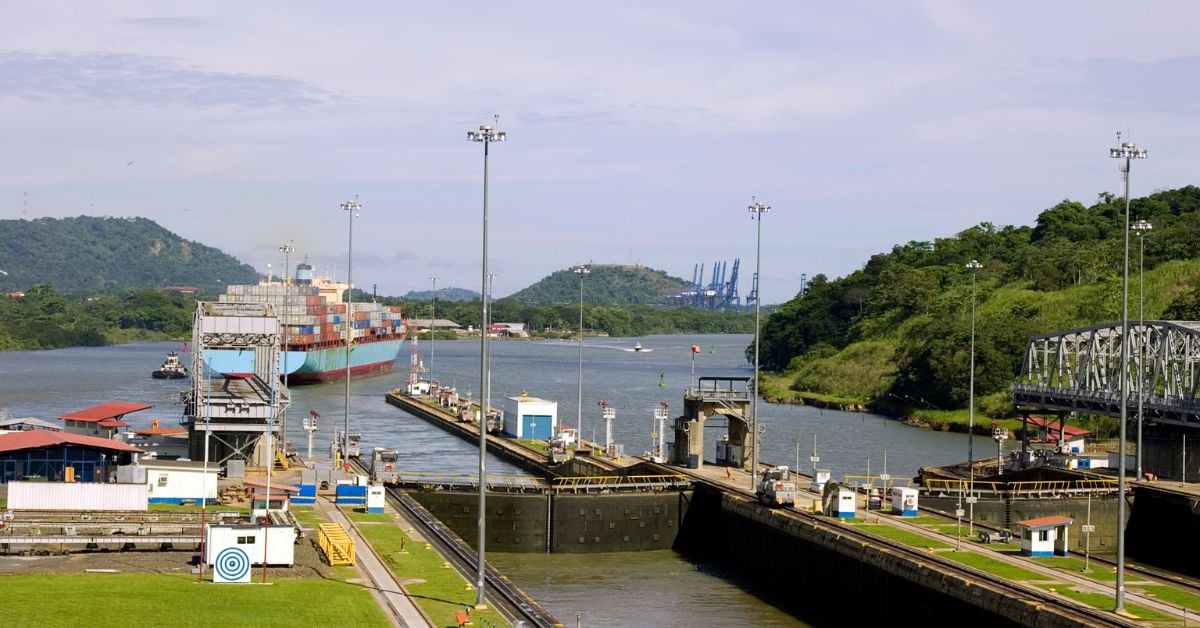
Reduced Canal Crossings: Climate Impacts Threaten Global Trade Flows
Reduced canal crossings now stand at just 29 per day. Drought and low rainfall are tightening the Panama Canal's capacity, a measurable strain on global trade flows that demands empirical attention. This is not an isolated pressure point. Our coverage of "Russia Calibrates Export Revenue for Northern Sea Route Icebreaker Fleet" shows how nations are already recalibrating infrastructure in response. Climate indicators are reshaping maritime logistics. Understanding these integrated disruptions is the first step toward protecting the systems we depend on.
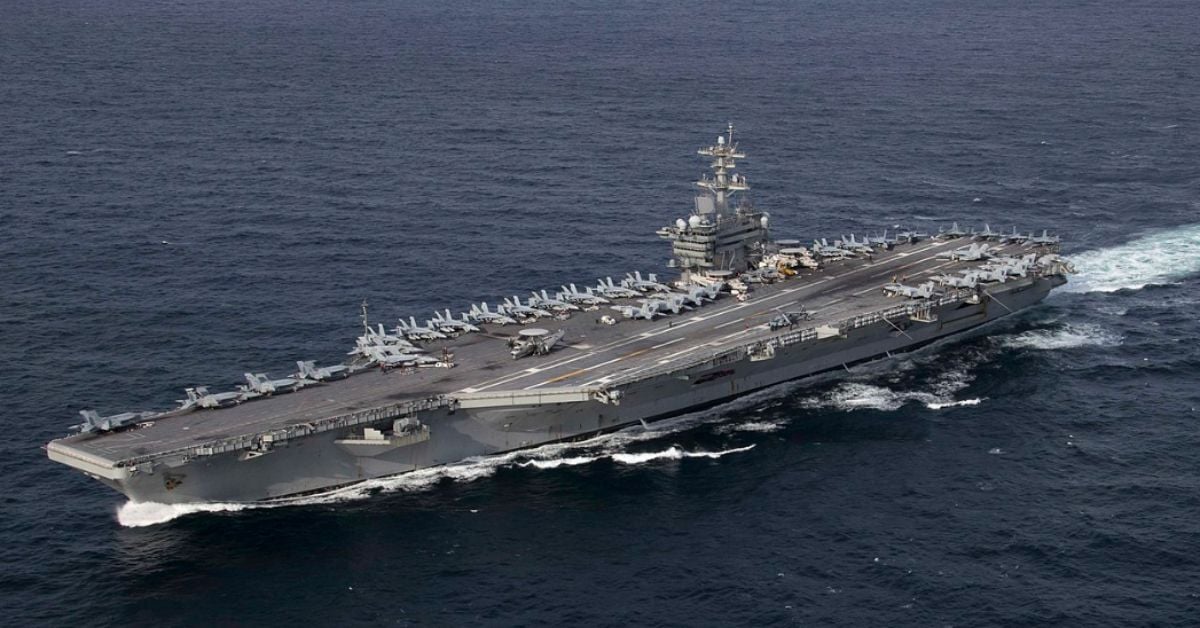
Abraham Lincoln Carrier Completes Middle East Deployment, Heads to Thailand.
The USS Abraham Lincoln will dock in Thailand after a lengthy Middle East deployment, a measured conclusion to months of forward presence. The carrier's transit home marks a routine yet significant operational milestone, reflecting sustained naval readiness across the region. While this return is standard, it underscores the quiet endurance required for global security. For broader context on maritime activity, our piece on Gulf of Oman STS transfers offers timely perspective.
Geopolitical Tensions Rise as Iranian Leader Addresses Regional Security.
Iran's Supreme Leader, Mojtaba Khamenei, has called on Muslim nations to identify their "real enemy" and confront it collectively, framing regional security as a shared test of unity. The message is direct, and it carries weight in a region where alliances shift with the current. We see this not as rhetoric alone, but as a signal with measurable consequences.

Charting New Maritime Pathways: Iran and Oman Negotiate Hormuz Route.
Iranian Foreign Minister Abbas Araqchi confirmed that a deal with Oman would establish new shipping routes through the Strait of Hormuz once conditions are met. The negotiation signals a practical step toward stabilizing a waterway critical to global energy flows. Diplomatic progress here matters, though implementation will test both sides. For context on how pressure is building in nearby waters, our piece on Gulf of Oman STS transfers offers useful background. Measured agreements are welcome, but the real measure lies in execution.

Shipping Industry Cautions Against Transit Tolls in Strait of Hormuz
The shipping industry is pushing back against proposed transit tolls in the Strait of Hormuz, urging caution as Iran and Oman reportedly near an agreement to manage the waterway. The stakes are measurable: this is a critical artery for global energy, and adding costs now could ripple across supply chains still recalibrating from past disruptions. The concern is legitimate, though negotiation details remain thin.

US Actions Target Iran's Maritime Revenue Flow Through Strait of Hormuz
The United States and Saudi Arabia have launched joint strikes on Iran-backed groups in Iraq, while Washington's broader pressure campaign targets Tehran's maritime revenue through the Strait of Hormuz. These moves are precise, deliberate, and calibrated to disrupt financial flows without escalating into wider conflict. Pressure this measured can work, but only if it remains consistent. For context on how regional oil movements are already straining, our related piece on Gulf of Oman STS transfers offers useful grounding.