icebreakers
icebreakers at World Data Ocean is a file of 7 stories. The newest of them: “Russia Calibrates Export Revenue for Northern Sea Route Icebreaker Fleet”, “Alaska’s Base Kodiak to Gain Enhanced Arctic Capabilities with New Pier”, and “Rising Russian Submarine Activity Demands Enhanced NATO Ocean Intelligence.”. Russia plans to collect more than 200 billion roubles from exporters to fund two new icebreakers for the Northern Sea Route, a move that ties Arctic access directly to fiscal strategy. The U.S. A Global Hub for Ocean Intelligence 4 World Data Ocean is a centralized digital platform where researchers, scientists, and ocean enthusiasts converge to… The list below is every icebreakers story on World Data Ocean, newest first.
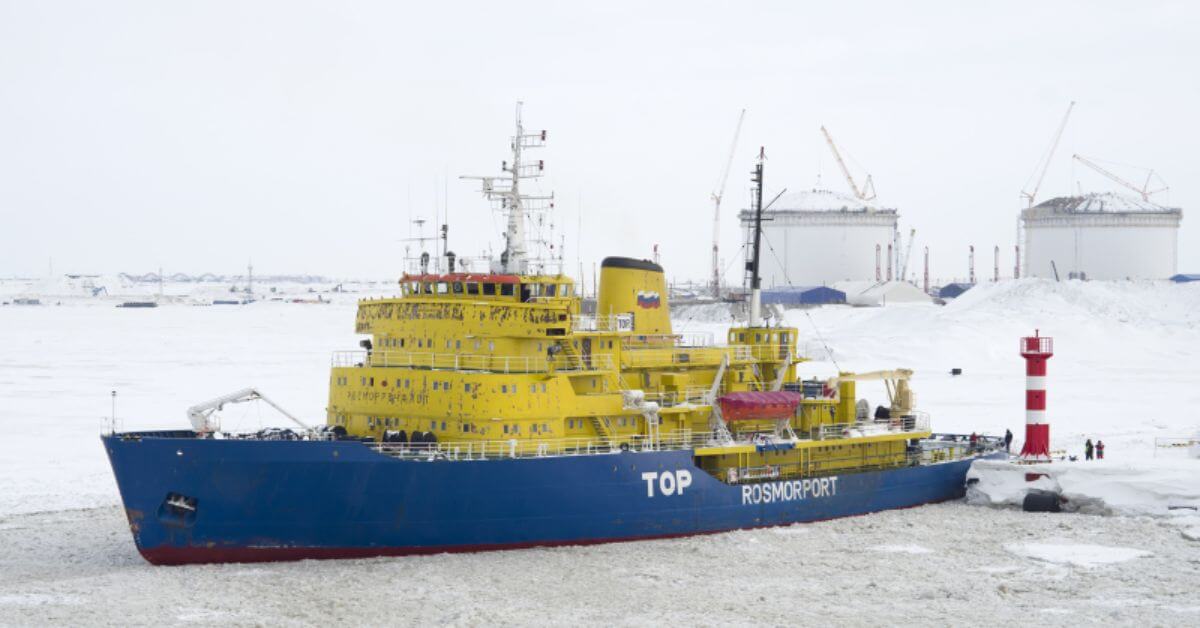
Russia Calibrates Export Revenue for Northern Sea Route Icebreaker Fleet
Russia plans to collect more than 200 billion roubles from exporters to fund two new icebreakers for the Northern Sea Route, a move that ties Arctic access directly to fiscal strategy. It is a calibrated bet: revenue marshaled now for extended navigation later. The sums are substantial, and the intent is clear. For context on how maritime infrastructure continues to shape regional ambitions, see our coverage of the Vostok project's Arctic oil exports.
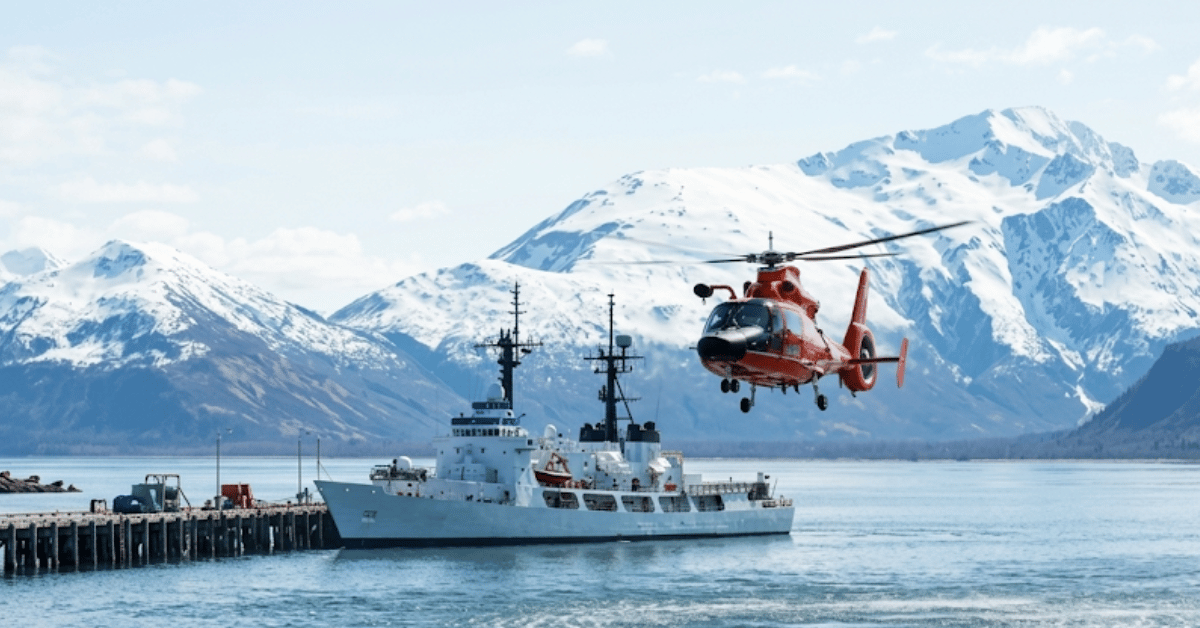
Alaska’s Base Kodiak to Gain Enhanced Arctic Capabilities with New Pier
The U.S. Coast Guard's $315 million contract for a new cutter mooring and fuel pier at Base Kodiak is a measured step toward strengthening Arctic readiness. This investment gives Alaska's hub the infrastructure to sustain operations where climate indicators demand attention. It is practical, forward-looking, and overdue. For broader context on polar infrastructure momentum, our coverage of Russia's Northern Sea Route icebreaker financing offers a useful contrast. This pier is about capacity, plain and simple, and that is how we measure progress.
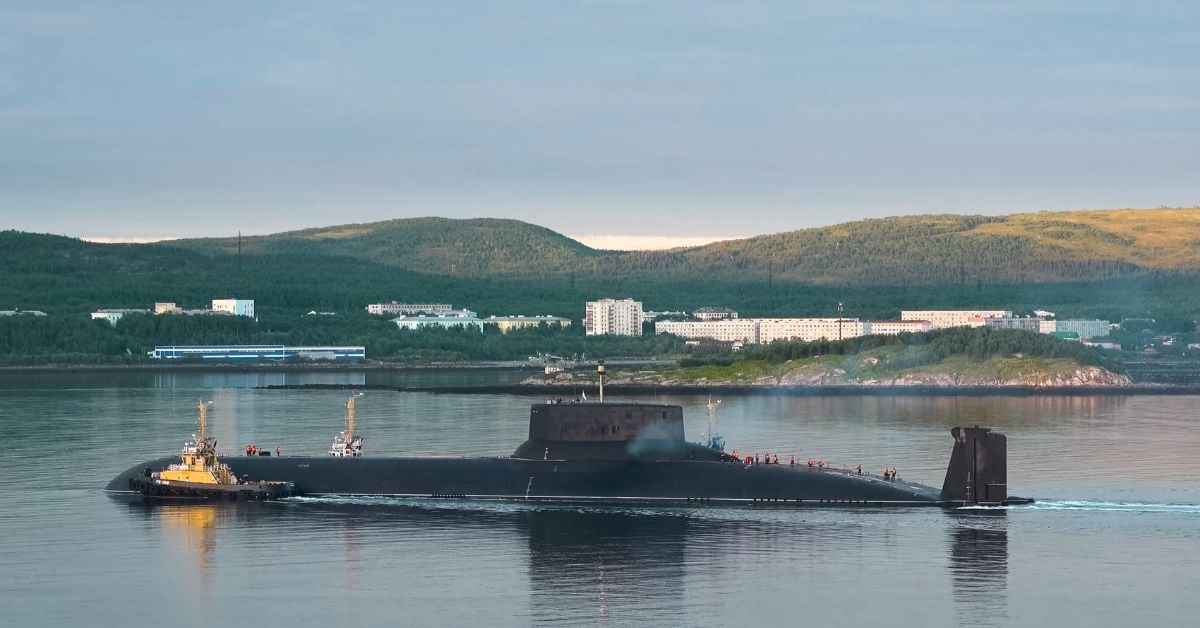
Rising Russian Submarine Activity Demands Enhanced NATO Ocean Intelligence.
A former NATO Commander has flagged the expansion of Russian submarine capabilities as a direct challenge to Atlantic security. This is not a distant concern, it is a measurable shift in naval defence infrastructure demanding calibrated response. Enhanced ocean intelligence, integrating real-time data from seabed to surface, becomes essential. For context, our coverage of the Vostok Project's Arctic oil exports shows how Russia's maritime ambitions extend beyond military posture, linking economic and strategic pressures in the same integrated data ecosystem.
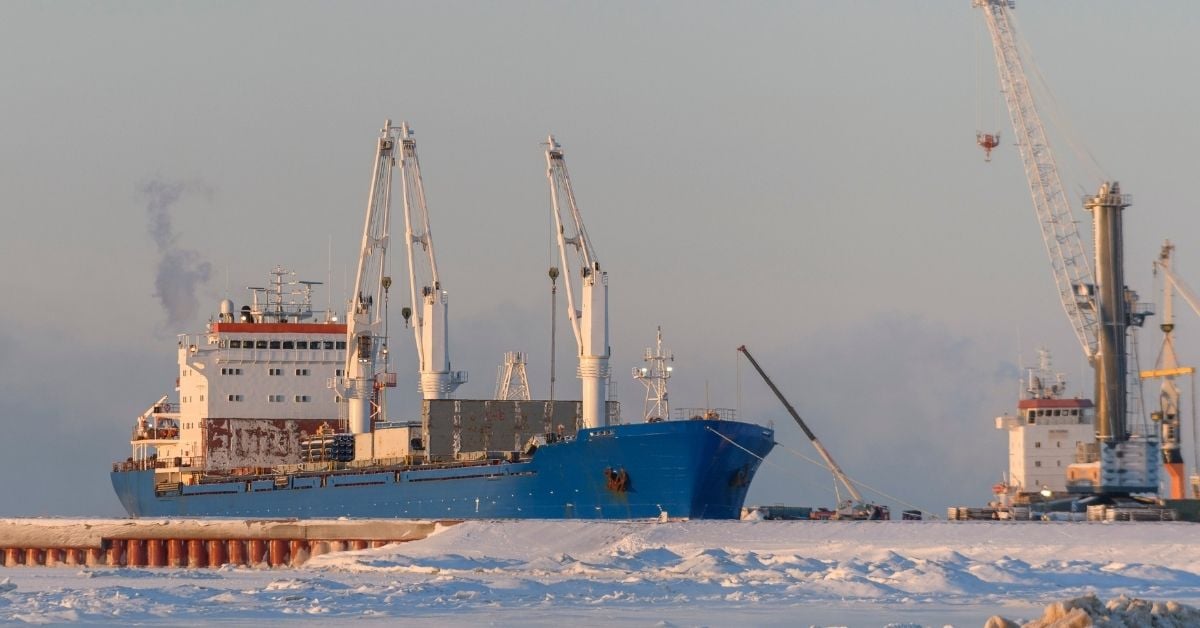
Canadian Grain Resumes European Shipping Via Churchill Port After Six-Year Hiatus
Thirty thousand tonnes of durum wheat now sit aboard a vessel bound for Europe, the first such departure from Churchill, Manitoba, in six years. This resumption of Canadian grain shipping through the Port of Churchill signals a practical return to a vital Arctic corridor. It is a measured step, but a telling one for northern logistics. For broader context on shifting Arctic trade routes, our coverage of the Vostok Project's Arctic oil exports offers a parallel view.

Canada Bolsters Arctic Capabilities with New Icebreaker Fleet.
Canada is putting steel behind its Arctic strategy with a new icebreaker fleet that will give NATO its largest polar capability. The move sharpens a quiet but consequential gap: the United States operates just three aging polar icebreakers. This is what integrated ocean intelligence looks like in practice: measured, deliberate, and forward-deployed. For readers tracking the wider picture, our coverage of Russia's Northern Sea Route fleet plans offers a useful counterpoint. The Arctic is no longer a frontier; it is a jurisdiction.

Expanding Naval Capacity: Pentagon Explores International Shipbuilding Options
President Donald Trump's memorandum directing the Pentagon to explore foreign-built warships and auxiliary vessels marks a pragmatic recalibration of U.S. naval strategy. Expanding capacity through international shipbuilding is not an admission of weakness; it is an acknowledgment that timelines and industrial output matter. The move invites scrutiny, but it also opens a lane for allied integration. For deeper context on how other nations are scaling maritime assets, our coverage of China's new nuclear carrier signals extended naval operations capability offers a useful comparison.

Chinese Shipping Expands Arctic Route Access via Northern Sea Route.
Seven Chinese vessels have received permits to transit the Northern Sea Route to Europe, a concrete step in Beijing's Arctic engagement. Rosatom's approval signals Russia's willingness to integrate Chinese shipping into its ice-covered corridor. The move is practical, not ceremonial: it extends commercial reach while testing the route's reliability. For readers tracking the region's momentum, our related piece on Russia's icebreaker export revenue calibrations offers useful context on the infrastructure behind these transits.