frigate
8 stories filed under frigate on World Data Ocean. The newest of them: “Turkish Navy marks 488th Preveva anniversary with homegrown frigate TCG Istanbul”, “Kiwi Frigate Monitors Sanctions, Enhancing Global Maritime Security Intelligence”, and “Taiwanian Exercise Validates Supersonic Missile Capability Against Naval Target”. The Turkish Navy's 488th Preveza anniversary parade featured TCG Istanbul, Türkiye's first domestically designed and built frigate. For three months, a Royal New Zealand Navy task group has monitored possible violations of UN sanctions against North Korea, turning a routine patrol into a concrete measure of maritime accountability. A Global Hub for Ocean Intelligence 4 World Data Ocean is a centralized digital platform where researchers, scientists, and ocean enthusiasts converge to… The list below is every frigate story on World Data Ocean, newest first.
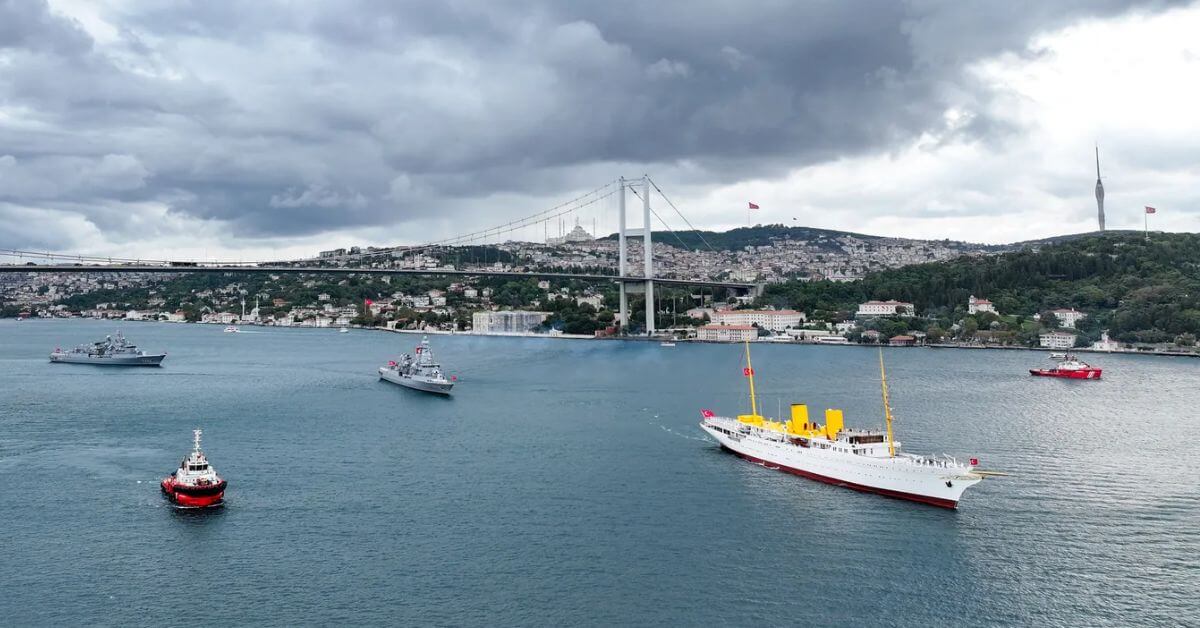
Turkish Navy marks 488th Preveva anniversary with homegrown frigate TCG Istanbul
The Turkish Navy's 488th Preveza anniversary parade featured TCG Istanbul, Türkiye's first domestically designed and built frigate. This is measurable progress in national naval capability. Validated, homegrown engineering now sails alongside tradition. For deeper coverage on integrated maritime power, see our related article on Pakistan's "Validated long-range strike capability demonstrated in Arabian Sea test." Understanding drives protection, from shipyard to sea.
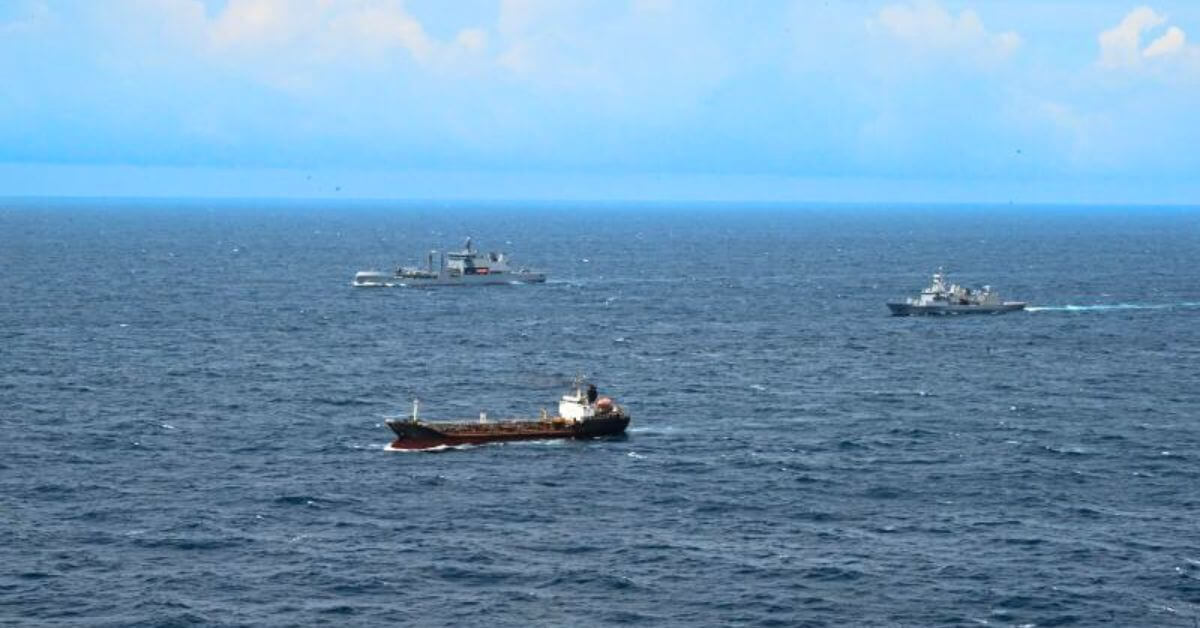
Kiwi Frigate Monitors Sanctions, Enhancing Global Maritime Security Intelligence
For three months, a Royal New Zealand Navy task group has monitored possible violations of UN sanctions against North Korea, turning a routine patrol into a concrete measure of maritime accountability. This is the kind of quiet, persistent work that gives "ocean intelligence" its weight. The deployment strengthens global security, yet it rarely makes headlines. It should. For deeper context on how regional navies are expanding their reach, see our related piece, "New Zealand Vessels Traverse Taiwan Strait En Route to Philippines Exercise.
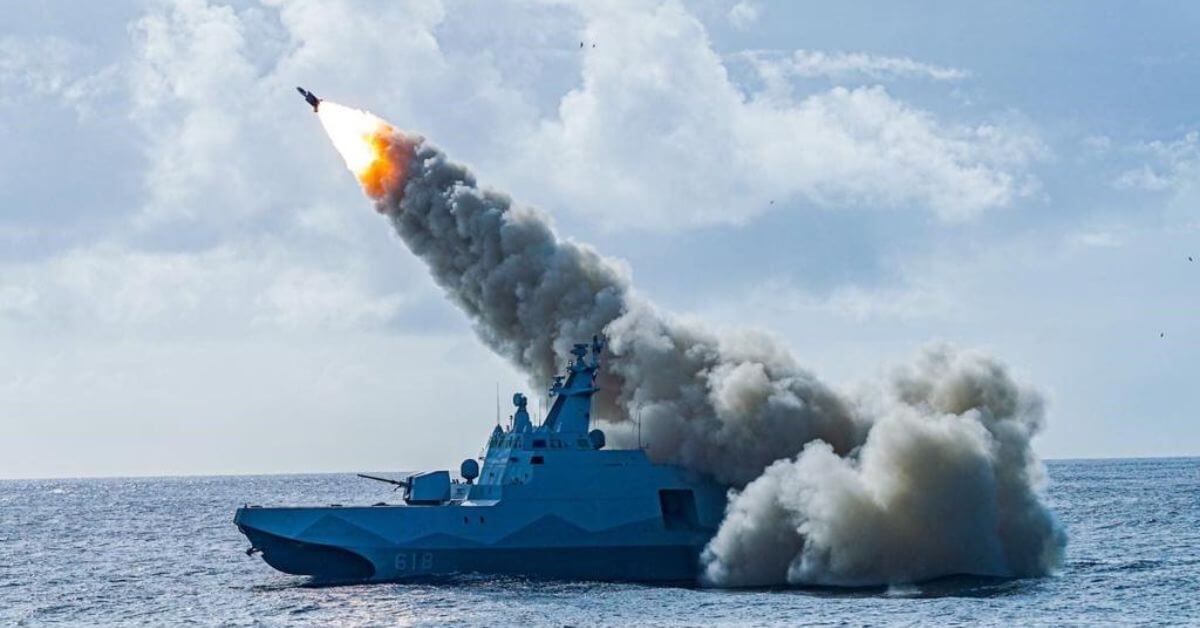
Taiwanian Exercise Validates Supersonic Missile Capability Against Naval Target
On September 18, Taiwan sank a decommissioned navy frigate with anti-ship missiles during a three-day exercise in Pingtung, validating supersonic missile capability against naval targets. The precision speaks to measurable progress in defense readiness, a point worth watching closely. Regional maritime activity remains a live thread, as seen in our coverage of New Zealand vessels transiting the Taiwan Strait en route to a Philippines exercise. These events underscore a shared focus on security, though each story stands on its own facts.
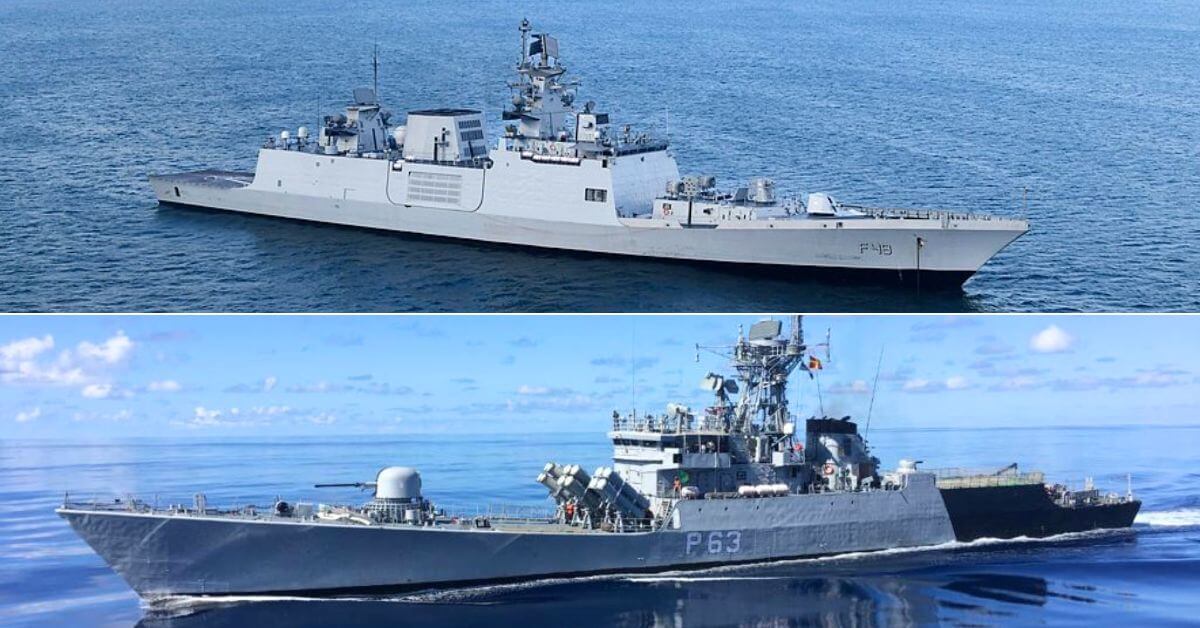
Integrated Maritime Data Collection Underway in Philippine Exercise
The INS Sahyadri and INS Kulish have arrived at Subic Bay, marking the start of integrated maritime data collection during a Philippine exercise. This is a practical demonstration of how naval assets can work together to gather empirical, real-time ocean intelligence. The mission underscores the value of measured, collaborative operations in a region where climate indicators and security concerns increasingly overlap. For broader context on how such efforts align with future fleet ambitions, readers may explore our related coverage on India's expanded naval projections.
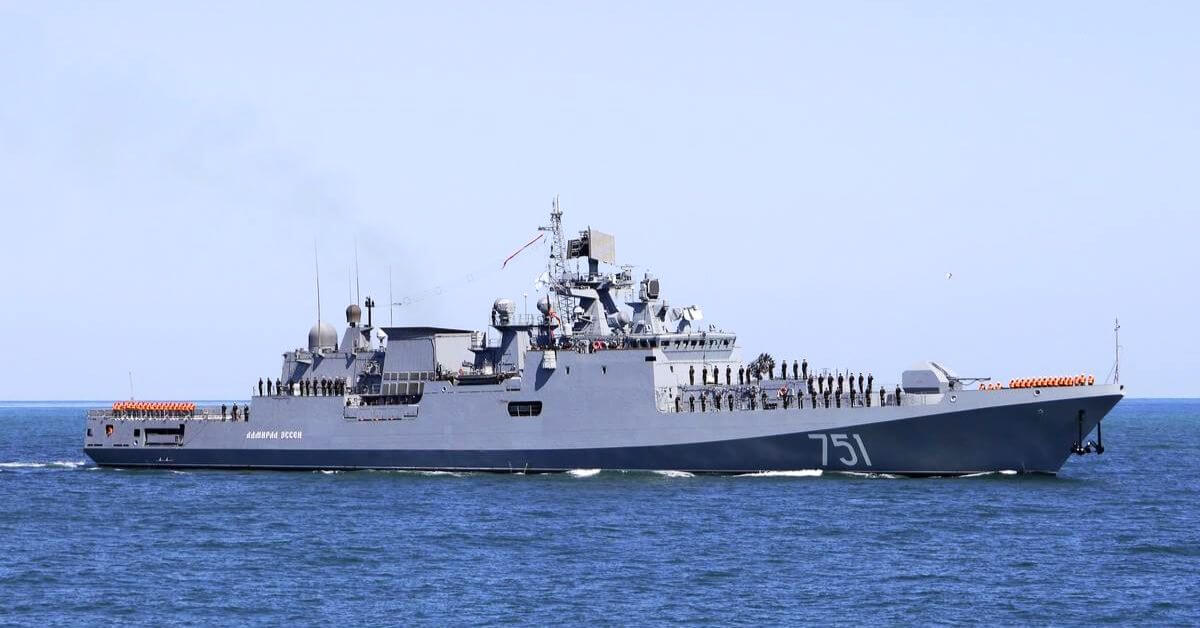
Ukraine Strikes Key Russian Warship in Black Sea Port
Ukraine's strike on a key Russian warship at Novorossiysk, Russia's largest Black Sea port, demonstrates a calibrated shift in maritime conflict. This operation targets not just a vessel but the logistical backbone sustaining naval power in the region. Measurable impacts on Russian export capacity and fleet readiness merit close observation. For deeper context on how Russia is recalibrating its maritime economic strategy, see our related coverage on the Northern Sea Route icebreaker fleet. Understanding these integrated dynamics is essential.
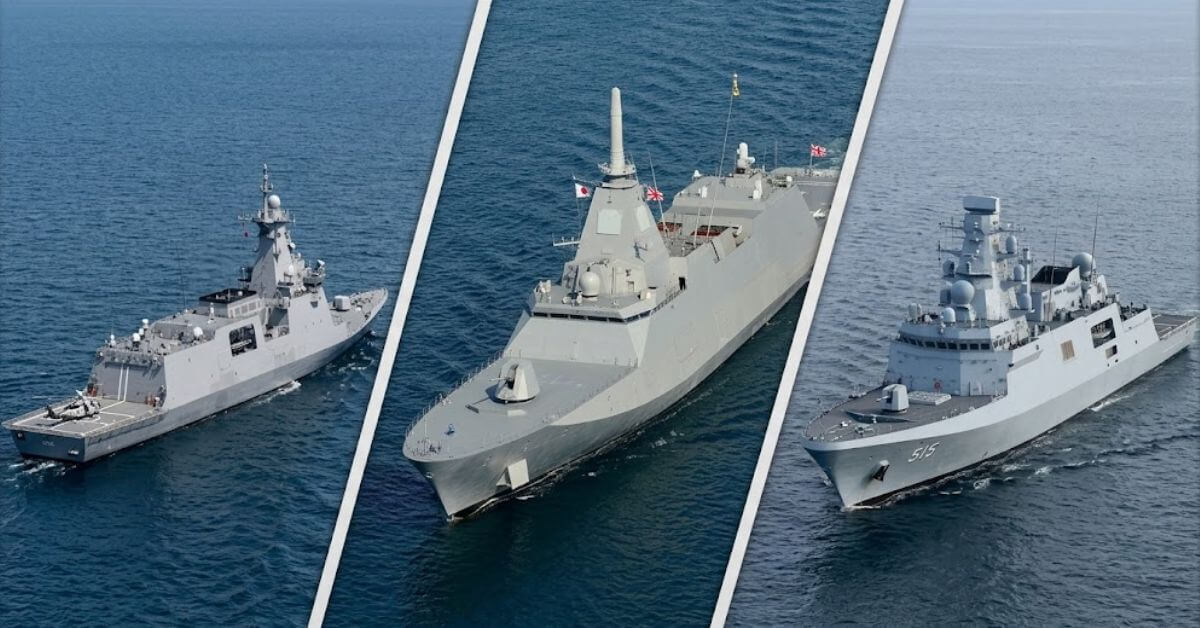
Global Shipbuilding Collaboration: Navy Explores International Frigate Options
The U.S. Navy's move to explore international frigate options signals a pragmatic shift toward speed without sacrificing domestic investment. This approach, which pairs foreign collaboration with targeted funding for U.S. shipyards and workforce expansion, reflects a measured strategy for meeting modern demands. It is a practical acknowledgment that no single nation can build everything alone, and that shared expertise strengthens overall capability. For readers tracking parallel efforts, our coverage of India's expanded naval fleet offers a useful counterpoint.

Escorted LNG Transit Highlights Arctic Shipping and Geopolitical Shifts
The Northern Sea Route is no longer a theoretical exercise in Arctic logistics. The Russian frigate Admiral Kasatonov's escort of the LNG carrier Portovyy, fresh from Gazprom's Portovaya plant, is a concrete demonstration of how energy transit and naval power now move in lockstep. This is not alarmism; it is the calibrated reality of a changing map. The escort signals that Arctic shipping lanes are becoming strategic chokepoints, not just weather-dependent shortcuts.

Poland Launches First Modern Frigate, Bolstering Naval Capabilities
Poland's newest frigate has taken to the water, though its journey is far from complete. The vessel will return to the shipyard for equipment installation and testing, a reminder that naval modernization is a patient, calibrated process. This launch signals a deliberate step forward for Poland's maritime defense, measured and methodical. For readers tracking regional security shifts, our coverage of Taiwan's recent missile exercise offers a useful counterpoint on how navies validate readiness. Progress, here, is built on precision, not spectacle.