earth
earth at World Data Ocean is a file of 10 stories. The newest of them: “Interstellar surprises await as Voyager 1 crosses one light-day”, “Ocean Color Shift Reveals Measurable Climate Indicators Worldwide”, and “A twelve-thousand-fossil record links oxygen to the rise of complex life”. On November 18, Voyager 1 crosses one light-day from Earth, a distance that takes a signal nearly 24 hours to travel. A measurable shift in ocean color, detected across decades of satellite data, now offers a new, empirical window into global climate change. A Global Hub for Ocean Intelligence 4 World Data Ocean is a centralized digital platform where researchers, scientists, and ocean enthusiasts converge to… The list below is every earth story on World Data Ocean, newest first.

Interstellar surprises await as Voyager 1 crosses one light-day
On November 18, Voyager 1 crosses one light-day from Earth, a distance that takes a signal nearly 24 hours to travel. It has been in interstellar space for years, yet it keeps finding surprises. That persistence matters. Each unexpected discovery refines our empirical understanding of the boundary between our solar system and the wider galaxy. This is measured, validated progress. For deeper context on how long-term data reveals planetary change, see our coverage of ancient ocean phosphorus cycles.
Ocean Color Shift Reveals Measurable Climate Indicators Worldwide
A measurable shift in ocean color, detected across decades of satellite data, now offers a new, empirical window into global climate change. These are not subtle variations; they are validated indicators of biological and chemical transformation at planetary scale. Understanding drives protection. For deeper context, our coverage of "Decades of Atlantic circulation data reveal measurable climate indicators" complements this finding, reinforcing how integrated ocean intelligence reveals the pulse of a changing Earth.
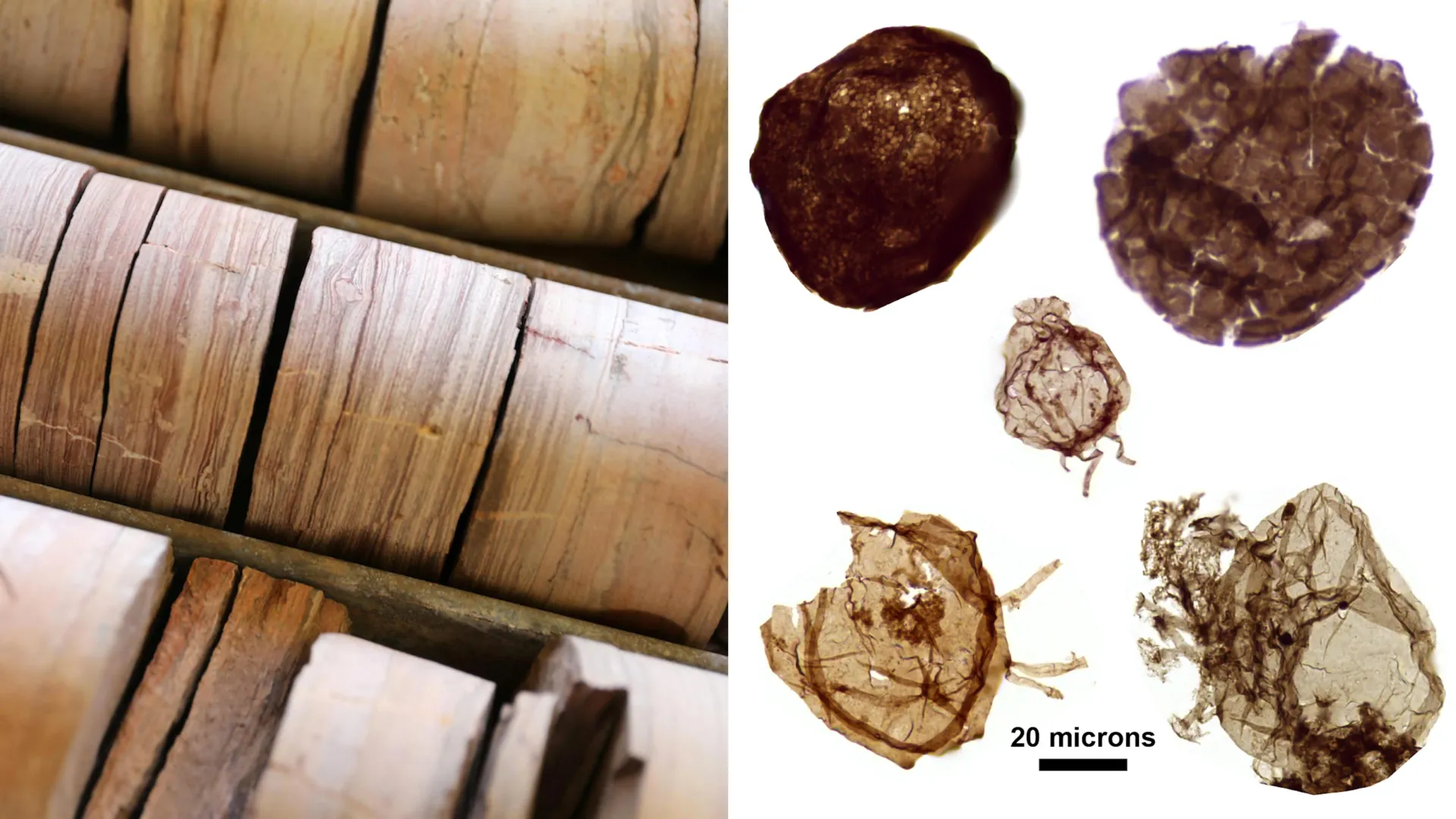
A twelve-thousand-fossil record links oxygen to the rise of complex life
Twelve thousand fossils from ancient Australian rocks now offer the most direct evidence yet that oxygen enabled complex life to emerge. These early eukaryotes flourished in coastal mudflats and open seas, but only where oxygen was present. Oxygen-free zones hosted only simpler microbes. This empirical record strengthens a long-held hypothesis with measurable, validated data. For deeper context on how environmental factors shaped early life, see our coverage of "Magma and microbial activity may rewrite a 2-billion-year-old carbon signal.
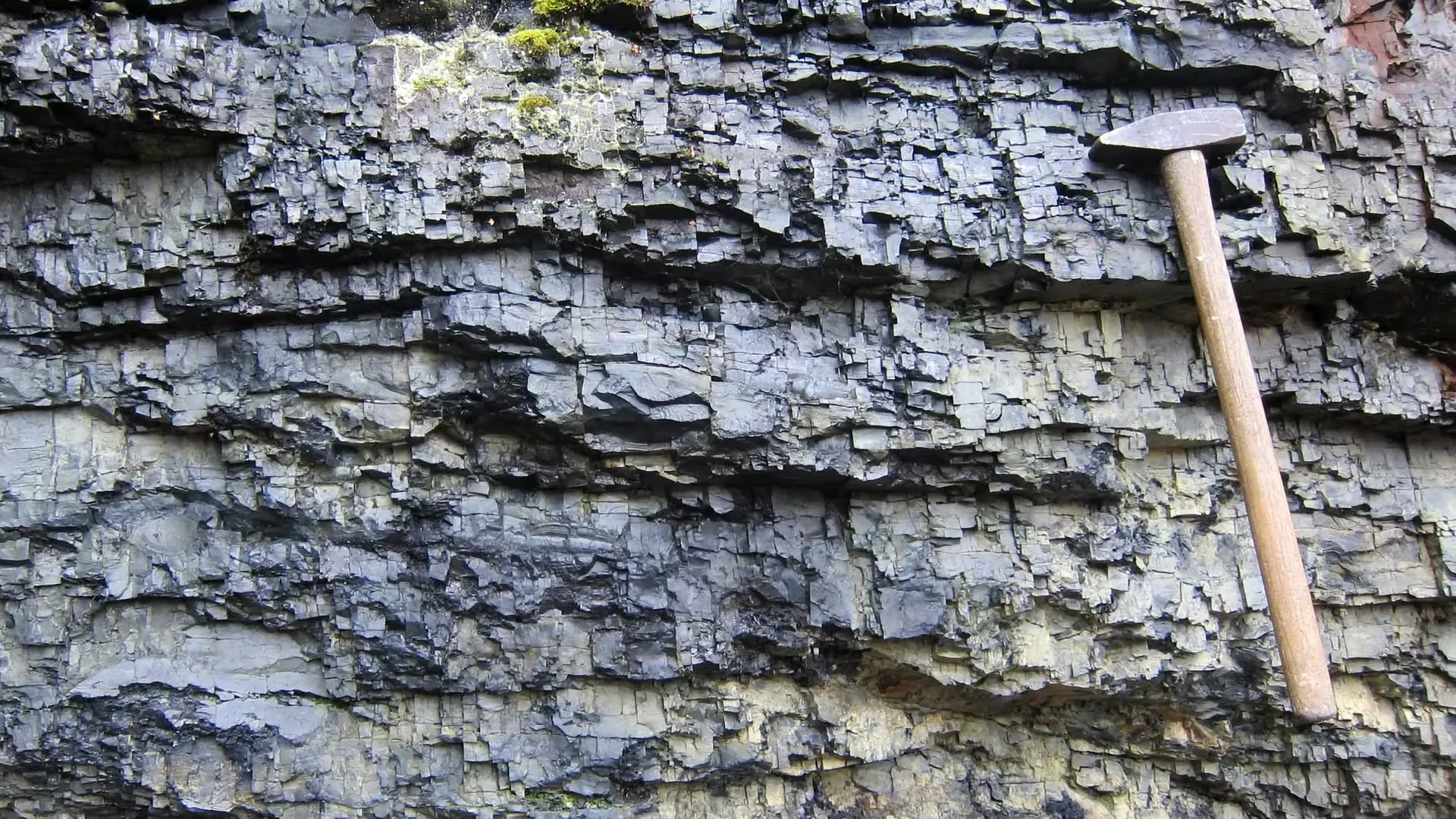
Magma and microbial activity may rewrite a 2-billion-year-old carbon signal
A 2-billion-year-old chemical signature, long read as a planetary turning point, may instead record a quieter, more local story. Scientists found that magma, hydrocarbons, and methane-eating microbes could have produced the signal, not a global shift in Earth's carbon cycle. That distinction matters. It asks us to revisit assumptions about oxygen's rise with calibrated caution. For more context on how Earth's systems respond to pressure, our piece on El Niño's unprecedented ocean warming offers a useful parallel. Understanding drives protection.
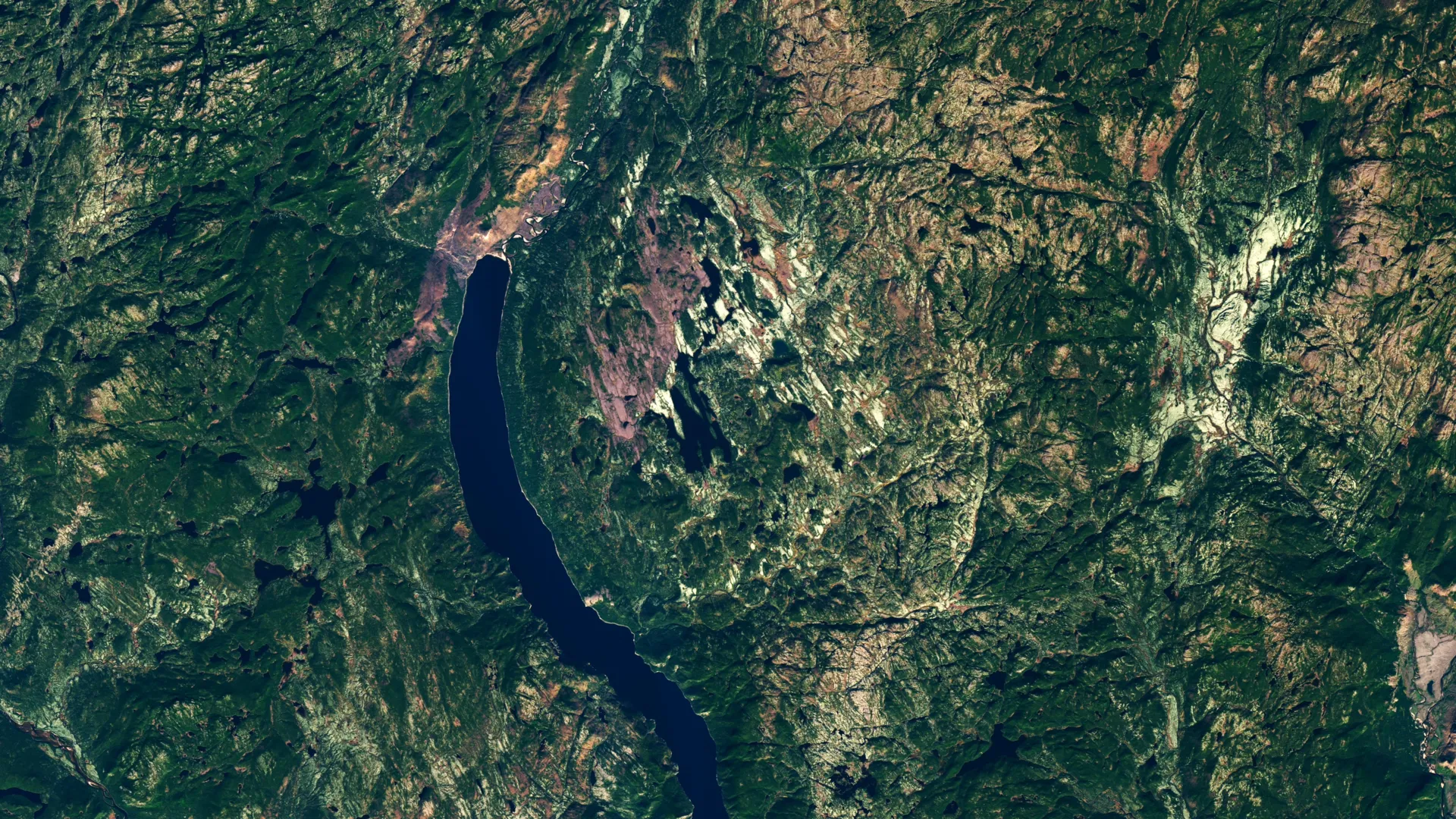
Ancient Impact Crater, 390 Million Years Old, Identified in Quebec
A chance glance at satellite maps for a camping trip has yielded a 390-million-year-old secret. An amateur astronomer's discovery in Quebec led scientists to confirm a 25-kilometer-wide impact crater, evidenced by shatter cones. It is a striking reminder that Earth's history is written in plain sight. For those tracking planetary forces, this find complements our coverage of Cascadia's Subduction Zone Reveals a Fragmented Tectonic Process, adding another layer to our understanding of the planet's dynamic, violent past.

Ocean Warming Amplifies Seismic Activity Through Increased Wave Energy
Seismic records now show something worth pausing on: ocean waves are gaining strength as the planet warms, and that energy is registering deep in the Earth's crust. This is not a distant concern; it is a measurable, peer-reviewed signal that links climate indicators directly to ground motion. The data is clear, and it demands we take the connection between warming oceans and seismic activity seriously.
Ocean Potential Detected on Distant Exoplanet, Data Sparks Debate.
A planet 124 light-years away may hold a global ocean beneath a hydrogen-rich atmosphere, and the data is already sparking debate. Webb has delivered two tentative hints of dimethyl sulfide, a gas tied to marine microbes on Earth, yet independent analyses dispute the find. That tension is the story: not certainty, but calibrated curiosity. We read this as a reminder that ocean intelligence grows through rigorous questioning. For context on how we assess such systems, our World Ocean Assessment coverage offers a grounded counterpoint.
Reconstructing Earth's Past Climate Through Empirical Data Analysis.
Earth's distant past is not a blank slate; it is written in layers of sediment, ice, and shell. Reconstructing Earth's Past Climate Through Empirical Data Analysis, mapped by Carbon Brief, shows how these 'proxy' records translate into measurable climate indicators. This is not speculation; it is calibrated, peer-reviewed science. Understanding these deep-time signals sharpens our view of present-day change. For a related thread on how ancient signals can be misread, see our coverage of magma and microbial activity potentially rewriting a 2-billion-year-old carbon signal.
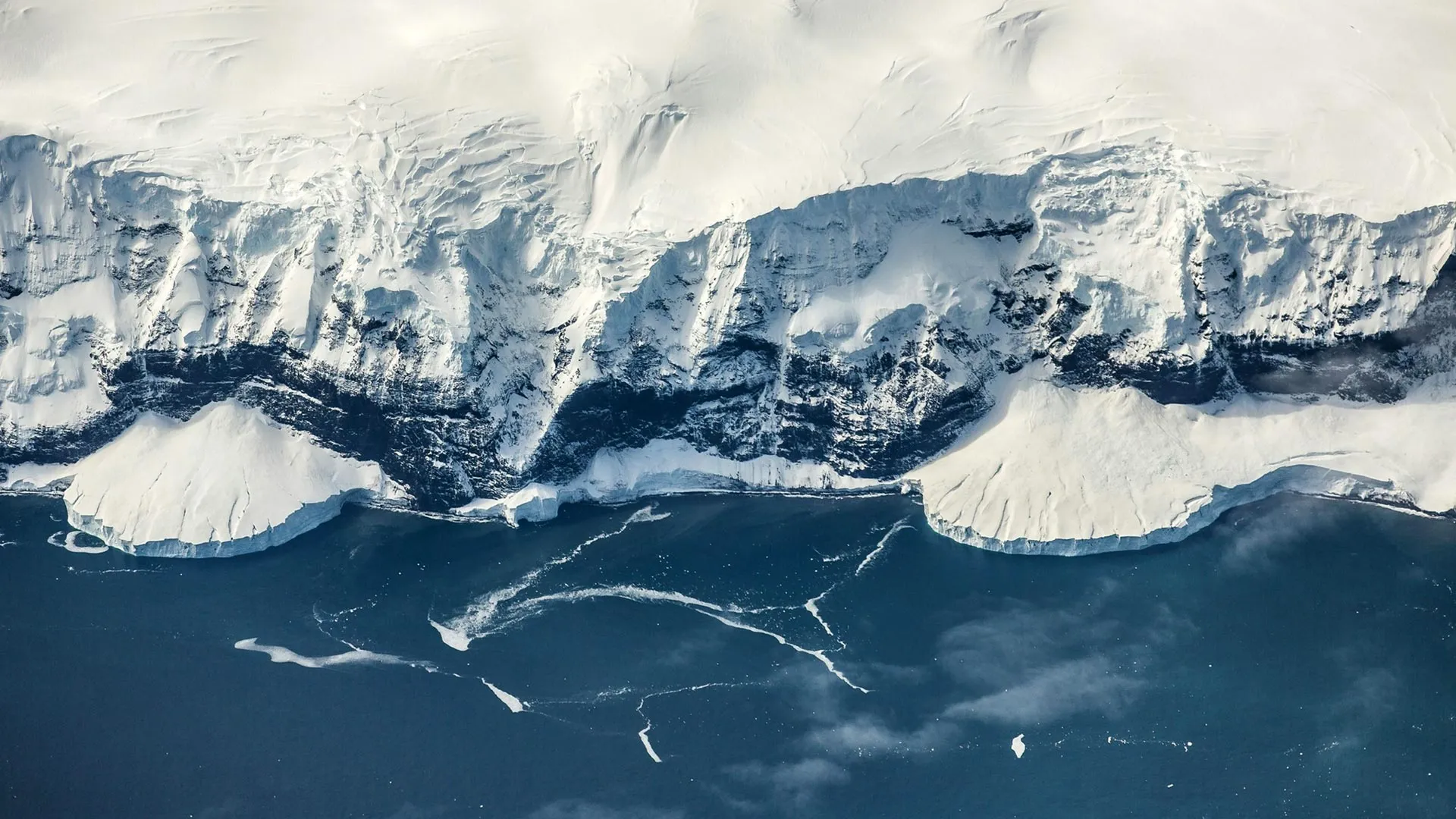
Earth's Interior Shaped Antarctica's Early Ice Age
East Antarctica's ice sheet did not appear because of a cooling planet alone. Slow-moving waves deep within Earth lifted the region, raising mountains and a high plateau where snow could persist even in a warmer world. Once glaciers formed, their reflective surfaces amplified the cooling. This is a reminder that geology and climate move together, not in isolation. For more on how deep Earth processes echo through time, see our coverage of magma and microbial activity rewriting a 2-billion-year-old carbon signal.
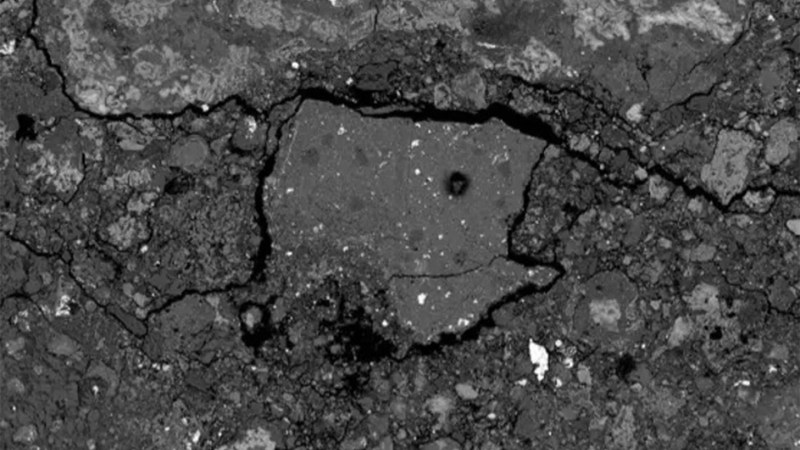
Meteorite Discovery: Amino Acids Hint at Life's Origins.
A single meteorite that crashed through a New Jersey roof in 2024 carries more than cosmic debris; it holds amino acids formed in brine, molecules that may explain how life's building blocks arrived on Earth. The discovery is compelling because it links planetary chemistry to our own origins. We're watching a rock rewrite a fundamental question about life's start. For readers tracking similar breakthroughs, our piece on fossilized dinosaur traits offers another glimpse into survival's deep history.