Donald Trump
18 stories filed under Donald Trump on World Data Ocean. The newest of them: “Cleveland submarine repair hub advances fleet readiness through integrated infrastructure”, “Strait of Hormuz tensions rise as Iran signals new maritime restrictions”, and “US Naval Deployments Continue as Middle East Operations Extend to Eighth Month”. Cleveland's submarine repair hub integrates infrastructure to directly confront a pressing bottleneck: delayed maintenance and repairs across the fleet. The Strait of Hormuz is once again a flashpoint, with Iran signaling new maritime restrictions even as Gulf oil exports rise. A Global Hub for Ocean Intelligence 4 World Data Ocean is a centralized digital platform where researchers, scientists, and ocean enthusiasts converge to… The list below is every Donald Trump story on World Data Ocean, newest first.
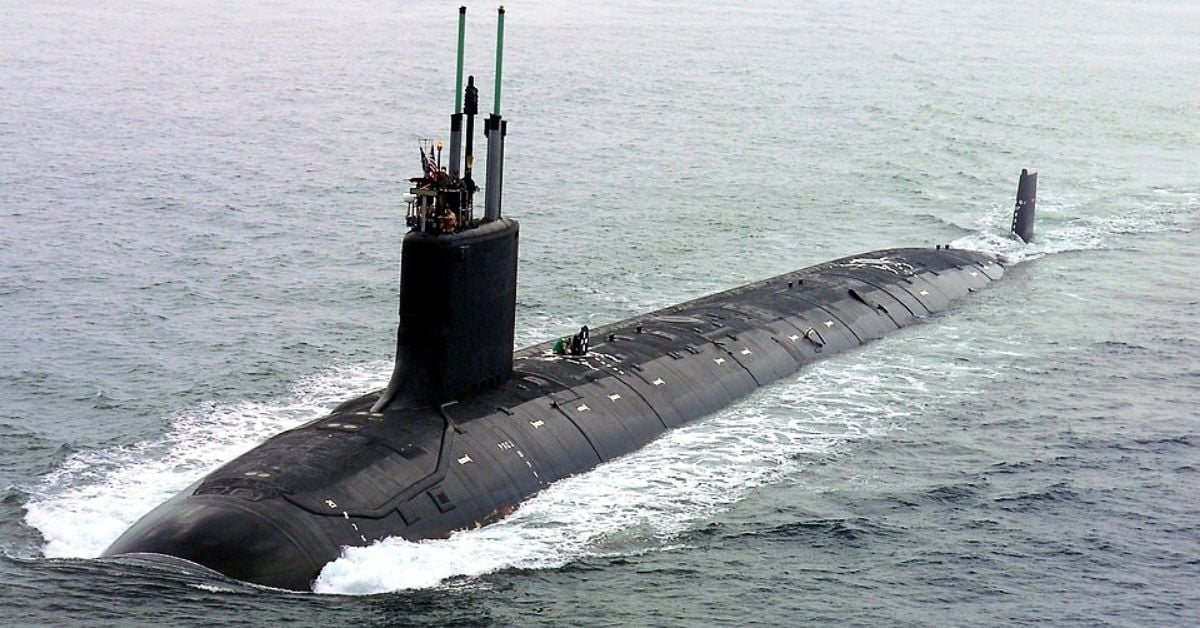
Cleveland submarine repair hub advances fleet readiness through integrated infrastructure
Cleveland's submarine repair hub integrates infrastructure to directly confront a pressing bottleneck: delayed maintenance and repairs across the fleet. By increasing component availability, the centre moves beyond piecemeal fixes toward a coordinated system. This is measurable progress. It echoes the logic behind "Floating data centers anchor ocean intelligence to existing port infrastructure", both projects prove that integrated, existing assets, properly calibrated, can drive real operational readiness.
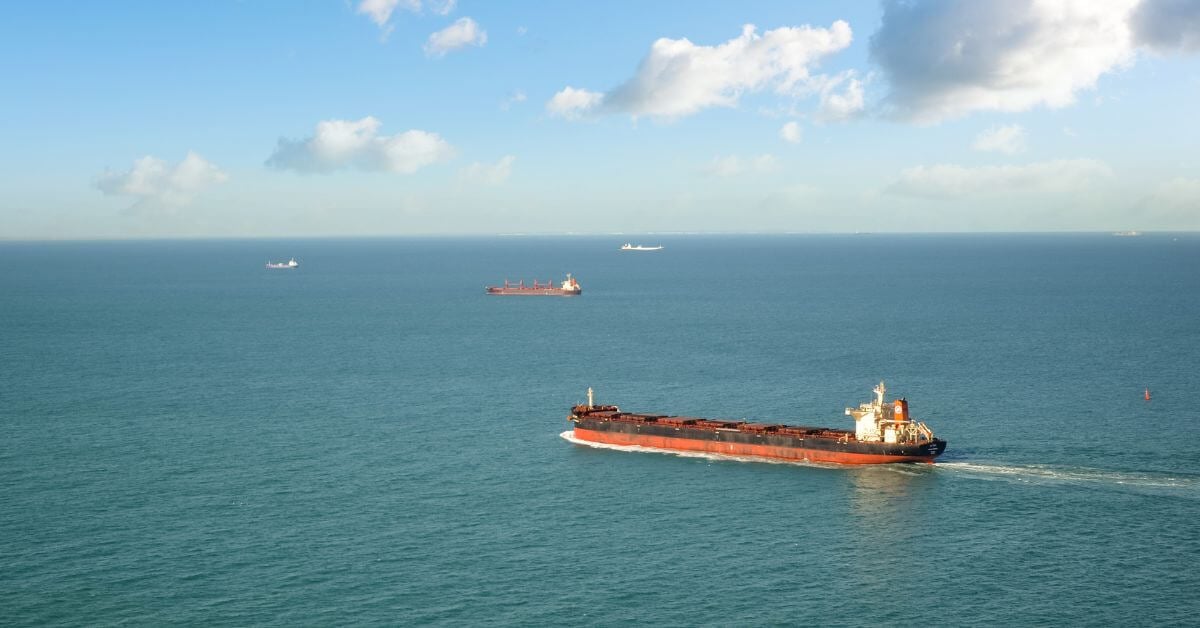
Strait of Hormuz tensions rise as Iran signals new maritime restrictions
The Strait of Hormuz is once again a flashpoint, with Iran signaling new maritime restrictions even as Gulf oil exports rise. Tanker attacks and logistical disruptions continue to plague shipments, a reality reflected in risk premiums exceeding $100,000 per month for captains. These are not abstract tensions; they are measured, empirical challenges to global energy flow. Our related coverage on those soaring risk premiums offers a deeper look at the human and economic cost. Understanding these dynamics is the first step toward protecting maritime stability.
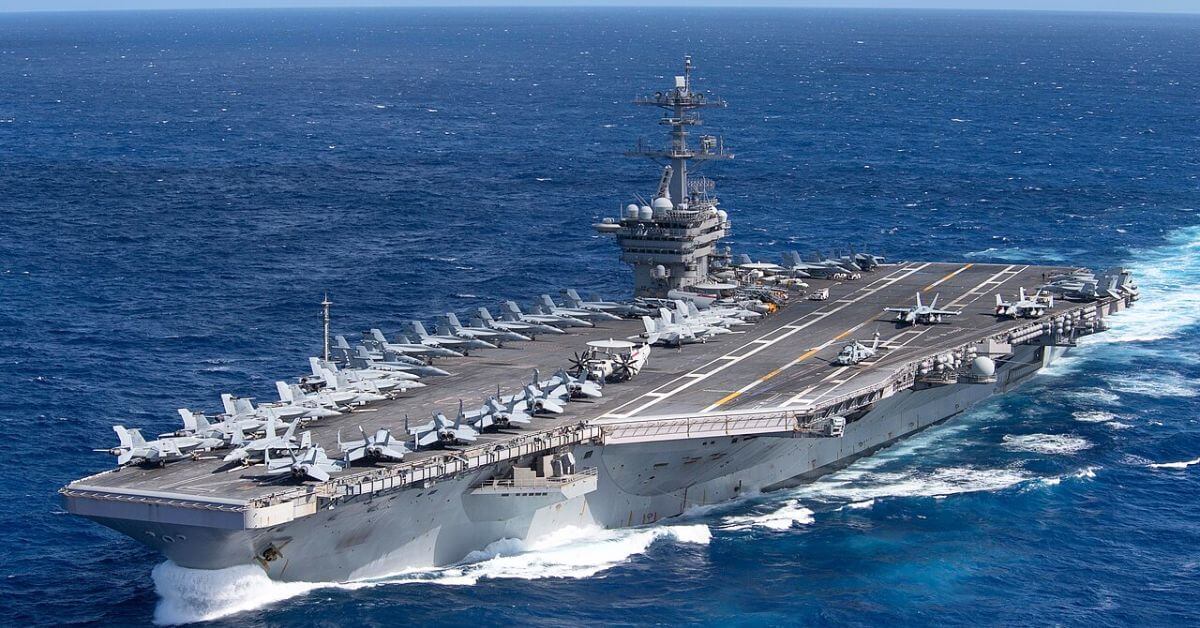
US Naval Deployments Continue as Middle East Operations Extend to Eighth Month
The USS Theodore Roosevelt carrier strike group departed San Diego on Sunday, with the USS Makin Island amphibious readiness group following a day later, extending US naval deployments in the Middle East into an eighth month. Sustained presence reflects measured, strategic commitment, not escalation theater. For context on regional risk, our coverage of projectiles striking tankers near the Strait of Hormuz underscores why such deployments remain calibrated responses to measurable threats. Operational endurance matters, but the data driving these decisions matters more.
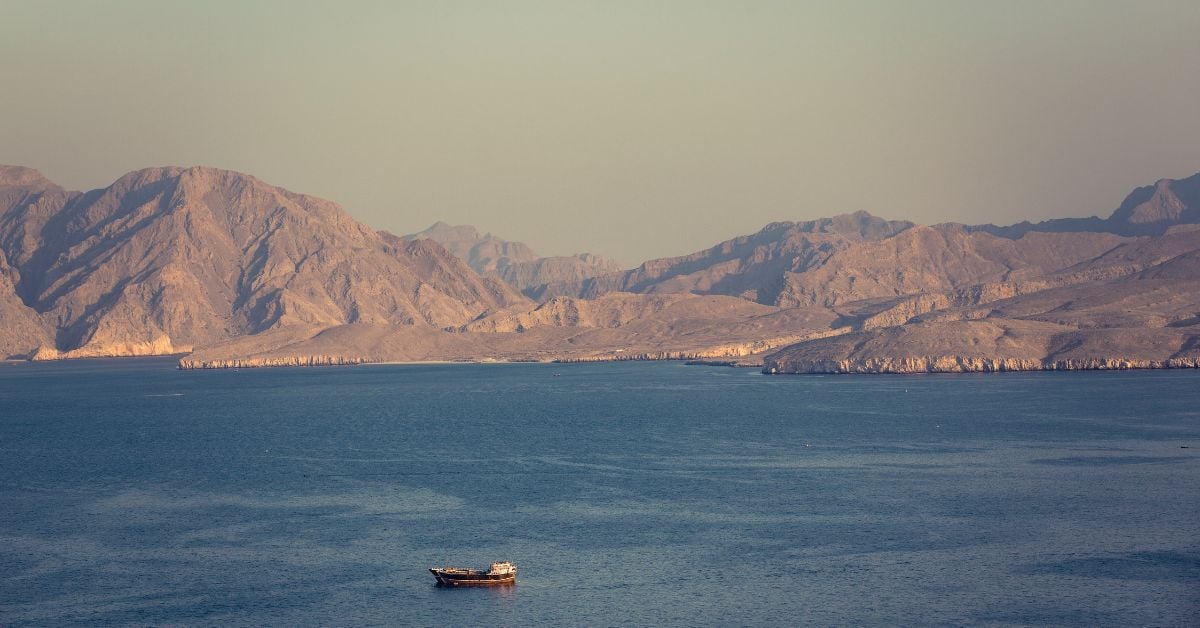
Strait of Hormuz Reopening Contingent on U.S. Actions, Iran States
Iran has linked the Strait of Hormuz's reopening to a single condition: the U.S. must lift its naval blockade of Iranian ports and end sanctions on Tehran. The announcement, which sets a one-week timeline, is a direct test of diplomatic intent. It is a high-stakes calculation, but not an unreasonable one. For context, our related coverage on Gulf of Oman STS transfers shows how regional oil flows are already straining at their limits.
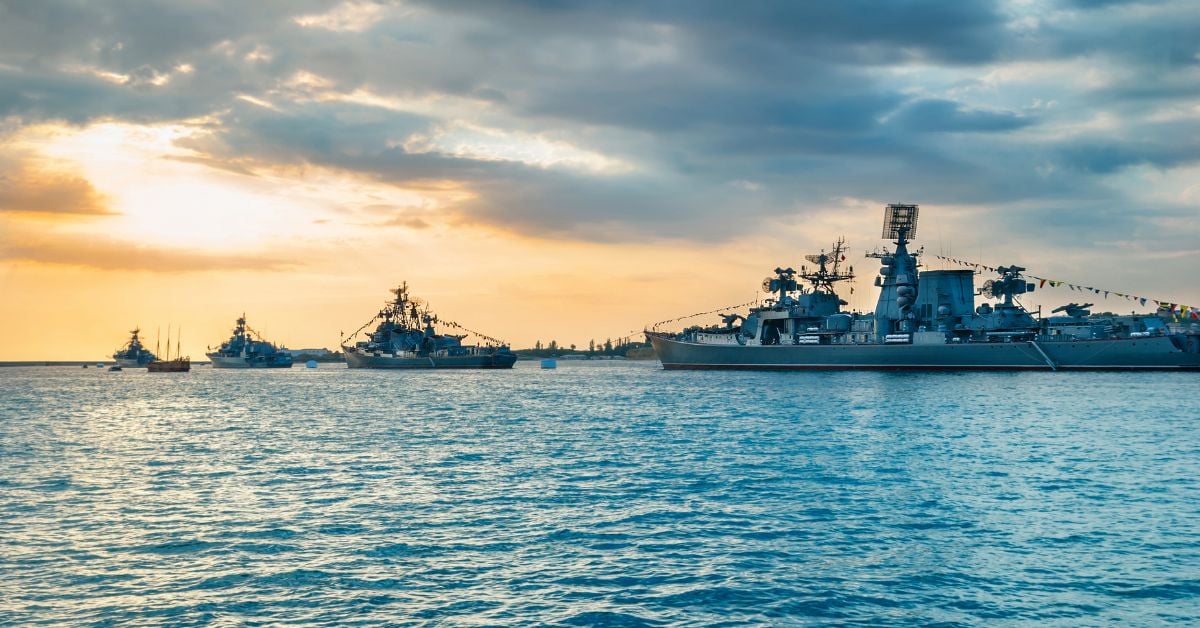
Securing the Strait: Navy SEALs Conduct Covert Mine Clearing Operation
For four months, U.S. Navy SEALs operated in the Strait of Hormuz, clearing naval mines placed by Iran. This covert operation secures a waterway where geopolitical tension meets global energy flow. Measurable, empirical action, not rhetoric, protects maritime stability. It is the kind of calibrated, real-world intervention that underscores why integrated ocean intelligence matters. For deeper context on regional pressures, see our coverage of how Gulf of Oman STS transfers have maxed out amid rising Saudi oil exports.
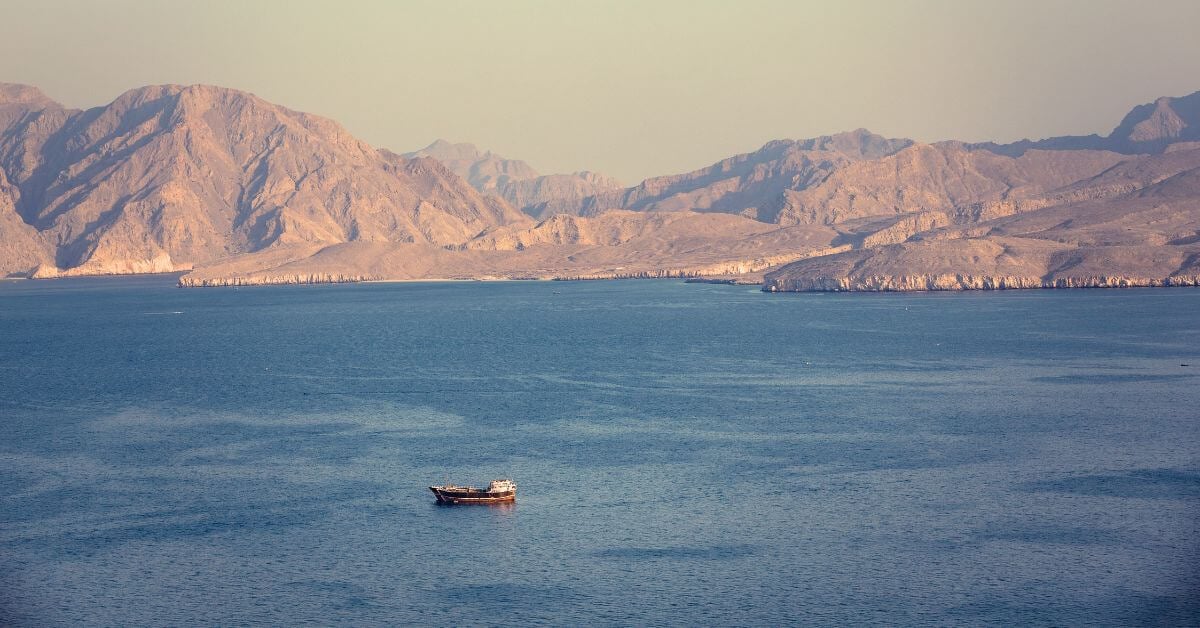
Geopolitical Shifts: Strait of Hormuz Renaming Proposal Sparks Debate
A proposal to rename the Strait of Hormuz has injected geopolitical friction into one of the world's most vital maritime chokepoints. President Trump asserted U.S. control over the strait on Truth Social, questioning whether it should be rebranded. The debate is more than symbolic; it carries real implications for shipping and energy security. For context on the region's mounting pressures, our piece on Gulf of Oman STS transfers maxing out offers a grounded look at the logistical strains nearby. Measured analysis matters here, not hyperbole.
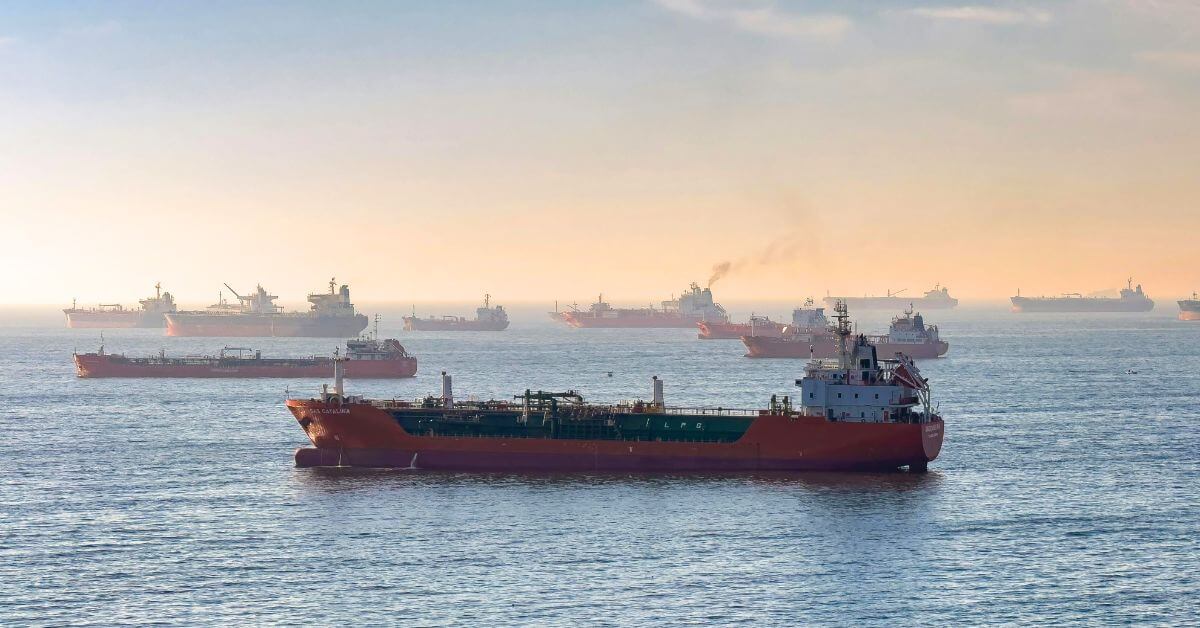
Escalation in Hormuz: U.S. Targets Iranian Tankers Amid Rising Tensions
For the first time, U.S. forces have directly targeted Iranian tankers in response to attacks on commercial shipping in the Strait of Hormuz. The escalation marks a decisive shift in how Washington is policing one of the world's most critical maritime chokepoints. Measured, but unmistakable, the action signals that the rules of engagement have changed. As pressure builds across the region, the implications for oil flows and navigation are immediate.
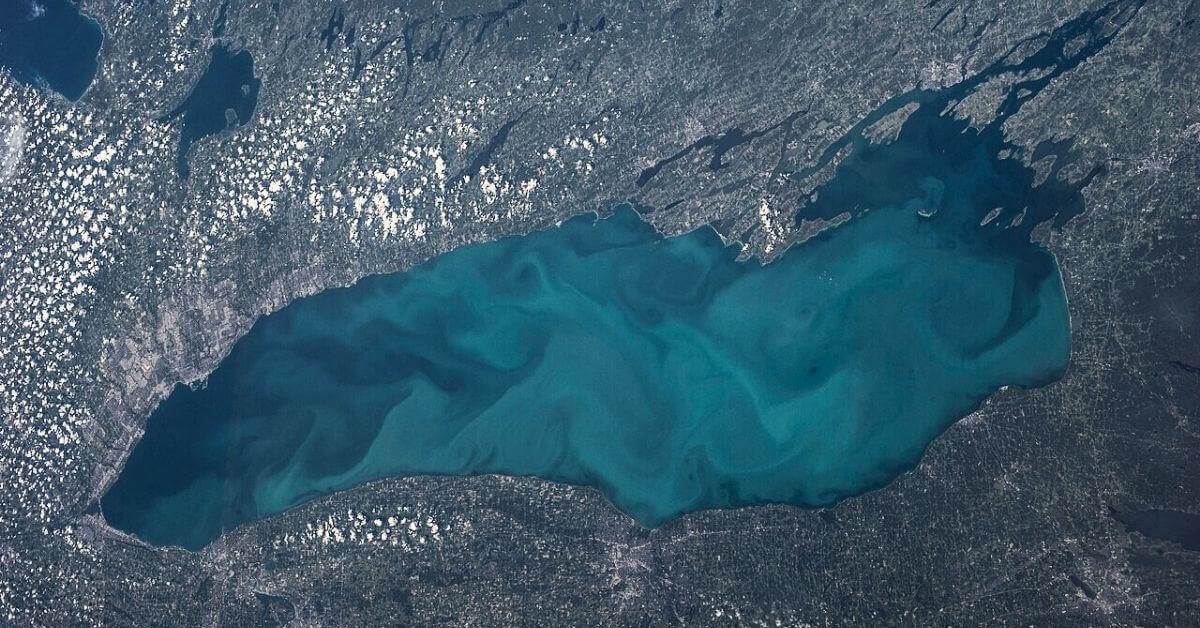
Geopolitical Shifts: Lake Ontario’s Name Sparks Transnational Data Debate.
A four-century-old name now anchors a transnational data dispute. The Canadian Prime Minister's stance, reaffirmed on X, is clear: Lake Ontario remains Lake Ontario, despite pressure to rename it. This is not merely cartographic nostalgia. It is a question of who controls the narrative of shared waters. Names carry empirical weight in ocean intelligence. We see similar tensions in the Strait of Hormuz, where geopolitical posturing shapes maritime data flows.

Naval Shift: Ford-Class Carrier Design Faces Potential Revision, Cost Implications.
A potential revision to the Ford-class carrier design carries a price tag measured in billions and threatens further delays to a programme already defined by lengthy construction timelines. The decision signals that even validated, next-generation platforms remain subject to recalibration when operational realities demand it. This is not a failure of engineering, but the cost of maintaining strategic edge. For context on how the Navy is adapting elsewhere, our coverage of its accelerated autonomous systems integration offers a useful counterpoint.

Extended Deployment Highlights Demands on Naval Resources and Crew Welfare
The USS Abraham Lincoln's 250-plus days at sea mark a significant operational stretch, and the confirmation of its replacement underscores the mounting strain on naval resources. This is not merely a scheduling matter; it is a calibration of endurance against welfare. The carrier's extended deployment highlights a tangible tension between mission demands and crew sustainability. As the Navy accelerates autonomous systems integration for enhanced maritime operations, this moment raises a pressing question: can innovation keep pace with the human cost of prolonged presence?

Kennedy Carrier Trials Begin Amid Shift in Navy Propulsion Strategy
The USS John F. Kennedy has begun acceptance sea trials, yet the Navy's propulsion strategy is already pivoting. President Trump's order to strip EMALS from the future USS Doris Miller in favor of steam catapults signals a deliberate retreat to proven technology. It is a pragmatic, if conservative, choice. While innovation drives us forward, reliability remains the anchor of operational readiness. For deeper context on how global shipbuilders are adapting their own capabilities, see our coverage of Cochin Shipyard's recent design expansion.

Iranian Official: U.S. Naval Blockade Risks Escalation in Persian Gulf
Iran's military adviser, Mohsen Rezaei, has made the position unmistakable: Tehran will not tolerate a continued U.S. naval blockade in the Persian Gulf. The warning carries weight, but the region's maritime tensions are already stretching elsewhere. As our coverage notes, Gulf of Oman STS transfers are maxing out amid rising Saudi exports, and India is expanding its fleet for a more contested sea. These pressures do not exist in isolation. The Strait of Hormuz remains the fault line where economic pressure meets strategic risk.

Dialogue Advances Toward Strait of Hormuz Stability
Diplomatic progress between Washington and Doha signals measurable headway toward restoring the Strait of Hormuz ceasefire, with senior officials from both nations confirming that substantial steps are underway. This is the kind of calibrated, real-time advancement that matters for regional stability. The talks reflect a purpose-driven commitment to de-escalation, though the path ahead remains complex. For broader context on the pressures shaping these negotiations, our related coverage on Gulf of Oman STS transfers maxing out offers useful perspective.

Arctic Icebreaker Fleet: Examining Costs, Scope, and USCG Needs
The U.S. Coast Guard's plan to build 11 polar icebreakers marks a significant expansion from its earlier stated requirement of just four or five vessels. This gap between ambition and operational need raises questions about scope, cost, and strategic priorities. While the larger fleet signals a serious commitment to Arctic presence, the justification must remain grounded in validated, measurable requirements. For broader context on global icebreaker investments, our related coverage of Russia's Northern Sea Route fleet offers a useful comparison.

Oman Incident: Explosion Near Tanker Highlights Regional Maritime Risks
An explosion was heard near an oil products tanker approximately 20 nautical miles northeast of Khasab, Oman, at 4:37 am on Monday, underscoring the persistent volatility shadowing regional shipping lanes. The incident, while brief, is a measured reminder that maritime transit here remains exposed to sudden, destabilizing events. Such moments demand calibrated observation, not alarm. For context on how these waters are already straining under pressure, our related piece on Gulf of Oman STS transfers maxing out offers useful perspective.

Red Sea Attack: Ballistic Missiles Intercepted Near Saudi Oil Ports
In Yanbu, two ballistic missiles aimed at Saudi oil installations were intercepted by a U.S.-made Patriot system, a defensive success that underscores the fragile calculus of energy transit in the region. Precision like this matters, yet it also signals how routine such threats have become. For readers tracking the strain on maritime routes, our related coverage on Gulf of Oman STS transfers offers useful context on how these pressures ripple outward. Protection, after all, is only half the equation.

Iran Withdraws from U.S. MoU, Strait of Hormuz Closure Looms.
Iran's formal withdrawal from the U.S. memorandum of understanding marks a decisive shift, one that places the Strait of Hormuz back under a shadow of uncertainty. The agreement, signed just last month, has unraveled quickly, and the strategic ripple effects are immediate. This is not a moment for alarmist language, but for measured attention. As tensions resurface, our earlier coverage of the Gulf of Oman's maxed-out ship-to-ship transfers reminds us how fragile these maritime corridors truly are.

Strait of Hormuz Incident: Geopolitical Tensions Impact Maritime Trade
The Strait of Hormuz is a chokepoint, and the strikes on the Mombasa and Al Bahiyah prove how quickly that geography translates into real-world consequence. Two Iranian cruise missiles targeting commercial tankers is not a background noise issue; it is a direct fiscal and physical threat to the lanes that move global energy. The incident demands a measured response, not alarm.