displacement
displacement at World Data Ocean is a file of 4 stories. The newest of them: “Keel laid for second U212NFS submarine, advancing naval ocean intelligence”, “Optimal LNG Carrier Design: Boosting Capacity, Reducing Costs”, and “Indian Navy Explores Domestic Innovation for Amphibious Fleet Expansion”. A keel laid at Muggiano, where over a hundred submarines have taken shape, marks another calibrated step toward integrated naval ocean intelligence. A 200,000m³ LNG carrier can move more gas per voyage without sacrificing access to the terminals that matter most. A Global Hub for Ocean Intelligence 4 World Data Ocean is a centralized digital platform where researchers, scientists, and ocean enthusiasts converge to… The list below is every displacement story on World Data Ocean, newest first.
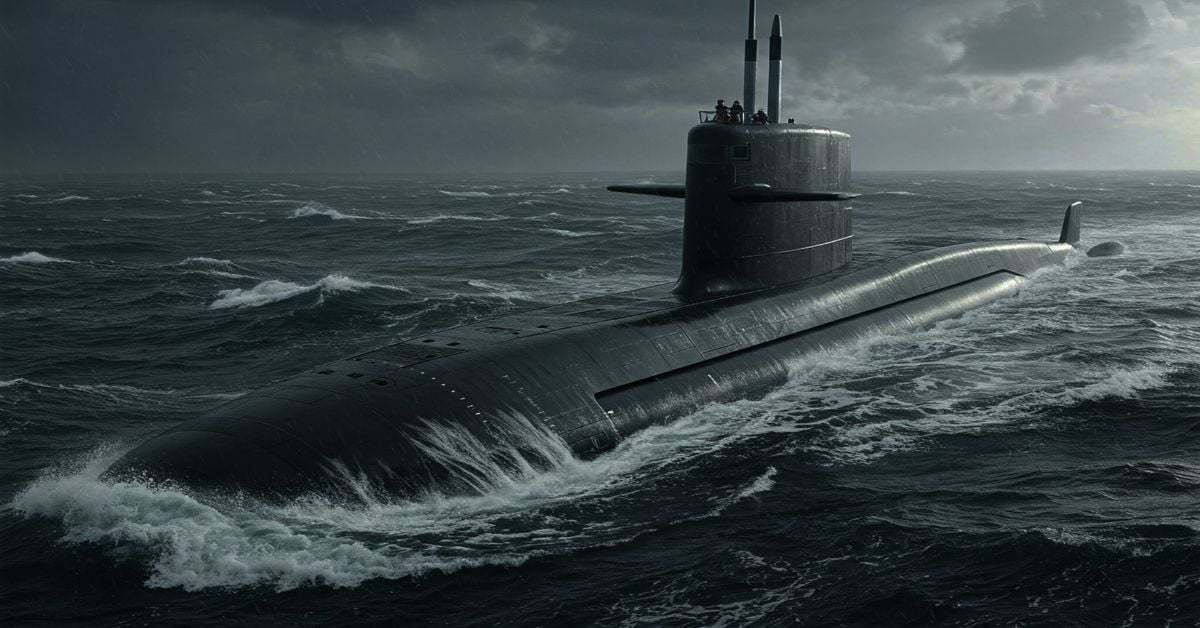
Keel laid for second U212NFS submarine, advancing naval ocean intelligence
A keel laid at Muggiano, where over a hundred submarines have taken shape, marks another calibrated step toward integrated naval ocean intelligence. The second U212NFS submarine advances capabilities built on validated, measurable design principles. This platform will collect real-time climate indicators and empirical data from beneath the surface, strengthening the integrated data ecosystem that connects undersea operations with broader ocean stewardship. Understanding drives protection, from orbit to ocean floor.
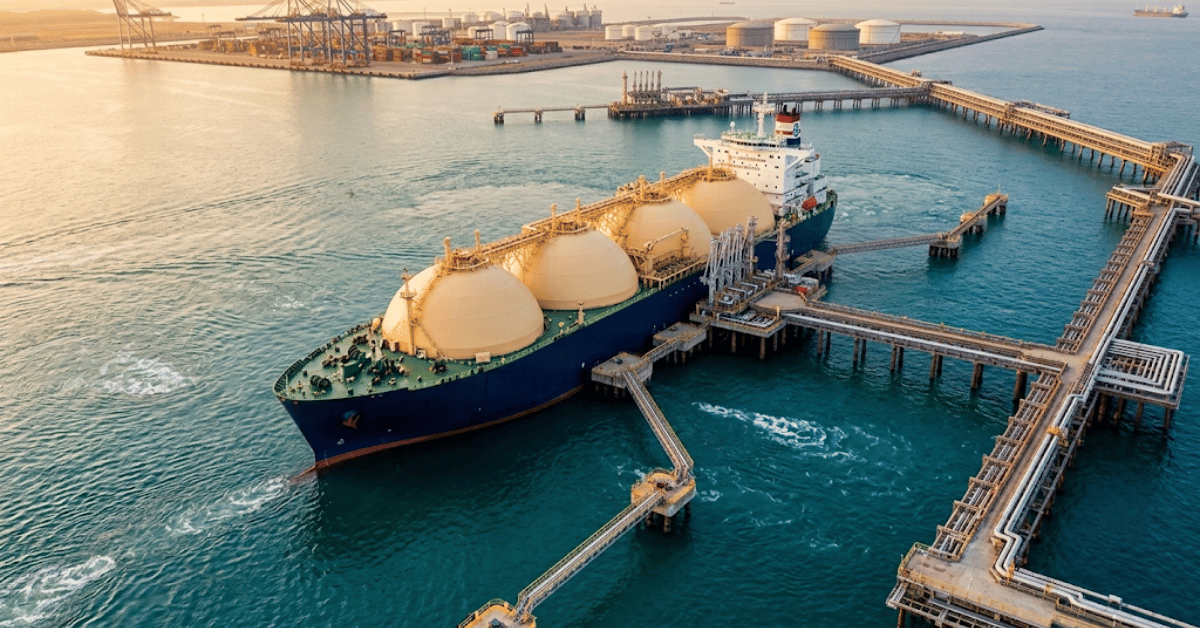
Optimal LNG Carrier Design: Boosting Capacity, Reducing Costs
A 200,000m³ LNG carrier can move more gas per voyage without sacrificing access to the terminals that matter most. LR's analysis shows that this larger capacity directly reduces unit transport costs while staying compatible with the majority of existing infrastructure. That is practical efficiency, not speculative ambition. For readers tracking how maritime logistics adapt under pressure, our piece on Gulf of Oman STS transfers maxing out offers a useful parallel.
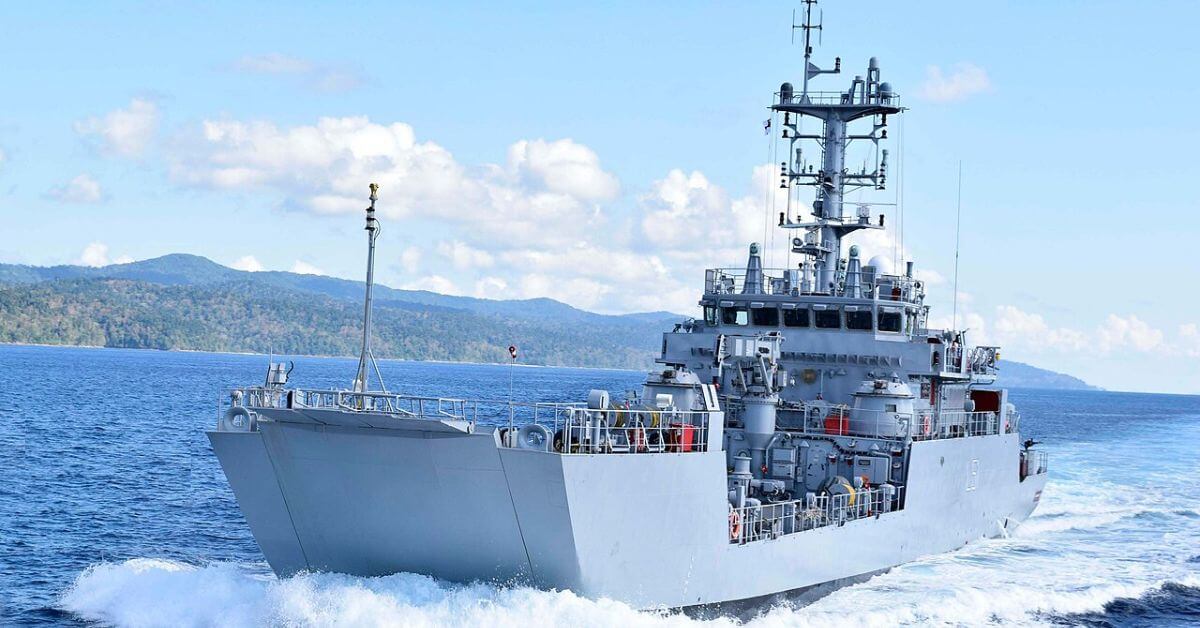
Indian Navy Explores Domestic Innovation for Amphibious Fleet Expansion
The Indian Navy's Request for Information for six new Landing Craft Utility Mk V vessels signals a deliberate shift toward domestic shipbuilding, a move that strengthens both operational reach and industrial self-reliance. This is not merely procurement; it is an investment in sovereign capability. As the service projects a larger fleet toward 2040, as detailed in our related article on India's naval expansion, such steps ensure readiness remains anchored in homegrown innovation. We see this as a practical, forward-looking decision.

Advancing Ocean Connectivity: Vard Delivers Groundbreaking Hybrid Cable Layer
At 1,200 kilometers of cable-laying capacity, the newly delivered hybrid-powered 'Discovery' positions Vard Tulcea at the leading edge of maritime infrastructure. Built for Japan, this vessel is a practical response to a simple fact: connectivity depends on precision. The largest hybrid-powered submarine cable layer ever constructed, it pairs engineering discipline with a clear-eyed view of operational demands. That kind of integration matters. For readers tracking parallel advances in shipyard capability, our coverage of Cochin Shipyard's recent design expansion offers useful context.