discovery
discovery at World Data Ocean is a file of 12 stories. The newest of them: “Tibetan ice core extends climate record by 128,000 years”, “Validated by accident: a replicable method to restore coral health in weeks”, and “100-million-year-old volcanic field rewrites Middle Eastern tectonic history”. An ancient ice core from the Tibetan plateau has extended Earth's climate record by 128,000 years, offering a rare and validated glimpse into the last ice age. A chance error in a lab protocol revealed something remarkable: a replicable method to restore coral health in weeks. A Global Hub for Ocean Intelligence 4 World Data Ocean is a centralized digital platform where researchers, scientists, and ocean enthusiasts converge to… The list below is every discovery story on World Data Ocean, newest first.
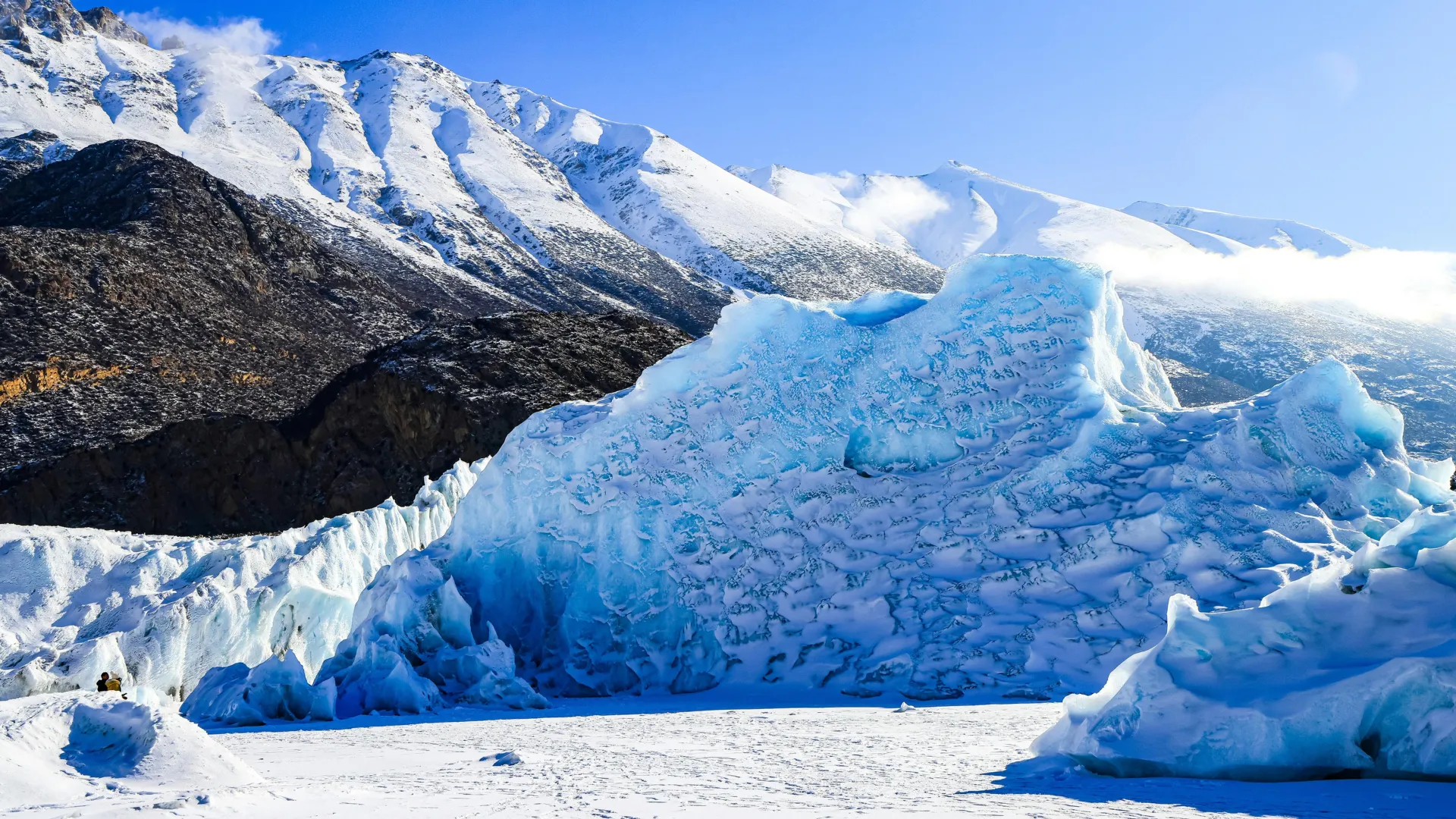
Tibetan ice core extends climate record by 128,000 years
An ancient ice core from the Tibetan plateau has extended Earth's climate record by 128,000 years, offering a rare and validated glimpse into the last ice age. This discovery preserves climate indicators that scientists had believed were lost, reshaping our understanding of how glaciers survive dramatic global shifts. The findings connect directly to the urgency of measuring change, much like the accelerating glacier loss detailed in Switzerland's recent five-year study. Understanding drives protection, from the highest peaks to the deepest ocean.

Validated by accident: a replicable method to restore coral health in weeks
A chance error in a lab protocol revealed something remarkable: a replicable method to restore coral health in weeks. This isn't speculation, it's validated, empirical, and measurable. The discovery underscores how even unintended outcomes, when rigorously tested, can yield actionable ocean intelligence. We are tracking this closely. For another example of unexpected marine findings, see our coverage of "Citizen Science Identifies Gelatinous Egg Masses on Victorian Shoreline." Understanding drives protection, and this method is a calibrated step forward.
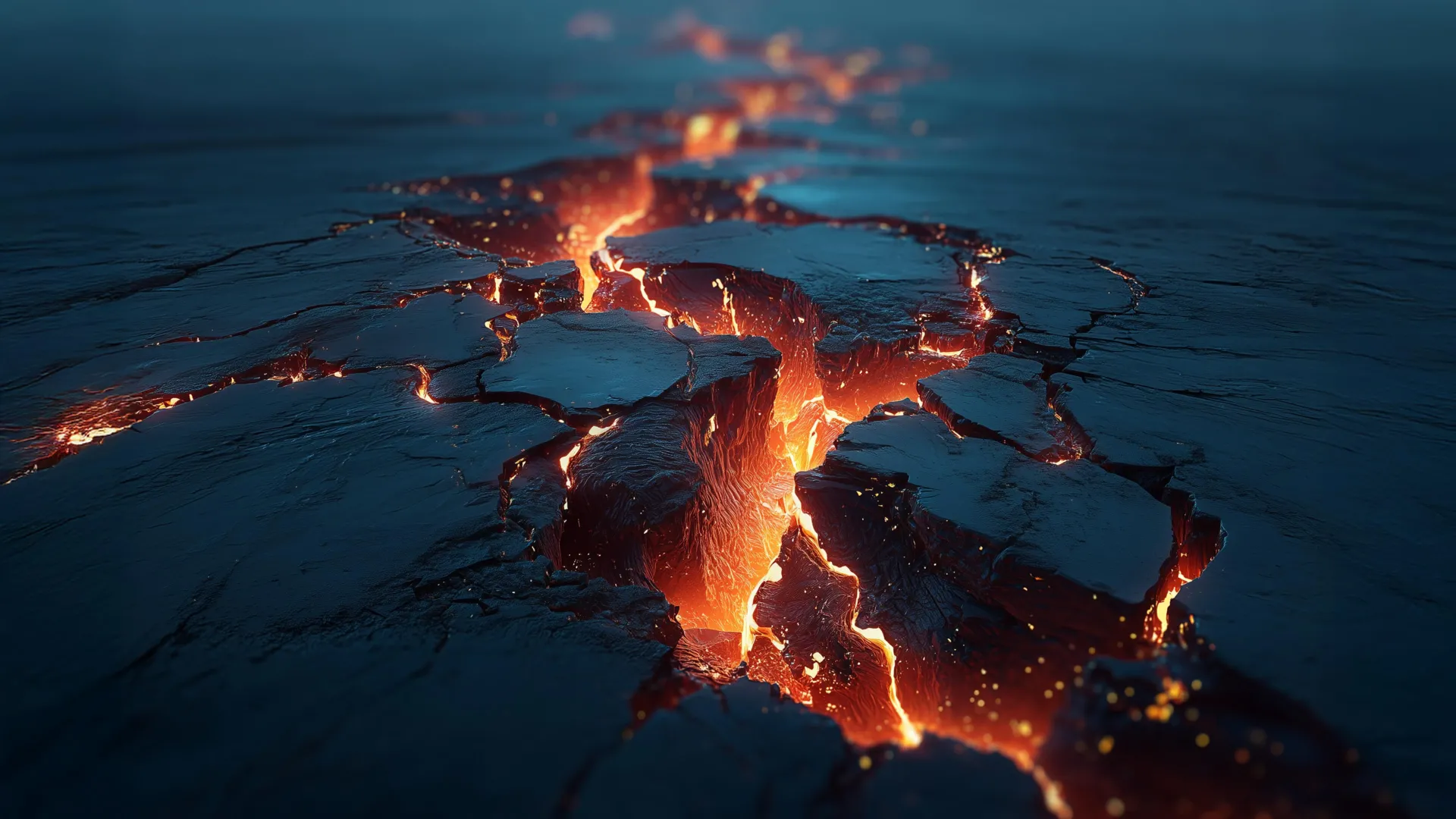
100-million-year-old volcanic field rewrites Middle Eastern tectonic history
A 100-million-year-old volcanic field in Iran has rewritten the tectonic history of the Middle East, revealing the long-lost forces that closed an ancient ocean. This is empirical, calibrated evidence of a vanished world, and it validates a hidden chapter in Earth's geological record. Understanding these deep-time processes sharpens our climate indicators and ocean intelligence. For a related perspective on how cosmic impacts shaped our planet, see our coverage of "Speed and trajectory challenge comets as life's molecular carriers."
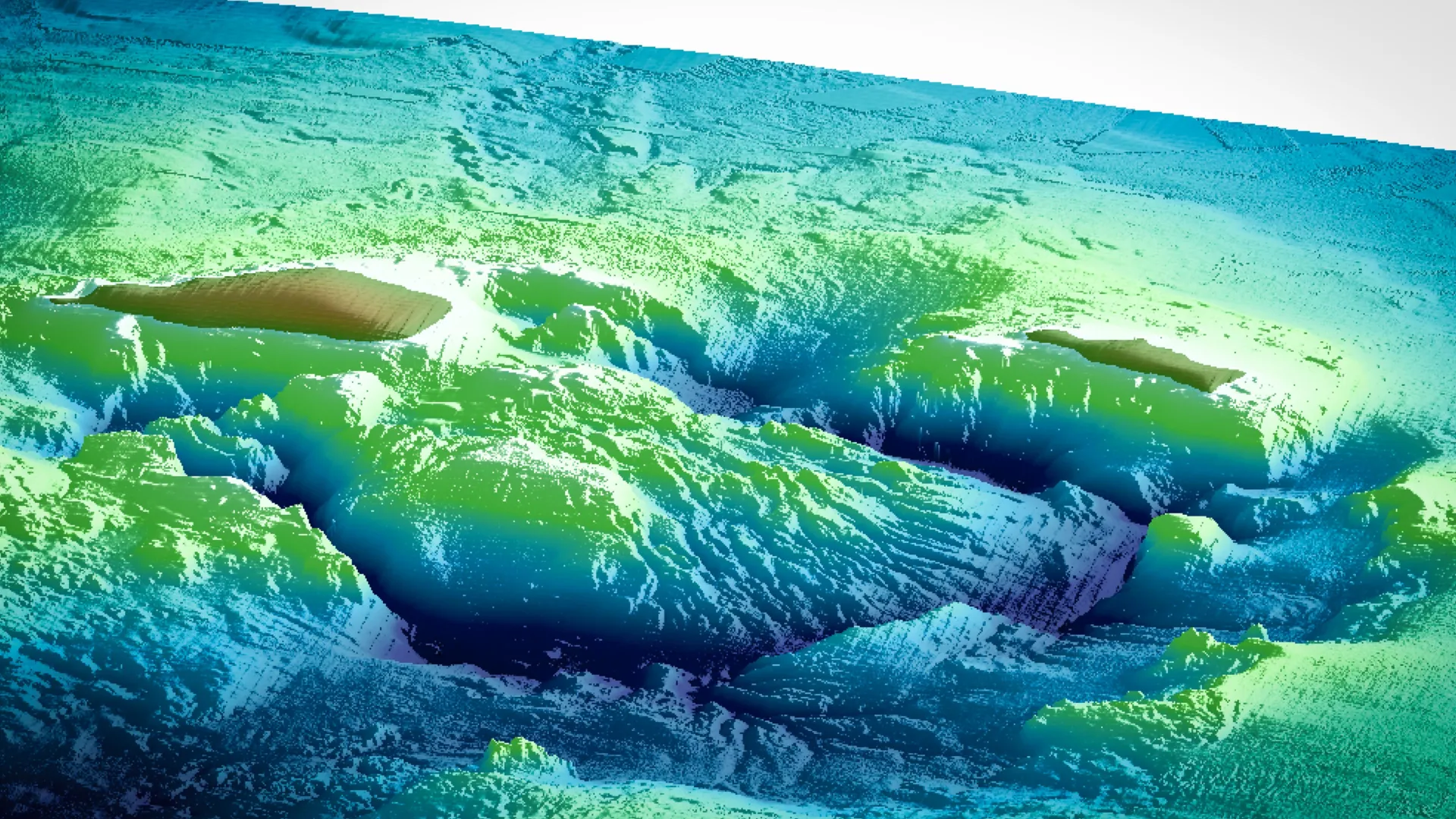
Deep beneath Japan, Kikai caldera's magma reservoir is actively refilling
Deep beneath Japan's Kikai caldera, a massive magma reservoir is actively refilling 7,300 years after one of Earth's most powerful eruptions. Scientists used underwater seismic surveys to reveal this vast store of magma, which appears to have accumulated since the ancient catastrophe. The finding is a rare empirical window into how supervolcanoes like Yellowstone and Toba rebuild their supplies. For deeper ocean intelligence, see our coverage of the USS Robert Smalls' Pacific deployment.

Researchers trace a real celestial date to van Gogh's Starry Night
A precise celestial alignment has been traced to van Gogh's *Starry Night*, researchers have now identified the real astronomical date that inspired the iconic 1889 painting. This empirical calibration of art and science is a compelling example of how validated data can illuminate even the most subjective of human expressions. For those tracking how measurable observations reshape our understanding of the world, our coverage of Arctic sea ice thinning persists as winter and summer records decline offers a parallel story of long-term environmental signals.
Experience and expertise over credentials: a path to ocean science
A dive instructor and ski guide who is "this close" to dropping out of university, Fair_Pumpkin6157 is asking whether hands-on experience can replace a degree in ocean science. The answer is yes, if the path is built with validated, measurable skills. Field assistant roles reward demonstrated competence with R, ImageJ, and underwater survey tools over formal credentials. A focused fellowship like the Marine Research Fellowship in the Philippines can provide that empirical foundation.

Interstellar surprises await as Voyager 1 crosses one light-day
On November 18, Voyager 1 crosses one light-day from Earth, a distance that takes a signal nearly 24 hours to travel. It has been in interstellar space for years, yet it keeps finding surprises. That persistence matters. Each unexpected discovery refines our empirical understanding of the boundary between our solar system and the wider galaxy. This is measured, validated progress. For deeper context on how long-term data reveals planetary change, see our coverage of ancient ocean phosphorus cycles.
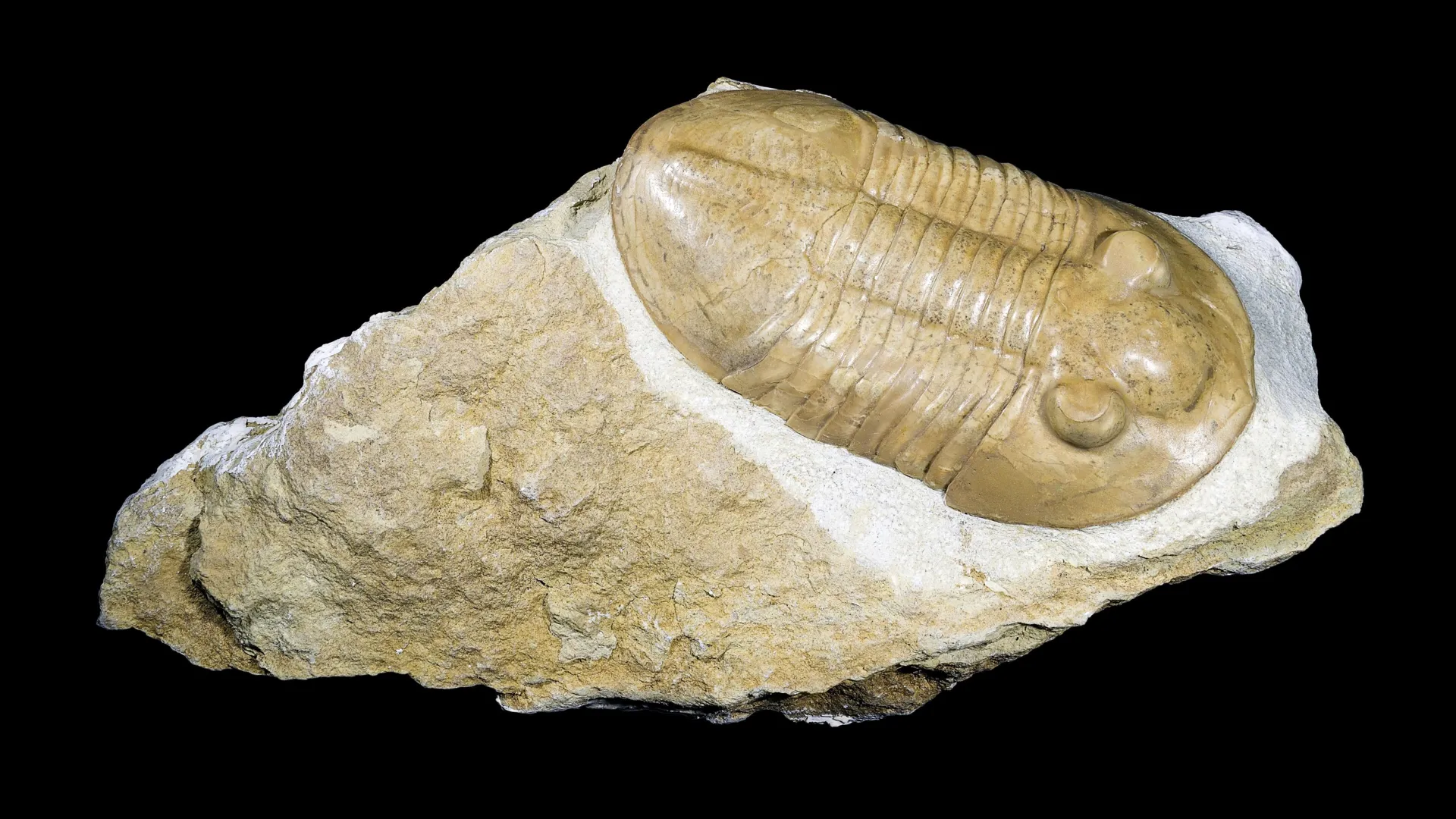
Ancient ocean phosphorus cycles reveal Earth's 2.3-billion-year oxygen secret
Phosphorus recycling in ancient oceans may have solved a 2.3-billion-year mystery: how Earth kept enough oxygen to support life. New evidence from old rocks reveals a self-sustaining cycle that maintained high oxygen levels through dramatic planetary change. This challenges long-held assumptions about our early atmosphere. It also raises compelling questions about why complex life took so long to emerge. For deeper context, our coverage of "Acidification Alters Phytoplankton Chemistry" explores how ocean chemistry continues shaping life today.
JWST data reveals an unexpected ice world within the habitable zone
An ice world where we least expected it. JWST data has revealed a frozen planet orbiting within the habitable zone, a finding that recalibrates our understanding of where life-sustaining conditions can exist. This is empirical observation challenging assumption. It reminds us that ocean intelligence extends beyond our own blue planet. For complementary insights into Earth's own dynamic systems, explore our coverage of the validated global atlas of ocean thermohaline structure. Understanding drives protection, whether in orbit or at depth.
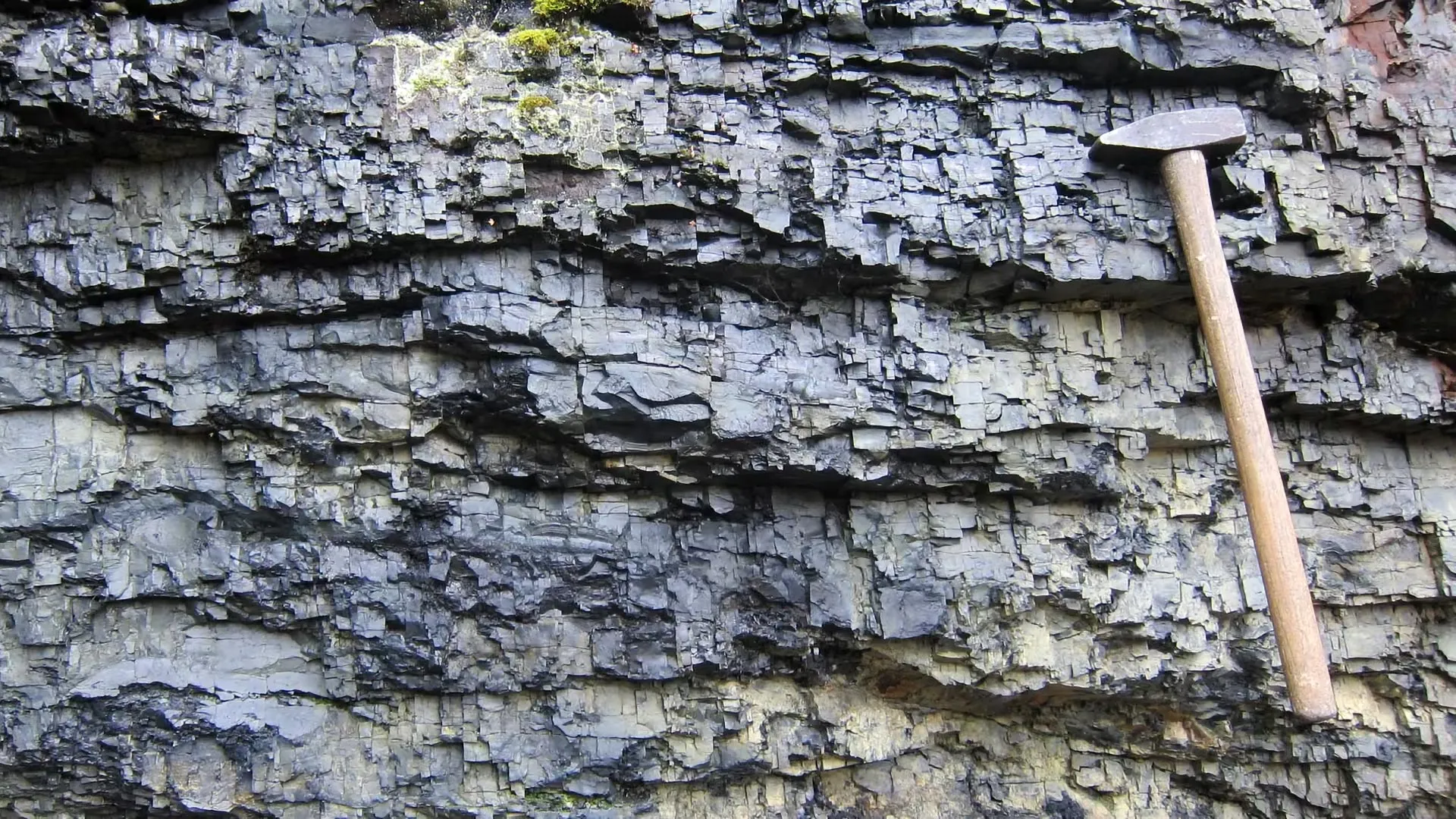
Magma and microbial activity may rewrite a 2-billion-year-old carbon signal
A 2-billion-year-old chemical signature, long read as a planetary turning point, may instead record a quieter, more local story. Scientists found that magma, hydrocarbons, and methane-eating microbes could have produced the signal, not a global shift in Earth's carbon cycle. That distinction matters. It asks us to revisit assumptions about oxygen's rise with calibrated caution. For more context on how Earth's systems respond to pressure, our piece on El Niño's unprecedented ocean warming offers a useful parallel. Understanding drives protection.
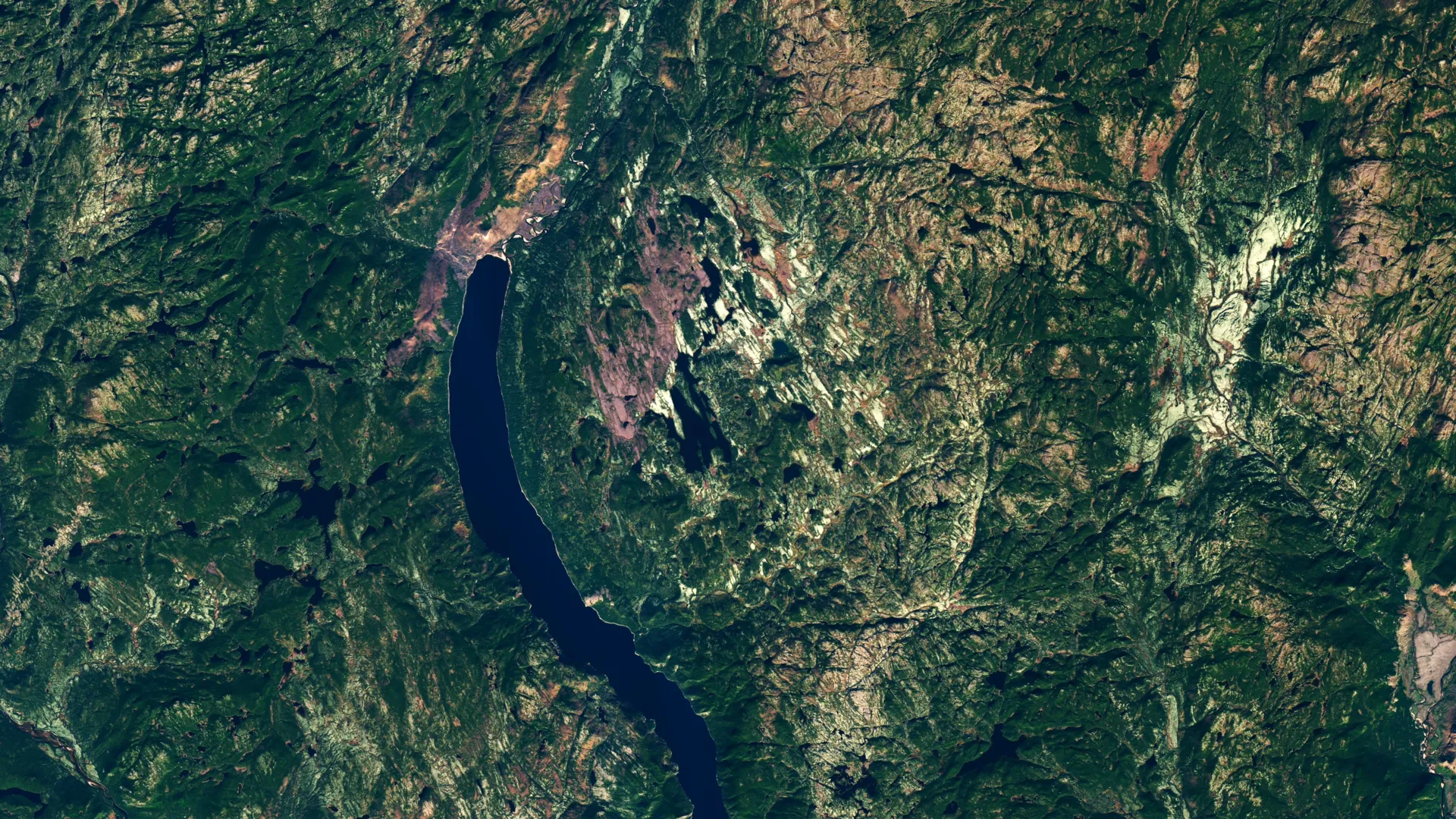
Ancient Impact Crater, 390 Million Years Old, Identified in Quebec
A chance glance at satellite maps for a camping trip has yielded a 390-million-year-old secret. An amateur astronomer's discovery in Quebec led scientists to confirm a 25-kilometer-wide impact crater, evidenced by shatter cones. It is a striking reminder that Earth's history is written in plain sight. For those tracking planetary forces, this find complements our coverage of Cascadia's Subduction Zone Reveals a Fragmented Tectonic Process, adding another layer to our understanding of the planet's dynamic, violent past.
Ocean Oxygen Anomalies: Scientists Investigate Unexpected Deep-Sea Presence
Deep-sea oxygen anomalies are surfacing where none should exist, and the data demands attention. Scientists investigating this unexpected presence are recalibrating assumptions about how oxygen behaves below the mesopelagic zone. It is a reminder that our ocean intelligence remains incomplete, even as climate indicators sharpen. Findings like these reinforce why integrated data ecosystems matter; we cannot protect what we do not yet measure. Readers tracking related coastal mysteries may find our recent piece on the Oahu specimen a useful parallel.