disaster relief
World Data Ocean keeps disaster relief in one place: 5 stories so far. The section currently leads with “Four decades of validated service: USS Germantown completes its integrated mission”, “Indonesia Launches First Aircraft Carrier, Signaling Naval Expansion”, and “Advancing Maritime Capabilities: India's New Multi-Purpose Vessel Deploys.”. Forty years is a measurable, validated span of service. Indonesia's acquisition of the Giuseppe Garibaldi marks a deliberate step into a more capable maritime posture, transforming a retired Italian carrier into its first aircraft carrier. A Global Hub for Ocean Intelligence 4 World Data Ocean is a centralized digital platform where researchers, scientists, and ocean enthusiasts converge to… The list below is every disaster relief story on World Data Ocean, newest first.
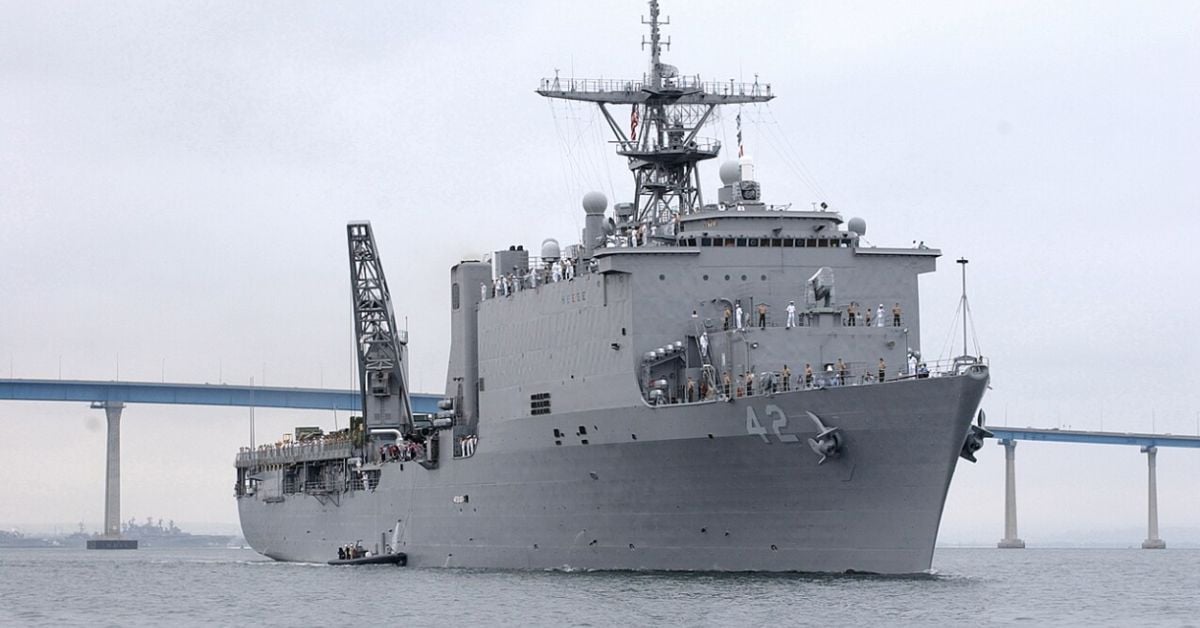
Four decades of validated service: USS Germantown completes its integrated mission
Forty years is a measurable, validated span of service. USS Germantown concluded its integrated mission with a decommissioning ceremony at Naval Base San Diego. A dock landing ship that operational for four decades represents empirical endurance and calibrated readiness. This transition is not an ending but a recalibration of our naval capabilities. For deeper coverage on maritime operations, see our related report on the USS Frank E. Petersen Jr.'s 300-day deployment in the Pacific.
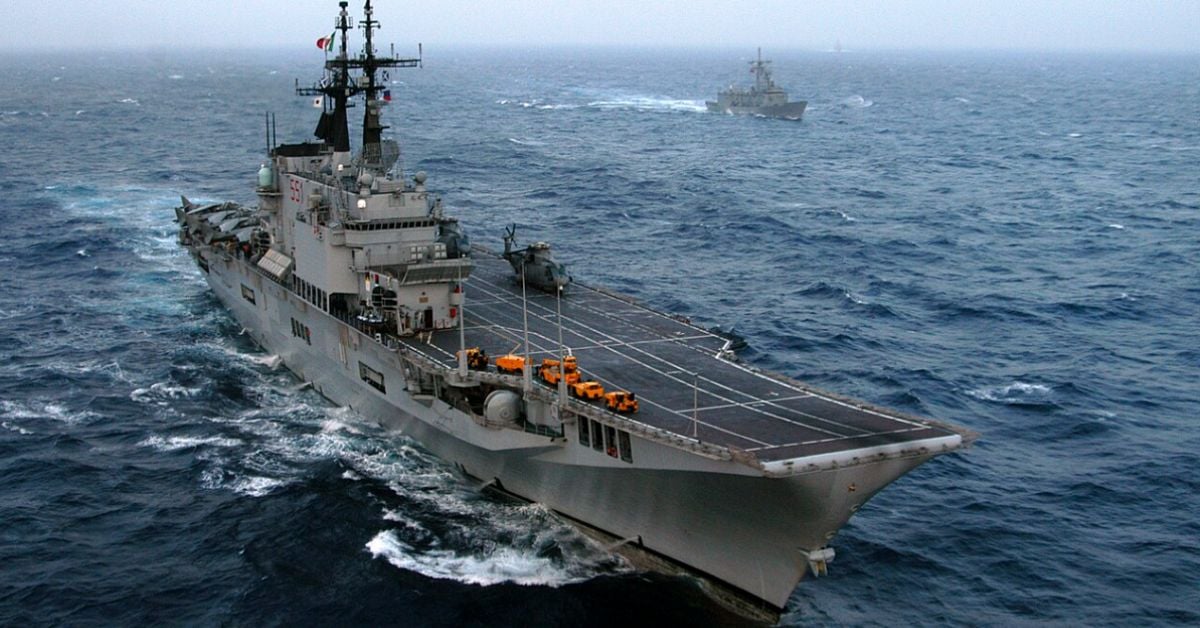
Indonesia Launches First Aircraft Carrier, Signaling Naval Expansion
Indonesia's acquisition of the Giuseppe Garibaldi marks a deliberate step into a more capable maritime posture, transforming a retired Italian carrier into its first aircraft carrier. This is not merely a hardware purchase; it is a statement of regional intent, validated by the ship's proven design. The move aligns with broader naval ambitions seen across Asia, from India's projected fleet growth to Russia's icebreaker investments. For Indonesia, the Garibaldi offers measurable power projection, yet its real value will depend on integrated operations and crew readiness.
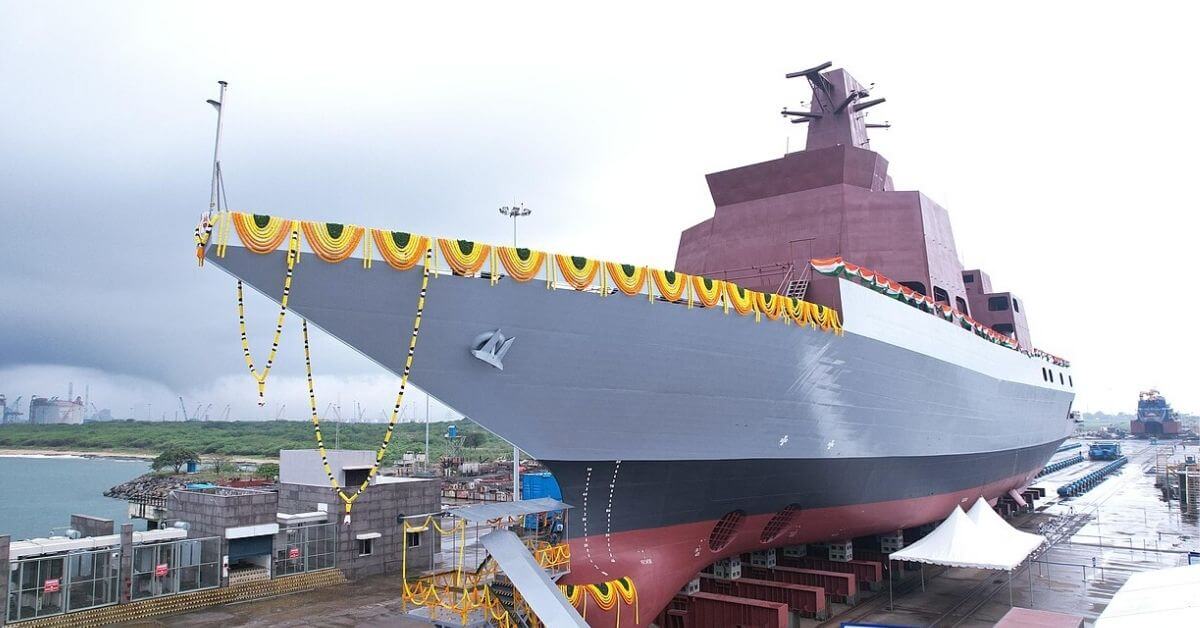
Advancing Maritime Capabilities: India's New Multi-Purpose Vessel Deploys.
India's new multi-purpose vessel brings a practical edge to maritime training, launching and recovering aerial, surface, and underwater targets for gunnery and anti-submarine exercises. That capability matters: realistic drills depend on reliable assets, not just theory. It is a measured step toward readiness, consistent with the Indian Navy's broader push to expand its fleet by 2040-2045, as outlined in our piece on India's projected naval growth. Calibrated investment like this keeps capabilities honest and operational.

Collaborative Shipbuilding Advances Naval Capabilities for Peru and HD Hyundai
Chimbote marks the first step in a four-vessel program that pairs Peru with HD Hyundai Heavy Industries, delivering frigates and offshore support ships to strengthen the Peruvian Navy. This is pragmatic, measurable progress in naval capability, and we see it as a signal of how collaborative shipbuilding accelerates regional readiness. The work aligns with broader maritime security discussions, such as our coverage in "Expanded Naval Presence Calibrated for Red Sea Shipping Security," where fleet capacity directly shapes operational confidence.

Integrated Vessel: Power, Data, and Water—A New Era for Ocean Intelligence
A single vessel now moves beyond transport to become infrastructure: Optimal Transit has built a ship that functions as a floating AI data centre, a clean power source for coastal grids, and a drinking water plant for thousands. It is a practical answer to two pressures at once: the rising energy demand of computation and the tightening limits of freshwater supply. The ocean is finally doing more than carrying cargo.