climate change
climate change at World Data Ocean is a file of 108 stories. The newest of them: “Reconstructing Earth's Past Climate Through Empirical Data Analysis.”, “Persistent Low Oxygen Found in Northeast Pacific Fjord Waters”, and “Concurrent Heatwaves Threaten Arabian Sea Coral and Productivity”. Earth's distant past is not a blank slate; it is written in layers of sediment, ice, and shell. A persistent low-oxygen layer has been identified in the mid-water column of a remote northeast Pacific fjord, notably one without an entrance sill. A Global Hub for Ocean Intelligence 4 World Data Ocean is a centralized digital platform where researchers, scientists, and ocean enthusiasts converge to… The list below is every climate change story on World Data Ocean, newest first.

Reconstructing Earth's Past Climate Through Empirical Data Analysis.
Earth's distant past is not a blank slate; it is written in layers of sediment, ice, and shell. Reconstructing Earth's Past Climate Through Empirical Data Analysis, mapped by Carbon Brief, shows how these 'proxy' records translate into measurable climate indicators. This is not speculation; it is calibrated, peer-reviewed science. Understanding these deep-time signals sharpens our view of present-day change. For a related thread on how ancient signals can be misread, see our coverage of magma and microbial activity potentially rewriting a 2-billion-year-old carbon signal.

Persistent Low Oxygen Found in Northeast Pacific Fjord Waters
A persistent low-oxygen layer has been identified in the mid-water column of a remote northeast Pacific fjord, notably one without an entrance sill. This feature is sustained by weak reoxygenation processes tied to the region's morphology, and it expands seaward during summer and autumn. The layer also harbors CO2 conditions adverse to local calcifiers, marking it as a multi-stressor habitat. Seasonal shifts overlap sensitive species' ranges, highlighting risks from climate variability.
Concurrent Heatwaves Threaten Arabian Sea Coral and Productivity
The Arabian Sea's coral reefs are not just facing warmer waters; they are facing a compounding threat. Our new research shows that when marine and atmospheric heatwaves strike together, the thermal stress on ecosystems intensifies dramatically. These concurrent events now drive 70-80% of severe coral bleaching in the region, and they cut chlorophyll-a levels by over 20%. This is not a distant risk; it is a measurable shift.
Ocean Carbon Data Expands, Driving Climate Insights and Stewardship.
Newly released SOCAT and GLODAP datasets give researchers a sharper read on ocean carbon, and that clarity matters. NOAA's latest update strengthens our ability to track climate indicators with empirical rigor, turning scattered observations into an integrated data ecosystem. This is ocean intelligence in action: measured, validated, and ready to inform stewardship. For those exploring how such calibrated data flows into broader discovery efforts, our related piece on integrated data discovery offers a useful next step. The science is solid, and the timing feels right.

Record Sea Surface Temperatures Signal Urgent Ocean Change.
The daily global average sea surface temperature has now surpassed every record since modern tracking began, exceeding the previous high set in March 2024. This is not a subtle shift; it is a measurable signal that the ocean's heat capacity is responding faster than many models anticipated. We treat these numbers as empirical evidence, not speculation. The urgency is real, and the data demands action.
Ocean Temperatures Reach Record High, Validating Climate Change Indicators.
August's ocean temperatures set a new record, and the data is unambiguous. This isn't a fleeting anomaly; it's a measurable signal that aligns with established climate indicators. We track these shifts because they carry consequences far beyond the surface. For those seeking to understand the mechanisms at play, our coverage of how magma and microbial activity may rewrite a 2-billion-year-old carbon signal offers a deeper, peer-reviewed perspective. The ocean is speaking in records; our role is to listen with calibrated, scientific rigor.
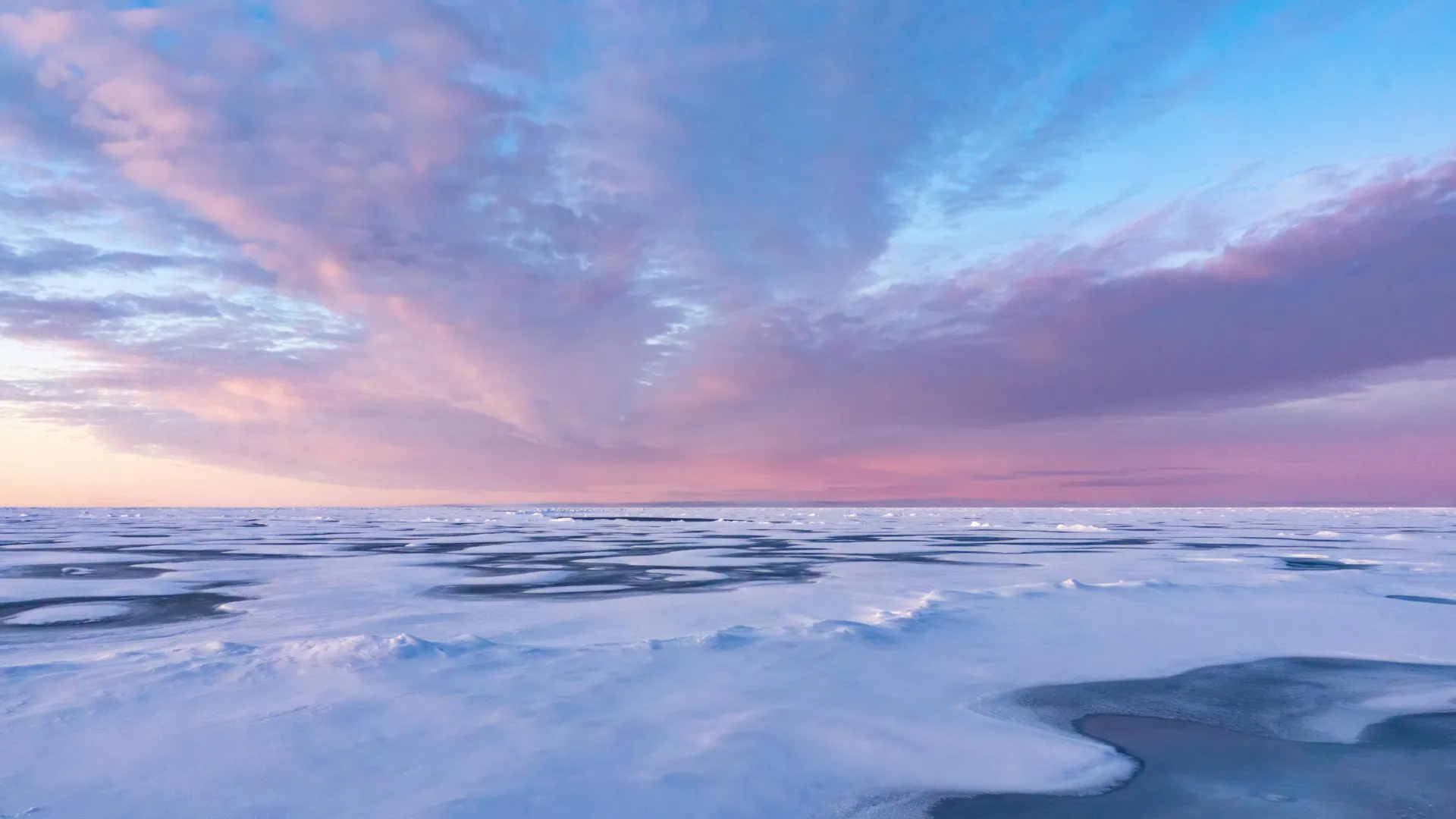
Arctic Ice Edge Creates Unexpected Cloud-Seeding Boost, Climate Models May Need Update
Sunlight meeting melting sea ice is doing more than brightening the Arctic. It is triggering a chemical reaction that multiplies cloud-seeding particles by up to 50 times in a single day. That is a striking jump, and it comes from a region actively expanding as ice retreats. This process deserves serious attention. We should not assume current models capture it. Understanding this mechanism could refine how we project Arctic warming, and that matters for everyone watching the poles.
Climate Stressors Reshape Salmon Gill Microbiome, Threatening Aquaculture.
Rising ocean temperatures and oxygen depletion are not distant threats; they are reshaping the gill microbiome of farmed Atlantic salmon, and the industry is catching up slowly. This study's identification of Streptococcus and Staphylococcus as biomarkers under heat stress, alongside transcriptomic shifts in immune and tissue-integrity pathways, offers a measurable, peer-reviewed foundation for adaptive management. The findings underscore that climate stressors act in concert, not isolation.

Drought's Reach: Wildlife Migration May Trigger Yellow Fever in Brazil
Drought can move more than dust. In Brazil, animals driven to find water carried the forest into the city, and may have triggered the country's first yellow fever outbreak in decades. That chain, from thirsty wildlife to urban transmission, is a stark measure of how climate stress reshapes disease risk. It is a reminder that ecological disruption rarely stays in the wild. For broader context on climate-driven change, see our piece on Atlantic Circulation Weakens: Global Climate Reshaping Predicted.
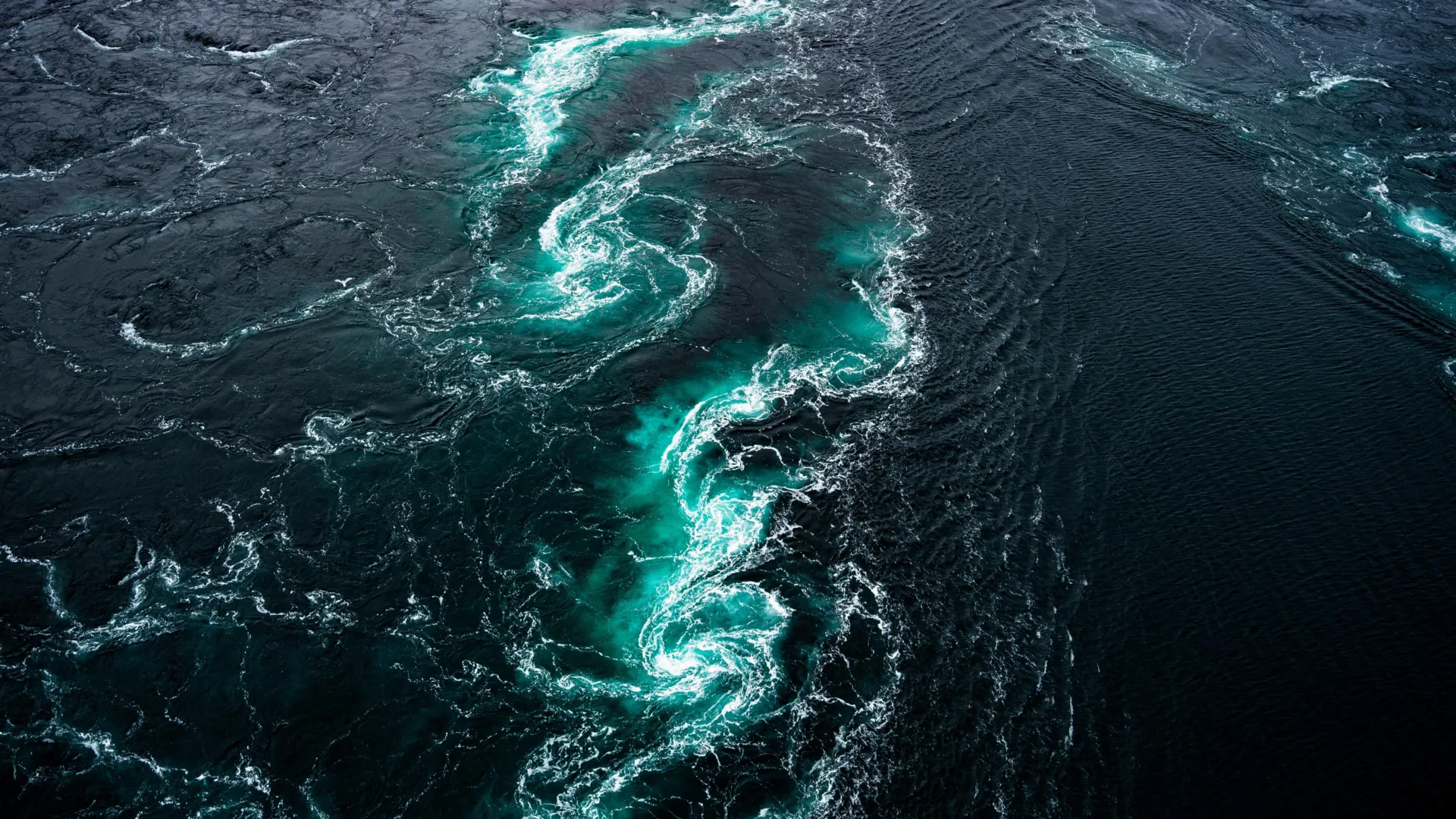
Rapid Warming Threatens Atlantic Circulation’s Stability
The pace of warming may be the deciding factor for the Atlantic Meridional Overturning Circulation. New research indicates that rapid temperature rise, similar to today's trajectory, can push this massive system past a tipping point far earlier than gradual change would allow. The finding reframes our understanding of climate thresholds. For a broader perspective on how we track these shifts, our related piece, "Atlantic Circulation Weakens: Global Climate Reshaping Predicted," offers additional context.
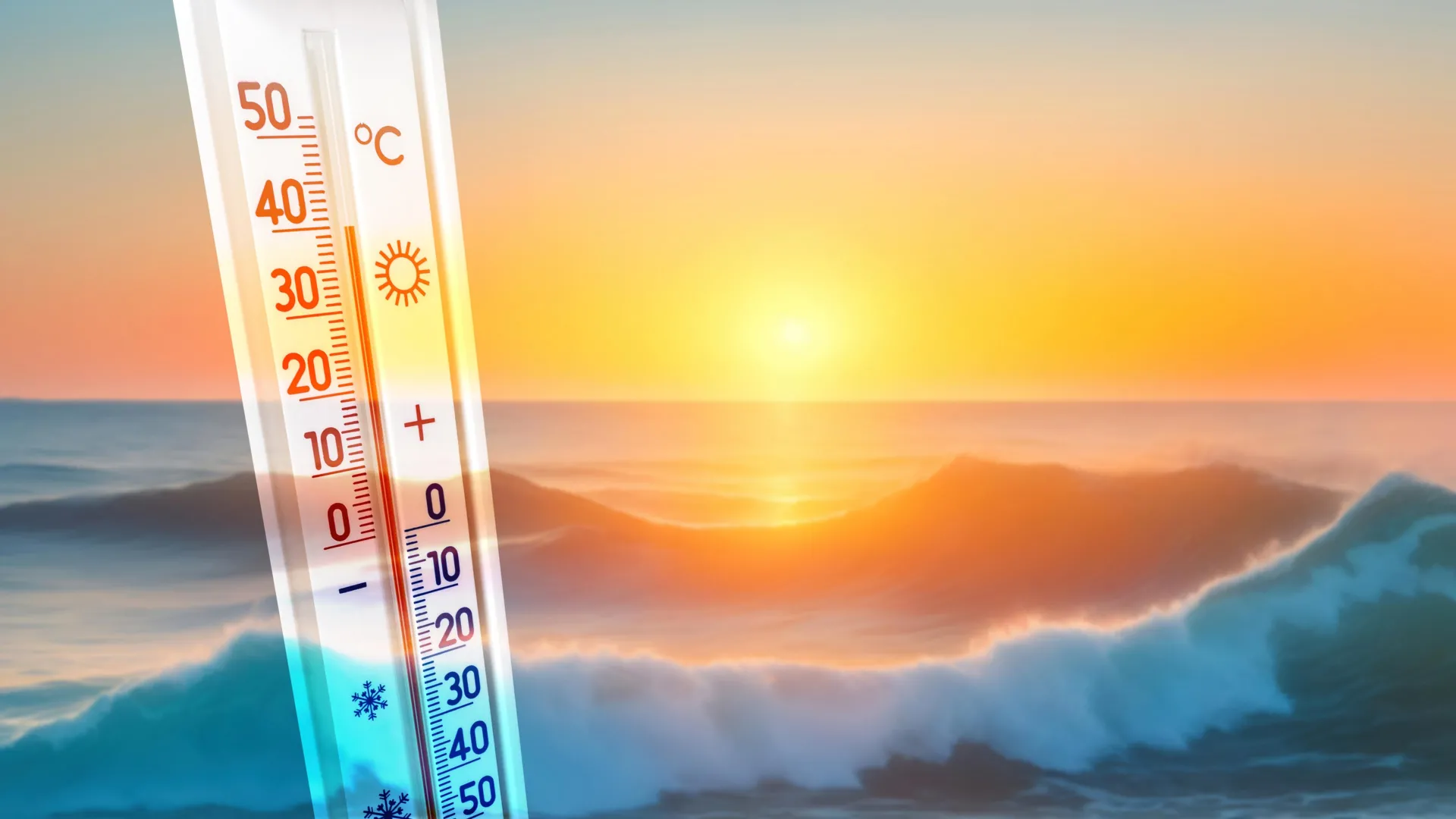
Ocean Warming's Ripple Effects: A Growing Threat to Human Health
Marine heatwaves are no longer just an ocean problem. They are a human health problem, and that distinction matters. As unusually hot waters fuel stronger storms, trigger harmful algal blooms, and strain seafood supplies, coastal communities face mounting risks to their livelihoods and mental well-being, from anxiety to grief. This is a measurable, peer-reviewed concern that demands our attention. Understanding these ripple effects is the first step toward integrated responses.
Shrimp Waste Fuels Greenhouse Gas Emissions in the Eastern South Pacific
Krill fecal pellets are not typically the first suspect in greenhouse gas budgets, yet a new study from the Eastern South Pacific shows they deserve a closer look. The research, conducted along a zonal transect near 27°S during the CIMAR 26 expedition, found these particles can act as both sources and sinks of CO2, N2O, and CH4.
Empirical Evidence: Young Scientists Document Ocean Changes, Challenge Climate Denial
Diane and Bronwyn didn't wait for a lecture to prove what they already suspected. They gathered their own observations, measured what they could, and brought the evidence to their science teacher. Their work is a reminder that empirical truth doesn't require permission. Climate denial weakens when met with calibrated, real-world data. These young women aren't just documenting change; they're modeling how inquiry can counter assumption.
Measuring Ocean Health: Introducing Integrated Ocean Accounts.
Ocean accounts turn scattered marine data into a single, coherent ledger. They track what the ocean provides, how we use it, and what we put back, giving policymakers a practical way to weigh economic gains against ecological health. This framework makes trade-offs visible and decisions more defensible. It is a measurable step toward stewardship, not a slogan.
Ocean Salinity Shifts: A Longitudinal Analysis, 1955–1998
For four decades, the ocean has been quietly rewriting its own chemistry. The 2005 analysis by Boyer, published in *Geophysical Research Letters*, tracks linear salinity shifts from 1955 to 1998, offering empirical evidence of changing evaporation and precipitation patterns. This is not abstract data; it is a measurable climate indicator. Understanding these long-term trends sharpens our view of planetary change.
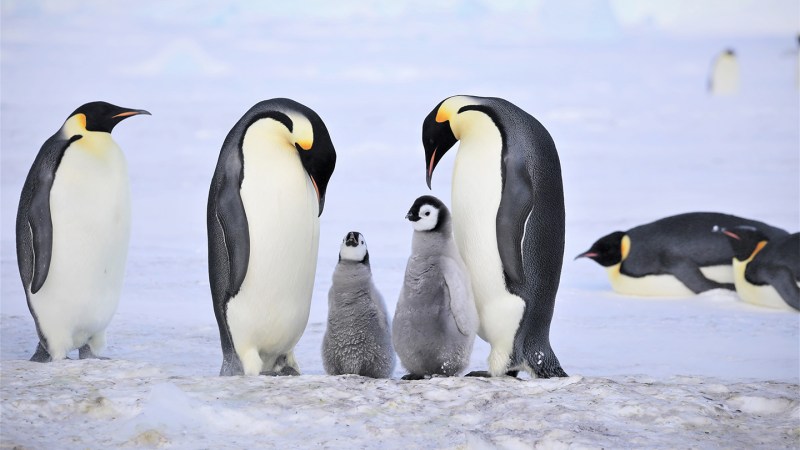
Iceberg's Presence Linked to Significant Chick Decline in Emperor Penguin Colony
A 2025 emperor penguin colony saw a sharp decline in chicks, and the likely culprit is the grounded iceberg nearby. The contours of that ice mass appear to have disrupted the colony's usual breeding conditions, a stark reminder of how local geography can tip the scales for a species already under pressure. It is a measurable, empirical signal of change. For broader context on Antarctic dynamics, our piece on Antarctic krill reproduction offers a complementary thread.
Integrated Models Enhance Ross Sea Marine Protected Area Conservation.
End-to-end models are no longer optional for marine conservation; they are the clearest path we have to understanding how physical forces, food webs, and predator behavior intersect. The paper's focus on the Ross Sea MPA is timely, particularly its call for modular structures that let scientists refine components without stalling the whole system. The emphasis on linking fine-scale predator foraging to broader ecosystem dynamics is especially sharp.

K Line Employees Contribute to Global Ocean Plastic Cleanup Effort
On World Oceans Day, 630 K Line employees and their families traded their usual routines for shoreline cleanup efforts, turning corporate responsibility into measurable action. This is the kind of initiative that moves the needle, not with grand promises, but with coordinated, hands-on participation. It's a practical reminder that ocean health depends on collective effort, whether that's picking up debris or pushing for stronger governance. For those tracking the broader picture, our piece on MPA Networks highlights how such grassroots action complements larger conservation frameworks.
Ocean Warming Reshapes Zooplankton, Impacting Marine Ecosystems Worldwide
Zooplankton are not drifting passively through this crisis; they are being actively reshaped by it. Ocean warming, stratification, and acidification are filtering species by their traits, reorganizing communities in ways that ripple from grazing rates to carbon export. What stands out is the variability: jellyfish and krill respond differently, and those differences will strengthen some pathways while weakening others. Predicting the ocean's future demands integrating long-term observations with mechanistic models, and this review makes that urgency clear.
China’s Role in Global Shipping Decarbonization: An IMO Analysis
The IMO's Net-Zero Framework marks a decisive step in aligning global shipping with the Paris Agreement, and China's role is pivotal. Beijing has championed the principle of common but differentiated responsibilities, shaping the NZF's pricing mechanisms while advancing its own 'dual carbon' targets through integrated regulatory approaches. The challenge lies in balancing domestic decarbonization with international obligations, yet the opportunities for leadership are clear. China's trajectory here will not only define its shipping governance but also set a precedent for collaborative climate action.
Ocean Intelligence: Eleven Data Innovations Transforming Our Understanding.
The ocean remains the most observed yet least understood system on Earth, and the World Economic Forum's Ocean Intelligence: Eleven Data Innovations Transforming Our Understanding confronts this paradox head-on. Eleven empirical tools, from integrated data ecosystems to real-time climate indicators, replace speculation with validated insight. It is a measured, peer-reviewed approach to stewardship, and it pairs well with our coverage of how integrated subsea cables now carry 99% of global data beneath the waves.

Women's Participation in India's Maritime Workforce Soars.
The maritime workforce is changing, and India is leading that charge. Union Minister Sonowal highlighted that initiatives like "Sagar Mein Samman" are driving a measurable rise in women's participation across the sector. This is not symbolic progress; it is practical, structural advancement. When policy targets inclusion directly, the industry strengthens. For those tracking this momentum, our related coverage on the new Seafarers' Welfare Centre at Mormugao Port shows how infrastructure and opportunity are being built in tandem.
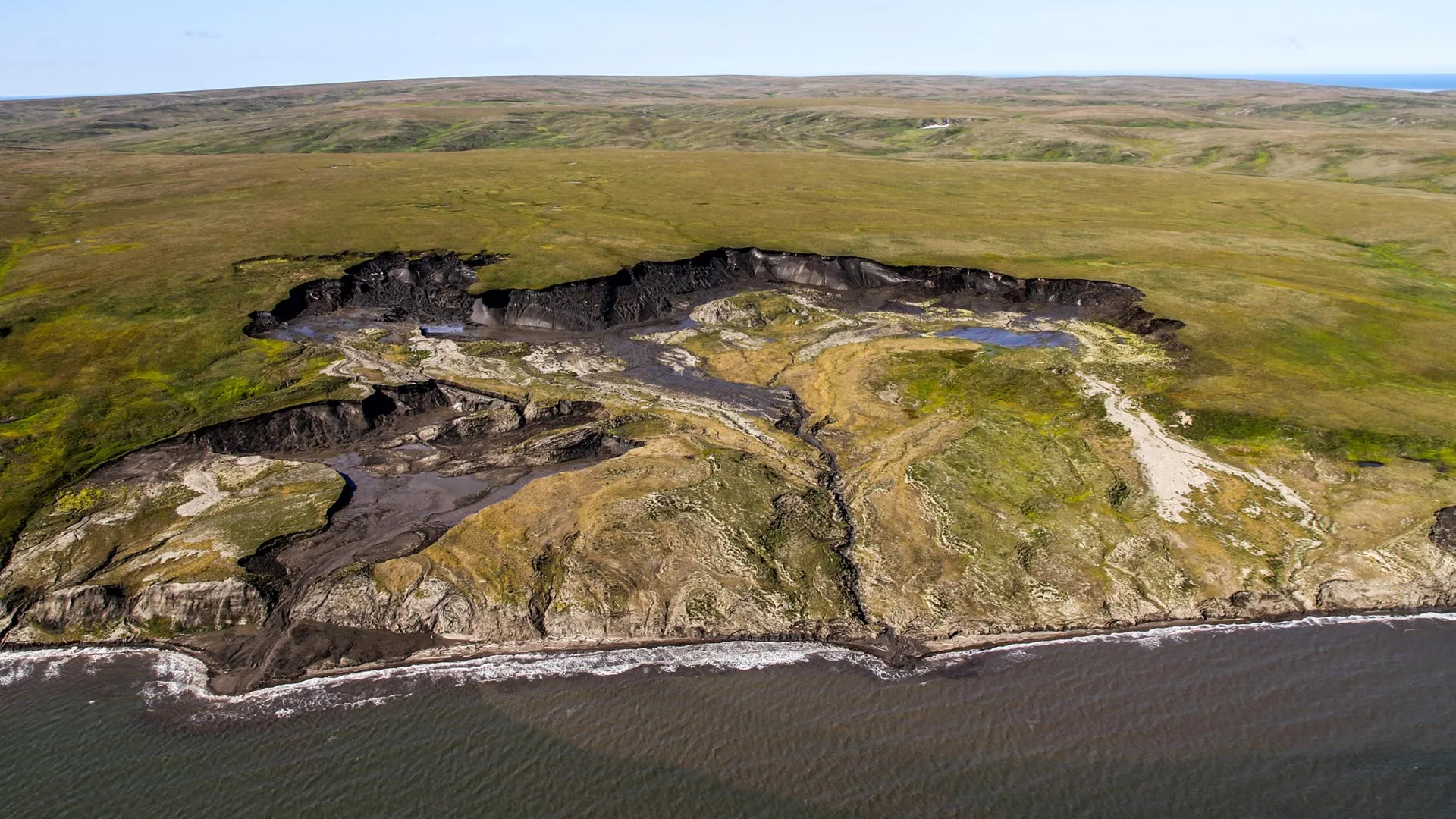
Arctic Carbon Release: Seafloor Sediment Limits Greenhouse Gas Impact
Sediment cores pulled from the seabed near Canada's Herschel Island deliver a measured counterpoint to alarm. Thawing permafrost is releasing ancient carbon into the ocean, yet the data show most of it gets buried in the seafloor, with only about 10 percent converted into greenhouse gases. That distinction matters for climate projections. We read this as a validation of integrated observation, not complacency.
Climate Change Reshapes Fish Connectivity Within China’s Coastal Marine Protected Areas
Climate change is not a distant threat to China's coastal MPAs; it is actively rewiring the connections between them. Our new study shows that by 2090, warm-water species like *B. taipingensis* may expand their range dramatically, while cold-temperate fish such as *L. polyactis* face severe contractions. The result is a network that is growing in some places, yet functionally fraying in others. Static protection is no longer enough; adaptive, data-driven management is essential.