Atlantic
World Data Ocean keeps Atlantic in one place: 14 stories so far. The section currently leads with “Undersea cable sabotage reveals critical gaps in global telecom security”, “An Atlantic water mass reveals its global circulation pathway”, and “A Century of Ocean Intelligence Reveals a Measurable Current Slowdown”. A series of sabotage attacks on undersea cables, allegedly carried out by a Russian "shadow fleet," has exposed a critical vulnerability in global telecom security, our most essential infrastructure is poorly defended… A single Atlantic water mass now reveals its global circulation pathway, the "Grand Tour" it takes around the world. A Global Hub for Ocean Intelligence 4 World Data Ocean is a centralized digital platform where researchers, scientists, and ocean enthusiasts converge to… The list below is every Atlantic story on World Data Ocean, newest first.
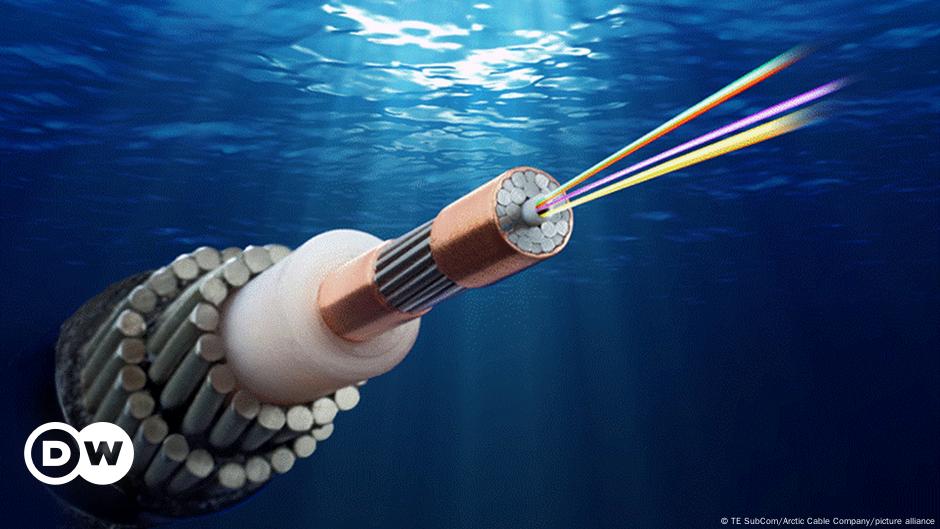
Undersea cable sabotage reveals critical gaps in global telecom security
A series of sabotage attacks on undersea cables, allegedly carried out by a Russian "shadow fleet," has exposed a critical vulnerability in global telecom security, our most essential infrastructure is poorly defended against deliberate destruction. These are not accidental cuts; they are attacks. This vulnerability mirrors the accelerating signals we track in our oceans, explored in *Ocean's early warnings grow urgent as climate signals accelerate*. Protecting what connects us demands the same vigilance we apply to the planet itself.

An Atlantic water mass reveals its global circulation pathway
A single Atlantic water mass now reveals its global circulation pathway, the "Grand Tour" it takes around the world. Scripps Institution of Oceanography maps this journey with empirical precision, showing how a current that begins near the Azores becomes a measurable, real-time climate indicator across hemispheres. Understanding drives protection. For deeper context on how we validate such ocean intelligence, see our coverage of the calibrated global salinity dataset.
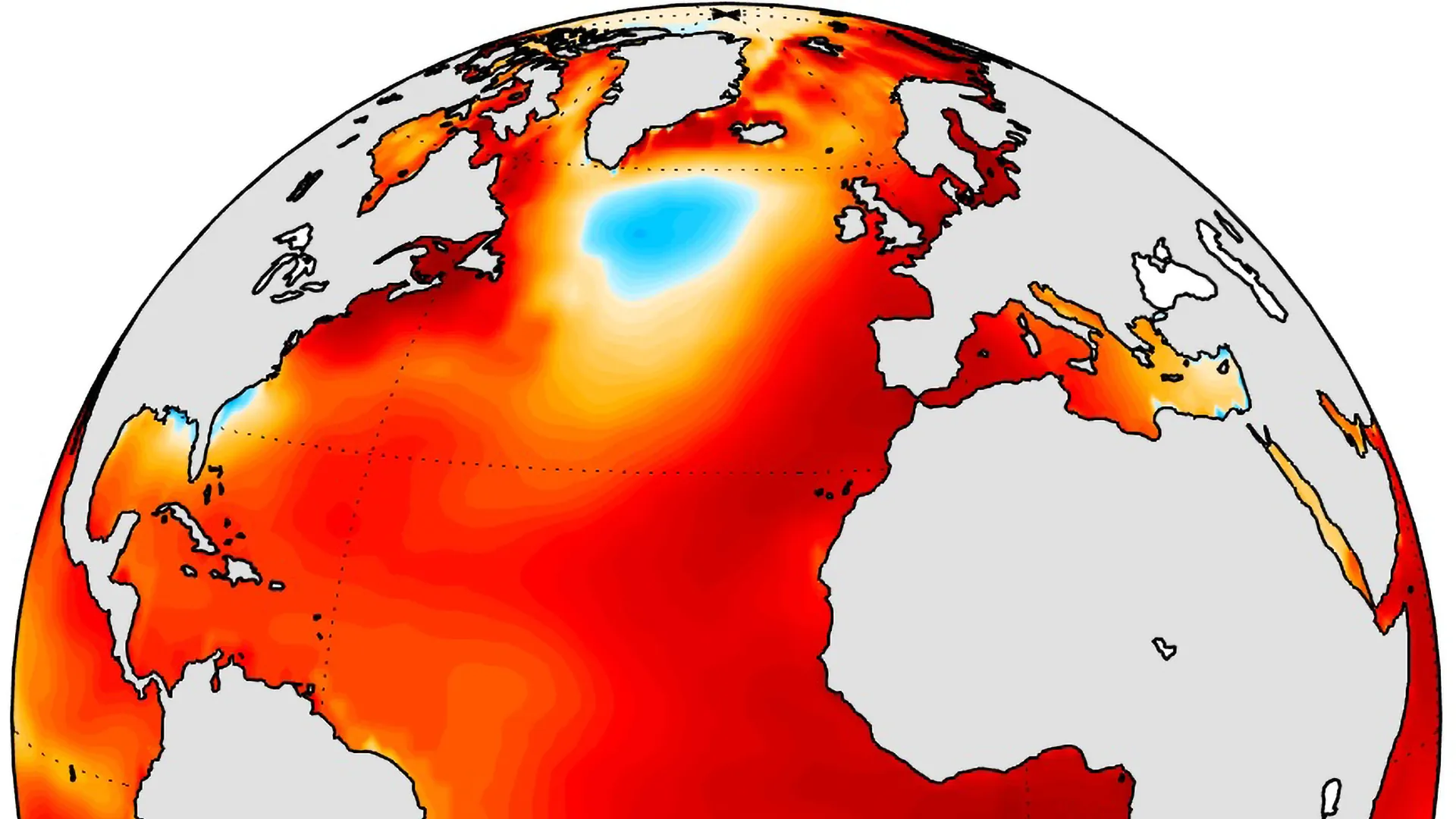
A Century of Ocean Intelligence Reveals a Measurable Current Slowdown
A century of ocean intelligence now delivers a measurable finding: the Atlantic Meridional Overturning Circulation is slowing. This is not a model projection. It is an empirical, validated signal drawn from decades of peer‑reviewed data. The current's weakening carries real implications for climate indicators and global heat distribution. Understanding drives protection. For a deeper look at how integrated data ecosystems track these changes, see our coverage of the ECCO‑Darwin model's first multi‑decadal global ocean CO₂ flux estimates.

Optimal LNG Carrier Design: Boosting Capacity, Reducing Costs
A 200,000m³ LNG carrier can move more gas per voyage without sacrificing access to the terminals that matter most. LR's analysis shows that this larger capacity directly reduces unit transport costs while staying compatible with the majority of existing infrastructure. That is practical efficiency, not speculative ambition. For readers tracking how maritime logistics adapt under pressure, our piece on Gulf of Oman STS transfers maxing out offers a useful parallel.
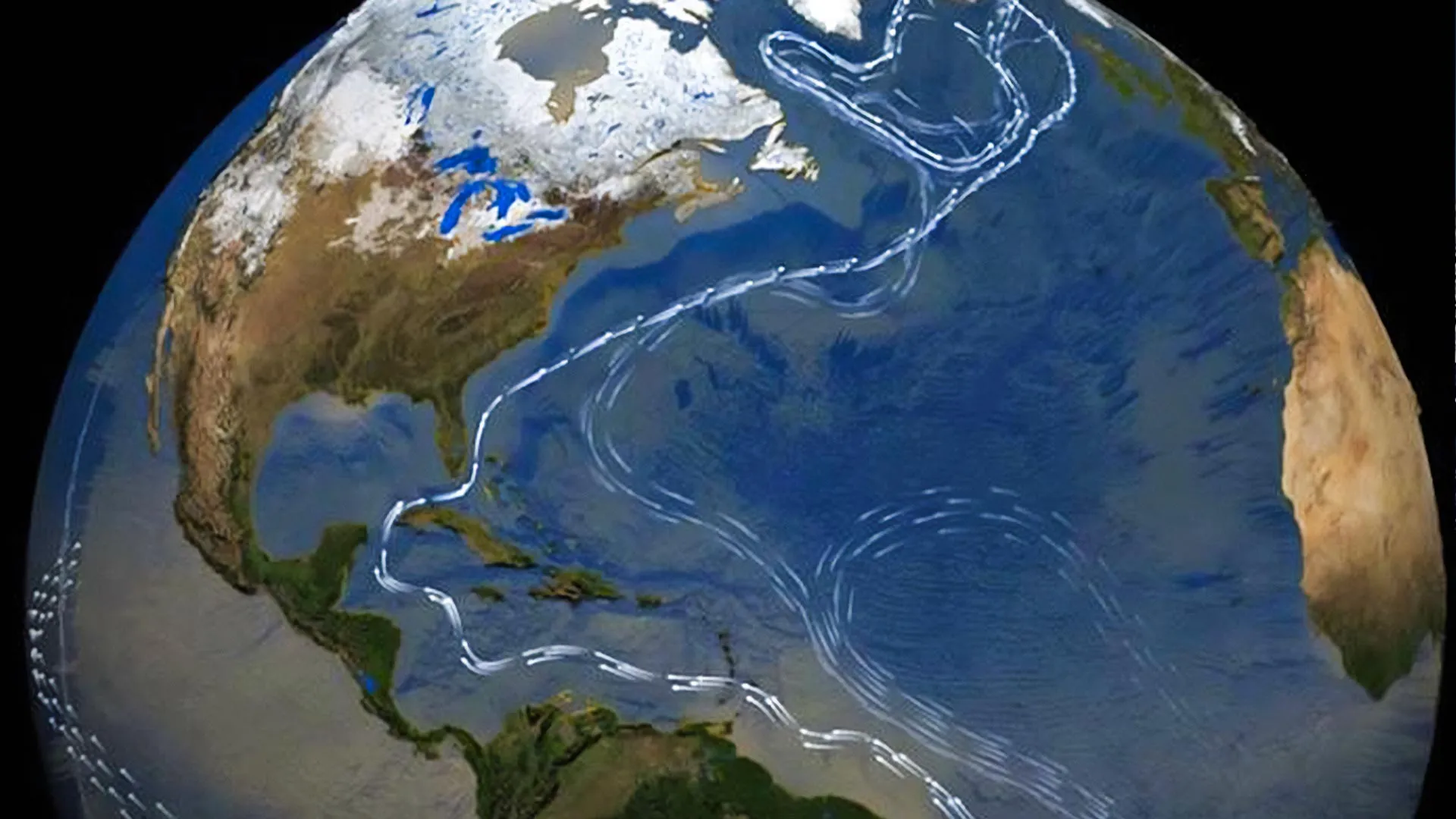
Atlantic Circulation Weakens: Global Climate Reshaping Predicted
For nearly two decades, the Atlantic Meridional Overturning Circulation has been weakening across a broad expanse of ocean, and the evidence is now firmly observational. This isn't a distant model projection; it's a measured slowdown with the potential to redraw weather patterns, storm tracks, and coastal sea levels around the basin. We treat this as a calibrated warning, not speculation. The data demands attention.

Unexpected Chiton Discovery in Puerto Rico Challenges Species Distribution Models
A chiton thought to be a snakeskin species has surfaced in Puerto Rico, yet that species was never documented in Caribbean or Atlantic waters. The discovery challenges the reliability of species distribution models that underpin much of our ocean intelligence. This is not a minor range extension, it is a signal that empirical data must catch up with predictive frameworks. Understanding drives protection, and this finding reminds us that validated, real-world observation remains the anchor of credible marine science.

Gulf of Thailand Physalia Clarified: Taxonomy and Distribution Insights
For decades, the species identity of *Physalia* on Thai beaches has remained unresolved, leaving public-health responses without a firm scientific baseline. This study changes that. By integrating morphological traits with multilocus and COI haplotype analyses, the authors provide specimen-based confirmation of *P. utriculus* in the Gulf of Thailand. The finding that local haplotypes dominate, despite shared widespread ones, underscores the need for regional genetic monitoring.
Southeast Florida Waters Yield Unexpected Fish Species Observations.
Routine surveys off Southeast Florida were expected to confirm known species, yet these waters delivered observations that defy existing distribution models. The findings suggest our understanding of regional marine life remains incomplete, and that is precisely why sustained monitoring matters. Observations like these are not anomalies to dismiss but empirical signals to investigate. They remind us that ocean intelligence grows through calibrated, real-time data collection, not assumption.

Real-Time Data from The Ocean Race Illuminates Gulf Stream Changes
The Gulf Stream is slowing, and now the sailors racing through it are helping to measure exactly how. Competitors in The Ocean Race Atlantic will collect climate data from these weakening currents, turning a grueling contest into a live oceanographic survey. This is the kind of integrated, real-time observation we need most. It is empirical, immediate, and driven by people already at the mercy of the sea.
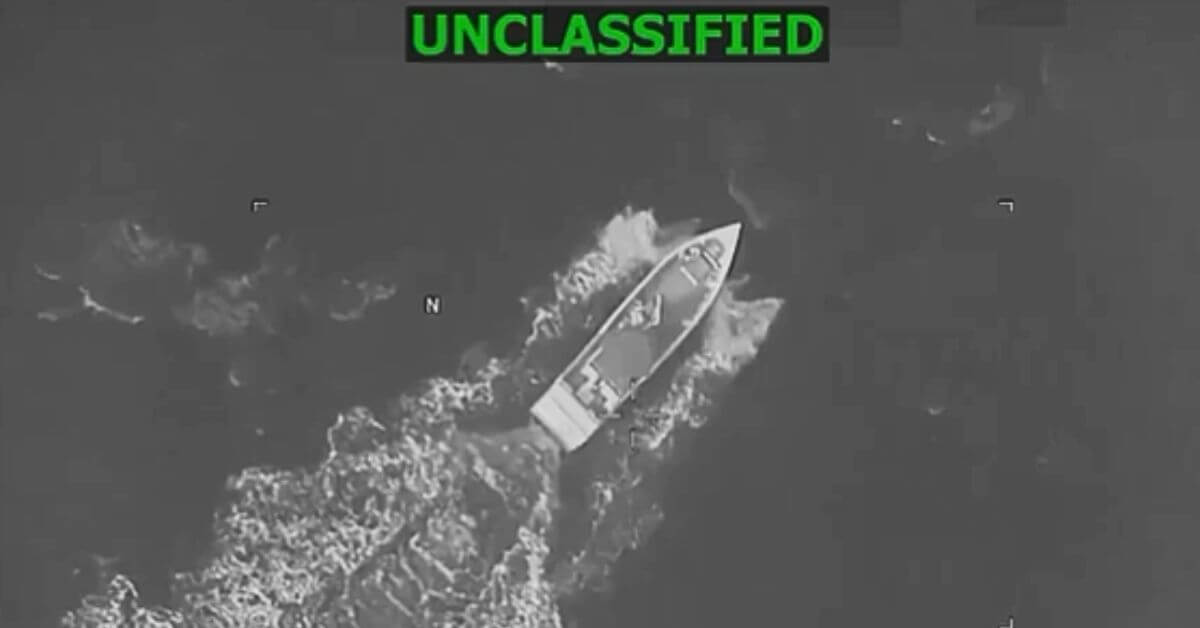
Maritime Interdiction: U.S. Strike in Caribbean Raises Questions of Escalation
Two days after a U.S. strike on a vessel in the Eastern Pacific killed two people, a new maritime interdiction in the Caribbean is forcing a harder look at escalation. These are the first such actions in over two months, and the timing is deliberate. Measured force, when applied, still carries weight. The question is whether Washington is calibrating a broader posture or responding to isolated pressure.

Seized Vessels' Fate: Sanctioned Oil Tankers Scrapped in India.
Two sanctioned oil tankers, the Era and the Lileo, once known by multiple names in a shadowy trading history, have been scrapped in India. Their dismantling signals a quiet, practical resolution to sanctions pressure. It is a measured outcome, not a spectacle, and it underscores how global compliance mechanisms are reshaping vessel lifecycles. For context on maritime infrastructure shifts, our piece on integrated subsea cables enhancing Indian Ocean connectivity offers a broader view of regional logistics. Enforcement, it seems, is working.
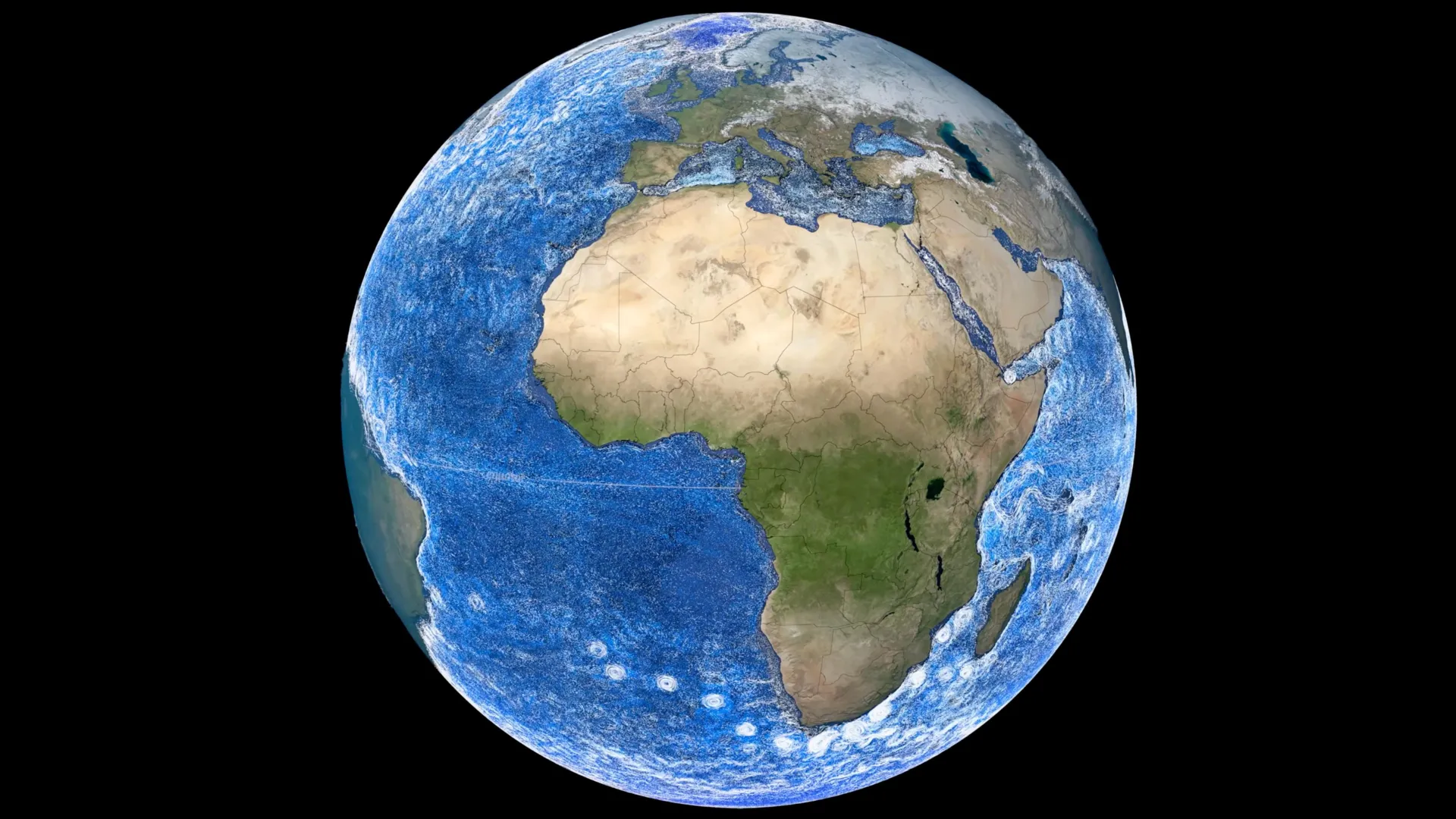
Ancient Sediments Reveal AMOC’s Resilience Amid Ocean Circulation Shift
Ancient seafloor sediments show that 3.4 million years ago, as the Indian Ocean's warm, salty inflow into the Atlantic nearly ceased, the AMOC held its own, parts of the overturning circulation even strengthened. That resilience challenges assumptions about how abruptly this system can shift. It is a reminder that ocean circulation responds in ways we are still mapping. For more on how we track such changes, see "Calibrated ocean intelligence, now within reach through integrated data discovery."

International Collaboration Intercepts Nearly Half a Tonne of Cocaine.
Operation White Sea VI, a collaboration of 14 nations, intercepted nearly half a tonne of cocaine before it reached European shores. The seizure is a measurable win for maritime security, but its real value lies in what it demonstrates: coordinated intelligence works. When nations share calibrated data across borders, criminal networks lose ground. This interdiction echoes the broader mission we track in our coverage, from ocean security to climate resilience.
Tracking the Elusive Giant Squid: A North Atlantic Research Challenge
The giant squid remains one of the ocean's most persistent mysteries, and this North Atlantic research challenge underscores why. Tracking an animal that rarely surfaces demands more than patience; it requires calibrated, real-time observation across a vast, integrated data ecosystem. The work is difficult, but the potential to turn sparse sightings into empirical knowledge is worth the effort. For context on how such data networks function elsewhere, our related article, "Integrated Subsea Cables Enhance Data Transmission Across the Indian Ocean," offers a useful parallel.