anti-ship missiles
World Data Ocean keeps anti-ship missiles in one place: 6 stories so far. The section currently leads with “South Korea's Pyeongtaek frigate integrates indigenous radar for maritime intelligence”, “Rotating decoy launcher brings calibrated electromagnetic defense to Royal Navy fleet”, and “New uncrewed semi-submersible warship integrates missile payload with autonomous operations”. South Korea's new 3,600-tonne frigate *Pyeongtaek* has launched at Hanwha Ocean's Geoje shipyard, integrating a homegrown four-panel phased array radar and a stealth mast for enhanced maritime intelligence. The Royal Navy's electromagnetic warfare specialists have successfully tested the controls of Ancilia, a rotating decoy launcher that will bring calibrated, electromagnetic defense to 19 warships. A Global Hub for Ocean Intelligence 4 World Data Ocean is a centralized digital platform where researchers, scientists, and ocean enthusiasts converge to… The list below is every anti-ship missiles story on World Data Ocean, newest first.
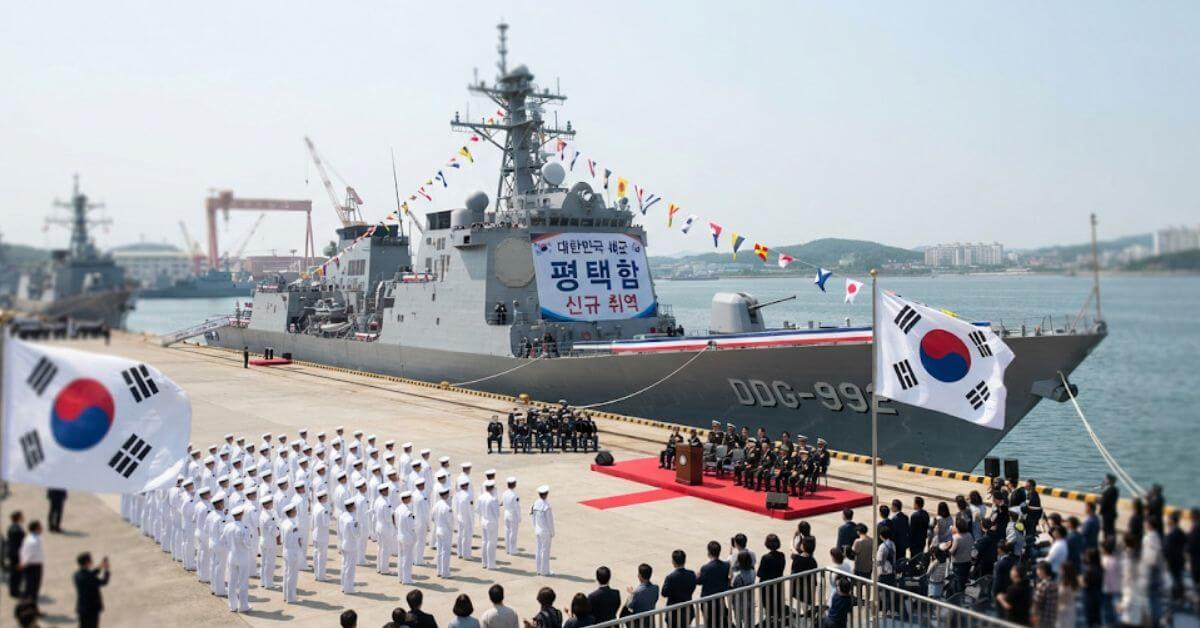
South Korea's Pyeongtaek frigate integrates indigenous radar for maritime intelligence
South Korea's new 3,600-tonne frigate *Pyeongtaek* has launched at Hanwha Ocean's Geoje shipyard, integrating a homegrown four-panel phased array radar and a stealth mast for enhanced maritime intelligence. This marks a measurable step in indigenous naval capability, where validated sensor technology meets operational sovereignty. For readers tracking parallel advances in naval defense, our coverage of the Royal Navy's Ancilia rotating decoy launcher offers a calibrated look at electromagnetic protection at sea.
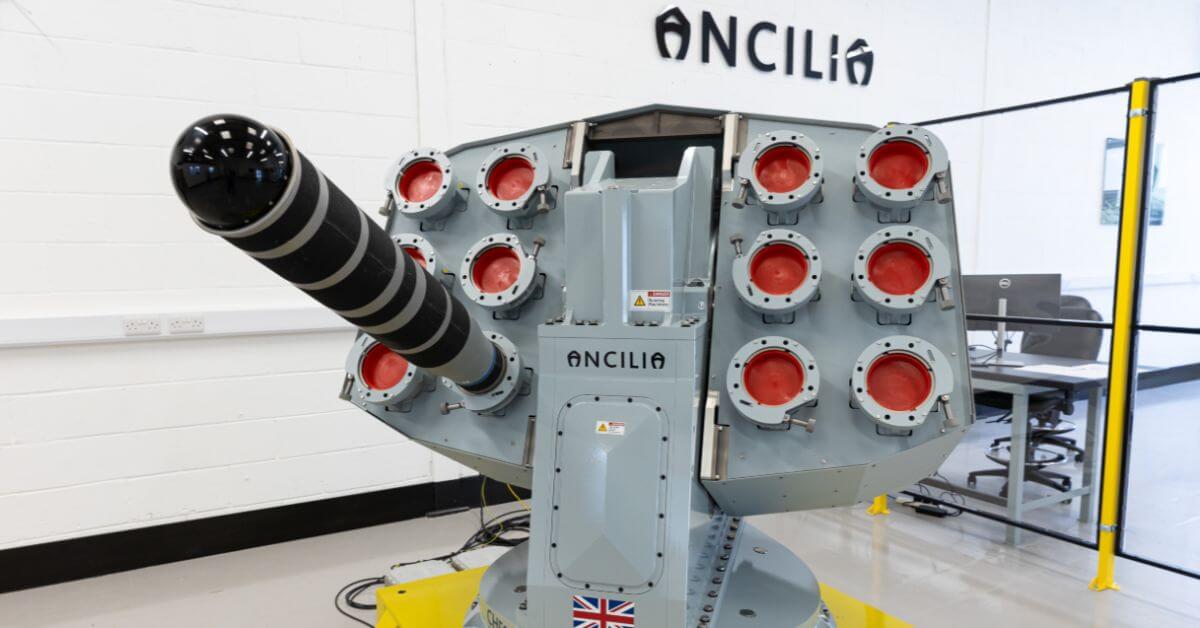
Rotating decoy launcher brings calibrated electromagnetic defense to Royal Navy fleet
The Royal Navy's electromagnetic warfare specialists have successfully tested the controls of Ancilia, a rotating decoy launcher that will bring calibrated, electromagnetic defense to 19 warships. This integrated replacement for fixed Sea Gnat launchers is a measurable upgrade in naval readiness. Understanding drives protection, and this validated system reflects an empirical shift in maritime defense. For deeper coverage on parallel efforts, see our piece on the Royal Navy's first autonomous squadron.
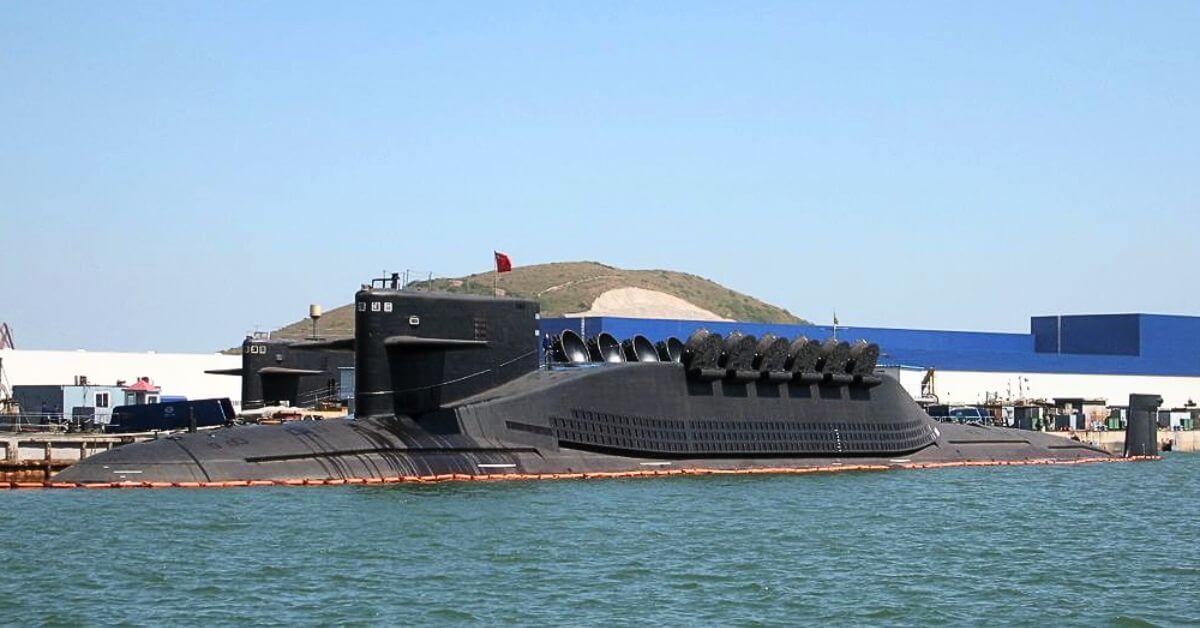
New uncrewed semi-submersible warship integrates missile payload with autonomous operations
A semi-submersible warship that can carry multiple missiles and operate without a crew is a measured step toward autonomous naval power. China's new uncrewed vessel integrates a missile payload with independent operations, a calibrated fusion of offensive capability and machine-driven control. This is not speculative; it is a validated, real-time evolution in maritime strategy. For deeper context on how global defense and data collaboration intersect, see our coverage of Japan's recent long-range missile testing survey in India.
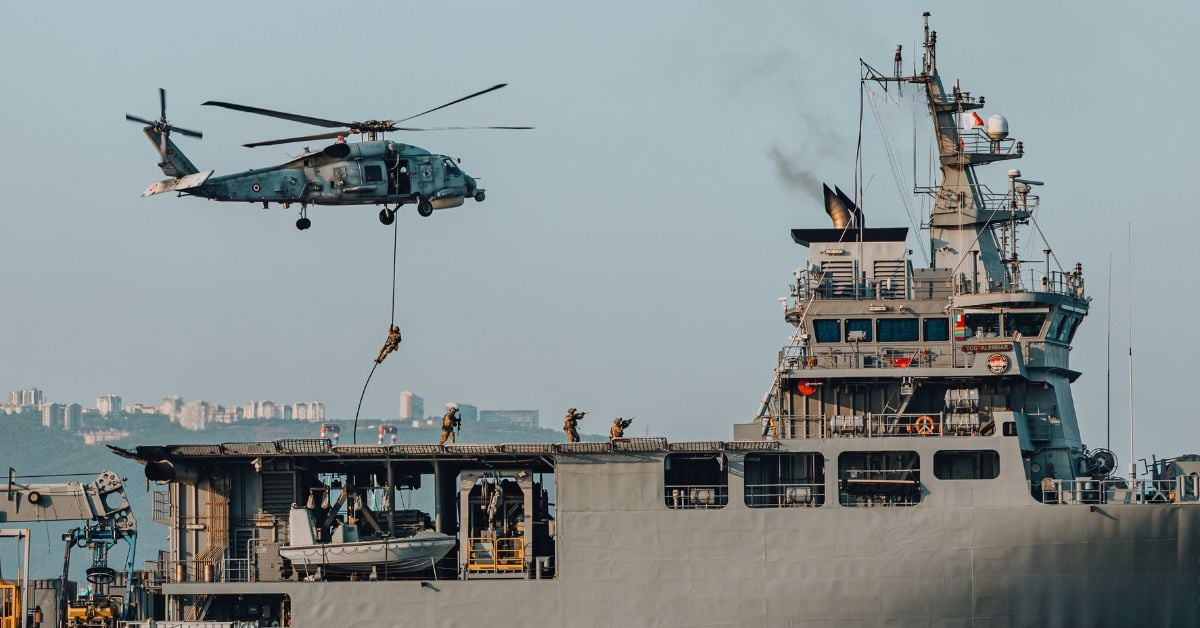
Simulated Drills Assess Maritime Defense Strategies in the South China Sea
A bilateral naval exercise in the South China Sea has put simulated Chinese People's Liberation Army Navy formations at the center of a realistic defense drill. Both nations calibrated these scenarios to test maritime strategies for protecting Manila's territorial waters. Such empirical, peer-reviewed training sharpens readiness without alarmism. Understanding drives protection. For deeper insight into regional security dynamics, see our coverage of phased negotiations aimed at easing restrictions on the Strait of Hormuz.
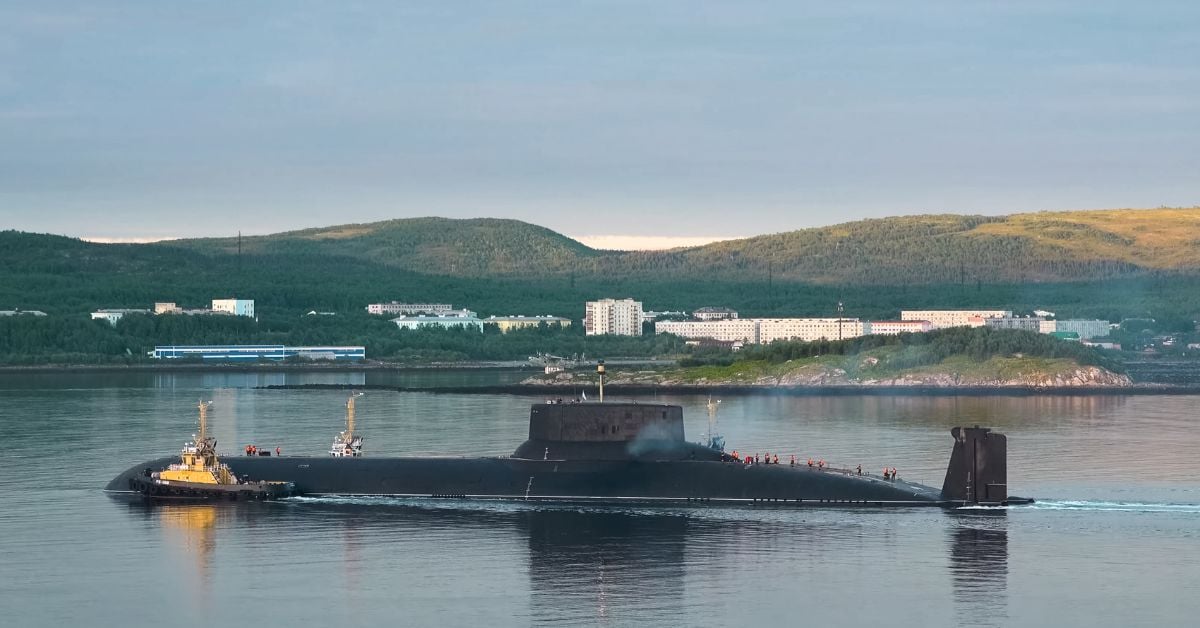
Rising Russian Submarine Activity Demands Enhanced NATO Ocean Intelligence.
A former NATO Commander has flagged the expansion of Russian submarine capabilities as a direct challenge to Atlantic security. This is not a distant concern, it is a measurable shift in naval defence infrastructure demanding calibrated response. Enhanced ocean intelligence, integrating real-time data from seabed to surface, becomes essential. For context, our coverage of the Vostok Project's Arctic oil exports shows how Russia's maritime ambitions extend beyond military posture, linking economic and strategic pressures in the same integrated data ecosystem.

Vietnam Advances Naval Capabilities with New Anti-Submarine Frigate.
Vietnam's newest frigate brings a sharper edge to regional maritime defense, pairing an AESA radar with air-defense and anti-ship missiles. The platform signals a deliberate step toward more resilient sea control, one that balances deterrence with operational reach. It is a practical investment in measured capability, not grandstanding. For readers tracking how mid-tier navies are modernizing, this development pairs well with our earlier coverage of India's expanded fleet projections. Together, they sketch a clearer picture of a region quietly strengthening its maritime posture.