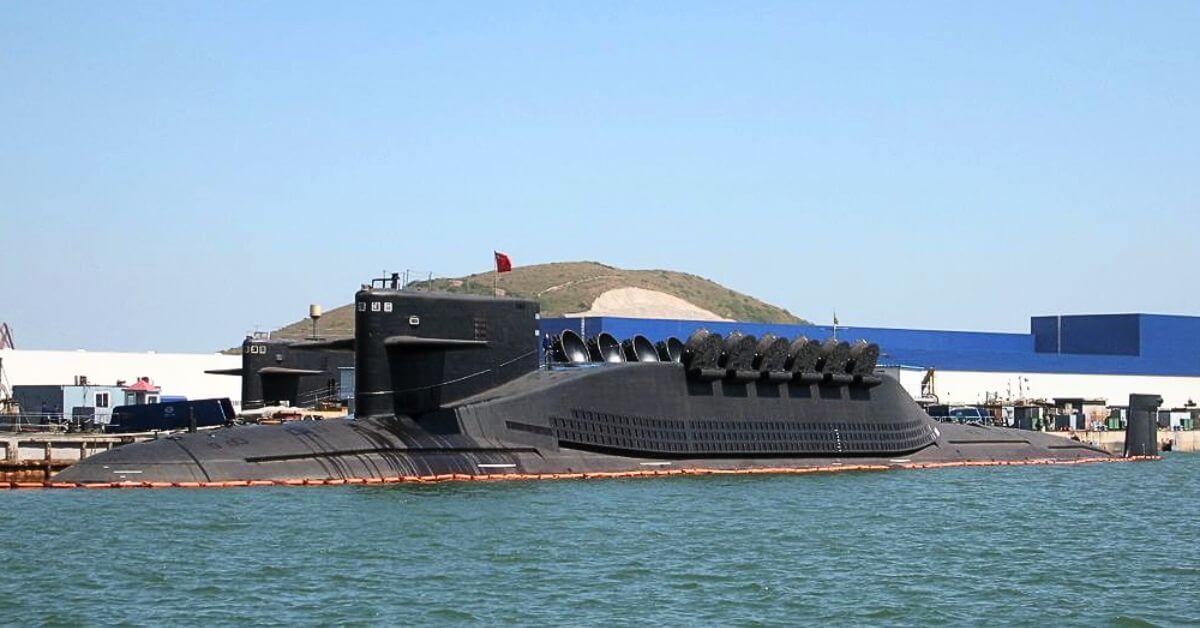
China's new semi-submersible missile carrier is a calculated step toward autonomous naval warfare, and the global community should treat it as a measured, empirical signal rather than a cause for alarmist headlines. This vessel, designed to operate without a crew and surface only to launch its payload, represents a practical fusion of submersible stealth with missile firepower, one that demands calibrated observation from anyone tracking maritime security. For researchers and policymakers who follow Japan Defence Officials Survey Indian Range for Long-Range Missile Testing or the shifting dynamics of Undersea cable competition tests global data collaboration, this development fits into a broader pattern of nations investing in uncrewed platforms that blur the line between civilian and military ocean use.
Our take is straightforward: this vessel is not a revolutionary weapon but a logical, incremental application of autonomous systems to an existing naval problem, delivering missile payloads from a concealed position. The trimaran hull design, estimated 900-tonne submerged displacement, and 16 to 18 missile tubes all point to a platform optimized for a single mission: surface, launch, and potentially reposition without a human crew. The open navigation bridge suggests human control is retained for port operations and confined waters, confirming that full autonomy remains a goal rather than a current capability. What matters most for our readers is the integration of these design choices into a coherent operational concept. The vessel does not fire while submerged; it must surface, open its weapon compartments, and raise tubes to vertical. This constraint reduces its tactical surprise compared to a conventional submarine, but it also lowers complexity and cost. The likely payload, anti-ship or land-attack cruise missiles, possibly the YJ-20 hypersonic variant with a 1,000-1,500 km range, indicates a platform intended for stand-off strikes against naval task forces or coastal infrastructure, not close-quarters engagement.
The practical implications for ocean intelligence are significant. Autonomous, semi-submersible vessels complicate existing monitoring frameworks that rely on acoustic signatures or satellite tracking of surfaced submarines. This craft, with its diesel-electric propulsion and snorkel mast, operates in a regime between surface ship and submarine, making detection more difficult for traditional surveillance networks. For nations and organizations investing in integrated data ecosystems to track maritime activity, including the kind of collaborative data-sharing highlighted in Sierra Leone and China Launch Shipping Joint Venture to Expand Maritime Data Reach, this vessel underscores the need for multi-sensor fusion that can correlate radar, optical, and acoustic data across platforms. The specific detail to watch is whether China proceeds with serial production or treats this as a technology demonstrator. If the single hull in trials becomes a class of vessels, the operational question shifts from capability to quantity: how many such platforms can be deployed, and how quickly can they be integrated into a broader naval strategy? The answer will determine whether this remains a niche experiment or becomes a persistent factor in regional maritime balance.