Vessel Shortage Disrupts India’s Auto Exports Due To Ongoing West Asia Conflict
Our take
The current disruption to India’s auto exports due to a shortage of specialized vessels—specifically, Roll-on/Roll-off (RoRo) ships—highlights a critical vulnerability within global supply chains and underscores the ripple effects of geopolitical instability. The situation, directly linked to the ongoing conflict in West Asia, demonstrates how localized events can rapidly impact international trade flows. This isn't merely an inconvenience for Indian automakers; it’s a tangible consequence of constrained maritime logistics, impacting a sector poised for significant growth. The scarcity of these vessels, designed to efficiently transport vehicles, is forcing delays and potentially impacting contracts, ultimately affecting both Indian manufacturers and their international customers. This echoes broader trends discussed in [Maersk Selects Anemoi Rotor Sail For World-First Container Ship Installation], where innovative solutions like wind-assisted propulsion are being explored to address vessel efficiency and availability—though these are long-term solutions to a problem requiring immediate attention. The situation also brings to light the complexities of ship decommissioning and recycling, as seen in [Most EU Ships Are Scrapped In South Asia Despite Sufficient European Recycling Capacity, Study Finds], further complicating the overall vessel supply landscape.
The immediate cause – the redirection of RoRo vessels to support military logistics and humanitarian aid in the West Asia region – is symptomatic of a larger issue: the fragility of global maritime infrastructure when confronted with unforeseen events. The demand for specialized shipping capacity fluctuates dramatically, and the current crisis reveals a lack of readily available surplus vessels to absorb the shock. This scarcity is compounded by longer lead times for new vessel construction and the complexities of repurposing existing ships. The Indian auto sector, which has been steadily increasing its export volumes, is particularly vulnerable due to its reliance on efficient and timely transportation. The situation isn’t solely about the physical shortage of ships; it’s also about the intricate network of port operations, crew availability, and logistical coordination required to move these large volumes of vehicles. Understanding these logistical dependencies is paramount to building resilience within the global trade ecosystem. The scale of the U.S. Navy’s operations, as detailed in [U.S Navy’s Carrier Abraham Lincoln To Dock At Thai Port Before Heading Home After 250-Day Middle East Deployment], further demonstrates the demand for maritime assets in the region and its impact on commercial shipping.
Beyond the immediate disruption to auto exports, this situation provides a valuable case study in the interconnectedness of global trade and the importance of diversified maritime logistics. It emphasizes the need for proactive risk management strategies and a more robust understanding of potential supply chain vulnerabilities. Companies reliant on maritime transport must critically evaluate their sourcing strategies, explore alternative transportation routes (where feasible), and invest in technologies that enhance supply chain visibility and predictability. The long-term implications could include increased shipping costs, revised trade agreements, and a greater emphasis on regional production hubs to mitigate the risks associated with geographically concentrated supply chains. Furthermore, the incident reinforces the importance of investing in infrastructure improvements in port cities to handle increased volumes and adapt to changing shipping patterns.
Looking ahead, the question becomes: will this crisis accelerate the adoption of alternative shipping technologies and logistical strategies? The pressure to secure vessel capacity and reduce reliance on vulnerable regions will likely drive innovation in areas such as autonomous shipping, alternative fuels, and more flexible vessel designs. The data generated from monitoring these disruptions, alongside advancements in ocean intelligence, will be crucial for forecasting future challenges and informing strategic decisions. The resilience of global trade hinges on our ability to anticipate and adapt to these evolving dynamics, ensuring that the flow of goods remains relatively uninterrupted even in the face of unforeseen circumstances.
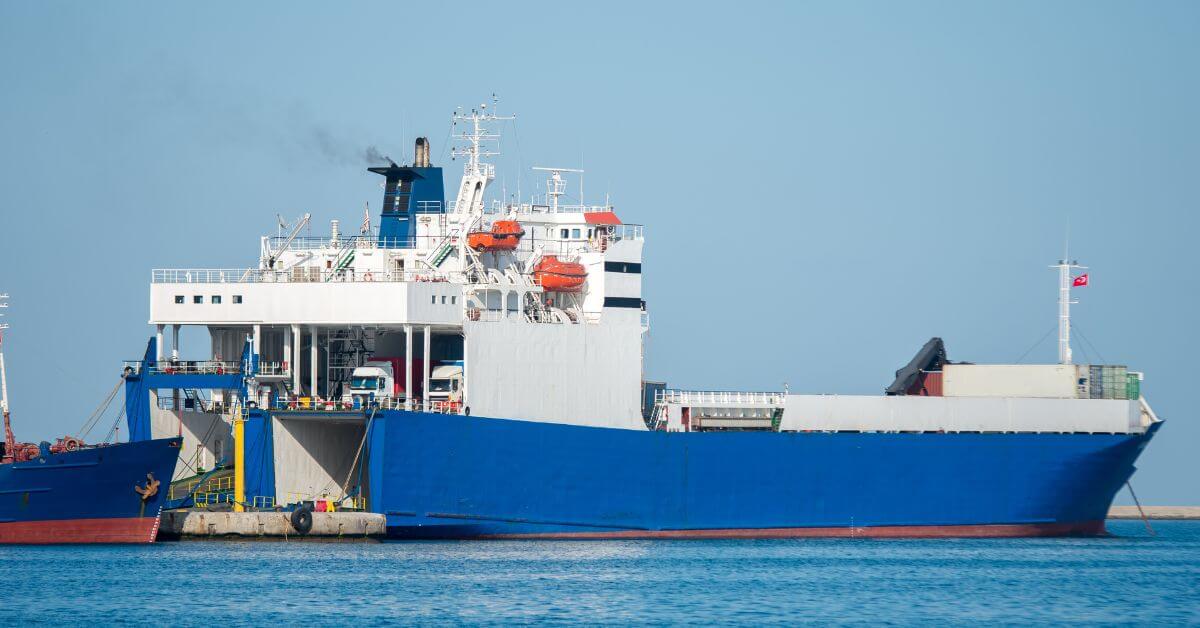
India’s auto exports were affected in August because there were not enough ships available to carry vehicles to overseas markets.
Maruti Suzuki and Hyundai Motor India both said their shipments were hit by the shortage. The companies said demand for their vehicles remains strong.
The problem is that the ships needed to move the cars from Indian ports are not available in enough numbers.
“Demand is strong in all our markets. The supply exists. We have cars at the port. It’s the ships that are not available to carry the cars from the Indian port to the export port,” Rahul Bharti, Senior Executive Officer, Corporate Affairs at Maruti Suzuki, said.
Maruti Suzuki exported 33,844 vehicles in August, compared with 36,538 vehicles in August last year.
Bharti said the shortage was mainly due to international shipping liners changing their operations because of the ongoing conflict in West Asia. He said the problem could continue for some time.
“These are mostly international (shipping) liners. The problem may continue for a while. The good part is that we are diversified across 120 markets,” Bharti said.
Maruti Exports Up 14.1%
The shipping problem has not stopped Maruti’s exports from growing overall.
The company exported 188,636 vehicles between April and August, up 14.1% from the same period last year.
Maruti exports vehicles to 120 markets. It has a significant presence in Latin America, where ships have to travel longer distances.
The company is also continuing to export vehicles to Middle East markets despite the conflict in the region.
Bharti said the current problems were part of the ups and downs of global trade and that he expected the company’s exports to remain strong.
“It’s a VUCA world. I believe our exports will be fairly resilient,” he said.
Between April and July, Maruti exported more vehicles than the other 17 Indian manufacturers combined, Bharti said. This gave the company more than 50% of India’s passenger vehicle export market.
Maruti’s Fronx SUV has also crossed 200,000 export units. It reached the mark in less than 38 months, making it the fastest SUV from India to reach that level of exports.
The company’s electric SUV, the e Vitara, has crossed 46,000 exports in its first 12 months. Prime Minister Narendra Modi flagged off the first unit in August 2025. The vehicle is now exported to around 50 countries.
“Momentum continues strong. There are some minor concerns on ship availability, but demand and momentum continues strong,” Bharti said.
Hyundai Also Reports Export Disruption
Hyundai Motor India also said its exports were affected in August.
Tarun Garg, Managing Director and Chief Executive Officer of Hyundai Motor India, said the company faced logistical problems because of the ongoing conflict in West Asia and the wider geopolitical situation.
“While total exports in August were impacted by logistical constraints arising from the ongoing conflict in West Asia and the broader geo-political environment during the month, we remain optimistic that export demand will continue to be strong in the coming months as the geo-political situation improves,” Garg said.
The issue is the availability of ships rather than a fall in overseas demand.
Maruti expects exports to remain strong despite the shortage. It sells vehicles in 120 markets and continues to ship cars to regions such as Latin America and the Middle East.
However, Maruti expects the shortage of ships to continue for some time. Hyundai also expects export demand to stay strong if the geopolitical situation improves.
References: businesstoday, maritimegateway
Read on the original site
Open the publisher's page for the full experience