Latin America
World Data Ocean keeps Latin America in one place: 7 stories so far. The section currently leads with “Rethinking sanctions on shadow tankers to steady global freight rates”, “Three nations concentrate nearly 60% of Latin America's poverty burden”, and “Caribbean drug interdiction strike leaves four dead”. A calibrated adjustment to sanctions on shadow tankers could steady global freight rates by allowing certain previously restricted vessels to carry oil and petroleum products not banned under US sanctions. Three nations, Brazil, Venezuela, and Mexico, concentrate nearly 60% of Latin America's poverty burden. A Global Hub for Ocean Intelligence 4 World Data Ocean is a centralized digital platform where researchers, scientists, and ocean enthusiasts converge to… The list below is every Latin America story on World Data Ocean, newest first.
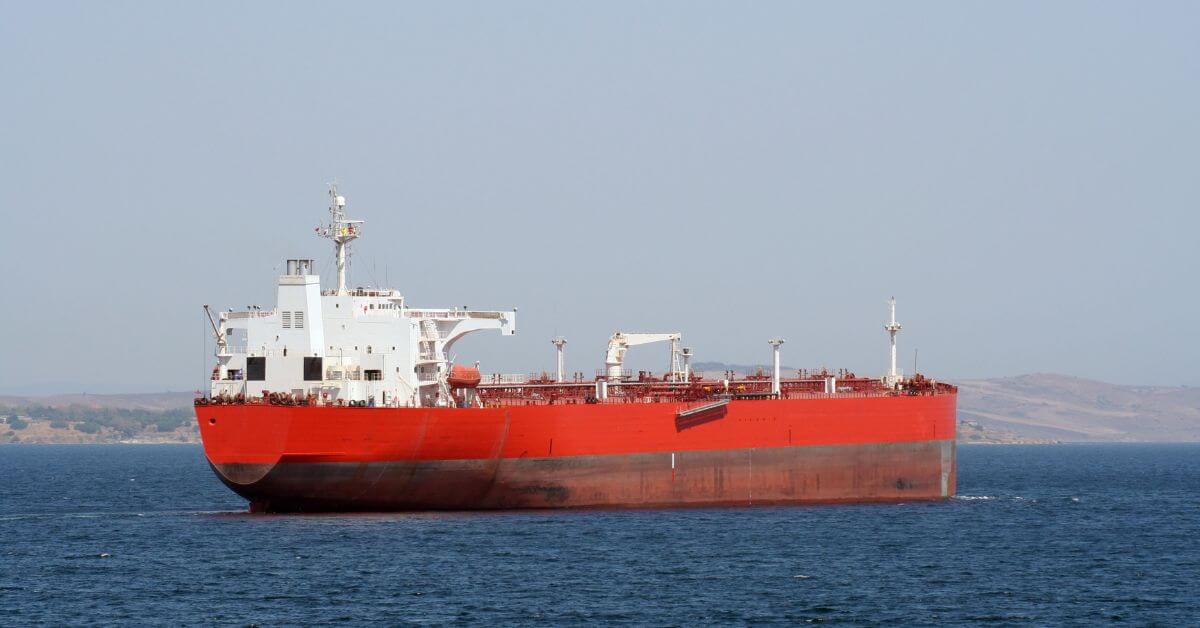
Rethinking sanctions on shadow tankers to steady global freight rates
A calibrated adjustment to sanctions on shadow tankers could steady global freight rates by allowing certain previously restricted vessels to carry oil and petroleum products not banned under US sanctions. This measured approach prioritizes market stability without compromising enforcement integrity. For deeper context on how maritime regulations shape trade friction, our related coverage of "Maritime fees signal friction in trade amid climate and shipping integration" explores similar dynamics.
Three nations concentrate nearly 60% of Latin America's poverty burden
Three nations, Brazil, Venezuela, and Mexico, concentrate nearly 60% of Latin America's poverty burden. This is a measurable concentration of hardship that demands a calibrated response. Understanding these geographic patterns is the first step toward effective intervention. For a parallel look at how resource supply chains and demographic shifts intersect with economic vulnerability, see our related piece on tracing cobalt from Congo's mines to China's refineries.
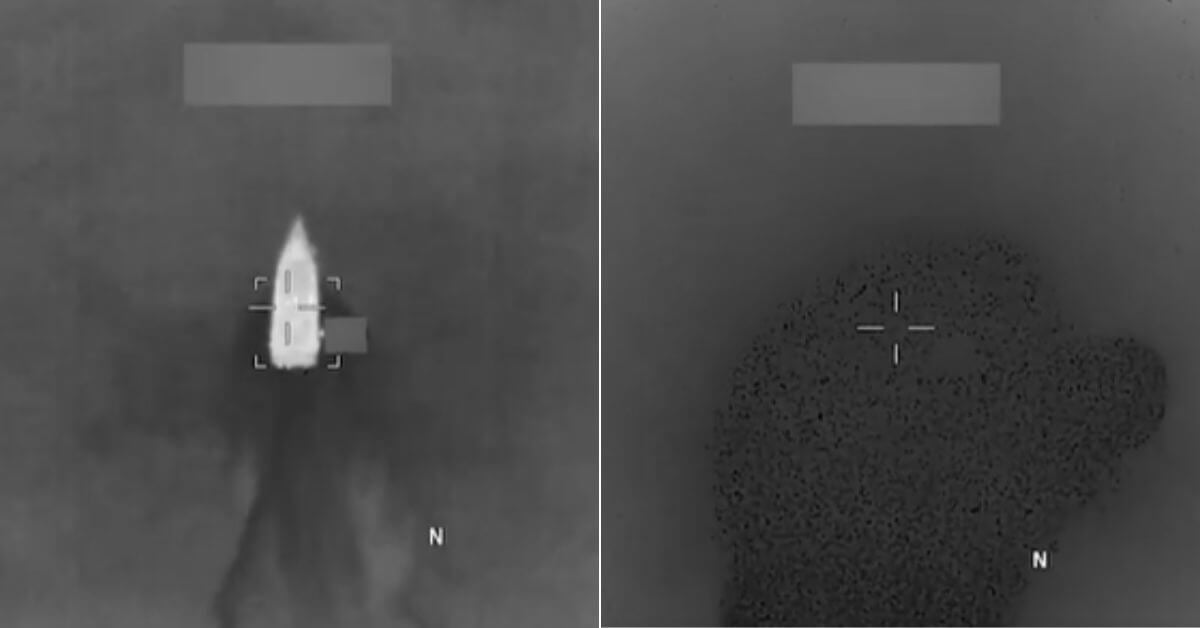
Caribbean drug interdiction strike leaves four dead
A U.S. military strike on a suspected drug-running boat in the Caribbean Sea on October 4 left four people dead. This is a violent reminder of the human cost embedded in maritime security operations, a cost that demands calmer, measurable approaches to enforcement. For more context on how authorities manage such risks, see our coverage of the enforcement action that halted a fuel shipment bound for Cuba. Understanding each incident helps build the empirical framework for smarter ocean governance.
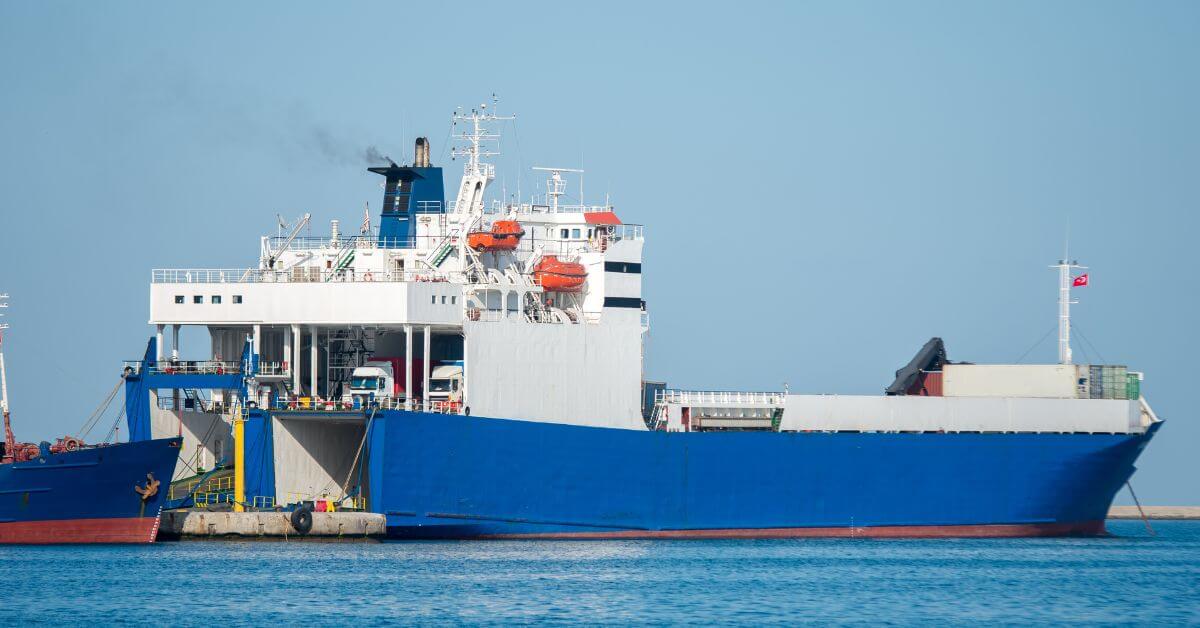
Shipping Constraints Impact Indian Automotive Exports Amid Geopolitical Shifts
India's automotive export engine is idling at the dock. The vessels required to move finished cars out of Indian ports are falling short of demand, a shortage that arrives amid shifting geopolitical currents. This is not a logistical footnote; it is a constraint that will test supply chain resilience. For a sector already navigating global turbulence, the scarcity of shipping capacity adds a measurable layer of pressure. The challenge is clear: without sufficient carriers, momentum stalls.
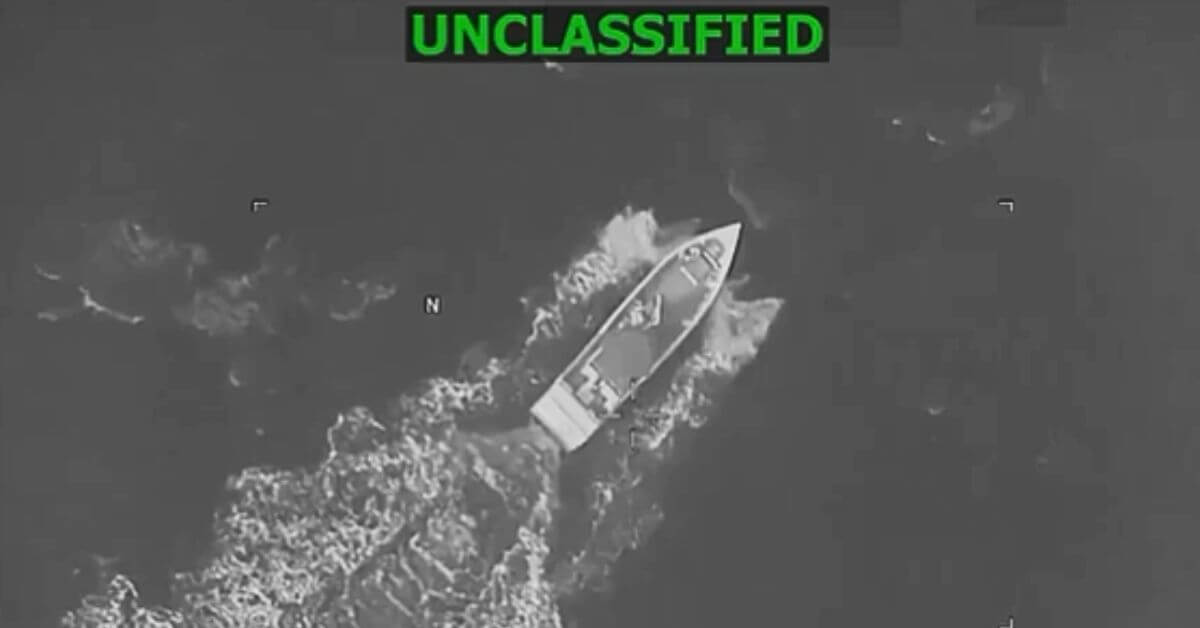
Maritime Interdiction: U.S. Strike in Caribbean Raises Questions of Escalation
Two days after a U.S. strike on a vessel in the Eastern Pacific killed two people, a new maritime interdiction in the Caribbean is forcing a harder look at escalation. These are the first such actions in over two months, and the timing is deliberate. Measured force, when applied, still carries weight. The question is whether Washington is calibrating a broader posture or responding to isolated pressure.

Callao Port Integrates Shore Power, Advancing Sustainable Maritime Operations
Callao's South Terminal now runs on shore power, making it DP World's third facility to do so, alongside Canada's Prince Rupert and Vancouver ports. The move grounds maritime operations in measurable, real-time emission reductions. It is a practical step toward cleaner ports, one that aligns operational efficiency with climate indicators rather than promise. For readers tracking port electrification, our coverage of the Chattogram Port lease dispute offers a useful counterpoint on labor and governance tensions in global terminal management.

Next-Generation Submarine Hub Advances Ocean Intelligence in Latin America
HD Hyundai Heavy Industries and Peru's SIMA have unveiled a next-generation submarine concept for the Peruvian Navy, a move that signals a deliberate step forward for regional maritime capability. The collaboration pairs South Korean engineering with local shipbuilding expertise, and the result feels less like a transaction than a shared investment in ocean intelligence. We see this as a practical, measured advance, one that aligns with the broader push toward integrated naval strategies.