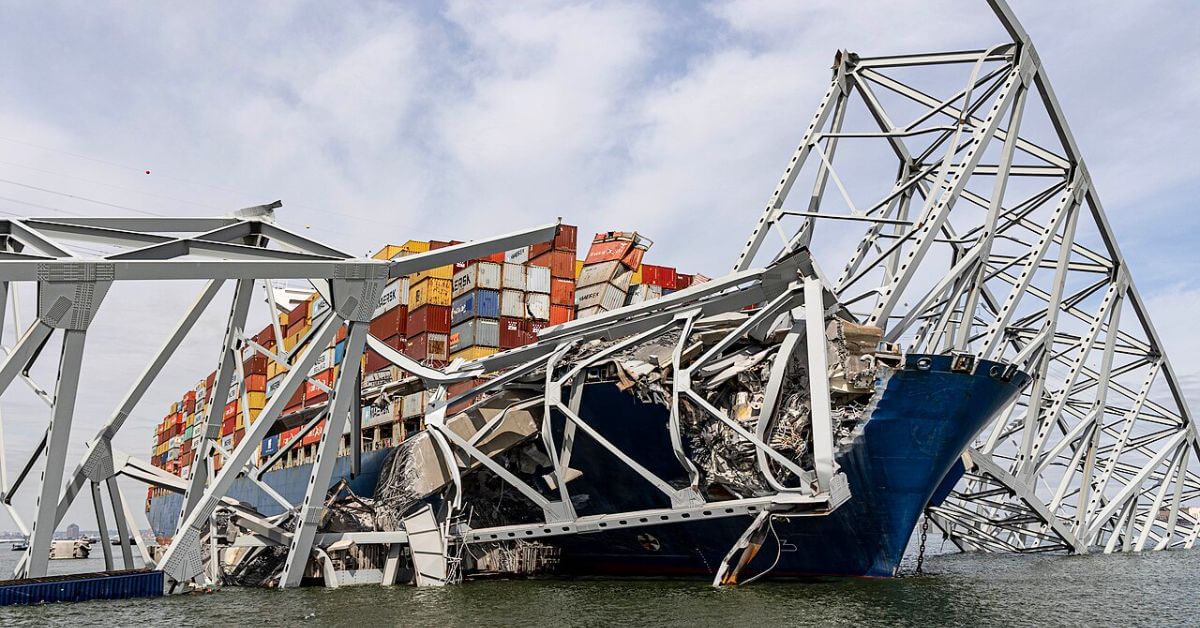
The recent settlement surrounding the tragic collapse of the Francis Scott Key Bridge underscores a fundamental truth: validated data is not merely an academic pursuit; it is the bedrock of accountability, especially when lives and critical infrastructure are at stake. The incident, where the Dali lost power and struck the bridge, resulting in the loss of six lives, serves as a stark reminder of the complex interplay between human error, technological reliability, and environmental factors. In the aftermath of such devastating events, the ability to reconstruct the sequence of events with precision, to understand the contributing factors, and to assign responsibility hinges entirely on the quality and integrity of the data collected. This settlement, by acknowledging the role of verified information in establishing facts, reinforces the critical need for robust data collection and analysis in all sectors, particularly those impacting public safety and environmental well-being.
At World Data Ocean, we recognize that understanding drives protection. This principle extends far beyond the realm of environmental science; it is a universal imperative. The process of data validation, ensuring that information is accurate, reliable, and representative of reality, is paramount. It allows for the identification of anomalies, the confirmation of causal relationships, and the establishment of a clear, objective narrative. In situations like the Key Bridge collapse, meticulously gathered and validated data—from vessel performance logs and navigational records to meteorological conditions and structural integrity reports—provides the objective foundation upon which legal and ethical determinations can be made. Without this commitment to data integrity, the pursuit of justice and the implementation of preventative measures would be severely compromised, leaving us vulnerable to repeated failures.
Our work in developing an integrated data ecosystem for ocean intelligence is precisely aimed at fostering this level of clarity and accountability on a global scale. By employing validated, measurable, and empirical methods to collect and analyze oceanic data, we empower researchers, policymakers, and the public with the precise information needed to make informed decisions. This commitment to scientific rigor, to providing longitudinal insights and real-time climate indicators, is what enables us to not only understand the challenges facing our oceans but also to develop effective solutions and to hold relevant parties accountable for their impact. The Key Bridge settlement, in its reliance on validated data, is a powerful testament to this principle, highlighting that progress and safety are inextricably linked to our ability to see and understand the world with unassailable clarity.