Our Take: Navigating the Nexus of Energy Infrastructure and Ocean Stewardship
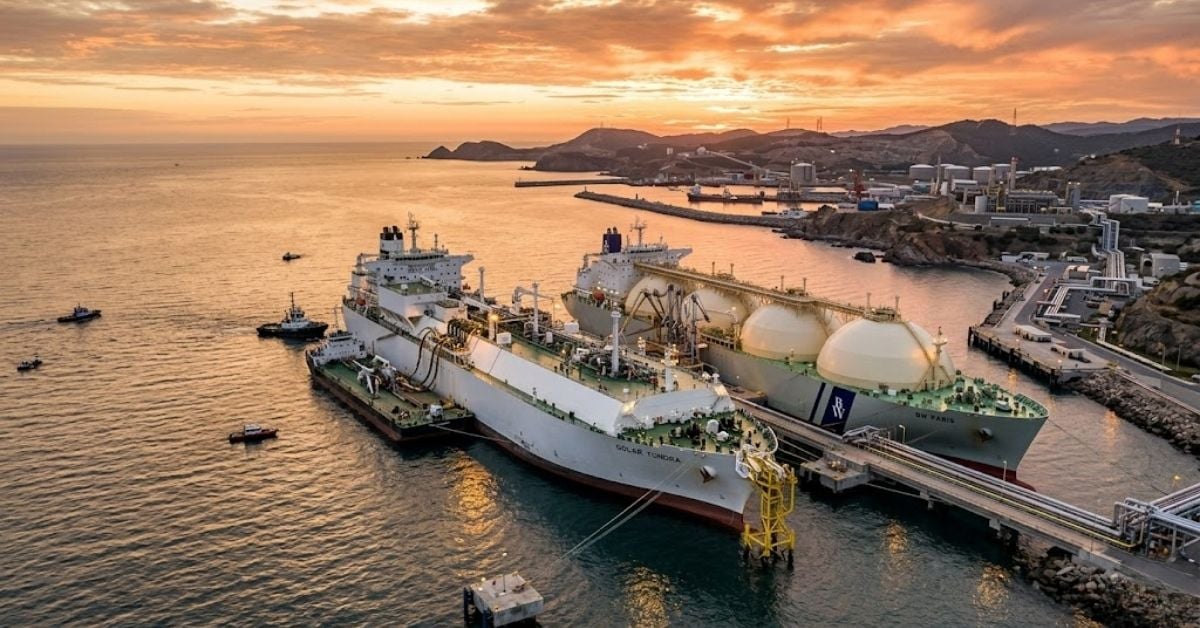
The intricate relationship between human innovation and the marine environment is a continuous dialogue. As the global demand for energy evolves, so too does the technology we deploy to meet these needs. Floating Regasification Units (FSRUs), as explored in the accompanying article, represent a significant advancement in the logistical and infrastructural challenges of liquefied natural gas (LNG) supply. These sophisticated vessels are not merely inert structures; they are active participants in a complex energy ecosystem that interfaces directly with our oceans. Understanding the function and implications of FSRUs is crucial for a comprehensive approach to both energy security and responsible ocean use.
The scientific and technological prowess embodied in FSRUs, from their calibrated internal processes to their real-time operational monitoring, highlights a commitment to efficiency and precision in addressing critical energy needs. The regasification process itself, a transformation from cryogenic liquid to usable gas, is a testament to our ability to engineer solutions for global challenges. However, the deployment of such infrastructure necessitates a parallel commitment to robust environmental stewardship. World Data Ocean's mission is to foster this integrated understanding, providing validated data and insights that inform decision-making at the intersection of industrial development and ocean health. Our role is to ensure that the empirical evidence surrounding ocean impacts is accessible and understood, enabling informed discussions about the long-term consequences of our technological endeavors.
As we embrace innovative solutions like FSRUs, the imperative for global collaboration and shared responsibility becomes paramount. The "ocean intelligence" that World Data Ocean strives to cultivate is designed to bridge the gap between technological advancement and ecological preservation. By offering a clear, authoritative, yet approachable perspective, we aim to empower researchers, policymakers, and the public alike to make informed choices. The use of our oceans as conduits for energy infrastructure demands a forward-thinking approach, one that rigorously assesses potential impacts and proactively seeks sustainable pathways. This requires a commitment to ongoing scientific inquiry and a willingness to integrate diverse datasets into a cohesive understanding of our planet's vital marine systems.