Our Take
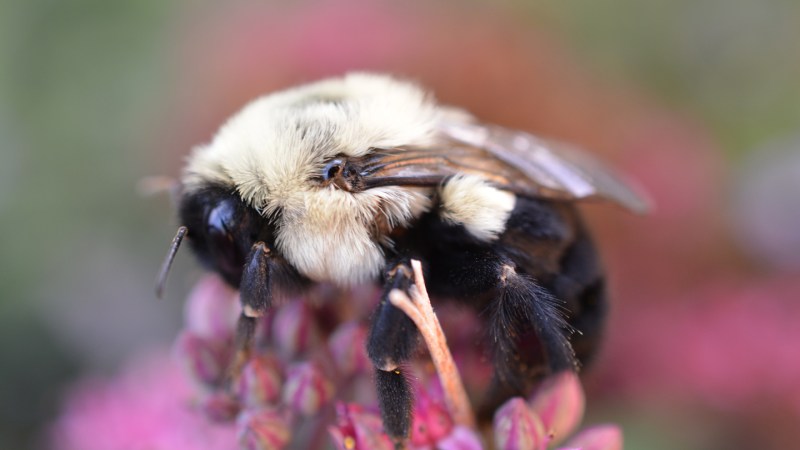
The recent laboratory findings regarding bumblebee queens’ capacity to survive submerged conditions offer a compelling case study in evolutionary adaptation, directly relevant to our understanding of ecological resilience in the face of environmental change. These observations, demonstrating that submerged bees can breathe and employ strategies independent of oxygen, underscore a remarkable biological flexibility that holds significant implications for species facing increasingly unpredictable weather patterns. The ability to endure periods of inundation, a direct consequence of extreme weather events amplified by climate change, highlights the intricate mechanisms by which life persists. This research serves as a vital reminder that understanding these natural survival strategies is paramount, providing a foundational element for developing effective conservation approaches. By studying these validated, measurable adaptations, we gain critical insights into the resilience of terrestrial species when confronted with aquatic challenges, a scenario becoming more frequent as global climate indicators shift.
The scientific rigor applied in these lab tests, focusing on empirical observation of bee behavior under controlled submerged conditions, is precisely the kind of detailed investigation World Data Ocean champions. Our commitment to fostering an integrated data ecosystem allows for the synthesis of such granular biological findings with broader environmental datasets. This approach enables us to move beyond isolated discoveries and build a comprehensive, real-time understanding of how ecosystems are responding to global pressures. When we connect data on insect survival strategies with longitudinal records of flood frequency and intensity, we begin to map the complex interplay between species and their changing environments. This integrated perspective is crucial for informing policymakers and researchers, equipping them with the precise, calibrated information needed to make impactful decisions about habitat preservation and species protection.
The implications of this research extend far beyond the survival of a single insect species. It speaks to a larger, urgent imperative: the need for global collaboration in safeguarding biodiversity. As we observe these unique adaptations, we are reminded that countless other species are also developing or struggling to develop strategies to cope with altered environmental conditions. The scientific community, working in tandem with technological innovation, must continue to illuminate these processes. Our role at World Data Ocean is to facilitate this vital knowledge exchange, providing the ocean intelligence and integrated data ecosystem necessary for a unified, purposeful approach to conservation. Understanding drives protection, and by embracing these scientific insights, we can foster a shared responsibility for the health of our planet, ensuring that both terrestrial and marine life can adapt and thrive in a changing world.