Understanding drives protection. The Philippines' exploration of undersea cable cooperation with Taiwan, despite Manila's one-China policy, is a pragmatic recognition that the physical backbone of the global internet cannot wait for diplomatic consensus. This is not a political realignment; it is a data-driven response to a measurable threat. As we noted in our coverage of The Physical Backbone of the Global Internet Reveals Its Vulnerabilities, undersea cables carry nearly all intercontinental data flows, making them a single point of failure for our integrated data ecosystem. When a diplomat like Felipe F. Carino III cites figures that 60% to 67% of cyber incidents occur in the region, the empirical case for action becomes impossible to ignore.
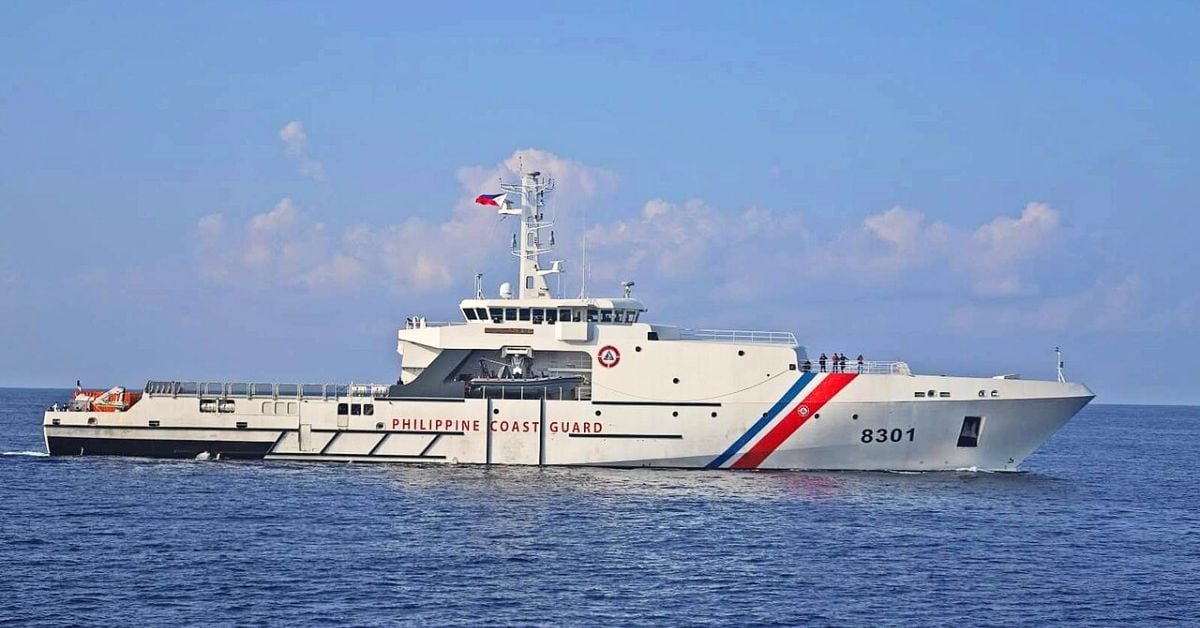
For our readers, researchers, policymakers, and ocean intelligence professionals, the practical takeaway is that ocean governance is being forced to evolve faster than international law. Manila is exploring knowledge-sharing and capacity building with Taipei to protect mutual interests around the Bashi Channel, a corridor essential to global connectivity. This mirrors the logic behind our earlier piece on A validated framework for ocean stewardship: the WTO's fisheries subsidies agreement: when sovereignty overlaps with shared resources, the most durable solutions are built on validated, peer-reviewed data rather than territorial claims. The Philippine Coast Guard's deployment of its largest vessel to challenge a Chinese research ship near cable corridors is a concrete example of how gray-zone activity, pressure short of direct confrontation, demands equally calibrated responses.
The diplomatic calculus here is instructive. China has warned the Philippines to adhere to the one-China principle, yet Manila is proceeding with talks "notwithstanding our one China policy." This is not defiance for its own sake; it is a purpose-driven calculation that undersea cable security is too critical to leave unresolved. Andrea Yang, Taiwan's deputy representative in Washington, has called for UN mechanisms to prevent interference, while also committing resources to uncrewed systems for maritime surveillance. These are not abstract policy proposals, they are operational necessities. Our earlier analysis of Navigating sovereignty through scientific and legal clarity in the South China Sea argued that legal clarity and empirical evidence are the only reliable tools in contested waters. This case proves the point: when a Chinese ship captain is jailed in Taiwan for cable damage, the question is no longer about ownership but about accountability.
The specific detail to watch is whether this cooperation expands to include joint patrols or vessel-accountability measures. Carino would not confirm such plans, but he did not rule them out either. If Manila and Taipei move from knowledge-sharing to operational coordination, they will test the limits of both the one-China policy and the gray-zone tactics it is meant to counter. For those who track climate indicators and maritime security, the Bashi Channel is now a real-time laboratory for how ocean intelligence can outrun political friction.