Philippines
14 stories filed under Philippines on World Data Ocean. The newest of them: “Experience and expertise over credentials: a path to ocean science”, “A mothership for underwater drones signals a new era in ocean intelligence”, and “Identifying a Possible Shark Skull on an Ifugao Headdress”. A dive instructor and ski guide who is "this close" to dropping out of university, Fair_Pumpkin6157 is asking whether hands-on experience can replace a degree in ocean science. A 5,000-ton mothership designed to deploy underwater drones is taking shape in Beijing, signaling a new era in ocean intelligence. A Global Hub for Ocean Intelligence 4 World Data Ocean is a centralized digital platform where researchers, scientists, and ocean enthusiasts converge to… The list below is every Philippines story on World Data Ocean, newest first.
Experience and expertise over credentials: a path to ocean science
A dive instructor and ski guide who is "this close" to dropping out of university, Fair_Pumpkin6157 is asking whether hands-on experience can replace a degree in ocean science. The answer is yes, if the path is built with validated, measurable skills. Field assistant roles reward demonstrated competence with R, ImageJ, and underwater survey tools over formal credentials. A focused fellowship like the Marine Research Fellowship in the Philippines can provide that empirical foundation.
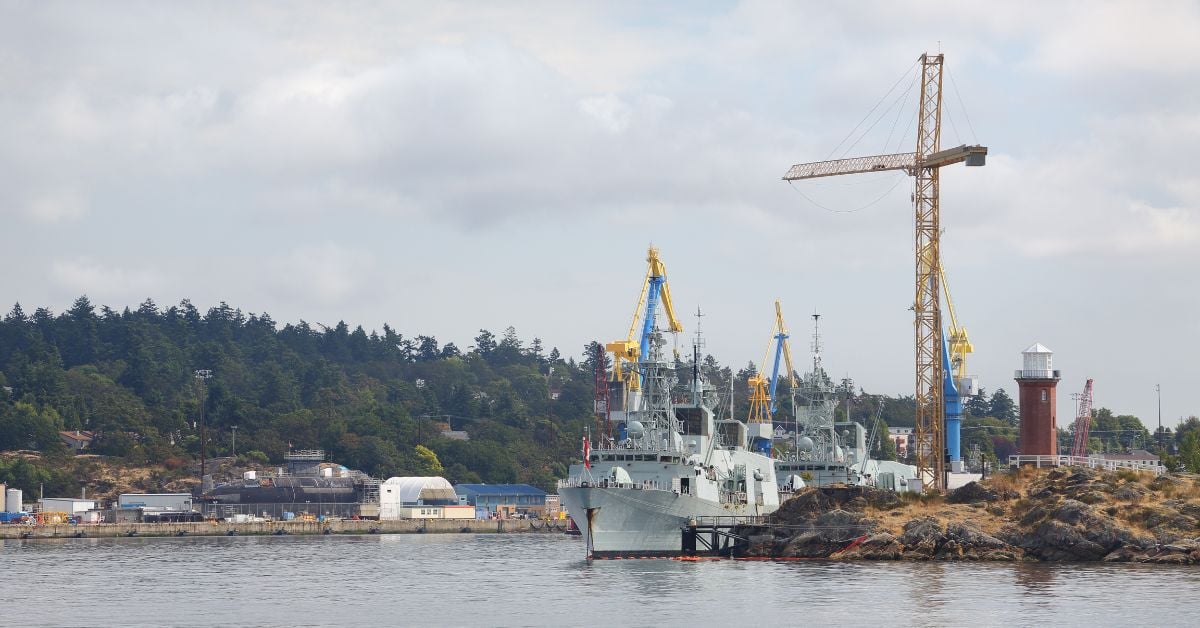
A mothership for underwater drones signals a new era in ocean intelligence
A 5,000-ton mothership designed to deploy underwater drones is taking shape in Beijing, signaling a new era in ocean intelligence. This vessel represents a calibrated leap in our capacity for real-time, integrated data collection from the sea. Understanding drives protection, and this platform promises to deliver the empirical, validated observations we urgently need. For deeper context on autonomous observation, see our coverage of the "4500-Meter Autonomous Robot Extends South China Sea Observation Reach."

Identifying a Possible Shark Skull on an Ifugao Headdress
A skull on an Ifugao headdress raises a question worth answering with care. The possibility that it is a partial shark skull is plausible, though cartilage preservation in this context would be rare and likely dependent on specific environmental conditions. The community's input adds valuable context, but verification matters more than assumption. This kind of curiosity about cultural artifacts and their materials is exactly what drives meaningful inquiry.
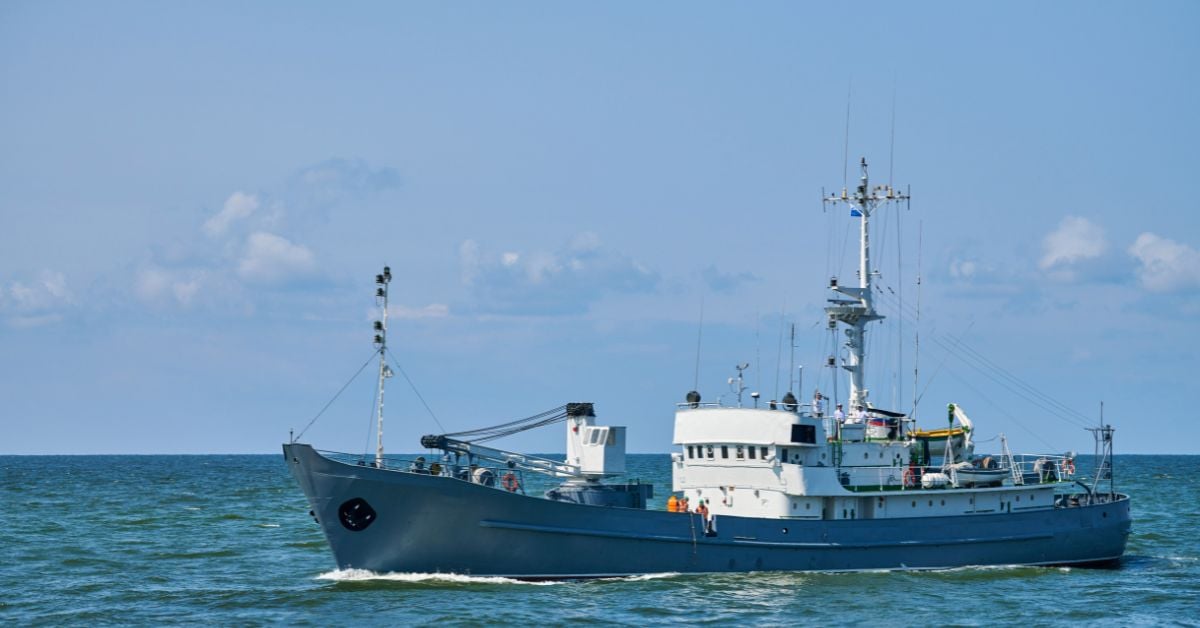
Undersea Cable Integrity Questioned After Reported Location Falsification Incident
A Chinese vessel reportedly falsified its location while operating near undersea cables in Philippine waters. That is not a technical glitch, it is a breach of maritime trust. When vessel identity data becomes unreliable, the integrity of critical infrastructure like undersea cables faces real risk. This incident demands empirical accountability. For further insight into how precise positioning shapes ocean industries, see our related coverage of "Precision at sea advances Asia-Pacific offshore wind by 2029."
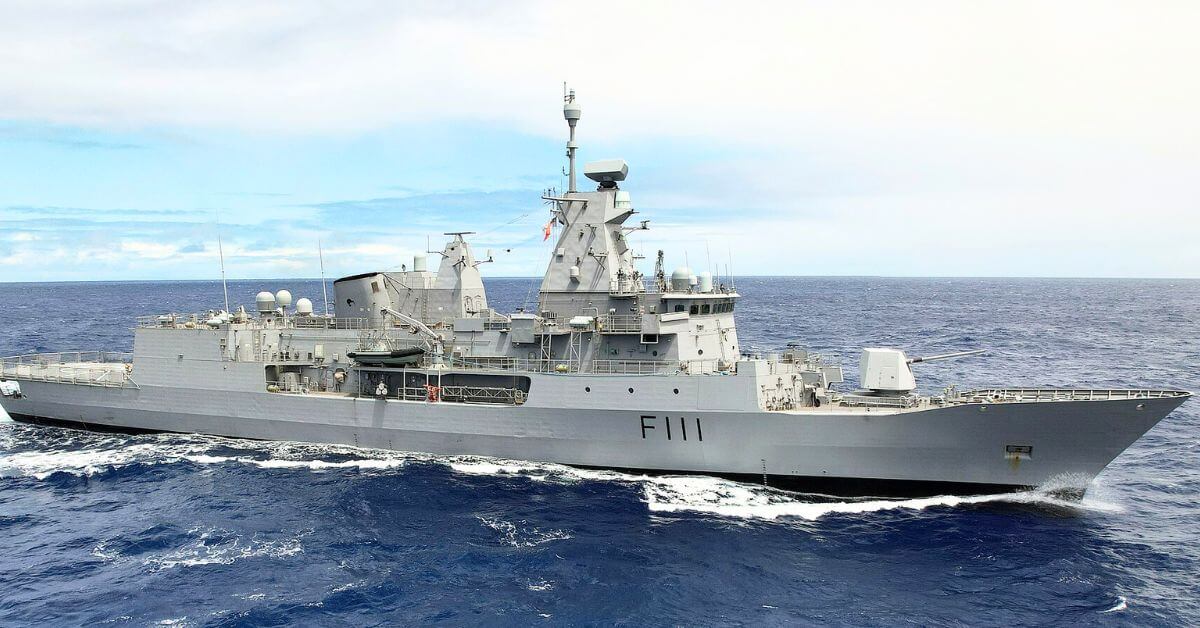
New Zealand Vessels Traverse Taiwan Strait En Route to Philippines Exercise
Two New Zealand naval vessels transited the Taiwan Strait on Sept. 18, bound for a joint exercise with the Philippines. The move signals a quiet but deliberate expansion of maritime collaboration across the Indo-Pacific, one that prioritizes operational presence over provocation. For those tracking the region's shifting security architecture, this passage is a measured data point, not a headline. It complements our coverage of integrated subsea infrastructure shifting toward the Indian Ocean, where strategic connections are being redrawn.
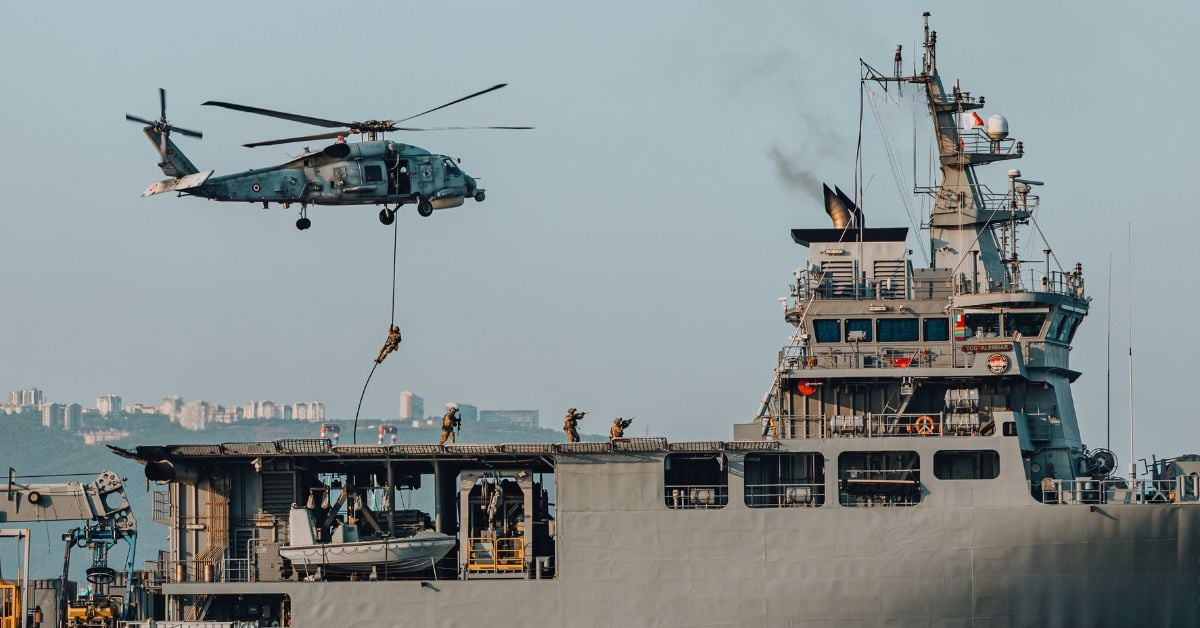
Simulated Drills Assess Maritime Defense Strategies in the South China Sea
A bilateral naval exercise in the South China Sea has put simulated Chinese People's Liberation Army Navy formations at the center of a realistic defense drill. Both nations calibrated these scenarios to test maritime strategies for protecting Manila's territorial waters. Such empirical, peer-reviewed training sharpens readiness without alarmism. Understanding drives protection. For deeper insight into regional security dynamics, see our coverage of phased negotiations aimed at easing restrictions on the Strait of Hormuz.
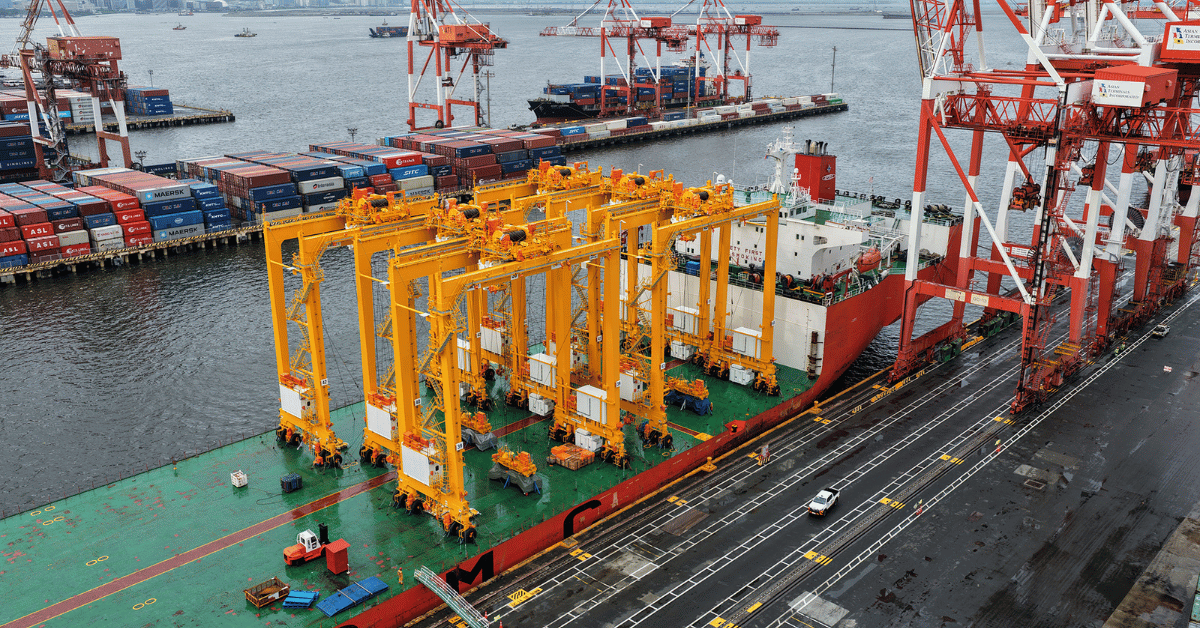
Boosting Manila's Port Capacity with Hybrid, Low-Emission Cranes
Manila South Harbour's new hybrid RTG cranes represent a calibrated step toward measurable decarbonisation in port operations. DP World and Asian Terminals have commissioned six low-emission units that boost capacity and safety without sacrificing operational integrity. This is empirical progress, integrated infrastructure that reduces emissions while strengthening throughput. For broader context on global port modernisation, our coverage of Paradip Port's designation as a Mega Port offers a parallel example of strategic maritime growth. Understanding drives protection, and these cranes deliver both.
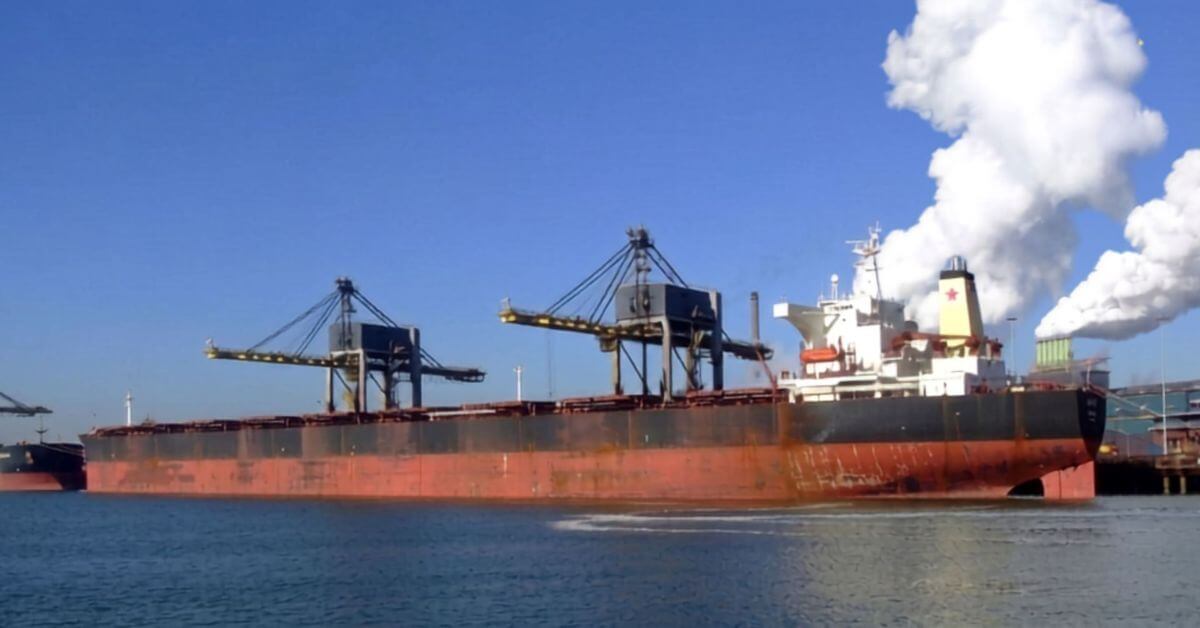
Filipino Seafarers Safe After Ukraine Attack; Await Repatriation
All 26 Filipino seafarers are safe and awaiting repatriation after disembarking from their vessel by Sept. 4, unharmed. The Department of Migrant Workers confirmed no casualties. This measured outcome contrasts sharply with the broader volatility in the region. For deeper context on escalating maritime risks, see our coverage of the *Fatal Attack on Cargo Ship Highlights Black Sea Shipping Risks*. Protection of crew remains paramount in these waters.

Diesel Spill Threatens Zambales Coastline Following Tug Sinking
A diesel spill now threatens the Zambales coastline after the tug SL Sual 1 sank while under tow from its grounding site off Botolan. The incident underscores how even routine salvage operations carry measurable environmental risk. Response efforts must prioritize rapid containment, as coastal ecosystems here remain vulnerable to long-term contamination. For context on how such groundings unfold elsewhere, our report on the bulk carrier freed near Gladstone offers a relevant comparison.

Family Fishing Fades: Generational Shifts Reshape Philippine Livelihoods
In the Philippines, 68.4% of fishers' co-resident sons no longer follow their fathers onto the boat, a dissolution of hereditary livelihood measured across 1.04 million father, son pairs. This is not a simple story of decline; it is one of unequal exits. Where outside options are scarce, continuity persists, but the single largest destination for these sons is statistical invisibility, a residual that quietly exceeds that of farmers' sons by five percentage points.

Philippine Shell Mystery: Identifying a Unique Ocean Treasure
A single shell, carried from Philippine shores to an unknown origin, has sparked a familiar confusion. The distinction between a volute and a conch is more than a label; it is a matter of structural nuance. For this gift, the answer lies in the shell's spire and aperture. Such identification challenges are common, and our related piece on unexpected discoveries, "Unexpected Chiton Discovery in Puerto Rico Challenges Species Distribution Models," highlights how easily marine specimens defy our assumptions. The ocean's taxonomy rewards patience.

India's Rising Tide: Now Second-Largest Provider of Global Seafarers
India now supplies 12.16% of the world's seafarers, overtaking China to become the second-largest provider of global maritime workforce. That is measurable progress, and it signals a deepening trust in Indian seamanship and training standards. This is not just a statistic; it is a statement about reliability at scale. For readers tracking India's maritime ascent, our coverage of the new Seafarers' Welfare Centre at Mormugao Port shows how infrastructure is keeping pace with this human capital expansion.

Escalation in South China Sea: China and Philippines Clash Near Shoal
Secretary Rubio's use of "disturbing" to describe China's actions near the shoal is measured, yet pointed. It signals a firm diplomatic line, not an escalation of rhetoric. That clarity matters. The U.S. commitment to the Philippines is treaty-bound, and this reaffirmation carries weight in a region where precision is everything. This is not a moment for ambiguity. For broader context on maritime security trends, our report on the Indian Navy's domestic amphibious fleet expansion offers a parallel view of regional posture. Understanding drives protection.

South China Sea Incident Highlights Escalating Tensions and Maritime Safety Concerns
A direct physical confrontation between Chinese and Filipino personnel in the South China Sea has sharpened regional fault lines. A Chinese coast guard officer repeatedly struck a Filipino sailor with a wooden baton, an act that moves maritime disputes from policy to personal violence. This is not a drill scenario; it is a volatile reality. Such encounters demand calibrated responses. The region's interconnected stability, from energy lanes to data flows, is at stake.