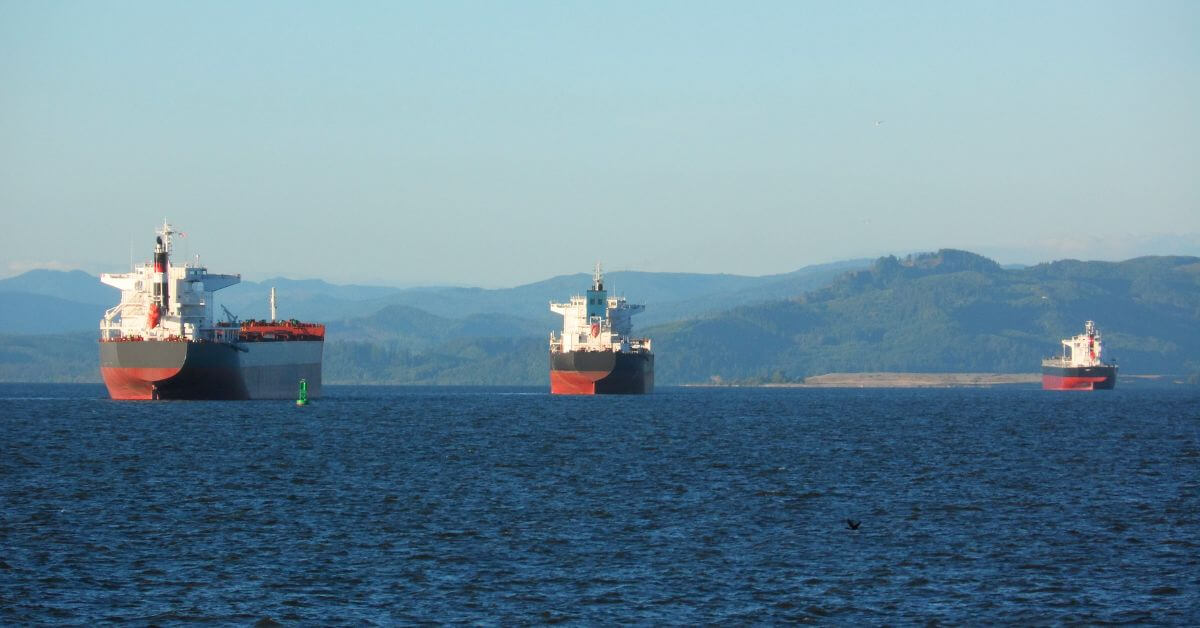
The Strait of Hormuz, a vital maritime chokepoint, serves as a critical artery for global trade, particularly for energy resources. Its strategic importance cannot be overstated, influencing geopolitical stability and economic well-being on a global scale. Recent statements from UAE officials underscore a fundamental principle: access through this waterway is essential for international commerce and should not be subjected to political leverage. This perspective aligns with the imperative for predictable and unimpeded maritime transit, a cornerstone of sustainable ocean governance and global economic security. World Data Ocean’s mission is to provide the validated, measurable data necessary to understand and manage such critical global commons, ensuring that decisions impacting these areas are informed by empirical evidence, not political expediency.
From a scientific and operational standpoint, the Strait of Hormuz represents a complex nexus of maritime traffic, environmental sensitivities, and geopolitical considerations. Ensuring its continued accessibility requires a commitment to international cooperation and a clear understanding of its role in the global supply chain. The notion of using access as a political tool introduces an element of volatility that is detrimental to the consistent flow of goods and the predictability required for long-term economic planning. Our focus at World Data Ocean is on fostering an integrated data ecosystem that illuminates the intricate connections between human activity and ocean health, including the critical pathways of maritime trade. This intelligence, derived from real-time monitoring and longitudinal studies, offers a foundation for informed dialogue and policy development that prioritizes stability and shared responsibility over unilateral advantage.
The imperative for guaranteed access to the Strait of Hormuz is not merely an economic consideration; it is intrinsically linked to the broader health and security of our planet's oceans. Unfettered maritime transit, when managed responsibly, supports the global exchange of resources and knowledge, which in turn can fuel innovation in ocean stewardship. Conversely, any disruption or politicization of these vital routes risks creating instability that could divert attention and resources away from the urgent challenges of climate change and marine ecosystem preservation. World Data Ocean is dedicated to providing the peer-reviewed, calibrated data that underpins such critical understanding, empowering stakeholders to advocate for policies that safeguard both our economic future and the long-term viability of the ocean. Understanding drives protection, and predictable access to essential maritime pathways is a prerequisite for effective global ocean intelligence.