southern California
southern California at World Data Ocean is a file of 4 stories. The newest of them: “First West Coast Sea Turtle Nest Documented on Southern California Beach”, “Navy Implements Electrical Safety Measures, Bans Portable ACs at San Diego Barracks”, and “U.S. Ports See Continued Strength with 1.88M TEUs Moved in August”. A lone sea turtle has made history on a Southern California beach, with the first documented nest of its kind on the West Coast. Safety protocols at San Diego's Building 635 now require sailors to unplug portable air conditioners, following a memo issued Aug. A Global Hub for Ocean Intelligence 4 World Data Ocean is a centralized digital platform where researchers, scientists, and ocean enthusiasts converge to… The list below is every southern California story on World Data Ocean, newest first.

First West Coast Sea Turtle Nest Documented on Southern California Beach
A lone sea turtle has made history on a Southern California beach, with the first documented nest of its kind on the West Coast. This is not a distant anomaly; it is a measurable signal of shifting ocean conditions. The event underscores the value of validated, real-time observation in tracking climate indicators. For those following the science, this pairs well with our recent piece, "Validated Protein Analysis Improves Caretta Caretta Health Assessments," offering a fuller picture of how we track these resilient species.
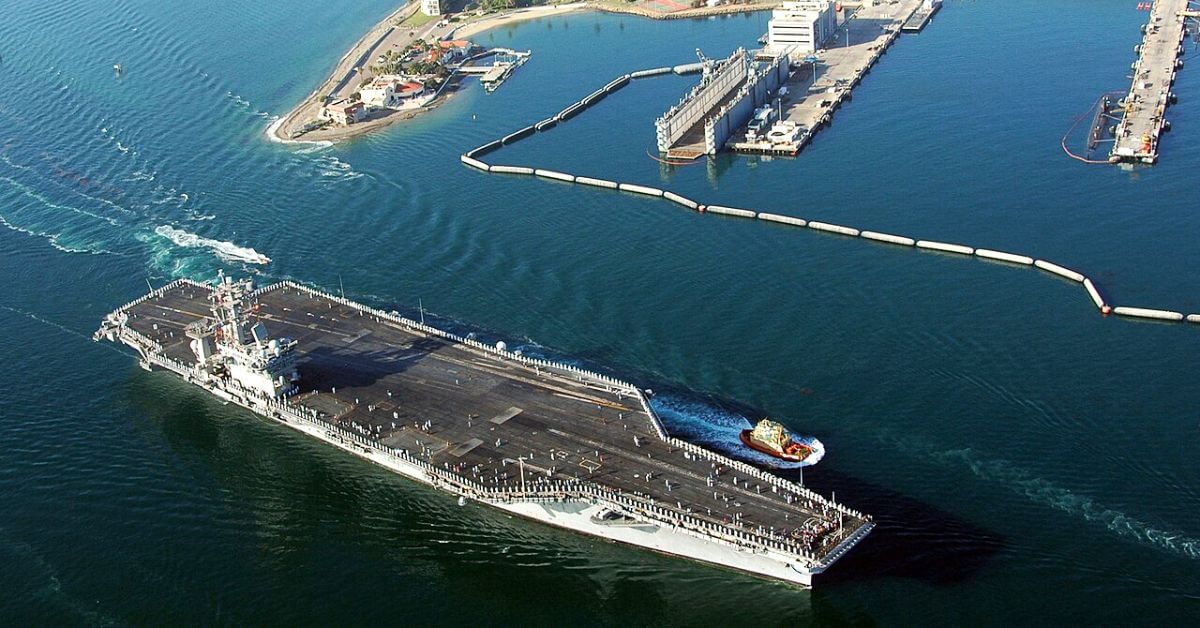
Navy Implements Electrical Safety Measures, Bans Portable ACs at San Diego Barracks
Safety protocols at San Diego's Building 635 now require sailors to unplug portable air conditioners, following a memo issued Aug. 31 with a one-week removal deadline. The measure prioritizes electrical integrity over comfort, a practical trade-off in aging barracks infrastructure. While the summer heat makes the timing uncomfortable, operational readiness depends on mitigating fire and power risks before they escalate. For context on how the Navy approaches long-term capability challenges, our coverage of India's expanded fleet projections offers a broader look at maritime strategic planning.
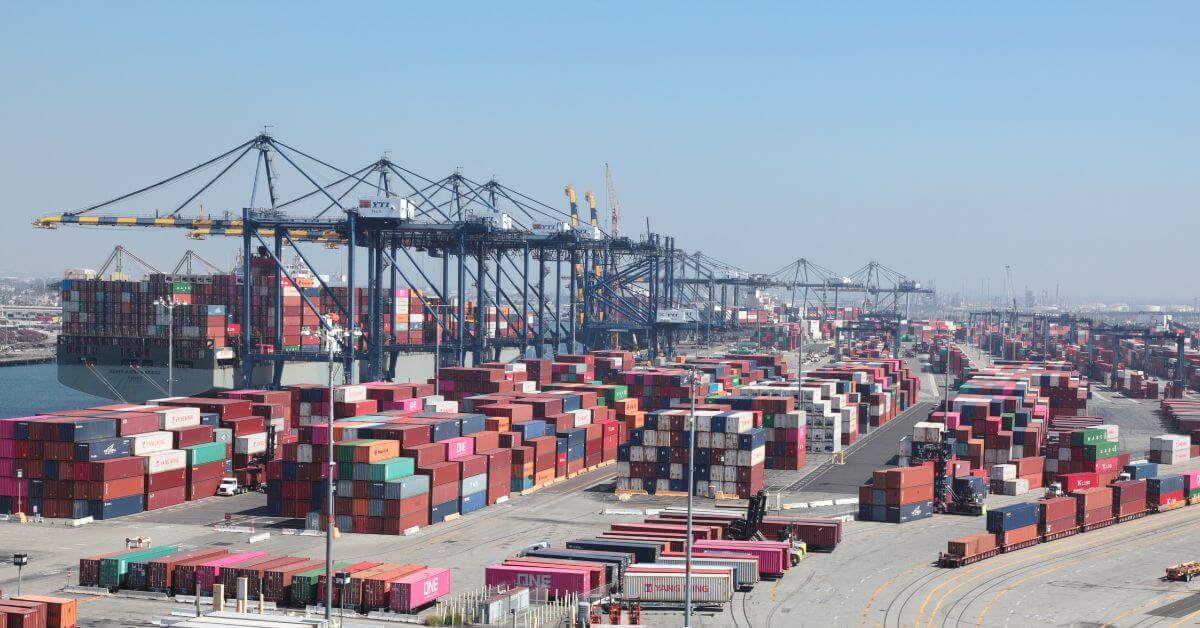
U.S. Ports See Continued Strength with 1.88M TEUs Moved in August
August's throughput of 1.88 million TEUs marks a 2% gain over last year, landing the port its fifth-busiest month in 115 years. Consistency like this signals more than resilience; it reflects a data-driven logistics ecosystem operating at scale. Sustained volume at this level supports broader ocean intelligence efforts, from cargo tracking to climate monitoring. For context on how maritime security intersects with these operations, our coverage of Maritime Interdictions Yield 25,000 Pounds of Cocaine underscores the layered realities of ocean stewardship.

Canopy Views: Do Kelp Forest Assessments Accurately Reflect Underlying Structure?
A 23-year monthly timeseries from southern California reveals that floating kelp canopies capture only 12-38% of giant kelp's total biomass, depending on site and season. This gap matters because surface assessments routinely inform management decisions, yet they often miss high subsurface biomass entirely. The canopy also proves a weak predictor of plant density, size, or morphology for most of the year. Understanding these limits is essential before surface data guides conservation.