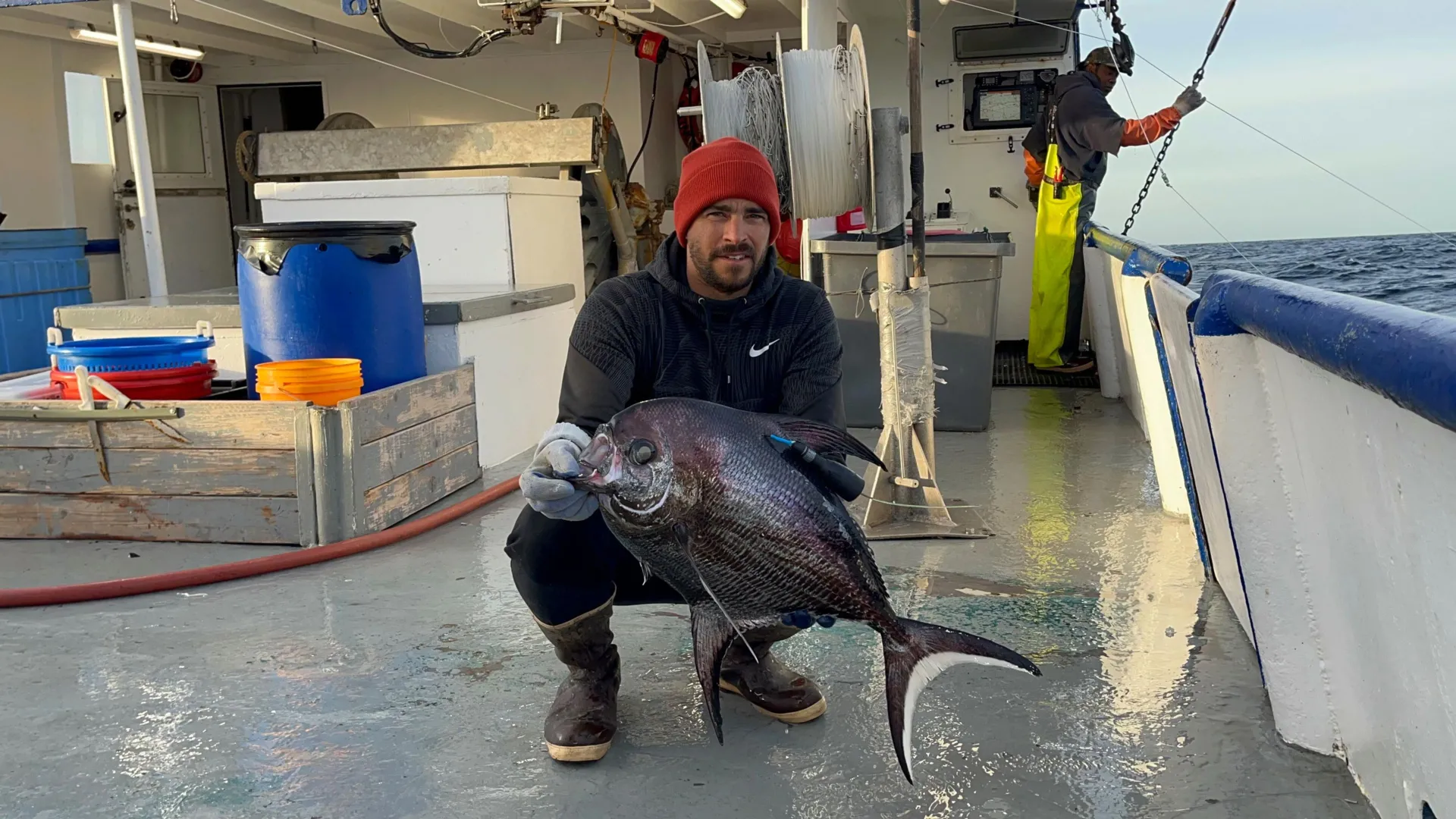
Our Take: The profound interconnectivity of ocean ecosystems, often hidden from casual observation, is being illuminated by scientific inquiry. Recent findings regarding the twilight zone, specifically the role of mid-sized fish like the bigscale pomfret, underscore a fundamental principle of ocean intelligence: understanding drives protection. This research, enabled by innovative tracking technologies, reveals a dynamic link between disparate oceanic depths. During daylight hours, these mid-sized fish inhabit the deeper, darker regions, a behavior that conserves energy and offers refuge. As night falls, they ascend into the upper layers, feeding and effectively acting as a crucial conduit, transferring energy and nutrients from the surface waters to the deeper food webs. This daily migration, previously difficult to quantify due to the elusive nature of these species, is now being empirically validated, demonstrating a vital mechanism that sustains larger predators.
The significance of this discovery extends beyond a single species; it highlights how subtle shifts in environmental conditions, such as water clarity, can profoundly influence the foraging patterns of these mid-sized fish. Consequently, the entire food chain, from plankton to apex predators like sharks, is impacted. This research exemplifies the power of integrated data ecosystems, where observations from advanced instrumentation, like satellite tags, provide longitudinal data that builds a more complete picture of ocean dynamics. It demonstrates that the seemingly separate realms of the ocean are, in fact, intricately connected, with the twilight zone serving as a critical junction point. The ability to track these hard-to-study organisms provides a measurable insight into the complex ballet of life that underpins marine biodiversity and health.
At World Data Ocean, we recognize that such findings are not merely academic curiosities; they are essential components of effective ocean stewardship. The validation of these deep-to-surface connections provides actionable intelligence for conservation efforts. By understanding the dependencies within these food webs, policymakers and researchers can develop more targeted and effective strategies to protect vulnerable species and habitats. This work reinforces our commitment to fostering global collaboration in data collection and analysis, ensuring that the insights gained from scientific endeavors are translated into tangible impact. The pursuit of this ocean intelligence is a collective responsibility, vital for preserving the health and resilience of our planet’s most critical resource.