The future of marine research is looking a lot quieter, cleaner, and smarter. At World Data Ocean, we're watching the tr...
Our take
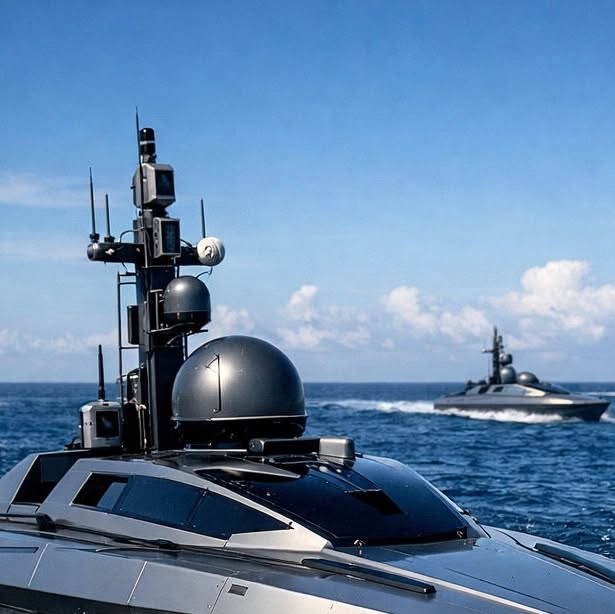
At World Data Ocean, we are witnessing a transformative shift in marine research—the transition from traditional survey ships to autonomous robotic fleets. This evolution is not merely a technological upgrade; it represents a fundamental change in how we approach ocean stewardship and data collection. The rise of Uncrewed Surface Vessels (USVs) promises a future that is not only quieter and cleaner but also smarter. As we explore the implications of this shift, it is essential to understand how these advances contribute to a more sustainable and effective marine research framework. For additional context, consider our recent piece, "The abyss isn't as out of reach as it used to be. 🌊🤖 With the rise of portable robotics like the MOLA AUV, high-tech o...," which highlights the expanding capabilities of underwater robotics.
The environmental benefits of autonomous fleets are significant. By reducing carbon emissions compared to traditional survey vessels, these USVs embody a commitment to sustainability that aligns with the urgent need for ocean stewardship. As detailed in our analysis, "Explosives Found On LPG Tanker At Russia’s Ust-Luga Port In Alleged Sabotage Attempt," current global challenges necessitate innovative solutions that minimize human impact on the environment. The integration of AI and autonomous technology allows for the collection of vast amounts of ocean intelligence with unprecedented accuracy and efficiency. This capability not only enhances our understanding of marine ecosystems but also empowers us to make data-driven decisions that can lead to real, measurable change.
The implications of these advances extend beyond the immediate benefits of data collection. They signal a shift toward a more integrated and collaborative approach to marine research. By harnessing real-time data from autonomous fleets, researchers can develop a holistic view of ocean health, integrating various climate indicators and environmental factors. This approach is crucial as we navigate complex challenges such as climate change, habitat degradation, and biodiversity loss. The future of marine surveys isn't merely on the horizon; it's already operational, working tirelessly to provide insights that can inform policy and conservation efforts.
As we look ahead, the question remains: how will the integration of autonomous technology reshape our understanding of marine ecosystems and inform our stewardship practices? The potential for improved accuracy and efficiency in data collection is immense, but it is essential to foster an environment of collaboration among researchers, policymakers, and stakeholders. The success of these technologies will depend on our ability to leverage this ocean intelligence to drive impactful change. Moving forward, we must remain vigilant and proactive in utilizing these advancements to foster a sustainable relationship with our oceans.
In conclusion, the transition to quieter, cleaner, and smarter marine research practices heralds a new era in ocean stewardship. As technology continues to evolve, so too must our strategies and frameworks for protecting marine environments. The integration of autonomous fleets presents a unique opportunity to enhance our understanding of ocean health while significantly reducing our environmental footprint. As we embrace these innovations, we must remain committed to collaboration and shared responsibility, ensuring that the data we collect propels us toward meaningful action and sustainable outcomes.
Read on the original site
Open the publisher's page for the full experience
Related Articles
- Imagine a team of scientists that never sleeps, doesn't get seasick, and explores the deepest corners of our blue planet...Imagine a team of scientists that never sleeps, doesn't get seasick, and explores the deepest corners of our blue planet simultaneously. That’s the reality of autonomous teams in marine science today. We’re moving beyond single-drone missions to a multi-layered future. Imagine a sleek surface vessel (USV) acting as a mobile hub, launching a fleet of underwater gliders to map the seafloor while aerial drones scan from above. It’s like a synchronized orchestra of ocean technology. At World Data Ocean, our job is to make sense of this "symphony." Processing data from multiple sources: motherships, gliders, and sub-surface sensors: requires high-tech integration to turn raw signals into validated ocean intelligence. By using these autonomous teams, we’re getting a higher resolution of our oceans than ever before, in real-time. It’s not just about the robots; it’s about the integrated data ecosystem that drives better stewardship of our waters. The ocean is vast, but with a team like this, it’s starting to feel a lot more connected. #OceanTech #AutonomousSystems #MarineScience #WorldDataOcean
- From solo ships to robotic swarms: the way we explore the ocean is fundamentally changing. Decades of ocean science reli...From solo ships to robotic swarms: the way we explore the ocean is fundamentally changing. Decades of ocean science relied on a single research vessel at a single point in time. Today, through our Ocean Infinity Operations, we’re witnessing a transition to autonomous robotic fleets. These swarms work in unison, providing a coordinated, real-time data integration that was previously impossible. This shift means we can now map larger areas faster and monitor environmental indicators with validated, empirical accuracy. Instead of a single snapshot, we get a living data ecosystem, allowing researchers and scientists to make more informed decisions for our planet’s future. Whether it's tracking climate indicators or mapping uncharted seafloors, the future is collaborative, autonomous, and data-driven. This is part of our Weekly Ocean Data & Innovation Highlights. Stay tuned as we continue to explore the technologies protecting our blue planet. #OceanData #Robotics #OceanExploration #MarineScience
- The abyss isn't as out of reach as it used to be. 🌊🤖 With the rise of portable robotics like the MOLA AUV, high-tech o...The abyss isn't as out of reach as it used to be. 🌊🤖 With the rise of portable robotics like the MOLA AUV, high-tech ocean exploration is no longer just for the biggest players. We’re seeing a surge in 'bottom-up' data from smaller, decentralized teams, and it’s changing how we understand the deep sea. At World Data Ocean, we’re evolving our platform to handle this influx of real-time data, ensuring that every insight: no matter how small the team: is validated and actionable. 📊✨ How do you see portable tech changing your field this year? Let's dive into the future of decentralized ocean science. #OceanTech #AUV #MarineRobotics #AccessibleScience
- Ever wondered how long it takes to map a mountain range under the sea? Traditionally, it takes months of painstaking man...Ever wondered how long it takes to map a mountain range under the sea? Traditionally, it takes months of painstaking manual data processing. But at World Data Ocean, we're seeing a shift from months to mere days. For our 'Weekly Ocean Data & Innovation Highlights,' we're diving into the AI vs. Human speed gap. While a team of experts can spend weeks cleaning acoustic data, modern AI neural networks can process that same information up to 25x faster. This isn’t just about being quick: it’s about ocean intelligence in real-time. For our partners in conservation and the maritime industry, this speed is a game-changer. Faster mapping means faster protection for vulnerable ecosystems and smarter decisions for offshore operations. We're turning validated scientific data into immediate action. Science is moving fast, and we’re here to make sure you’re at the forefront of it. #OceanData #AIInnovation #MarineScience #DeepSeaMapping