Our Take: Unveiling the Earth's Unseen Architect
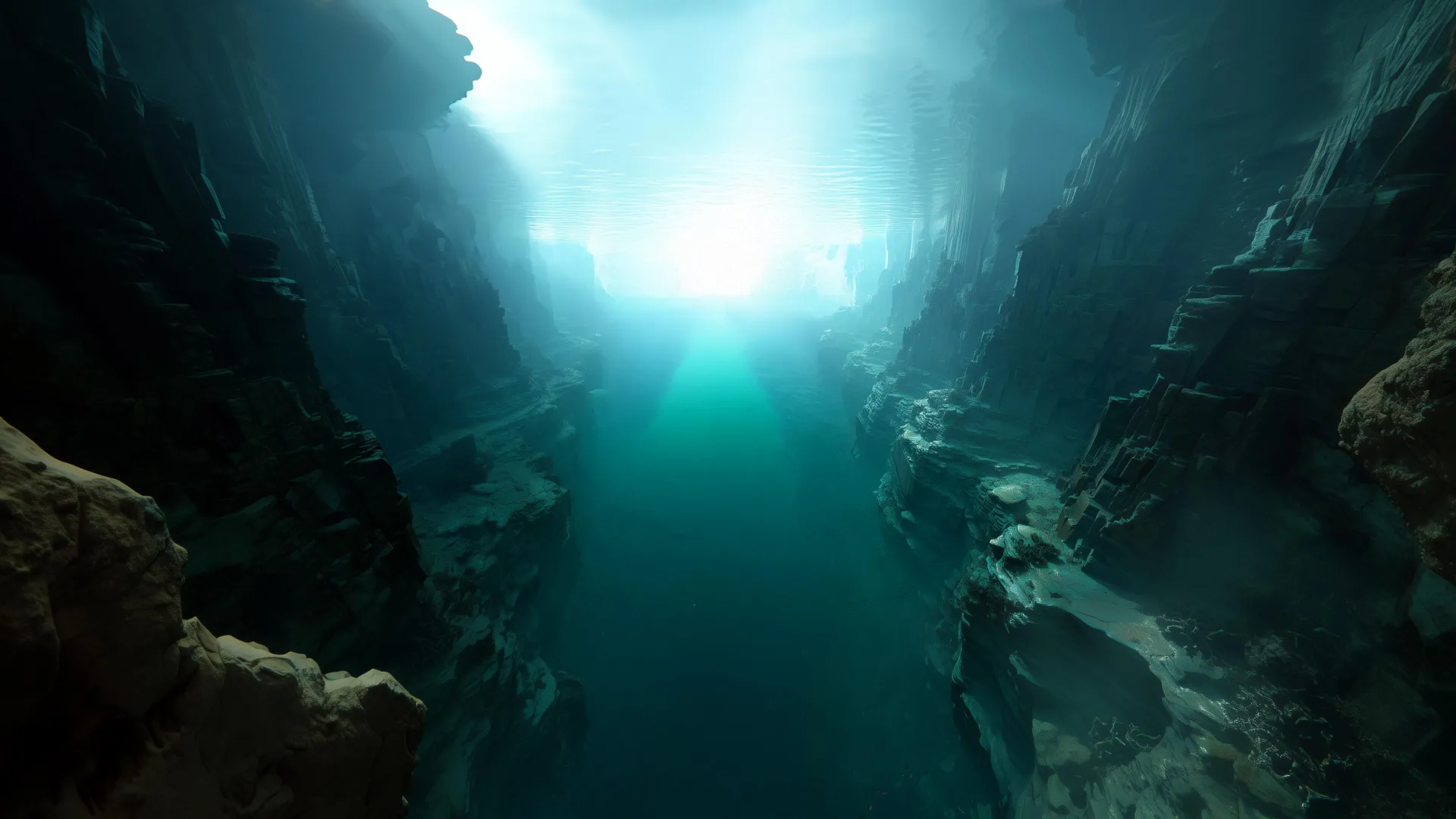
The recent identification and mapping of the King’s Trough Complex, a vast underwater canyon system stretching 500 kilometers off the coast of Portugal, offers a profound reminder of the dynamic geological forces that shape our planet. Far from the familiar landscapes carved by water, this colossal feature, dwarfing even terrestrial wonders like the Grand Canyon, is a testament to the immense power of tectonic activity. Its formation, driven by the ancient tearing apart of the seafloor, underscores a fundamental truth: the ocean floor is not a static entity, but a constantly evolving canvas sculpted by subterranean pressures and movements. Understanding these deep-sea geological processes is paramount, not only for expanding our knowledge of Earth’s history but also for comprehending the intricate interplay between geological structures and oceanic ecosystems.
This discovery highlights the critical role of technological innovation in revealing the ocean's hidden geometries. Advanced sonar and mapping technologies, operating at scales previously unimaginable, are continuously pushing the boundaries of our understanding of the marine environment. The King’s Trough Complex serves as a prime example of how integrated data ecosystems can bring to light features of immense scientific significance that have remained concealed for millennia. Such insights are not merely academic curiosities; they provide crucial context for studying ocean currents, the distribution of marine life, and the potential impacts of seismic activity. By leveraging cutting-edge techniques, we are steadily building a more comprehensive and nuanced picture of the ocean's complex topography and its underlying geological drivers.
The study of features like the King’s Trough Complex reinforces the interconnectedness of Earth systems. While its formation is rooted in deep geological processes, its existence influences the overlying ocean. Understanding these submarine landscapes is essential for developing accurate climate indicators and for informing ocean stewardship. The sheer scale of this complex suggests potential implications for ocean circulation patterns and the distribution of heat and nutrients, all of which are critical factors in global climate dynamics. As we continue to explore and map these vast, unseen realms, our capacity to protect and manage the ocean’s health grows, fostering a more informed and collaborative approach to addressing the urgent challenges facing our planet.