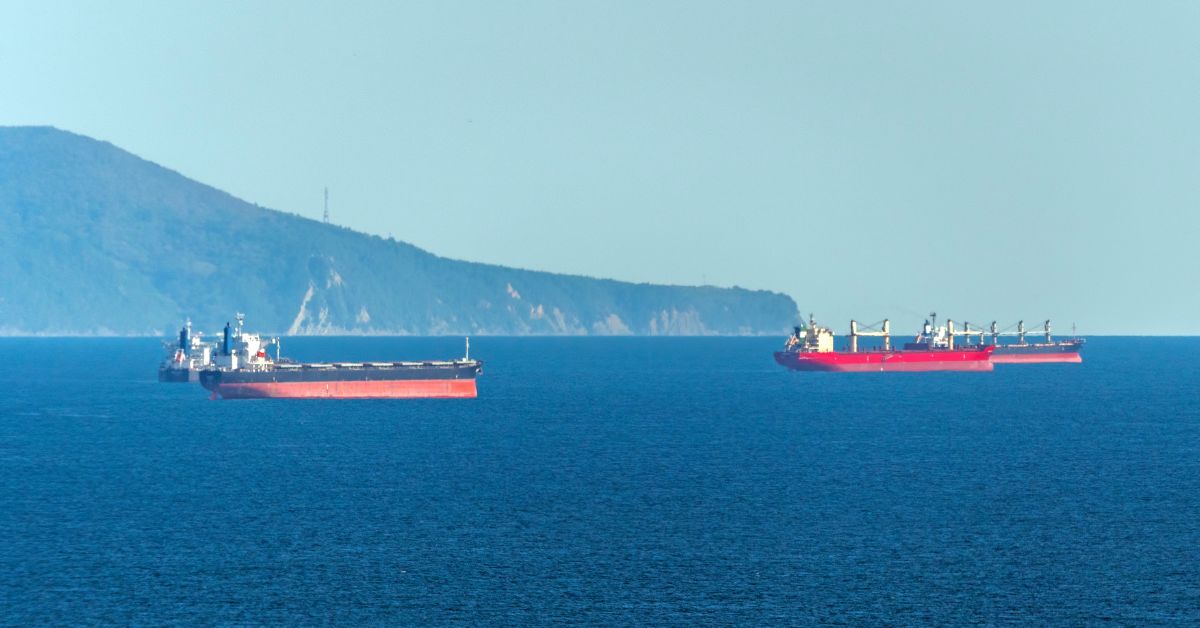
The recent transit of ten oil tankers through the Strait of Hormuz, described by U.S. President Donald Trump as a "present" to the United States from Iran, warrants careful observation. While presented as a gesture of goodwill, the implications of such a development extend beyond immediate diplomatic signaling. The Strait of Hormuz is a critical chokepoint for global energy markets, with a significant volume of oil passing through its waters daily. Any fluctuation in its accessibility or perceived stability carries inherent economic and geopolitical weight. Understanding the context of this event requires looking beyond the immediate pronouncements and considering the intricate web of relationships and interests that define this vital maritime artery.
From a data-driven perspective, the operational status of shipping lanes like the Strait of Hormuz is a key indicator of regional security and the reliability of global supply chains. World Data Ocean’s mission is to provide validated, measurable data that illuminates these complex dynamics. Analyzing patterns of tanker traffic, vessel movements, and any associated disruptions offers empirical evidence of geopolitical shifts and their potential impact on ocean commerce. This event, while framed politically, has tangible consequences for maritime operations, insurance rates, and ultimately, the flow of energy resources worldwide. Our role is to process and present this information with scientific integrity, allowing for informed analysis and decision-making by researchers, policymakers, and industry stakeholders alike.
The long-term significance of this tanker passage hinges on its sustainability and the broader trajectory of U.S.-Iran relations. Is this a singular event, or does it signal a more enduring adjustment in regional maritime diplomacy? The answer lies in continued, consistent data collection and analysis. World Data Ocean is committed to providing the integrated data ecosystem necessary to track such developments over time. By monitoring these critical maritime zones, we contribute to a deeper understanding of the factors that influence ocean stewardship and global stability. This focus on measurable outcomes and longitudinal data allows us to move beyond speculation and towards a more precise comprehension of the forces shaping our shared ocean.