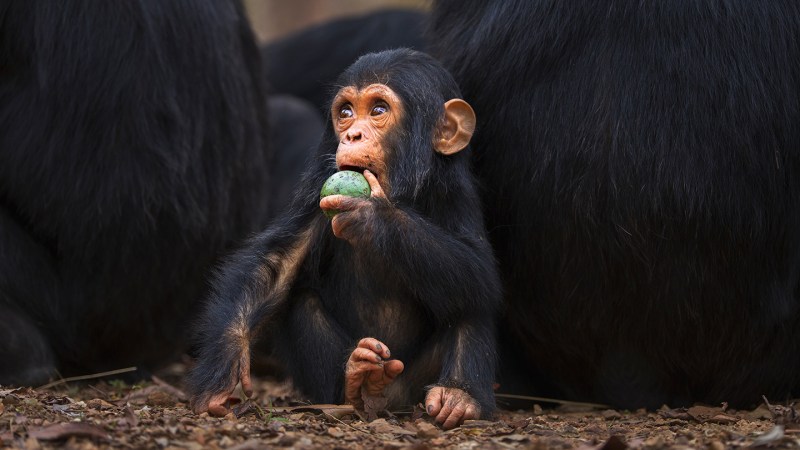
The most interesting part of this new research is not the confirmation that sugar fuels big brains. That much we already knew. The real signal is in the timing. The study suggests that a taste for ripe fruit and honey did not just appear alongside brain growth; it may have helped initiate it. That places diet not as a background condition but as an active driver in our deep history. For a field that often treats climate shifts or tool use as the primary levers, this is a refreshingly simple and testable idea. It also carries a subtle implication: our ancestors did not outsmart their environment. They ate their way into it.
For our readers, the lesson is not that you should stock up on fruit juice to think faster. The study is about a long arc of primate evolution, not a daily nutrition hack. But it does reframe how we think about metabolic demand and cognitive development. A larger brain is not a free lunch, so to speak. It is an expensive one, and it requires a steady, reliable source of energy. The authors are careful to note that this is not about sugar being "good" or "bad." It is about availability and adaptation. That distinction matters, especially in a public conversation that too often collapses nuance into a single nutrient villain. If anything, this research is a reminder that our modern food environment is a poor mirror for the one that shaped us.
We would tell a reader who asked about this study to pay attention to what it does not claim. It does not say that sugar caused intelligence. It says that sugar may have provided the energetic headroom for brain expansion in certain lineages. That is a meaningful difference. Correlation is not causation, and evolutionary stories are notoriously difficult to test. But the study offers a concrete hypothesis: that the ability to detect and exploit sweet, seasonal foods may have offered a selective advantage. That is a testable prediction, and that is what makes it scientifically valuable. We would also note that the study does not diminish the role of other factors, such as social learning or environmental pressure. It adds a layer. It does not replace the others.
The takeaway worth quoting is this: our sweet tooth is not a flaw to be managed but a trait that was once deeply functional. The problem is not that we still like sugar. The problem is that we have made it available all year round, in forms that never existed in nature. The next step for researchers will be to trace how this dietary shift interacted with other developmental changes, such as gut size or birth timing. We will be watching for that. In the meantime, the study offers a useful frame: when we ask why we are the way we are, the answer may be sitting at the bottom of a fruit bowl.