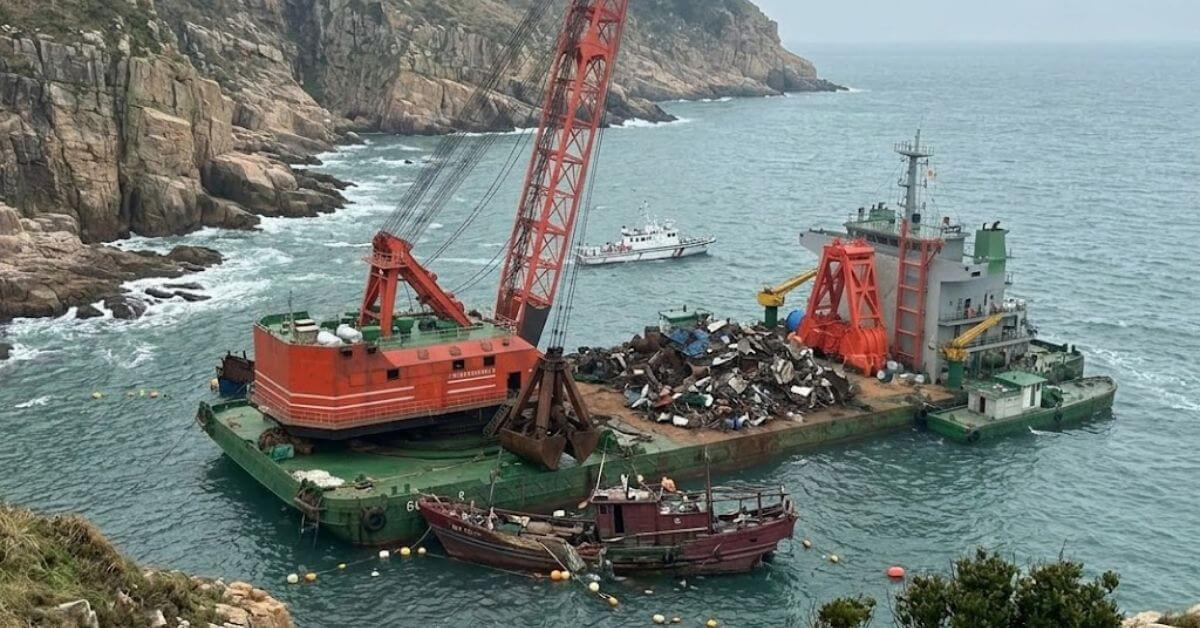
The recent incident involving a Chinese barge drifting ashore near Dongyin, leading to the detention of its crew, underscores a critical intersection of maritime activity and vital global infrastructure. While the immediate focus is on the suspected damage to a subsea cable, this event serves as a potent reminder of the fragility and interconnectedness of our ocean’s digital arteries. These cables, carrying vast amounts of data that underpin global communication, finance, and scientific research, are increasingly vulnerable to accidental and, in some cases, intentional disruption. Understanding the dynamics of such incidents requires a data-driven, scientific approach, moving beyond sensationalism to identify root causes and implement robust preventative measures.
Our perspective at World Data Ocean emphasizes the necessity of integrated data ecosystems for monitoring and managing the complex environment in which these subsea cables operate. The ability to track vessel movements in real-time, correlate them with environmental conditions, and analyze potential impacts on subsea infrastructure is paramount. This requires a collaborative effort, integrating satellite imagery, AIS data, and on-the-ground observations to build a comprehensive picture. The detention of the barge crew highlights the need for clear protocols and international cooperation in investigating such occurrences, ensuring that accountability is balanced with the pursuit of knowledge to prevent future incidents. The scientific community, through peer-reviewed research and validated data analysis, plays a crucial role in informing these protocols and fostering a culture of responsible maritime practice.
Incidents like this are not merely isolated events but symptoms of a larger challenge: the growing pressure on ocean resources and infrastructure from increased human activity. As we rely more heavily on subsea cables for our digital lives, the imperative for their protection and the sustainable management of our oceans intensifies. This requires a commitment to empirical observation, the development of innovative monitoring technologies, and a global dialogue grounded in scientific understanding. Our approach is to provide the calibrated data and the ocean intelligence necessary for informed decision-making, empowering stakeholders from researchers to policymakers to safeguard these essential arteries of our interconnected world and ensure the continued health and accessibility of our planet's most vital ecosystem.