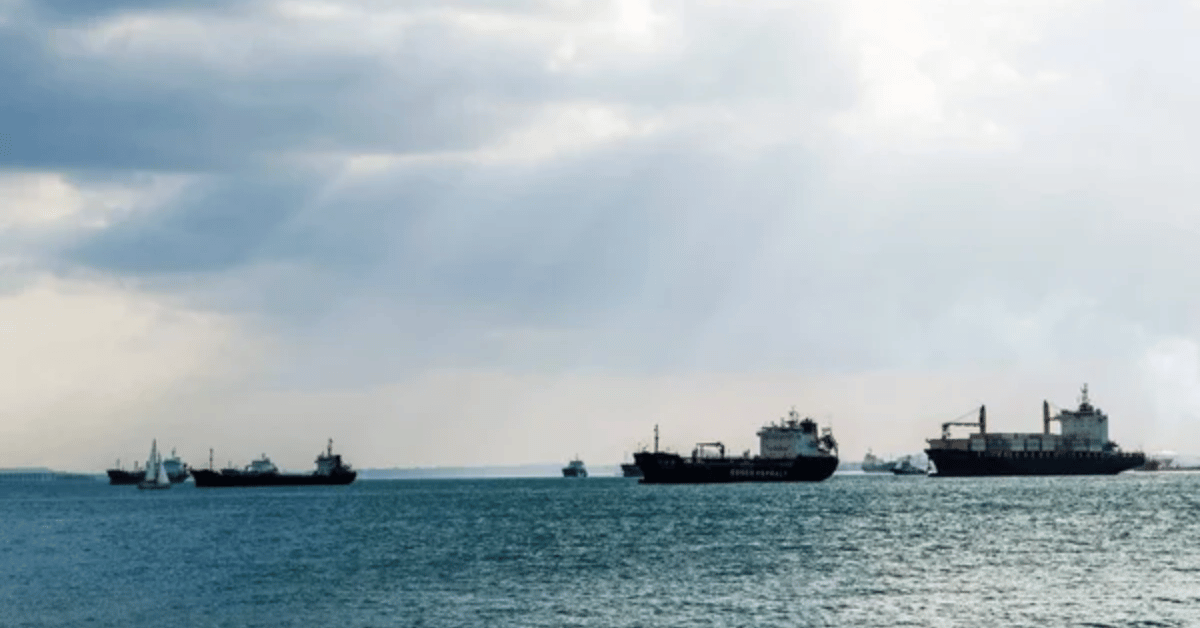
The regional IMO workshop in Lima is exactly the kind of calibrated, proactive measure that turns maritime safety from a reactive responsibility into a built-in feature of ocean governance. This is not a headline-grabbing rescue operation or a new treaty signing; it is the unglamorous, essential work of updating traffic lanes and reporting protocols to match the real-time pressures on Latin American waters. For our readers, researchers, policy analysts, and maritime professionals, the practical significance is clear: when vessel routeing systems are strengthened, the risk of collisions and groundings drops measurably, and so does the likelihood of fuel spills or cargo losses that ripple through local economies and ecosystems.
The workshop's focus on guiding coastal states through the submission process for new or revised measures to IMO's Sub-Committee on Navigation, Communications and Search and Rescue is a direct response to an integrated data gap. Maritime traffic is increasing, and hazards persist in navigationally challenging areas, yet many nations lack the technical familiarity to propose changes under SOLAS and UNCLOS. This is where the parallel with other maritime risk challenges becomes instructive. For instance, as we recently reported, Integrating vessel cyber defense with insurance for measurable maritime risk reduction shows how the industry is moving toward quantified, verifiable risk management. The same principle applies here: routeing measures are only as effective as the empirical data and peer-reviewed proposals behind them. Without a standardized pipeline for submitting those proposals, even the best-intentioned safety upgrades remain theoretical.
The timing of this workshop also matters in a broader geopolitical context. Maritime traffic in Latin American waters is not isolated; it connects directly to global supply chains and resource extraction debates. Consider the recent resumption of Grain shipping resumes from Russian Black Sea ports for first time since July, which underscores how quickly shipping routes can shift due to conflict or policy changes. When those shifts happen, the routeing systems in other regions must be robust enough to absorb redirected traffic without creating new choke points. The Lima workshop is a practical step toward ensuring that Latin American waters do not become the next unplanned bottleneck.
The concrete takeaway here is straightforward: any coastal state in the region that leaves this workshop without a draft proposal for a new traffic separation scheme or an area to avoid has missed the point. The IMO has provided the design criteria, the legal framework, and the evaluation pathway. What remains is for individual nations to measure their own navigational hazards, integrate that data into a formal submission, and push for adoption at the Maritime Safety Committee. The most telling detail to watch in the coming months will be how many proposals from Latin American states actually reach the NCSR agenda. That number will be the real indicator of whether this workshop shifted from awareness to action.