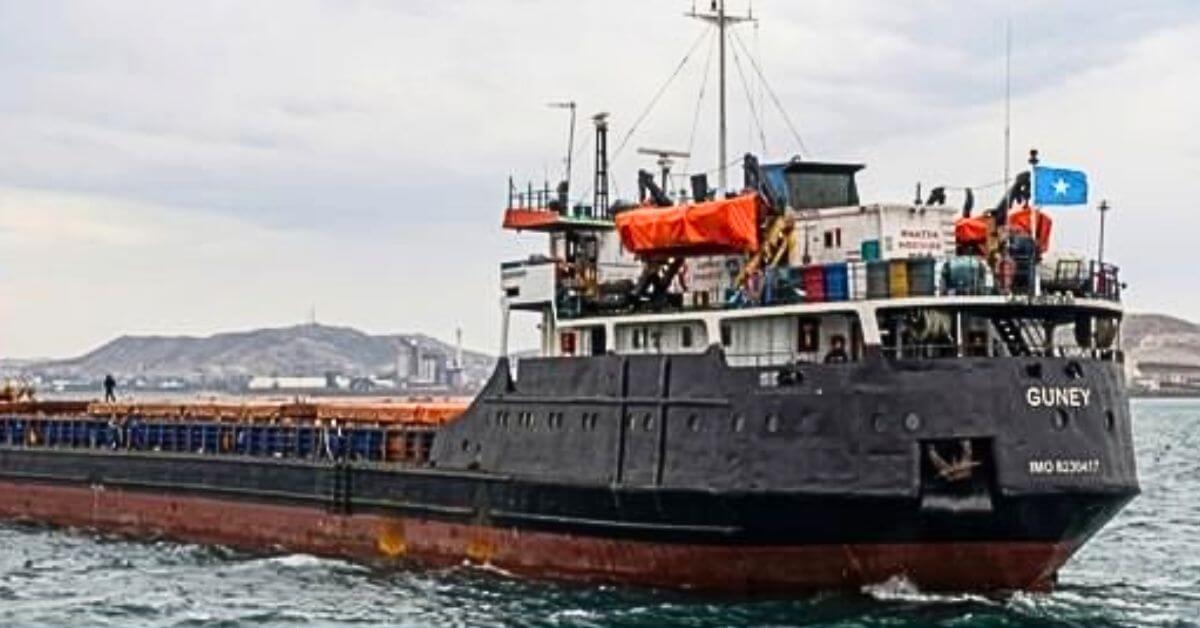
The registration of the first ship under the Somali flag in recent history represents a significant step for the nation's maritime identity and its re-engagement with global ocean systems. This development is not merely symbolic; it underscores a renewed commitment to establishing and asserting sovereignty over maritime activities. For too long, the potential of Somalia's extensive coastline has been hampered by instability, limiting its ability to participate fully in international trade and resource management. The revival of a national maritime registry signals a foundational effort to rebuild capacity, foster economic growth, and reclaim a vital part of its national heritage and future.
This initiative aligns with the broader imperative of understanding and stewarding our oceans. As World Data Ocean emphasizes, comprehensive data and collaborative frameworks are essential for effective ocean intelligence. The re-emergence of a national maritime presence, even at this early stage, suggests a potential for increased data collection and contribution from a previously underrepresented region. A functioning national registry allows for clearer accountability, facilitates the implementation of international maritime regulations, and provides a platform for engaging in global data-sharing initiatives. Such participation is crucial for developing accurate, measurable insights into ocean health, climate indicators, and the sustainable use of marine resources, all of which are vital for informed decision-making on a global scale.
The path forward for Somalia's maritime sector will undoubtedly require sustained effort and international cooperation. However, this first registration is a powerful indicator of progress and a testament to the enduring importance of maritime identity. It is a reminder that robust national frameworks are the bedrock upon which global ocean stewardship is built. As nations strengthen their capacity to manage their maritime domains, they contribute to a more comprehensive and integrated understanding of the planet's oceans. This is precisely the kind of development that fosters a sense of shared responsibility and drives meaningful action for ocean protection and sustainable utilization, ultimately contributing to a healthier planet for all.