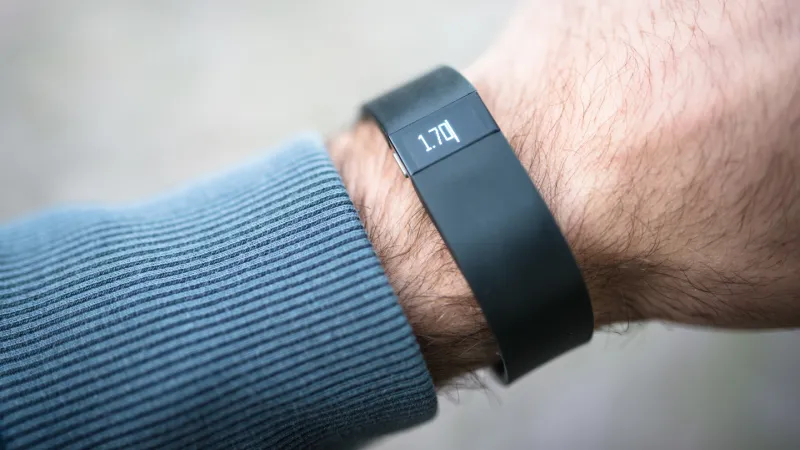
Our Take: The convergence of personal technology and scientific discovery offers a compelling glimpse into the future of proactive health management. The recent findings demonstrating the capacity of smartwatch data, when integrated with clinical markers, to detect insulin resistance with nearly 90 percent accuracy represent a significant stride forward. This development underscores the power of leveraging the continuous, real-time physiological data streams generated by wearable devices. For too long, the detection of conditions like insulin resistance has relied on periodic clinical assessments, often identifying issues only after they have progressed. The ability to identify early indicators through accessible technology has the potential to fundamentally shift how we approach preventative healthcare, enabling earlier interventions and potentially mitigating the long-term consequences of metabolic dysfunction. This is not about replacing traditional medical expertise, but about augmenting it with a more granular, continuous understanding of individual health patterns.
This advancement highlights the critical role of data integration and sophisticated analytical approaches. The nearly 90 percent accuracy achieved is a testament to the validated algorithms and the careful calibration of smartwatch metrics against established clinical benchmarks. It emphasizes that the true power lies not just in collecting data, but in translating that raw information into actionable intelligence. This integrated data ecosystem allows for a more nuanced understanding of an individual's metabolic state, moving beyond single-point measurements to reveal trends and subtle shifts that might otherwise go unnoticed. The scientific rigor behind such findings, particularly when peer-reviewed and validated, provides the necessary credibility to build trust and encourage adoption. This is the essence of innovation at World Data Ocean – harnessing technology to provide clear, measurable insights that empower both individuals and the scientific community.
The implications of this research extend beyond individual health. As we gather more longitudinal data from diverse populations, we can refine our understanding of the complex interplay between lifestyle, genetics, and metabolic health. This empirical evidence is crucial for informing public health strategies, guiding research into more personalized interventions, and ultimately fostering a more resilient global population. The journey from novel technology to widespread, impactful application requires a commitment to scientific integrity, collaborative research, and clear communication. By demonstrating the tangible benefits of integrating everyday technology with scientific validation, we move closer to a future where understanding drives protection, and where proactive health management becomes the norm, not the exception. This is the promise of ocean intelligence, extended to the very core of human well-being.