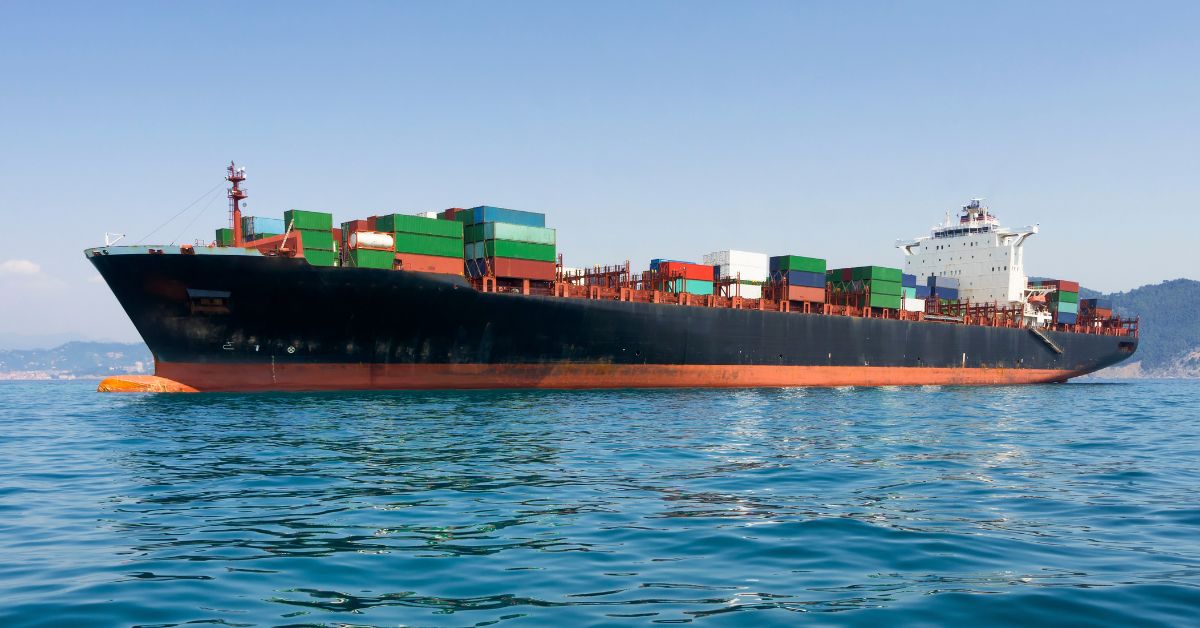
The recent resumption of shipping through the Strait of Hormuz, marked by the transit of the Maltese-flagged container ship CMA CGM Kribi, underscores a critical aspect of global maritime operations: their inherent vulnerability to geopolitical shifts. This vital waterway, a chokepoint for a significant portion of the world's oil supply and a conduit for international trade, experienced a temporary closure by Iran. The swift return to normal operations, however, does not diminish the fundamental importance of understanding and monitoring such events. For World Data Ocean, this incident serves as a potent reminder of how interconnected global systems are, and how disruptions, even seemingly temporary ones, can have far-reaching implications for economies and supply chains worldwide. Our work in developing integrated data ecosystems allows us to track these movements, analyze their impact, and provide the validated, measurable data necessary for informed decision-making.
The ability to monitor real-time vessel movements and analyze historical traffic patterns through strategic chokepoints like the Strait of Hormuz is paramount. Such data, when integrated with other environmental and economic indicators, offers a comprehensive view of global trade dynamics. The swift passage of the CMA CGM Kribi, while a positive sign for immediate trade flow, also highlights the persistent risks associated with reliance on specific maritime routes. Our commitment lies in providing the ocean intelligence that enables a deeper understanding of these complex interactions. This involves not just observing events as they unfold, but also leveraging longitudinal data to identify trends, assess potential vulnerabilities, and contribute to more resilient global logistics.
The implications of such events extend beyond immediate shipping schedules. They touch upon energy security, economic stability, and the broader challenges of managing global commons. World Data Ocean is dedicated to fostering a collaborative environment where scientific authority meets accessible information. By providing empirical data and insights, we aim to empower researchers, policymakers, and industry stakeholders to navigate these complexities with greater clarity. The ongoing monitoring and analysis of maritime traffic, alongside other critical ocean data, are essential for understanding the full scope of these interconnected systems and for promoting responsible stewardship of our planet's vital waterways.