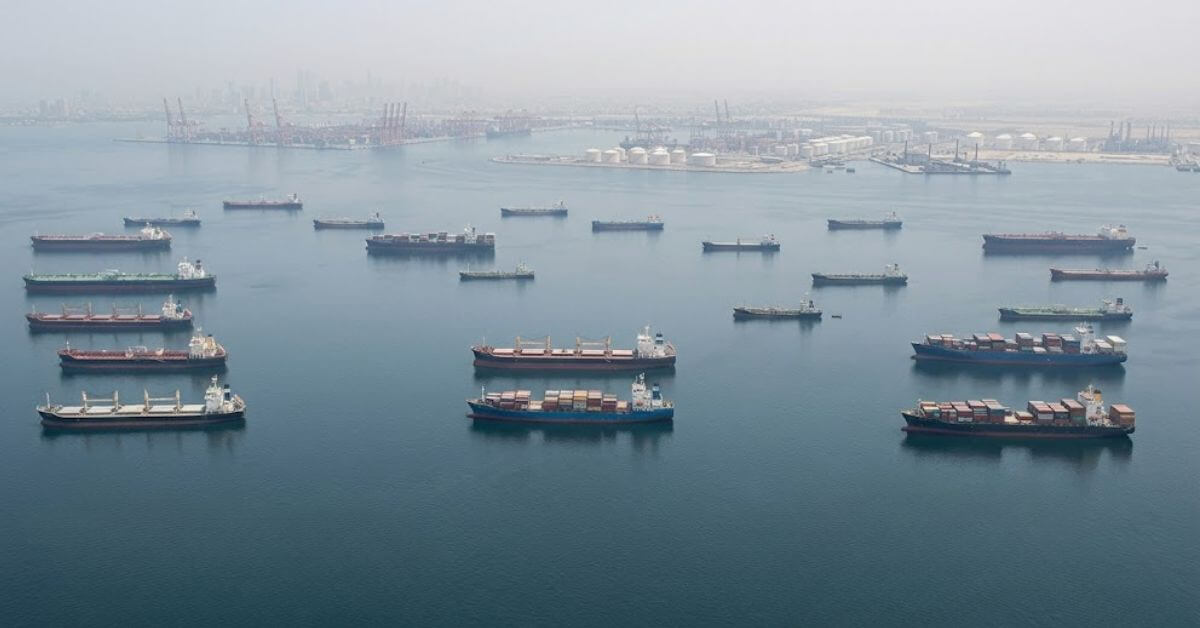
The current shipping crisis in the Gulf, resulting in thousands of seafarers being stranded amidst a deadly conflict, underscores a critical vulnerability in our global interconnectedness. For weeks, vessels have faced attacks, and the human toll on these essential maritime workers is a stark reminder of the risks inherent in maintaining the flow of goods that power our economies. This situation is not merely an operational disruption; it represents a profound challenge to the safety and well-being of individuals who are fundamental to international trade and the functioning of the global ocean system.
At World Data Ocean, we view such events through the lens of integrated data and a commitment to understanding the complex interplay of geopolitical, economic, and environmental factors that impact our oceans. The stranding of seafarers highlights the urgent need for robust, real-time intelligence and collaborative frameworks to ensure the security and stability of vital maritime routes. Our work in developing an integrated data ecosystem aims to provide the validated, measurable insights necessary for informed decision-making, enabling stakeholders to anticipate, respond to, and mitigate crises like this with greater efficacy. The human cost of this conflict, with seafarers caught in the crossfire, demands immediate attention and a concerted global effort to resolve the situation and safeguard those who navigate our seas.
This crisis serves as a powerful impetus for strengthening international cooperation in maritime security and seafarer welfare. It emphasizes that technological innovation in data collection and analysis must be coupled with diplomatic action and a shared sense of responsibility for those who undertake the demanding and often perilous work of seafaring. The long-term implications of such disruptions extend beyond immediate economic losses; they can erode trust in global supply chains and highlight the fragile nature of peace and stability on the seas. Moving forward, World Data Ocean is dedicated to providing the foundational ocean intelligence that supports proactive solutions, ensuring that the vital arteries of global commerce remain open and that the individuals who power them are protected. Understanding drives protection, and in times of crisis, comprehensive and accessible data becomes an indispensable tool for navigating towards resolution and resilience.