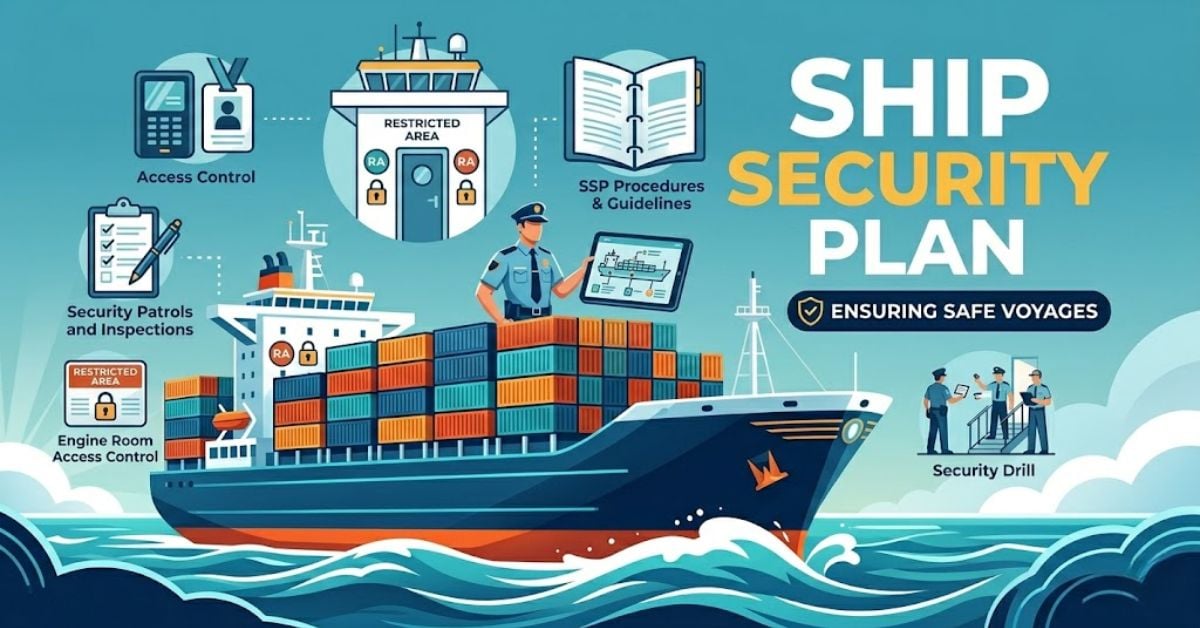
The recent article on the Ship Security Plan (SSP) under the International Ship and Port Facility Security (ISPS) Code provides a timely examination of crucial maritime security protocols. This framework was established in response to the alarming vulnerabilities highlighted by historical incidents, such as the hijacking of the MV Achille Lauro in 1985, which underscored the pressing need for enhanced security measures at sea. As global maritime trade continues to expand, understanding the intricacies of the SSP, including security assessments, levels of threat, and the roles of designated security officers, becomes essential for all stakeholders in the maritime industry. The implications of these regulations extend beyond individual vessels; they resonate through supply chains and international relations.
The article details the fundamental components of the SSP, including the requirements set forth by the ISPS Code and the critical roles of both the Company Security Officer (CSO) and Ship Security Officer (SSO). Their responsibilities in maintaining security are paramount, particularly in a world where the threats to maritime safety are becoming increasingly sophisticated. Additionally, the article discusses the various security levels—1, 2, and 3—that dictate the degree of vigilance required under different circumstances. Such classifications are not merely bureaucratic; they reflect the dynamic nature of maritime threats and the necessity for adaptable responses. As highlighted in related discussions about cooperative defense measures, such as those detailed in the U.S, Philippines & Partner Nations Sink 2 Decommissioned Ships In Balikatan Exercise, collaboration among nations becomes a cornerstone of effective maritime security.
Moreover, the requirement for regular drills and the rights of Port State Control (PSC) to inspect compliance are significant elements of the SSP framework that ensure ongoing vigilance and preparedness. These measures are not just procedural; they foster a culture of security awareness that permeates through maritime operations. The article posits that effective implementation of the SSP can lead to enhanced confidence among shipping companies, regulators, and the public alike. This confidence is essential in a sector where safety incidents can lead to catastrophic economic and environmental repercussions, as recently illustrated by the evolving challenges of climate change and its impacts on maritime operations.
In a world where maritime routes are increasingly challenged by geopolitical tensions and environmental changes, the importance of a robust SSP cannot be overstated. As nations grapple with the dual challenges of securing their maritime borders and addressing climate-related threats, the integration of security protocols with sustainability practices is more critical than ever. The insights from the article align with broader conversations about innovation in maritime practices, such as those found in our coverage of China Installs World’s Largest Single-Unit Floating Offshore Wind Power Platform, where technological advancements and environmental stewardship intersect.
Looking ahead, the maritime industry must remain vigilant and proactive in adapting to an ever-evolving landscape of threats and opportunities. The commitment to implementing comprehensive security measures like the SSP is not just about compliance; it is a reflection of a broader dedication to safeguarding maritime trade and the global economy. The question that looms is how maritime stakeholders will balance the urgency of security with the imperative for sustainable practices in the face of climate change. As we navigate these waters, the intersection of security, sustainability, and innovation will be critical in shaping the future of maritime operations.