Seals’ amphibious hearing developed a long, long time ago
Our take
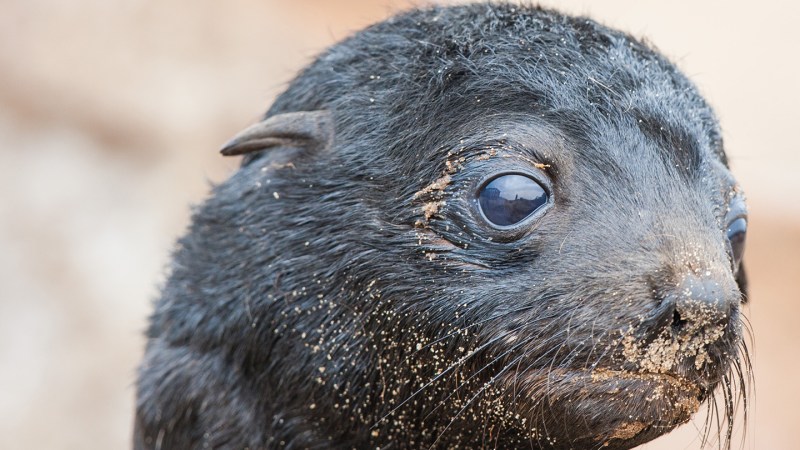
## Our Take: Unraveling the Evolutionary Symphony of Seal Hearing
The recent research detailing the evolution of amphibious hearing in seals represents a fascinating convergence of paleontological inference and modern imaging technology. Scanning the ears of hundreds of marine mammals – a monumental undertaking in itself – allows researchers to paint a more complete picture of how pinnipeds transitioned between terrestrial and aquatic environments. This ability to hear effectively in both realms, a unique adaptation, wasn’t a sudden development but a process stretching back tens of millions of years. It’s a compelling example of evolutionary refinement driven by ecological pressure, and it underscores the complexity of understanding the deep history of life in our oceans. This investigation builds upon previous work exploring marine ecosystems, such as the insights shared in Marine science Indonesia, which highlights the importance of international collaboration in furthering our understanding of these environments, and echoes the broader focus on opportunities for marine biology students showcased in Opportunities in Florida.
The significance of this research extends beyond simply detailing a biological adaptation. It provides a valuable case study in how evolutionary pressures shape sensory systems. Seals, unlike most mammals, straddle two very different acoustic environments. The density difference between air and water dramatically alters how sound travels, requiring specialized adaptations for efficient hearing. The study’s findings suggest that the foundational structures for this amphibious hearing began to evolve significantly earlier than previously thought, likely during the Oligocene epoch. Understanding the timeline allows scientists to better correlate sensory adaptations with broader environmental changes and shifts in prey availability. The precision of the dating, inferred from the fossil record and sophisticated imaging techniques, reinforces the importance of integrated data ecosystems for scientific validation. It further connects with the growing body of work examining the impacts of environmental change on marine life, exemplified by recent findings linking past extinctions to ocean conditions, such as those detailed in PHYS.Org: Researchers link the mass extinction of once-dominant marine groups to intolerable heat, diminished oxygen in oceans.
What’s particularly compelling is the methodology. The reliance on scanning existing specimens, rather than solely relying on fossilized ear bones (which are often incomplete), provides a level of detail previously unattainable. This approach highlights the power of leveraging existing biological resources—museum collections, zoo animals—to address fundamental scientific questions. Moreover, it demonstrates the increasing sophistication of non-invasive imaging techniques and their growing role in paleontological research. This research underscores a broader trend: the integration of empirical observation, advanced technology, and interdisciplinary collaboration to unlock the secrets of the past. The ability to calibrate these methods across diverse species allows for increasingly robust and nuanced reconstructions of evolutionary history, moving beyond simplistic narratives to reveal the intricate processes shaping life on Earth.
Looking ahead, this research prompts a crucial question: how will ongoing changes in our oceans – particularly those driven by climate change and human activity – affect the hearing capabilities and communication strategies of marine mammals? As noise pollution from shipping and sonar increases, and as ocean temperatures and acidity alter the physical properties of water, will these sophisticated auditory systems be able to adapt? Monitoring the health and functionality of these sensory systems across various marine mammal populations represents a critical measure of ocean health and a vital component of effective conservation strategies. Longitudinal studies tracking the evolution of hearing adaptations in response to contemporary environmental stressors could provide invaluable insights into the resilience—or vulnerability—of marine ecosystems.
Read on the original site
Open the publisher's page for the full experience