evolutionary biology
4 stories filed under evolutionary biology on World Data Ocean. The newest of them: “Ancient viral DNA may hold clues to the divergence of chimp and human brains”, “From orbit to ocean floor, measuring adaptation in marine extremes”, and “Mating Call Overload: Choice Paralysis Impacts Female Frog Selection”. A retrovirus embedded itself in the primate genome millions of years ago, and its leftover DNA now appears to influence a key difference between chimp and human brain development. Measuring adaptation in marine extremes requires data that spans the full vertical column. A Global Hub for Ocean Intelligence 4 World Data Ocean is a centralized digital platform where researchers, scientists, and ocean enthusiasts converge to… The list below is every evolutionary biology story on World Data Ocean, newest first.

Ancient viral DNA may hold clues to the divergence of chimp and human brains
A retrovirus embedded itself in the primate genome millions of years ago, and its leftover DNA now appears to influence a key difference between chimp and human brain development. This is not speculative biology; it is a measurable, empirical signal of how ancient infection can shape evolution. The finding underscores that our genomes are integrated data ecosystems, carrying climate indicators and viral history alike. For another look at genetic roots of complex conditions, see our coverage of "Genetic Insights Illuminate Fibromyalgia's Complex Origins."

From orbit to ocean floor, measuring adaptation in marine extremes
Measuring adaptation in marine extremes requires data that spans the full vertical column. From orbit to ocean floor, our integrated data ecosystem captures how species respond to shifting conditions in real time. This is not abstract modeling, it is empirical, calibrated observation of survival strategies at pressure and temperature limits. Understanding these patterns sharpens climate indicators for policy. For deeper context on nutritional architecture in upwelling systems, see our related piece on fifteen krill species mapping the Benguela food web.
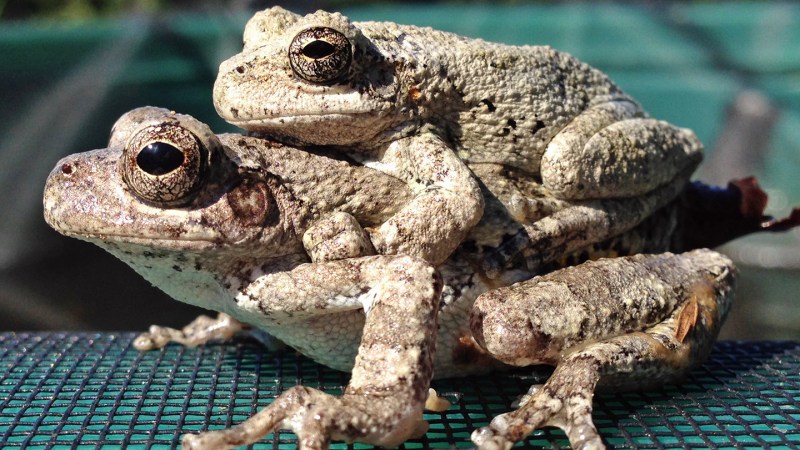
Mating Call Overload: Choice Paralysis Impacts Female Frog Selection
Choice overload is not a human quirk alone. In a controlled lab setting, female frogs became less likely to lock onto their preferred mate's call as the auditory competition intensified. That indecision, born from an overloaded soundscape, quietly hands an edge to less favored males. It is a measurable, peer-reviewed glimpse into how environmental noise reshapes decision-making. We see this as a compelling thread in a broader tapestry of sensory limits, much like our coverage of whether fish truly feel cold.
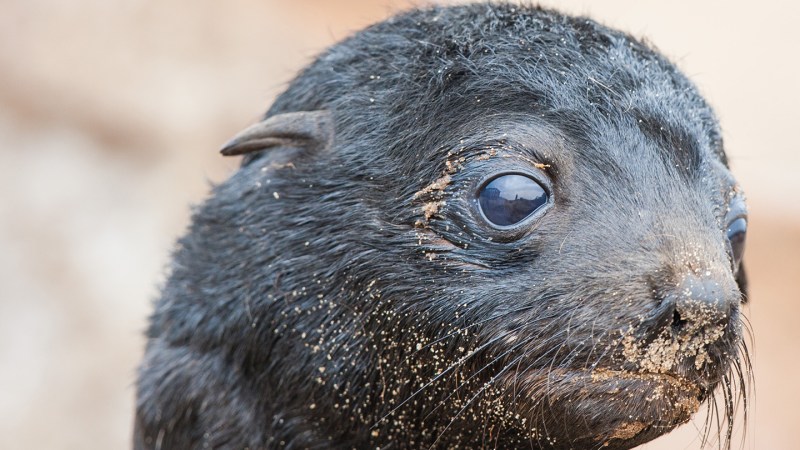
Evolutionary Scan Reveals Ancient Origins of Seals’ Dual Hearing
Pinnipeds hear with remarkable clarity in both air and water, a dual ability that evolved far earlier than previously understood. By scanning the ears of hundreds of marine mammals, researchers have traced this acoustic adaptability to ancient origins, revealing a sensory advantage that likely shaped their survival across changing environments. It is a precise, empirical reminder that evolution often works through subtle, measurable refinements.