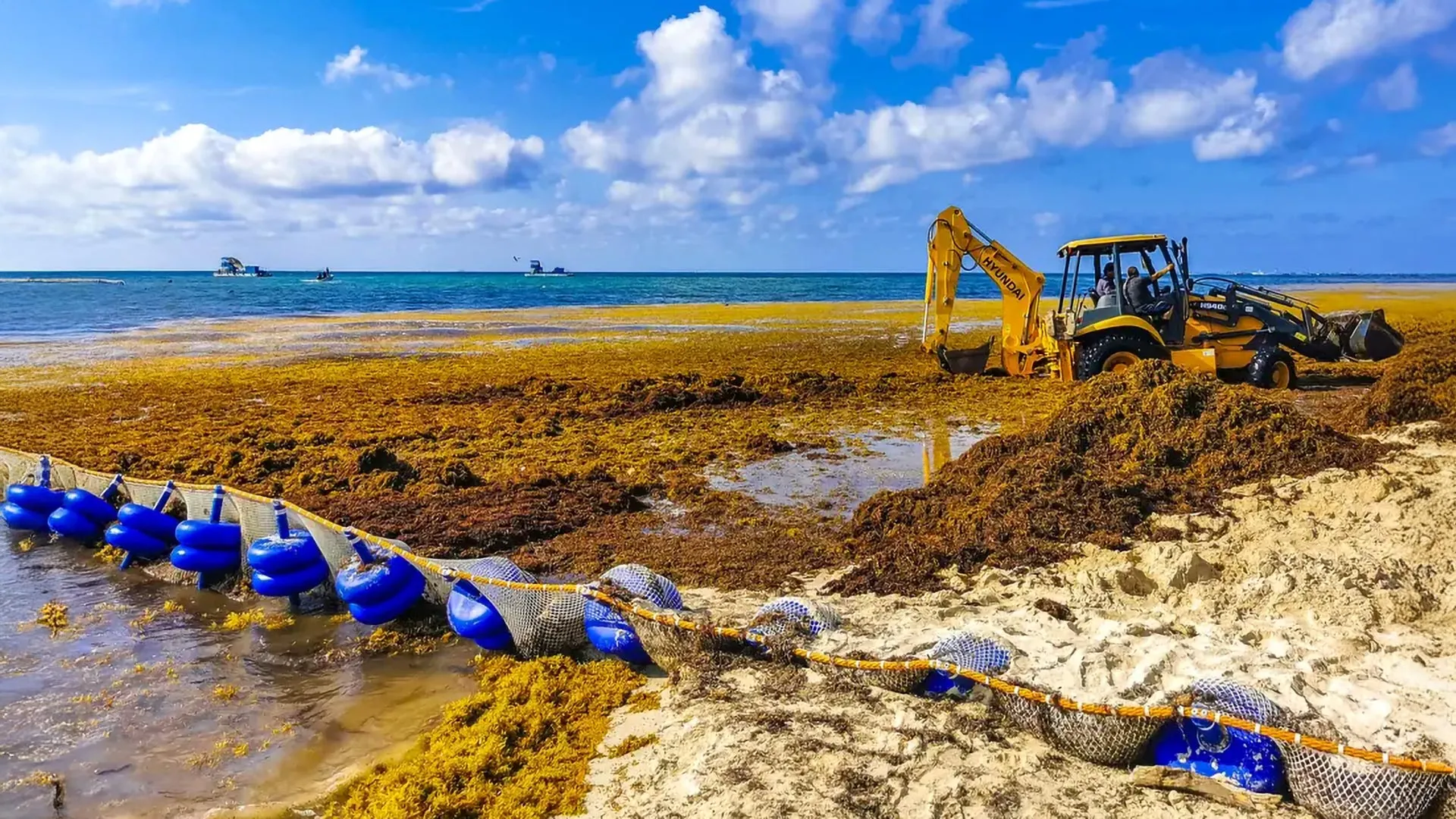
The recent findings linking intensified nutrient cycles to the dramatic surge in Sargassum blooms represent a significant step forward in our understanding of these complex marine phenomena. For years, the drivers behind the escalating scale and frequency of Sargassum events have been a subject of intense scientific inquiry. This new research, leveraging the invaluable historical data preserved within coral cores, provides a compelling narrative of a dynamic nutrient partnership at play. The discovery that equatorial upwelling is delivering crucial phosphorus to the surface, in concert with nitrogen supplied by symbiotic cyanobacteria living directly on the Sargassum itself, paints a vivid picture of an oceanic nutrient engine that has demonstrably accelerated. This empirically validated connection, precisely correlating with the observed Sargassum growth since 2011, moves beyond speculation to offer a data-driven explanation for a pressing environmental challenge.
Crucially, this study's rigorous approach has allowed for the systematic exclusion of previously considered contributing factors, such as Saharan dust and river runoff. By validating the primary role of this internal nutrient cycle, the research underscores the interconnectedness of oceanic processes and the profound impact of climate-driven changes. This is not simply an isolated observation; it is a testament to the power of integrated data ecosystems and longitudinal studies in uncovering the subtle yet significant shifts occurring within our oceans. The ability to analyze past conditions through proxies like coral cores, and then correlate them with contemporary observations, allows us to build a robust, evidence-based understanding that can inform future prediction and mitigation strategies.
The implications of this research are far-reaching, particularly for the Caribbean and Atlantic regions heavily impacted by these blooms. Understanding the precise mechanisms driving Sargassum proliferation is essential for developing effective management and adaptation strategies. This scientific clarity allows for a more targeted approach, moving away from generalized assumptions towards specific interventions informed by measurable data. World Data Ocean is committed to facilitating this kind of precise, globally relevant ocean intelligence. By providing validated, real-time data and supporting research that unravels these intricate oceanic puzzles, we empower scientists, policymakers, and communities with the knowledge needed to foster more resilient marine environments. The journey from understanding to protection is paved with accurate data, and this latest discovery is a vital stride along that path, reminding us of the urgent need for continued scientific exploration and collaborative stewardship of our shared ocean planet.